
Arizona Home Repair & Upgrade Guide
Planning a home repair or upgrade in Arizona starts with matching the project to the right licensed contractor, confirming local permit requirements, and accounting for desert conditions such as extreme heat, monsoon storms, hard water, and expansive soils.
This guide is designed for homeowners planning repairs, remodels, energy upgrades, exterior improvements, pool work, HVAC replacements, and other residential projects across Arizona.
The $1,000 Rule
Jobs over $1,000, or any job needing a permit, require an Arizona ROC license.
Match the License
The contractor’s ROC classification should cover the exact work being done.
Call 811 First
Contact Arizona 811 at least two business days before any digging.
Plan Your Arizona Project
A successful Arizona home project begins with a clear scope of work, realistic budget, contractor-license verification, and early permit planning. The more a project affects structure, utilities, safety systems, drainage, or a home’s electrical, plumbing, or mechanical systems, the more important it is to involve qualified contractors and the local building department from the start.

Start With the Project Scope
Before requesting estimates, write down:
- The problem you want solved or the improvement you want completed.
- The rooms, exterior areas, equipment, or systems involved.
- Desired materials, finishes, brands, colors, or performance goals.
- Your estimated budget range.
- Whether the project affects plumbing, electrical, HVAC, gas lines, roofing, structural walls, drainage, irrigation, a pool, or a utility connection.
- Whether your home is in an HOA, historic district, floodplain, hillside area, or unincorporated county area.
- Whether you need the work completed before the hottest summer months, monsoon season, a move-in date, or another deadline.
For larger remodels, obtain at least two or three detailed written estimates. Each proposal should identify the scope of work, materials, labor, permit responsibility, projected timeline, payment schedule, exclusions, warranty terms, and change-order process.
Projects Worth Planning Early
Some projects become more expensive or disruptive when permit, utility, weather, or material needs are discovered late. Plan early for:
- Cooling: HVAC replacement, ductwork, heat pumps, mini-splits, and whole-home cooling upgrades.
- Electrical: Panel upgrades, service upgrades, generators, solar, battery storage, and EV chargers.
- Pools and spas: Pool construction, spa installation, pool-heater replacement, pool barriers, and equipment upgrades.
- Roofing: Roof replacement, underlayment repair, tile replacement, coatings, and solar coordination.
- Kitchens and baths: Remodels involving plumbing or electrical changes.
- Added space: Additions, garage conversions, casitas, accessory structures, patios, pergolas, and major outdoor-living projects.
- Structural work: Wall removal, room additions, attic conversions, and foundation work.
- Site and utilities: Sewer-line work, water-service work, gas-line changes, drainage, irrigation changes, and grading.
- Efficiency: Window replacement, insulation upgrades, exterior doors, shade structures, and energy-efficiency improvements.
Hire a Licensed Arizona Contractor
Arizona requires contractors to be licensed through the Arizona Registrar of Contractors, commonly called the ROC. The license requirement applies when the total project price exceeds $1,000, including labor and materials, or when the work requires a building permit regardless of price.
An unlicensed handyman may perform only qualifying minor work that stays under $1,000 in total and does not require a permit. A contractor cannot legally divide one larger project into smaller invoices to avoid the licensing requirement.
Verify the ROC License
Before hiring, use the ROC license search to verify that the company is active and carries the correct classification for the work. Confirm the license on the day you sign the agreement, not just when you first request an estimate.
The ROC recommends checking the license and calling the phone number listed on the license record to make sure the person you are negotiating with is authorized to represent the company.
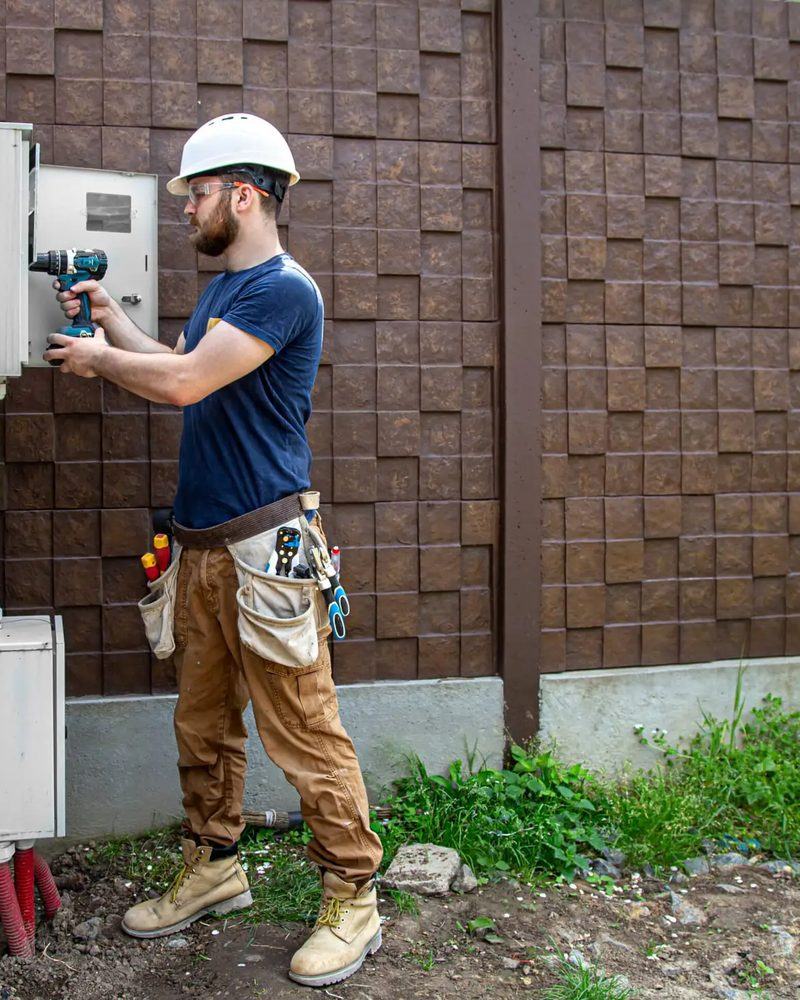
When reviewing a contractor, verify that:
- The business name exactly matches the name on the ROC license.
- The ROC license is active and has the appropriate residential or dual classification.
- The contractor’s phone number and address match the ROC record.
- The contractor has experience with your exact project type.
- The contractor will pull required permits and schedule inspections.
- The contractor carries current general liability insurance.
- The contractor has workers’ compensation coverage if employees will work at your home.
- The estimate includes a clear warranty and change-order process.
- The contractor can provide recent local references for similar Arizona work.
Common Arizona Contractor Licenses
Arizona’s ROC uses general, specialty, residential, commercial, and dual classifications. A general contractor can manage a larger project and subcontract separately licensed specialty work. Specialty contractors perform a defined trade or service.
| License classification | Common project types | What homeowners should know |
|---|---|---|
| B — General Residential Contractor | New residential construction, additions, broad residential repair, and multi-trade projects | Can construct or repair residential structures but must subcontract certain specialty work, including electrical, plumbing, air conditioning, boilers, pools, spas, and water wells, to appropriately licensed contractors. |
| B-3 — General Remodeling and Repair | Interior remodels, renovations, room upgrades, carpentry, and general repair work | Useful for remodeling and repair of existing residential structures; specialty systems still require appropriately licensed trades. |
| B-4 — General Residential Engineering | Residential appurtenances, engineered site work, and related residential construction | Often relevant to specialized structures and appurtenances; confirm the contractor’s exact scope before signing. |
| B-5 — General Swimming Pool | In-ground pools, spas, pool equipment, pool barriers, and pool utility connections | Appropriate for new pools and many substantial pool projects; confirm whether subcontracted electrical, gas, or plumbing work is included. |
| B-6 — General Swimming Pool, Including Solar | Pool and spa work plus solar-heating equipment | Relevant for pool heating systems that incorporate solar components. |
| B-10 — Pre-Manufactured Spas and Hot Tubs | Pre-manufactured spas, hot tubs, safety barriers, and utility connections to equipment | Confirm electrical permit, disconnect, GFCI protection, and barrier requirements before installation. |
| R-11 — Electrical | Residential wiring, panels, circuits, lighting, outlets, generators, and EV charging equipment | Use for residential electrical upgrades and repairs; verify the contractor is licensed for the full electrical scope. |
| R-37 — Plumbing, Including Solar | Water lines, drains, gas piping, fixtures, water heaters, sewer work, and certain solar plumbing | Appropriate for bathroom and kitchen plumbing, water-heater work, pipe repair, and gas-line projects. |
| R-39 — Air Conditioning and Refrigeration, Including Solar | Central air, heat pumps, evaporative cooling, ventilation, heating, refrigeration, and controls | Important for HVAC replacements, ductwork, mini-splits, and cooling-system repairs. |
| R-42 — Roofing | Tile, shingle, metal, and foam roofing, coatings, flashing, roof insulation, and weatherproofing | Use a roofing specialist for roof repair, replacement, coatings, flashing, and monsoon-damage work. |
| R-21 — Hardscaping and Irrigation | Pavers, irrigation, landscape construction, exterior hardscape, and related improvements | Useful for patios, walkways, irrigation systems, and water-wise landscape upgrades. |
| R-9 — Concrete | Concrete flatwork, slabs, driveways, walkways, patios, and related concrete work | Important for driveway replacement, patios, walkways, slabs, and certain foundation-related work. |
| R-61 — Carpentry, Remodeling and Repairs | Carpentry repairs, interior and exterior woodwork, trim, doors, cabinets, and related remodeling | May be appropriate for defined carpentry work that does not involve separately licensed trades. |
| R-62 — Minor Home Improvements | Certain small residential improvements within the classification scope | Verify exact scope and confirm whether the project triggers electrical, plumbing, structural, or permit requirements. |
The classification on the contractor’s ROC license should match the actual work. For example, a roofing license does not automatically authorize a contractor to modify electrical service for solar equipment, and a general remodeler should not perform plumbing or HVAC work outside the licensed scope.
Bonds, Insurance, and Worker Protection
Arizona licensed contractors are generally required to maintain a contractor license bond. Bond amounts depend on license type and anticipated annual work volume. The ROC’s bond schedule lists, for example:
A contractor bond is not the same as insurance. A bond may provide a limited financial remedy in specific circumstances, while general liability insurance is intended to address property damage and liability claims. Ask for both.
Before Work Begins, Request:
- The contractor’s ROC license number and active status
- A certificate of general liability insurance
- Workers’ compensation proof when the contractor has employees
- The contractor’s surety-bond information
- Names and ROC license numbers of major subcontractors
- Written proof that permits will be pulled in the proper contractor’s name
Arizona law generally requires employers to maintain workers’ compensation coverage for employees. Do not assume that workers at your home are independent contractors simply because the company calls them subcontractors.
Arizona Permits and Inspections
Arizona permits are typically issued by the city, town, or county with authority over the property. Incorporated cities and towns administer their own building-permit systems, while county building departments generally serve unincorporated areas.
The correct authority depends on the property address, not simply the postal city. A home with a Phoenix, Scottsdale, Tucson, Mesa, or other metro-area mailing address may be under a different municipal or county jurisdiction.
Projects That Often Need Permits
Permit rules vary by jurisdiction, but expect a permit review for projects involving:
- Room additions, casitas, guest houses, garage conversions, and accessory structures
- Structural wall removal, new beams, foundation work, and framing changes
- Patios, enclosed patios, substantial pergolas, decks, shade structures, and carports
- Pools, spas, pool barriers, pool heaters, pool electrical work, and equipment changes
- Panel upgrades, service changes, generators, solar, battery storage, and EV chargers
- New circuits, major rewiring, kitchen or bathroom electrical changes, and new appliance connections
- HVAC replacements, ductwork, mini-splits, furnace work, ventilation, and evaporative cooling
- Water heaters, gas lines, plumbing alterations, sewer work, and water-service changes
- Roof replacement or substantial roof repair when required locally
- Windows, exterior doors, insulation, and energy upgrades when required locally
- Drainage, grading, retaining walls, irrigation, driveways, sidewalks, fences, and right-of-way work
- Demolition, fire damage repair, floodplain, hillside, and historic-property projects
In Phoenix, all permitted residential jobs require inspections. Phoenix identifies required inspection points before concrete is poured, before framing is concealed, before insulation and drywall are installed, and at final completion.
The Arizona Permit Process
The exact application process varies, but most Arizona home projects follow a similar path.
- Confirm the jurisdiction. Contact the city, town, or county building department for the property address. Ask whether the property is within city limits, an unincorporated county area, an HOA community, a floodplain, a hillside district, or a historic district.
- Define the permit type. The project may need a building, electrical, plumbing, mechanical, roofing, pool, solar, grading, or right-of-way permit, zoning approval, or multiple approvals.
- Prepare plans and documents. Smaller trade permits may need only a basic application and equipment details. Larger projects may need construction drawings, structural calculations, a site or plot plan, an energy-compliance report, truss documents, engineering details, or drainage information.
- Submit the application. Many Arizona jurisdictions accept applications online. Maricopa County accepts electronic building-permit submittals, while Pima County requires electronic submittal for building permits and site-development instruments.
- Respond to plan-review comments. If the plans do not meet applicable codes or local amendments, the jurisdiction will issue corrections to revise and resubmit.
- Pay fees and receive the permit. Keep the approved plans and permit available at the job site.
- Schedule inspections. The contractor usually requests required inspections as the project progresses. Do not cover or conceal regulated work before the inspector approves it.
- Complete final inspections. The project closes after final inspections are approved. Larger projects may also receive a certificate of completion or certificate of occupancy.
How Contractors Handle Permits
For most permitted Arizona projects, the contractor should handle the permit application, plan-review coordination, inspection scheduling, and corrections. This is especially important for roofing, electrical, plumbing, HVAC, pool, solar, structural, and major remodeling projects. Ask every contractor:
- Will you pull the permit in your company’s name?
- Which permits are included in your price?
- Are permit fees included or separate?
- Who prepares plans and handles corrections?
- Who schedules inspections?
- Will I receive copies of the permit, approved plans, inspection results, and final approval?
Be cautious if a contractor asks you to pull a permit because the company cannot obtain one. That can be a warning sign that the contractor lacks the proper license, local registration, insurance, or qualifications.
Want a contractor who handles the permits? Get matched with ROC-licensed pros who pull permits and schedule inspections.
Submit Your ProjectArizona Building Departments
The following links are useful starting points for permits, inspections, code questions, planning requirements, and contractor registration. Always confirm the authority for the specific property address.
| City or county | Building department or permit resource | Notes |
|---|---|---|
| Phoenix | Phoenix Planning and Development Department | Manages residential permits, plan review, code enforcement, and inspections; single-family permitting and inspections are available through SHAPE PHX. |
| Tucson | Tucson Planning and Development Services | Building permits, planning, zoning, inspections, and development services. |
| Mesa | Mesa Building Permits & Plan Review | Building permits, inspections, plan review, and building-safety requirements. |
| Chandler | Chandler Building Safety | Building safety, permits, inspections, planning, and development information. |
| Scottsdale | Scottsdale Permit Services | Permits, planning review, building safety, and inspections. |
| Glendale | Glendale Building Safety | Building safety, planning, permitting, and development resources. |
| Gilbert | Gilbert Codes & Permits | Residential permits, inspections, plan review, and code requirements. |
| Tempe | Tempe Building Safety | Construction permits, inspections, building codes, and contractor requirements. |
| Peoria | Peoria Plan Review and Building Permits | Permit, planning, development, engineering, and inspection resources. |
| Surprise | Surprise Permits & Inspections | Permits, planning, building safety, and inspection information. |
| Avondale | Avondale Building Services | Building and planning resource for Avondale projects. |
| Goodyear | Goodyear Building Safety | Construction permits, inspections, and planning review. |
| Flagstaff | Flagstaff Building Safety | Building permits, inspections, energy requirements, and development standards. |
| Yuma | Yuma Building Safety | Permitting, building safety, planning, and inspection needs. |
| Maricopa County (unincorporated) | Maricopa County Building Permits | For unincorporated Maricopa County properties; electronic submittals are available. |
| Pima County (unincorporated) | Pima County Building & Site Development | Building permits and site-development applications require electronic submittal. |
| Pinal County (unincorporated) | Pinal County Development Services | Confirm whether the home is in an incorporated municipality before using county permitting. |
| Yavapai County (unincorporated) | Yavapai County Permits & Licenses | County permits apply to construction and alterations in unincorporated Yavapai County. |
| Mohave County (unincorporated) | Mohave County Building Division | County planning, zoning, permit, and building-safety information. |
| Coconino County (unincorporated) | Coconino County Building and Safety | Building, planning, environmental, and development services. |
| Yuma County (unincorporated) | Yuma County Building Safety | For unincorporated Yuma County projects. |
Arizona Codes and Amendments
Arizona does not apply one identical residential construction code package in every community. Cities, towns, counties, and fire districts commonly adopt their own code editions and local amendments. For public buildings, Arizona law specifically recognizes the building, plumbing, electrical, fire, and mechanical codes adopted by the local city, town, county, or fire district.
For a home project, the applicable code is determined by the jurisdiction where the property is located, the type of project, and the date the permit application is submitted. Do not assume that a code used in Phoenix is the same edition or amendment package used in Chandler, Buckeye, Tucson, Scottsdale, or an unincorporated county area.
Local Code Amendments to Review
| Jurisdiction | Construction-code resource | Why it matters |
|---|---|---|
| Phoenix | Phoenix Building Construction Codes | Adopted construction-code information and local amendments; review before designing or pricing a Phoenix project. |
| Buckeye | Buckeye Building Safety | Identifies Buckeye’s adopted 2024 code package and local requirements. |
| Chandler | Chandler Amendments to the 2024 International Codes (PDF) | Local changes that may affect structural, energy, fire, mechanical, plumbing, and other requirements. |
| Other jurisdictions | Local building department code page | Always verify the locally adopted edition, amendments, and permit requirements before final plans or construction begin. |
Construction-Code Resources
The table below gives an overview of the major code families that can affect Arizona repairs, remodels, additions, pools, HVAC work, plumbing, roofing, and property maintenance. The local building department remains the final authority for the edition and amendments that apply to a particular project.
| Code | What it covers | Common homeowner projects | Resource |
|---|---|---|---|
| International Building Code | General building construction, structural safety, fire resistance, egress, foundations, and larger building projects | Additions, structural alterations, garages, detached buildings, mixed-use properties, and larger projects | International Building Code |
| International Residential Code | One- and two-family homes, townhouses, framing, roofs, stairs, foundations, decks, and basic residential safety | Home additions, patio covers, structural repairs, decks, roofing, wall changes, and new construction | Confirm the edition and amendments with the local building department |
| International Fire Code | Fire prevention, fire access, fire protection systems, hazardous materials, and life safety | Pool and patio projects, larger additions, multifamily properties, garages, and wildfire-prone areas | International Fire Code |
| International Plumbing Code | Water supply, drain and waste systems, vents, fixtures, water heaters, and backflow prevention | Bathroom and kitchen remodels, water-heater replacement, repiping, sewer repairs, and gas-related plumbing | International Plumbing Code |
| International Mechanical Code | HVAC, ventilation, exhaust, ductwork, equipment installation, and combustion air | AC replacement, heat pumps, mini-splits, ducts, ventilation fans, range hoods, and garage cooling | International Mechanical Code |
| International Property Maintenance Code | Minimum standards for safe existing buildings, sanitation, exterior maintenance, and weather protection | Roof deterioration, unsafe decks, damaged stairs, water intrusion, broken windows, and rental maintenance | International Property Maintenance Code |
| Electrical code | Wiring, service equipment, panels, grounding, GFCI and AFCI protection, circuits, generators, solar, and EV charging | Panel upgrades, new circuits, kitchen and bath remodels, EV chargers, solar, batteries, generators, and pool equipment | Confirm local adoption and amendments with the local building department |
| Energy code | Insulation, windows, doors, ducts, HVAC efficiency, air sealing, lighting, and energy performance | Window replacement, insulation, HVAC replacement, additions, and high-performance remodels | Confirm local adoption and amendments with the local building department |
| Swimming-pool and barrier requirements | Pool safety barriers, gates, alarms, circulation systems, electrical bonding, and equipment | New pools, spas, hot tubs, pool renovations, heaters, barriers, and equipment upgrades | Confirm with the local building department and applicable fire or zoning department |
| Local zoning and drainage code | Setbacks, lot coverage, building height, accessory structures, fences, grading, drainage, and driveways | Casitas, garages, patio covers, sheds, pergolas, pools, retaining walls, irrigation, and hardscape | Contact the local planning, zoning, engineering, or building department |
Arizona Utility Coordination
Many Arizona projects require coordination with electric, gas, water, sewer, telecommunications, or cable providers. This is especially important when a project changes electrical load, service equipment, gas piping, water service, meters, underground lines, drainage, or access to utility easements.
The contractor usually handles utility coordination for work within the project scope, but confirm this in writing. Utility work can add lead time, design requirements, inspections, connection fees, trenching standards, equipment requirements, and scheduling dependencies.

When Utility Coordination Is Needed
Contact the applicable utility early when a project involves:
- Service upgrades, larger panels, meter-main replacements, new service entrances, or new underground service
- Solar, battery storage, EV chargers, generators, or other changes to electrical load or interconnection
- New homes, additions, casitas, detached garages, accessory dwelling units, and major remodels
- Pools and spas that need electrical service, gas service, or new water connections
- New or relocated gas meters, gas lines, furnaces, water heaters, pool heaters, fireplaces, outdoor kitchens, or generators
- Water-service upgrades, irrigation meters, sewer connections, septic systems, or water-main work
- Excavation for pools, patios, driveways, retaining walls, irrigation, fencing, landscaping, drainage, or foundations
- Utility-pole relocations, overhead-line clearance issues, or work near utility easements
- Temporary construction power for major projects
Before digging: Arizona law requires homeowners and contractors to contact Arizona 811 at least two business days in advance so participating utilities can mark underground lines. The service is free, and work should not begin until utility responses are complete and lines are marked.
Major Arizona Utilities
| Utility or service | Typical service areas | Project coordination needs | Resource |
|---|---|---|---|
| Arizona Public Service (APS) | Much of central and northern Arizona, including areas of metro Phoenix | New service, service upgrades, meter changes, panel upgrades, solar, batteries, EV chargers, relocations, and construction power | APS Construction Services |
| Salt River Project (SRP) | Parts of metro Phoenix, particularly many East Valley communities | New or upgraded electric and water service, temporary power, service modifications, and development coordination | SRP Construction Services |
| Tucson Electric Power (TEP) | Tucson and surrounding southern Arizona | New electric service, upgrades, service relocation, facility removal, panel coordination, and construction projects | TEP Construction Applications |
| UniSource Energy Services | Portions of northern and southeastern Arizona | Electric and gas service coordination, new construction, service changes, and utility requirements | UniSource Construction Services |
| Southwest Gas | Major communities, including much of metro Phoenix and Tucson | Gas availability, new facilities, meter changes, service extensions, and gas lines for appliances, pool heaters, fireplaces, and generators | Southwest Gas for Builders & Contractors |
| Local water and wastewater utility | Varies by city, town, county, or water district | Water-service changes, sewer connections, irrigation meters, backflow devices, meter relocation, and easement work | Check the applicable city or water district utility department |
| Arizona 811 | Statewide | Required notification before excavation near underground utilities | Arizona 811 |
Utility Coordination Checklist
Before approving a contractor’s proposal, ask:
- Does this project require utility approval, a new service, a load calculation, or a meter change?
- Is utility coordination included in the contract price?
- Who prepares and submits utility applications?
- Are utility design, trenching, conduit, transformer, meter, or connection costs included?
- Does the utility require a city or county inspection before energizing service?
- Does the project need temporary construction power?
- Will the utility need to inspect, relocate, or remove equipment before work begins?
- Has Arizona 811 been contacted before excavation?
For SRP projects, new or upgraded power and water facilities are submitted, reviewed, and managed through the SRP Construction Project Plan Portal. APS provides a Construction Project Portal for requesting projects, uploading documents, and tracking status. TEP’s new-service process includes application, design, service-panel and civil work, and TEP construction.
Common Arizona Repairs
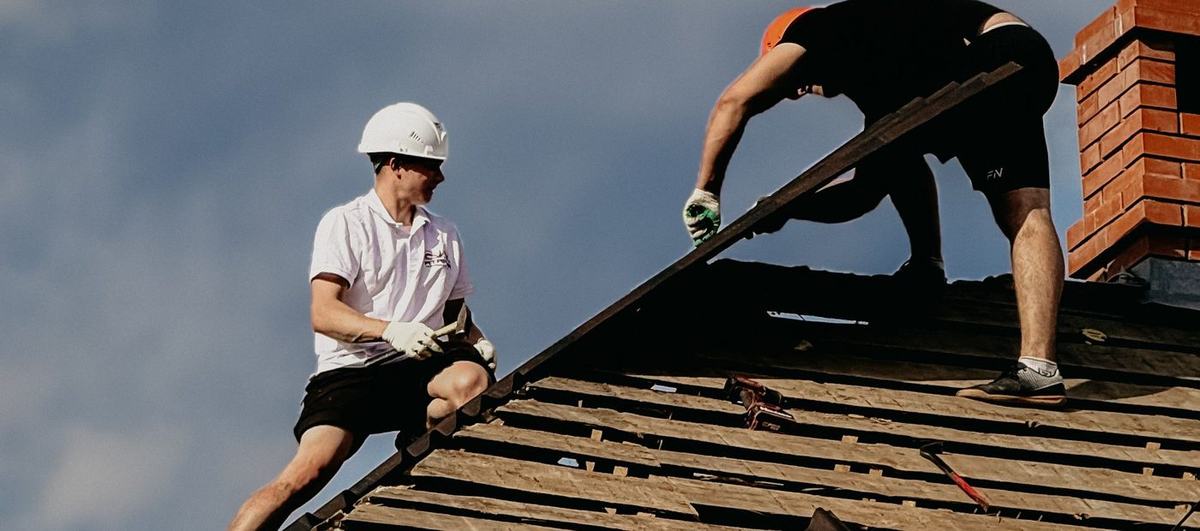
Arizona’s climate and soil conditions create repair needs that differ from many other parts of the country. Extreme heat, high UV exposure, monsoon winds, dust, flash flooding, hard water, dry air, expansive soils, pests, and wide temperature swings can affect roofs, HVAC systems, plumbing, exterior finishes, foundations, landscaping, and electrical equipment.
| Home issue | Why it is common | Typical repair or upgrade |
|---|---|---|
| Roof tile, underlayment, and flashing damage | Strong UV exposure degrades roof materials, while monsoon winds can lift flashing or tiles and drive water into vulnerable areas | Roof inspection, tile repair, underlayment replacement, flashing repair, roof coating, ventilation improvements, and storm-damage repair |
| Air-conditioning strain | The extended cooling season and extreme summer heat place sustained demand on AC equipment and ducts | HVAC maintenance, condenser replacement, high-efficiency heat pump, duct sealing, insulation, smart thermostat, zoning, and shade |
| Irrigation failure | Heat, sun exposure, hard water, and soil movement can damage drip lines, sprinkler heads, valves, emitters, and timers | Irrigation repair, smart controls, drip conversion, pressure regulation, leak repair, and water-wise landscape planning |
| Hard-water plumbing damage | Mineral-rich water contributes to scale buildup in fixtures, water heaters, appliances, and plumbing components | Water-heater flushes, fixture replacement, water conditioning, filtration, plumbing repair, and preventive maintenance |
| Stucco cracks and paint fading | Desert sun fades finishes, while thermal movement and monsoon moisture can enlarge hairline stucco cracks | Stucco repair, elastomeric coatings, exterior painting, waterproofing, caulking, and flashing repairs |
| Foundation or slab movement | Expansive soils swell when wet and shrink when dry, contributing to settlement cracks and movement | Drainage correction, foundation evaluation, crack monitoring, slab repair, grading, and engineered repairs when needed |
| Pest and rodent damage | Roof rats, pack rats, insects, and other pests can damage wiring, ducts, insulation, roof areas, and exterior components | Exclusion work, entry-point sealing, pest control, wiring repair, attic cleanup, and vegetation management |
| Monsoon drainage problems | Intense rain can overwhelm poor grading, clogged gutters, undersized drains, and improperly sloped hardscape | Grading, swales, downspout extensions, drainage basins, gutter improvements, roof drainage repair, and site drainage planning |
| Window and door heat gain | Older windows, poor weatherstripping, and insufficient shading increase heat gain and cooling costs | Low-E windows, shade screens, exterior shading, weatherstripping, solar screens, and insulated doors |
| Exterior concrete cracking | Extreme heat, soil movement, poor drainage, and thermal expansion affect patios, driveways, walkways, and slabs | Crack repair, resurfacing, expansion-joint repair, drainage correction, and concrete replacement |
Need a roof, AC, or monsoon repair? Connect with vetted Arizona contractors who know desert conditions.
Get MatchedPopular Arizona Upgrades
Arizona homeowners often prioritize comfort, energy performance, resilience, and usable outdoor space. The most practical upgrades usually reduce cooling demand, protect the home from heat and monsoon damage, improve water efficiency, and update high-use living areas.
HVAC and Energy Upgrades
High-efficiency air conditioning and heat pumps, duct sealing, attic insulation, air sealing, low-E windows, solar screens, smart thermostats, and solar-energy systems can improve comfort during Arizona’s long cooling season.
For solar, battery storage, EV chargers, and panel upgrades, involve an appropriately licensed electrical contractor early. The contractor may need to coordinate with APS, SRP, TEP, UniSource, or the relevant local utility before installation or energization.
Kitchen and Bathroom Remodeling
Kitchen updates commonly include cabinet refacing or replacement, quartz or stone countertops, lighting upgrades, new appliances, ventilation improvements, and flooring changes. Bathroom projects frequently include walk-in showers, updated tile, modern fixtures, improved ventilation, water-saving fixtures, and dual-vanity layouts.
These projects often require plumbing, electrical, mechanical, and building permits when systems are moved or altered. Confirm whether the contractor is using properly licensed R-11 electrical, R-37 plumbing, and R-39 mechanical subcontractors when those trades are involved.
Outdoor Living and Water-Wise Landscaping
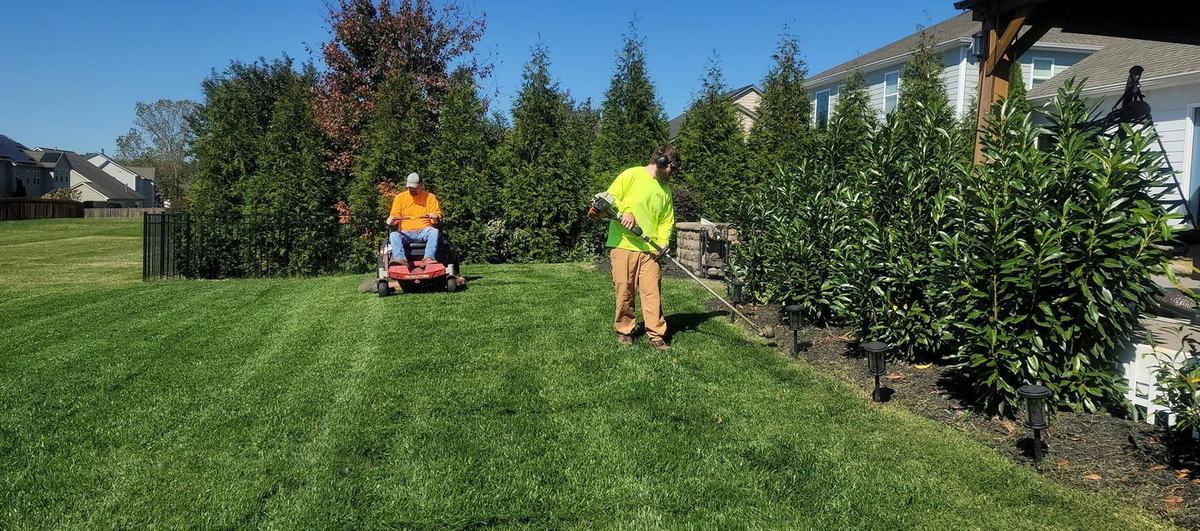
Arizona outdoor projects often include shade structures, covered patios, pergolas, pavers, outdoor kitchens, pool upgrades, misting systems, artificial turf, xeriscaping, drip irrigation, and low-water plantings.
These projects may require zoning review, HOA approval, drainage planning, setback checks, electrical permits, gas permits, pool-barrier compliance, or Arizona 811 utility locates before excavation.
Roofing and Exterior Upgrades
Roofing, underlayment, coatings, stucco repair, exterior painting, energy-efficient windows, exterior and patio doors, shade screens, and weatherproofing upgrades can help Arizona homes withstand heat, wind, and monsoon rain.
For roofing projects, use a licensed R-42 roofing contractor and ask whether the scope includes damaged plywood, flashing, vents, underlayment, tile replacement, debris removal, and permit handling if required.
Arizona Solar Projects
Arizona’s high solar exposure and long cooling season make rooftop solar a common upgrade. Most projects move through three approvals: a local permit, required inspections, and utility interconnection approval before the system can operate on the grid.
What Most Rooftop Systems Need
- Building permit: Confirms the roof structure and mounting design can safely support the system.
- Electrical permit: Covers wiring, disconnects, grounding, overcurrent protection, labeling, and service-equipment connections.
- Utility interconnection: Required before a grid-connected system is energized or exports power.
- Extra review when needed: Battery storage, panel upgrades, ground-mounted arrays, solar carports, and historic, floodplain, or hillside properties.
Faster Permitting With SolarAPP+
Arizona law requires local governments to offer instant permitting for qualifying residential solar systems, including paired battery storage, main-panel upgrades, and main-breaker derates, with jurisdictions required to adopt the process by January 1, 2026, where they can process these applications instantly. Many use SolarAPP+, an automated platform that checks eligible designs against code.
Straightforward rooftop systems on a permitted primary home usually qualify. Ballasted or ground-mounted systems, complex electrical upgrades, and homes in floodplain, hillside, or historic areas typically go through standard plan review instead. Either way, SolarAPP+ does not replace inspections or utility approval.
| Jurisdiction | Solar permit resource | Key details |
|---|---|---|
| Phoenix | Phoenix SolarAPP / Photovoltaic Projects | Accepts SolarAPP+ designs through the city portal. Phoenix Fire requires a separate permit for PV and battery systems. |
| Unincorporated Maricopa County | Maricopa County Go Solar | Roof-mounted PV is a minor electrical permit, eligible for SolarAPP+. Listed fee: $300 including review and inspection. |
| Tucson | Tucson Residential Permits | Express Lane offers same-day service for qualifying SolarAPP+ applications outside preservation zones. |
| Unincorporated Pima County | Pima County Solar One Stop | SolarAPP+ for eligible rooftop systems on main dwellings. Listed fee: $94. |
| Other cities and counties | Local building department | Ask whether the jurisdiction uses SolarAPP+, another automated process, or standard plan review. |
How a Solar Project Moves Forward
- Evaluate and design. The installer reviews roof condition, shading, structure, and electrical capacity, then prepares the layout and electrical diagrams.
- Get the local permit. Through SolarAPP+ or standard plan review, depending on eligibility.
- Apply for interconnection. The installer applies to APS, SRP, TEP, UniSource, or the serving utility. Some utilities review before installation; others need permit or inspection documents first.
- Install and inspect. The local building department inspects the completed system.
- Receive permission to operate. The utility authorizes grid connection only after its approvals are complete.
A building permit does not authorize a system to connect to the grid. Do not assume a finished installation is ready to operate until the utility gives final approval.
Before You Sign a Solar Agreement
- The ROC license covers photovoltaic and electrical work, or properly licensed subcontractors will perform it.
- The roof has been assessed, and you know who handles roof repairs now and panel removal if the roof needs work later.
- The price includes permits, inspections, interconnection, electrical upgrades, and final commissioning.
- You know whether a battery, panel upgrade, or main-breaker derate is included, and which circuits will have backup power during an outage.
- You understand whether the deal is a cash purchase, loan, lease, or power-purchase agreement.
- You know who submits the utility interconnection application and in whose name.
Arizona Homeowner FAQ
Do I need a licensed contractor in Arizona?
Usually, yes. Arizona requires a contractor license when the total project cost exceeds $1,000, including labor and materials, or when a local permit is required regardless of project cost.
Can a handyman work on my Arizona home without a contractor license?
Only for qualifying minor work under $1,000 in total that does not require a permit. A handyman cannot divide one larger project into multiple smaller invoices to avoid Arizona’s licensing requirement.
How do I verify an Arizona contractor license?
Use the Arizona Registrar of Contractors license search. Confirm that the license is active, that the contractor’s legal business name matches the license record, and that the classification covers the work you need. The ROC advises calling the phone number listed on the license record to make sure the person negotiating the job is an authorized company representative.
What Arizona contractor license should I look for?
It depends on the project. Common examples include B or B-3 for general residential construction or remodeling, R-11 for residential electrical work, R-37 for plumbing, R-39 for HVAC, R-42 for roofing, R-21 for hardscaping and irrigation, R-9 for concrete, and B-5 or B-6 for pools and spas.
Does an Arizona contractor need insurance and a bond?
Licensed Arizona contractors generally need an ROC-required contractor license bond, with amounts based on classification and anticipated annual work volume. Ask for current general liability insurance and workers’ compensation information as well. A bond is not a substitute for liability insurance.
Do Arizona home projects need permits?
Many do. Projects involving structural work, additions, electrical upgrades, plumbing changes, HVAC replacement, solar, pools, gas lines, grading, drainage, decks, patio covers, major roofing work, or accessory structures often require permits. Requirements vary by city, town, or county.
Who should pull the permit for an Arizona remodel?
For most permitted work, the licensed contractor should pull the permit in the contractor’s name, submit plans, coordinate corrections, schedule inspections, and provide you with copies of final approvals. Be cautious if a contractor asks you to pull a permit because the contractor cannot obtain one.
What inspections are required for Arizona construction projects?
Inspection needs depend on the scope. Common inspections include footing and foundation, underground plumbing and electrical, framing, rough electrical, rough plumbing, rough mechanical, insulation, drywall or fire separation, and final building and trade inspections. Phoenix requires inspections for all permitted residential work.
Does Arizona have one statewide building code?
No. Arizona building-code requirements are largely adopted and enforced locally by cities, towns, counties, and fire districts. A jurisdiction may adopt a specific code edition and add local amendments. Review the code information for your jurisdiction before finalizing plans.
Do I need to call Arizona 811 before digging?
Yes. Before excavation for a pool, fence, irrigation system, patio footing, retaining wall, landscaping, drainage project, driveway, utility trench, or similar work, contact Arizona 811 at least two business days in advance. Wait until utilities have responded and marked underground lines before digging.
When should I coordinate with APS, SRP, TEP, or Southwest Gas?
Coordinate with the applicable utility when the project includes a new or upgraded electrical service, meter work, panel upgrade, solar, battery, EV charger, generator, gas-line work, new gas appliances, pool heater, new construction, major addition, service relocation, or temporary construction power.
What are the most common Arizona home repairs?
Common Arizona repairs include roof and underlayment damage, air-conditioning strain, duct leaks, irrigation failures, hard-water plumbing issues, stucco cracks, faded exterior paint, drainage problems, slab or foundation cracking, pest damage, damaged weatherstripping, and worn concrete surfaces.
What should I include in an Arizona contractor agreement?
Your written agreement should identify the exact scope of work, material allowances and brands, total price, deposit and payment schedule, start and completion expectations, permit and inspection responsibility, warranty terms, change-order process, cleanup expectations, subcontractor responsibilities, and the contractor’s ROC license number.
Start Your Arizona Project
The right Arizona contractor holds the correct ROC classification for your project, carries a bond and insurance, handles permits and utility coordination, and understands how heat, monsoons, hard water, and desert soils affect the work.
Submit your project details on My Licensed Contractor to get matched with vetted local pros for repairs, remodeling, and upgrades across Arizona.
Submit Your Arizona ProjectThis guide is general information, not legal advice. Rules change and vary by municipality, so confirm requirements with your local building department before starting work.