
California Home Repairs, Remodeling & Contractor Hiring Guide
Hiring a contractor in California involves more than comparing estimates. Depending on the project and location, you may need to consider licensing, permits, inspections, local rules, energy standards, wildfire conditions, HOA approval, or zoning requirements.
This guide explains how to verify a contractor, review a home-improvement contract, plan for permits and inspections, and avoid common issues before work begins.
Verify the License
Check every contractor through the CSLB before you sign or pay a deposit.
Get It in Writing
Written contracts are generally required for projects over $500.
Plan for Permits
Your city or county building department sets the local permit and inspection process.
California Projects Need Careful Planning
California uses a statewide code system, but your city or county building department still plays a major role in issuing permits, reviewing plans, performing inspections, and enforcing local requirements.
For many projects, homeowners may need to account for:
- Contractor licensing and proper license classification
- City or county permit requirements
- Plan review and inspections
- California Building Standards Code requirements, commonly called Title 24
- Energy-efficiency and CALGreen requirements
- Wildfire-zone or fire-hardening requirements
- Earthquake and structural safety considerations
- Coastal, hillside, floodplain, or historic-district restrictions
- HOA or condominium-association approval
- Utility requirements for solar, battery storage, EV chargers, or electrical upgrades
- Drainage, grading, retaining-wall, and stormwater requirements
- Accessibility requirements for certain multi-family or commercial projects
- Property-line, setback, zoning, and ADU rules
The 2025 California Building Standards Code is the statewide baseline currently in effect. It took effect on January 1, 2026, and applies to work permitted under the current code cycle. Cities and counties can adopt local amendments, so always confirm requirements with the building department where the property is located.
Start With Your Property
Before requesting estimates, identify the property conditions that could affect cost, design, permitting, or contractor selection. California homes range from older urban houses and hillside properties to coastal condos, wildfire-zone homes, suburban tract homes, rental properties, and rural properties with wells, septic systems, or detached structures.
| Property or project factor | Why it matters in California |
|---|---|
| Wildfire-prone location | Roofing, vents, siding, decks, windows, landscaping, defensible space, and exterior materials may face added fire-safety requirements. |
| Coastal location | Projects may be affected by coastal development rules, salt-air corrosion, drainage, erosion, environmental review, or local design requirements. |
| Hillside property | Retaining walls, grading, foundation work, drainage, slope stability, access, and geotechnical review may be needed. |
| Floodplain or drainage concerns | Additions, grading, drainage changes, mechanical equipment, electrical equipment, and enclosures can be subject to local floodplain rules. |
| Older home | Outdated electrical wiring, old plumbing, asbestos-containing materials, lead-based paint, structural issues, and unpermitted work may affect the scope. |
| ADU or garage conversion | Zoning, setbacks, utilities, fire safety, parking, plan review, and local ADU requirements can affect the project. |
| Condominium or HOA property | Associations may control exterior changes, roofing, paint, fencing, landscaping, solar, generators, windows, doors, and equipment placement. |
| Pool, spa, or outdoor structure | Safety barriers, gates, alarms, electrical bonding, drainage, setbacks, permits, and inspections may apply. |
| Historic property or district | Exterior changes, windows, doors, additions, roofing, demolition, and design choices may require additional review. |
| Rental or multi-family property | Fire, occupancy, accessibility, tenant-protection, and additional life-safety rules may apply. |
A qualified contractor should look beyond the visible work. They should identify permit needs, existing conditions, code requirements, access issues, drainage concerns, structural questions, and other factors that could affect the final price or schedule.
California Contractors Must Be Licensed
California generally requires a valid contractor license for construction, alteration, home-improvement, or repair work when the combined value of labor and materials is $1,000 or more. A license is also generally required when the work requires a building permit, regardless of the project value.
Contractor licensing is administered by the California Contractors State License Board, commonly called the CSLB.
Licensed contractors are required to maintain a contractor bond, but a bond is not the same as general liability insurance. Ask the contractor for proof of general liability insurance and confirm workers’ compensation coverage when the contractor has employees. The CSLB license lookup can also help homeowners review the contractor’s licensing bond and workers’ compensation information.
Verify the License Before Signing
Before you sign a contract or pay a deposit, verify the contractor through the CSLB. Do not rely only on a truck decal, business card, online profile, or a license number printed on an estimate.
Use the CSLB’s license lookup tool to confirm that the license is active, the legal business name matches the contract, the contractor holds the appropriate classification for the work, and the available bond, workers’ compensation, and disciplinary information does not raise concerns.
A valid license number is not enough by itself. The contractor should also hold the right classification for the work. Electrical contractors, plumbers, HVAC companies, roofers, landscapers, solar installers, and general contractors may hold different license classifications depending on the project.
For example, a contractor may be properly licensed for general building work but not be the right choice for specialized electrical, plumbing, roofing, HVAC, or solar work without the correct classification or subcontracting arrangement.
Get Clear Written Estimates
For a major repair, remodel, addition, outdoor improvement, or equipment installation, compare written estimates rather than relying on a verbal price.

A good estimate should make it easy to compare contractors on more than the total cost. It should explain:
- The scope of work
- Materials, brands, models, colors, and allowances
- Labor included in the price
- Demolition, disposal, cleanup, and site protection
- Permit and inspection responsibility
- Known exclusions
- Estimated start and completion dates
- Warranty details
- Payment schedule
- Who will complete the work, including subcontractors
- Conditions that could create additional charges
The lowest bid is not always the best value. A lower quote may leave out permits, cleanup, quality materials, warranty coverage, insurance, project management, or work another contractor included. Compare the scope line by line before making a decision.
California Home-Improvement Contract Rules
California generally requires a written home-improvement contract for projects with a combined labor-and-materials cost of more than $500. The contract and any changes to it should be written, legible, and easy to understand. Review the CSLB’s home-improvement contract guidance before signing.
A clear written contract is one of the best protections a homeowner has.
Your contract should include:
- Contractor name, business address, phone number, email address, and license number
- Property address
- Detailed description of the work
- Materials, equipment, brands, models, and allowances
- Total contract price
- Deposit amount
- Payment schedule
- Estimated start and completion dates
- Permit and inspection responsibilities
- Subcontractor responsibilities
- Warranty terms
- Change-order process
- Cleanup and debris-removal responsibilities
- Required notices and cancellation information
Down Payments and Progress Payments
For many home-improvement contracts, the down payment cannot exceed $1,000 or 10% of the total contract price, whichever is less, unless a specific legal exception applies. After the deposit, payments should be connected to work, materials, or equipment identified in the contract.
The payment schedule should use exact dollar amounts rather than vague language such as “pay as work progresses.”
Good payment practices include:
- Avoid paying the full project price upfront
- Use traceable payment methods
- Tie progress payments to completed project milestones
- Keep copies of invoices, receipts, and payment confirmations
- Do not make final payment until the agreed work is substantially complete and required inspections have passed
- Ask for documentation or lien releases when appropriate, especially on larger projects with subcontractors and suppliers
Put Changes in Writing
Unexpected conditions can come up on almost any project. A contractor may find damaged framing, outdated wiring, plumbing problems, termite damage, drainage issues, permit requirements, or material shortages that affect the work.
If the scope, price, materials, or schedule changes, get a written change order before the additional work begins. The change order should explain what is changing, why it is necessary, the added or reduced cost, and any effect on the project schedule or payment plan.
California requires home-improvement contract changes to be written and signed by both the homeowner and contractor. Do not rely on a casual verbal conversation, text message, or promise that the final bill will be figured out later.
Understand Cancellation Rights
Many eligible home-improvement contracts signed at the homeowner’s residence include a three-business-day right to cancel. California provides longer cancellation periods in some situations, including five days when the contracting homeowner is age 65 or older and seven days for certain contracts related to damage from a declared disaster.
There are exceptions, including certain emergency service-and-repair situations where the homeowner requests immediate work and the contractor begins service right away. Read the cancellation notice in the contract carefully. If you choose to cancel, follow the written instructions and keep proof that you sent the cancellation notice. The CSLB explains these rules in its home-improvement contract warnings and exceptions.
Permits, Inspections, and Owner-Builder Concerns
Permits help make sure work is reviewed for safety, structural integrity, energy performance, plumbing, electrical, mechanical, fire, and other requirements. Depending on the project, your local building department may require plans, calculations, product documentation, inspections, or approvals from other agencies.
Projects that commonly require permits include:
- Additions and structural remodels
- ADUs and garage conversions
- Electrical panel upgrades, rewiring, and EV chargers
- HVAC replacement and major ductwork
- Water heater replacement, gas piping, sewer-line work, and major plumbing changes
- Solar and battery storage
- Roof replacement or structural roof repairs
- Windows and exterior-door replacements in some jurisdictions
- Decks, patios, retaining walls, fences, pools, spas, and outdoor structures
- Major landscaping, grading, drainage, or hardscaping work
Be Careful With Owner-Builder Permits
Be cautious if a contractor asks you to pull an owner-builder permit while they manage and perform the work.
An owner-builder permit can place significant responsibilities on the homeowner. Depending on the project and jurisdiction, it may make you responsible for permit compliance, inspections, jobsite safety, workers, taxes, and other obligations that would normally be handled by a licensed contractor.
Before agreeing, ask:
- Why is the contractor not pulling the permit?
- Who will be listed on the permit?
- Who will supervise the work?
- Who is responsible if the project fails inspection?
- Who is responsible for workers on the property?
- Will the contractor provide a written contract and proof of insurance?
- Will the work be completed under the contractor’s license?

Your city or county building department can explain the local permit process and help clarify whether the contractor or homeowner should be listed as the permit applicant.
California Permit Resources
The local building department is the best place to confirm whether a project needs a permit, whether plans are required, what inspections will take place, and whether the contractor needs local registration.
California Building Codes at a Glance
California’s statewide building-code system is commonly called Title 24, or the California Building Standards Code. It covers a wide range of structural, plumbing, electrical, mechanical, fire, energy, and green-building requirements.
The 2025 California Building Standards Code took effect on January 1, 2026. Local governments enforce the statewide code and may adopt additional requirements based on local conditions. Review the California Building Standards Commission’s code resources for current statewide information.
| California code | Typical homeowner projects covered | Resource |
|---|---|---|
| California Building Code | Major construction, additions, structural alterations, accessibility, and general building safety | View the California Building Code |
| California Residential Code | Single-family homes, duplexes, townhomes, additions, decks, stairs, structural repairs, and many residential remodels | View the California Residential Code |
| California Electrical Code | Electrical repairs, panel upgrades, rewiring, outlets, lighting, EV chargers, generators, and solar-related electrical work | View the California Electrical Code |
| California Mechanical Code | HVAC replacement, furnaces, air conditioners, heat pumps, ventilation, ductwork, exhaust systems, and mechanical equipment | View the California Mechanical Code |
| California Plumbing Code | Water heaters, water lines, drains, sewer connections, kitchens, bathrooms, fixtures, gas piping, and plumbing repairs | View the California Plumbing Code |
| California Energy Code | Windows, insulation, HVAC equipment, lighting, solar, battery storage, heat pumps, and other efficiency improvements | View the California Energy Code |
| California Green Building Standards Code (CALGreen) | Water efficiency, indoor air quality, construction waste, electric-ready features, and other green-building requirements | View CALGreen |
| California Fire Code | Fire safety, smoke and carbon monoxide alarms, fire sprinklers, access, defensible space, and some renovation requirements | View the California Fire Code |
| California Existing Building Code | Repairs, alterations, additions, and changes to existing homes and buildings | View the California Existing Building Code |
| California Historical Building Code | Repairs and alterations to designated historic homes and buildings | View the California Historical Building Code |
Building codes are technical documents. Homeowners do not need to become code experts before hiring a contractor, but knowing which code areas may apply can help you ask better questions about permits, inspections, safety, energy performance, and project scope.
Understand Mechanics Liens and Preliminary Notices
For larger projects, such as remodeling, roofing, flooring, solar, ADU construction, foundation work, additions, or multi-trade renovations, homeowners should understand how mechanics liens work.
A subcontractor or material supplier may send you a Preliminary Notice. A Preliminary Notice is not a mechanics lien. It is a notice that the sender has provided, or expects to provide, labor, services, equipment, or materials for the project and may have lien rights if they are not paid.
Save every notice you receive. Keep a record of who is working on the project, what payments have been made, and which suppliers are involved. The CSLB offers a helpful guide to preventing mechanics liens that explains steps homeowners can take during construction.
Good practices include:
- Ask the contractor who will be working on the project
- Keep copies of all contracts, invoices, notices, permits, and payment records
- Use traceable payment methods
- Ask whether subcontractors and suppliers have been paid before making later payments
- Request appropriate lien releases as payments are made
- Do not make final payment until the project is complete and payment obligations are clear
California Projects With Extra Rules
Statewide contractor and contract rules are only part of the picture. Some projects involve additional permit, inspection, design, energy, zoning, or environmental requirements.
- ADUs and garage conversions: These can involve zoning, setbacks, utility connections, fire safety, plan review, parking rules, and local ADU standards.
- Solar and battery storage: Projects may require electrical permits, utility coordination, structural review, equipment documentation, and local approval.
- Electrical-panel upgrades, EV chargers, and generators: These commonly require electrical permits and may involve service upgrades, load calculations, trenching, utility coordination, or inspections.
- HVAC replacement: Heating and cooling work may require mechanical permits, energy-code compliance, duct testing, equipment sizing, condensate planning, and inspections.
- Roofing and exterior work: Local requirements may address reroofing, structural conditions, drainage, fire-resistant materials, and wildfire-zone rules.
- Fire-prone locations: Homes in wildfire-risk areas may face stricter requirements for roofing, vents, decks, siding, windows, defensible space, and exterior materials.
- Coastal, hillside, historic, or flood-prone homes: These properties may need additional review before construction begins.
- Pools, spas, fences, and outdoor structures: Projects may involve safety barriers, electrical bonding, drainage, setbacks, inspections, and permits.
- Landscaping and hardscaping: Larger projects may involve grading, drainage, retaining walls, irrigation, tree removal, stormwater control, or water-efficiency requirements.
For project-specific answers, contact the building department where the property is located before work begins. Local agencies can explain permit requirements, plans, inspections, zoning, setbacks, grading, and other rules that may apply to your property.
Common California Remodeling and Upgrade Ideas
California homeowners often plan projects that improve space, comfort, energy performance, resilience, or long-term property value. The right project depends on your property, location, budget, and local requirements.
ADUs and Garage Conversions
ADUs, backyard cottages, and garage conversions can create space for family members, guests, rental income, or a home office. These projects can also be complex. Before hiring a contractor, ask about zoning, setbacks, utility connections, parking, fire safety, permits, structural requirements, and local ADU rules.

Kitchen and Bathroom Remodeling
Kitchen and bathroom projects may involve plumbing, electrical work, ventilation, waterproofing, cabinets, fixtures, flooring, lighting, appliances, and structural changes. Ask the contractor how they will handle permits, plumbing and electrical inspections, material allowances, and any hidden conditions found after demolition.
Indoor-Outdoor Improvements
California’s climate makes patios, outdoor kitchens, shade structures, pools, decks, landscaping, hardscaping, and sliding-door upgrades popular. These projects can involve setbacks, drainage, grading, electrical work, gas lines, pool-safety requirements, and local zoning rules.
Energy-Efficiency and Electrification Upgrades
Energy-related projects may include solar panels, battery storage, heat pumps, insulation, energy-efficient windows, electric water heaters, EV chargers, panel upgrades, smart thermostats, and improved ventilation. These upgrades can improve comfort and reduce energy use, but they may also trigger permit, electrical, mechanical, or Title 24 requirements.
Fire-Resistant Exterior Improvements
In wildfire-prone areas, homeowners may consider fire-resistant roofing, ember-resistant vents, noncombustible siding, upgraded windows, defensible-space landscaping, and fire-resistant deck materials. Ask the contractor whether the proposed materials are appropriate for your local fire-risk conditions and whether permits or product approvals are needed.
California Solar Projects
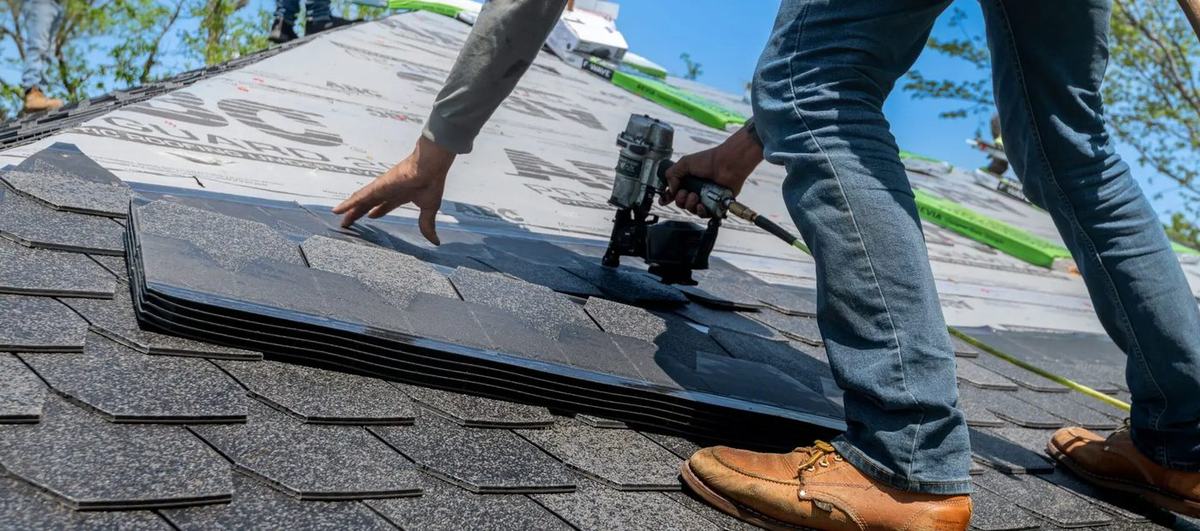
Rooftop solar is one of the most common upgrades California homeowners consider. The city or county where the home is located issues the permit, and California law requires local governments to offer an expedited permitting process for eligible small residential rooftop systems. Many jurisdictions now use online or automated tools such as SolarAPP+. Systems that don’t qualify for automation still go through the local expedited or standard plan-review process.
How a Solar Project Moves Forward
- Site assessment and design. The contractor evaluates the roof, shading, structure, main electrical panel, and electrical load, then prepares the site plan, roof layout, attachment details, equipment specs, and electrical diagrams.
- Local permit application. Most rooftop systems need at least building and electrical approval. Battery storage, main-panel upgrades, roof work, ground mounts, carports, and historic or hillside homes may trigger additional review.
- Automated or expedited review. Standard residential designs may qualify for SolarAPP+, which checks the design against code automatically.
- Utility interconnection. For a grid-connected system, the contractor applies to the utility, such as PG&E, Southern California Edison, SDG&E, Liberty, PacifiCorp, or Bear Valley Electric Service. This review is separate from the local permit.
- Installation and inspection. After installation, the building department inspects roof attachments, clearances, wiring, grounding, disconnects, panel connections, labeling, and smoke and carbon-monoxide alarms when applicable.
- Permission to Operate. Once the final inspection and required documents are complete, the utility authorizes the system to run.
A grid-tied system should not be turned on for normal operation until the utility issues Permission to Operate (PTO), even if the installation is finished and has passed inspection.
Expect the installer to prepare and submit most permit and utility paperwork, and confirm that responsibility in the signed contract. In PG&E, SCE, and SDG&E territories, the solar provider must also collect your signed California Solar Consumer Protection Guide, the installation contract, and the CSLB Solar Energy System Disclosure Document as part of interconnection.
Who Can Install Solar
The California Public Utilities Commission advises homeowners to use a valid CSLB-licensed solar provider and installer. Three license classifications cover most residential solar work, depending on the scope.
| License | What it covers | Best fit |
|---|---|---|
| C-46 Solar Contractor | Installs, modifies, maintains, and repairs thermal and photovoltaic solar systems | Rooftop solar and solar-plus-storage projects within the C-46 scope |
| C-10 Electrical Contractor | Electrical work, including solar systems that generate or use electrical energy | Main-panel upgrades, service modifications, batteries, EV chargers, and standalone storage |
| B General Building Contractor | Oversees multi-trade projects, with specialty work done within legal scope or by licensed subcontractors | Roof-and-solar projects, additions, structural changes, and whole-home upgrades |
Don’t assume the salesperson, marketing company, or financing company is the licensed installer. Before signing, confirm:
- The legal company named in the contract and its CSLB license number and classifications.
- The name and license number of the company that will actually install the system.
- Whether subcontractors will handle roofing, the electrical panel, or the battery.
- Who is responsible for permits, inspections, interconnection, and warranty service.
Adding a battery? A C-46 contractor may install battery storage as part of a solar installation, while a standalone battery is generally best handled by a C-10 electrical contractor. If the project includes a main-panel upgrade, new meter-main equipment, a backup-loads panel, or generator integration, verify that the contractor or electrical subcontractor holds a C-10 license.
Bonds and Insurance for Solar Contractors
Every active CSLB license must be backed by a $25,000 contractor’s bond. A bond is not the same as liability insurance. It may cover certain qualifying claims, but it won’t necessarily protect against every type of property damage, injury, installation defect, or dispute. Before work starts, request and verify:
- Active CSLB license and bond status
- A general liability insurance certificate
- Workers’ compensation coverage, or a valid exemption if there are no employees
- Licenses and insurance for roofing, electrical, structural, or battery subcontractors
- Manufacturer-certified installer status, if it affects the equipment warranty
The CSLB license lookup shows bond and workers’ compensation status, so verify through the state database rather than relying only on a certificate from the salesperson.
Installing a Level 2 EV Charger in California
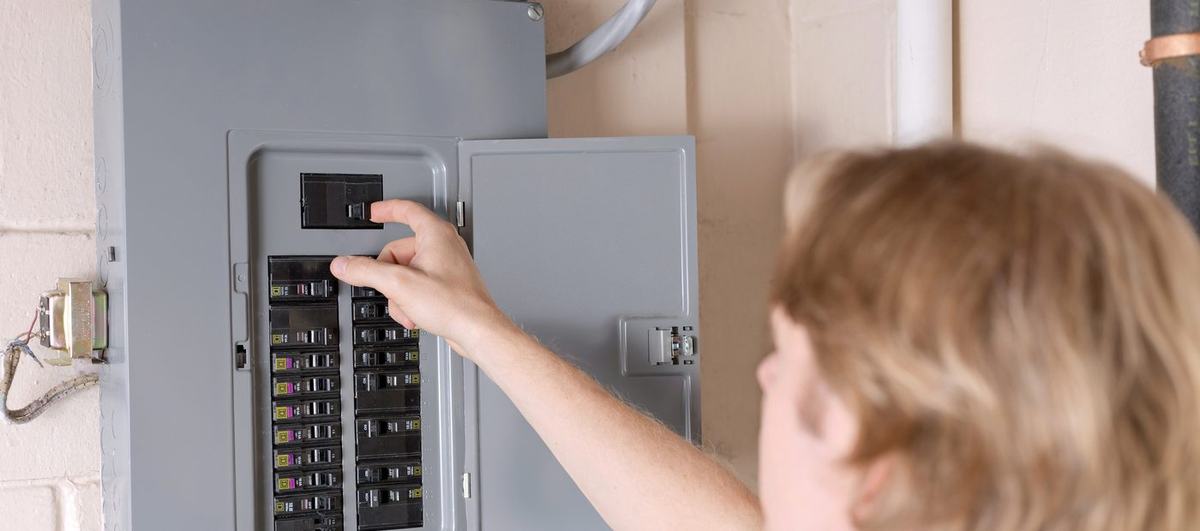
Home EV chargers are permitted through the local city or county building department. A new Level 2 charger, dedicated 240-volt circuit, new receptacle, hardwired charger, panel upgrade, or service change typically requires an electrical permit and inspection. Charger installations must comply with Article 625 of the California Electrical Code.
Who Can Install an EV Charger
| Credential | Role in a home EV project |
|---|---|
| C-10 Electrical Contractor | The standard choice for a Level 2 charger, dedicated circuit, hardwired unit, panel upgrade, service work, and load calculations |
| B General Building Contractor | May coordinate a larger remodel or new home, but the charger’s electrical work should be done by a C-10 contractor or subcontractor |
| California-registered electrical engineer | May be needed for complex designs, major service changes, or when the jurisdiction requires it |
| EVITP-certified electrician | Useful and sometimes required for utility, multifamily, or grant-funded projects, but not for a typical single-family home |
For example, the City of San Diego requires an electrical permit for EV charging systems, requires installation by a licensed C-10 contractor, and requires electrical plans and calculations to be signed by a registered electrical engineer or the responsible C-10 contractor.
The EV Charger Process
- Hire and verify a C-10 contractor. Check the license through the CSLB.
- Site assessment. The electrician reviews panel capacity, charger location and amperage, the conduit route, distance from the panel, and outdoor exposure.
- Permit application. The contractor submits charger specs, panel photos, a load calculation, circuit details, and a site plan as required.
- Installation. The contractor installs the dedicated circuit, breaker, wiring, conduit, receptacle or hardwired unit, and any electrical upgrades.
- Final inspection. The inspector confirms the work meets the California Electrical Code, the approved plans, the manufacturer’s instructions, and local amendments.
Utility coordination is generally needed only for rate-plan enrollment, major service upgrades, a second meter, or solar and battery integration.
Before You Hire
Every C-10 contractor must hold an active CSLB license and maintain a contractor bond, but a bond is not general liability insurance. Verify:
- Active C-10 license and bond status
- Workers’ compensation coverage or a valid exemption
- A current general liability insurance certificate
- Experience with EV chargers, panel upgrades, and load calculations
- Who handles the permit and inspection
- Manufacturer-approved installation, if required for the warranty
Adding solar or a home EV charger? Get matched with licensed California contractors.
Get MatchedCalifornia Contractor Hiring Checklist
- Verify the contractor’s active CSLB license.
- Confirm the license classification matches the work.
- Check that the legal business name matches the contract.
- Ask about general liability insurance and workers’ compensation coverage.
- Get detailed written estimates from more than one contractor for significant work.
- Compare scope, materials, permits, warranty, schedule, and exclusions—not just price.
- Confirm who will pull permits and schedule inspections.
- Avoid acting as an owner-builder unless you understand the responsibilities.
- Use a written contract for projects over $500.
- Confirm the deposit follows California’s legal limit.
- Make progress payments based on defined project milestones.
- Require written change orders before approving added work or costs.
- Understand cancellation rights before signing.
- Keep a complete project file with contracts, invoices, permits, inspections, notices, photos, and warranties.
- Ask about subcontractors, suppliers, and lien protections for larger projects.
- For solar, confirm the installer’s C-46, C-10, or B license and wait for utility Permission to Operate before turning the system on.
- Do not make final payment until agreed work is complete and required inspections are approved.
Frequently Asked Questions
When do I need to hire a licensed contractor in California?
California generally requires a licensed contractor when a construction, repair, alteration, or home-improvement project has a combined labor-and-materials value of $1,000 or more. A license may also be required for work that needs a building permit, even if the project costs less. Before hiring, confirm the contractor’s license status and classification through the CSLB.
How do I check whether a California contractor is licensed?
Use the CSLB’s online license lookup before signing a contract or paying a deposit. Check that the license is active, the legal business name matches the estimate and contract, and the license classification fits the proposed work. You can also review available bond, workers’ compensation, and disciplinary information through the state’s license records.
Do I need a written contract for home-improvement work?
California generally requires a written home-improvement contract when the total cost of labor and materials is more than $500. The agreement should clearly describe the work, materials, price, payment schedule, permit responsibility, estimated dates, warranties, and cancellation information. Any later change to the price, scope, or schedule should also be put in writing.
How much can a contractor ask for as a down payment?
For many California home-improvement contracts, the down payment cannot exceed $1,000 or 10% of the total contract price, whichever amount is less. Specific legal exceptions may apply in limited situations. After the deposit, payments should be tied to defined work stages, materials, or equipment identified in the written contract.
Should the contractor pull the permit, or should I?
For most projects performed by a contractor, the contractor should handle the permit process and be listed appropriately on the permit. Be cautious if someone asks you to act as an owner-builder while they manage and perform the work. That arrangement can place additional responsibility for permits, inspections, jobsite safety, and workers on you as the property owner.
What is a Preliminary Notice, and does it mean there is a lien on my home?
A Preliminary Notice is not a mechanics lien. It is a notice from a subcontractor, laborer, or supplier stating that they have provided, or expect to provide, work or materials for your project and may have lien rights if they are not paid. Keep the notice, track project payments, and ask about lien releases as work progresses.
Can I cancel a contract after signing it?
Many eligible home-improvement contracts signed at your home include a three-business-day right to cancel. California provides longer cancellation periods in some situations, including certain contracts involving homeowners age 65 or older or declared-disaster repairs. Emergency repair contracts can be treated differently, so read the cancellation notice in your contract carefully and keep any cancellation request in writing.
Find a California Contractor
Hiring a contractor is about more than finding the lowest estimate. You need someone who is properly licensed for the work, communicates clearly, understands local permit requirements, provides a detailed written contract, and can complete the project safely.
My Licensed Contractor can help homeowners connect with vetted local professionals for repairs, remodeling, installations, and home improvements. Submit your project details, compare qualified options, and find a contractor who fits the work you need done.
Submit Your California Project RequestThis guide is general information, not legal advice. Rules change and vary by municipality, so confirm requirements with your local building department before starting work.