
Florida Home Repairs, Remodeling & Contractor Hiring Guide
Florida projects for homes and businesses have unique planning challenges: hurricane exposure, intense heat and humidity, flood zones, pool-safety rules, older coastal construction, and some of the nation’s most specific contractor-licensing requirements.
Florida generally requires construction and home-improvement contractors to be properly licensed. The state also has specific consumer protections related to deposits, start dates, and contractor abandonment. This guide will help you plan your project and hire the right local contractor.
Verify the License
Florida generally requires construction contractors to hold a license for the work they perform.
Limit the Deposit
Initial payments are generally capped at 10% before the permit application is filed.
Plan for Wind & Water
Hurricane, flood-zone, and humidity rules can shape materials, design, and cost.
Florida Projects Need More Planning
Florida’s statewide code system provides consistent construction standards, but the local building department still plays a major role in issuing permits, reviewing plans, conducting inspections, and enforcing locally applicable rules.
For a typical project, you may need to account for:
- Florida Building Code requirements
- Local permit and inspection requirements
- Contractor licensing and local registration
- Wind-load and hurricane-resistance requirements
- Flood-zone and elevation requirements
- Coastal construction rules
- Pool and spa safety requirements
- HOA or condominium-association rules
- Drainage and stormwater requirements
- Historic-district restrictions
- Utility requirements
- Energy-efficiency requirements
- Mold, moisture, and ventilation concerns
The Florida Building Code, Eighth Edition (2023), became effective on December 31, 2023. It is the current code edition for projects permitted before the next statewide edition takes effect.
Start With the Property
Before requesting estimates, identify the specific conditions that may affect your project. Florida homes vary widely—from inland single-family homes to coastal condominiums, older masonry homes, waterfront properties, mobile homes, and hurricane-exposed communities.
| Property or project factor | Why it matters in Florida |
|---|---|
| Coastal or high-wind area | Roofing, windows, doors, shutters, garage doors, wall systems, and exterior attachments may need to meet enhanced wind-resistance requirements. |
| Flood zone | Additions, repairs, elevation work, electrical systems, enclosures, and mechanical equipment may be subject to floodplain requirements. |
| Condominium or HOA community | The association may control roofing, exterior paint, fencing, shutters, landscaping, generators, solar equipment, and exterior alterations. |
| Older home | Lead paint, outdated wiring, older plumbing, asbestos-containing materials, and moisture damage can increase cost and complexity. |
| Pool or spa | Permits, safety barriers, gates, alarms, electrical bonding, drainage, and equipment requirements may apply. |
| Hurricane damage | Emergency repairs may be necessary, but permanent repairs, roofing, windows, electrical systems, and structural work may require permits. |
| High humidity | HVAC sizing, ventilation, insulation, air sealing, condensate management, and mold prevention become especially important. |
| Waterfront or canal-front property | Seawalls, docks, drainage, wetlands, environmental rules, and coastal construction requirements may affect the project. |
| Rental or multi-family property | Additional life-safety, accessibility, fire, occupancy, and code requirements may apply. |
A knowledgeable contractor should not only price the visible work. They should help identify the code, weather, drainage, structural, ventilation, and permit issues that could affect the completed project.
Florida Permit Resources
The local building department is usually your first stop for project-specific questions. It can tell you whether the work requires a permit, whether plans are needed, which inspections will occur, and whether the contractor must be locally registered.
| City / county | Building permit resource |
|---|---|
| Jacksonville | Jacksonville Building Inspection Division |
| Miami | City of Miami Building Department |
| Tampa | City of Tampa Permits Guide |
| Orlando | City of Orlando Permits and Inspections |
| Port St. Lucie | Port St. Lucie Building Permits, Applications, Fees and Checklists |
| St. Petersburg | St. Petersburg Building Permitting |
| Hialeah | Hialeah Building Department |
| Cape Coral | Cape Coral Building Division |
| Miami-Dade County | Miami-Dade County Permitting and Inspections |
| Broward County | Broward County ePermits |
Florida Building Codes at a Glance
Florida has a statewide building-code system. The Florida Building Code includes separate volumes for different building systems and occupancy types. Local jurisdictions enforce the code and may adopt limited local technical amendments.
| Code | Florida resource | Typical projects covered |
|---|---|---|
| Florida Building Code – Building | Florida Building Code | Commercial buildings, multi-family properties, structural work, occupancy requirements, exits, fire-resistance ratings, accessibility, and general building construction. |
| Florida Building Code – Residential | Florida Building Code Resources | One- and two-family homes and townhouses, including framing, foundations, decks, stairs, roofs, windows, insulation, and residential additions. |
| Florida Plumbing Code | Florida Plumbing Code | Plumbing fixtures, water supply, drains, vents, water heaters, sanitary drainage, sewer connections, and backflow protection. |
| Florida Mechanical Code | Florida Mechanical Code | Air conditioning, heating, ductwork, ventilation, exhaust, refrigeration, condensate drainage, and mechanical-equipment installation. |
| Florida Fuel Gas Code | Florida Fuel Gas Code | Natural gas and propane piping, gas appliances, fireplaces, water heaters, generators, combustion air, and venting. |
| Florida Electrical Code | Florida Electrical Code | Electrical panels, wiring, outlets, lighting, grounding, generators, solar equipment, pool bonding, and EV chargers. |
| Florida Fire Code | Florida Fire Code | Fire safety, exits, emergency access, hazardous materials, alarms, suppression systems, and life-safety requirements. |
| National Fuel Gas Code | NFPA 54 Fuel Gas Code | Fuel-gas safety requirements, including piping, appliance connections, venting, and combustion systems. |
| Commercial Energy Code | ASHRAE 90.1 Commercial Energy Code | Commercial energy-efficiency requirements affecting HVAC, lighting, insulation, windows, and building-envelope performance. |
| Additional Florida code resources | Florida Codes on UpCodes | Additional Florida building-code chapters, code editions, referenced standards, and subject-specific resources. |
The current Florida Building Code is based on the 2023, Eighth Edition code cycle and incorporates Florida-specific amendments.
Florida Contractors Must Be Licensed
Florida is different from states that leave most contractor licensing to individual cities or counties. Florida generally requires construction contractors to hold an appropriate license for the work they perform.
Florida contractor licensing is administered through the Florida Department of Business and Professional Regulation and the Construction Industry Licensing Board. Contractors may hold a statewide certified license or a local registered license that is limited to the jurisdictions where the contractor is registered.
Before hiring, verify that the contractor’s license is active, matches the contractor’s legal business name, and covers the trade and scope of work you need.
| Contractor type | Common Florida licensing requirement | What to verify |
|---|---|---|
| General contractor | State-certified or locally registered contractor license, depending on scope and jurisdiction | Active license status, business name, approved scope of work, insurance, and local registration. |
| Building contractor | State-certified or locally registered building contractor license | Whether the contractor is authorized for the specific building type and project scope. |
| Residential contractor | State-certified or locally registered residential contractor license | License status, project experience, permit eligibility, and insurance. |
| Roofing contractor | Florida roofing contractor license | Active roofing license, insurance, warranty details, permit plan, and storm-damage documentation. |
| Electrical contractor | Florida electrical contractor license | License status, local permit requirements, insurance, panel capacity, and inspection requirements. |
| Plumbing contractor | Florida plumbing contractor license | License status, insurance, permit responsibility, and fixture, drain, vent, or water-service scope. |
| HVAC contractor | Florida air-conditioning contractor license | License status, system sizing, equipment details, warranty terms, ductwork, drainage, and permit plan. |
| Pool contractor | Florida swimming pool contractor license | License status, pool-barrier requirements, electrical bonding, drainage, equipment warranty, and permit responsibility. |
| Solar contractor | Florida solar contractor license or properly licensed contractor for applicable scope | License status, roof condition, electrical scope, structural review, utility coordination, and permit plan. |
| Pest-control company | Florida pesticide-business licensing and qualified personnel requirements | Business licensing, applicator credentials, product use, and treatment plan. |
Hiring an unlicensed contractor can expose property owners to serious risks. Florida law allows civil penalties of up to $5,000 for aiding and abetting unlicensed activity under Florida Statute 455.228.
Check a Contractor Before Paying
Ask the contractor for:
- Their full legal business name
- Florida license number
- Type of contractor license
- Certificate of general liability insurance
- Workers’ compensation documentation or exemption information
- Local registration information, if your city or county requires it
- A written estimate and detailed scope of work
- Permit responsibility
- Project references
- Warranty terms
- A written payment schedule
Do not assume that a business name, truck decal, online review profile, or social-media account confirms that a contractor is licensed.
Florida Deposits, Start Dates, and Abandonment Rules
Florida has important consumer protections for residential construction and home-improvement projects.
Initial Deposits
Florida law limits the amount a contractor may receive before a permit application is filed. For a construction project, a contractor may not receive more than 10 percent of the total contract price as an initial payment before the required permit application is submitted, unless an applicable exception applies.
This rule is especially important for homeowners planning roofs, additions, remodels, windows, pools, structural repairs, and other permitted work.
Before paying a deposit, ask:
- Is a permit required?
- Has the permit application been submitted?
- What will the deposit pay for?
- Is the payment tied to materials, permitting, labor, or project mobilization?
- Is the payment schedule clearly stated in the contract?
- Are there written conditions for refunds, delays, material shortages, or canceled work?
Work Must Start
Florida law generally requires a contractor to begin work within 90 days after permits are issued, unless the homeowner agrees in writing to a longer time period.
Your contract should identify:
- The anticipated permit-submittal date
- The anticipated permit-issuance date
- The expected project start date
- The estimated completion date
- Circumstances that could delay work
- What happens if the contractor does not begin on time
Contractor Abandonment
A contractor cannot accept payment and then stop performing work for 90 days without just cause. Depending on the amount involved and the circumstances, contractor abandonment can carry criminal penalties ranging from a first-degree misdemeanor to a felony.
If a contractor stops responding or leaves the project unfinished:
- Keep copies of the contract, invoices, messages, photos, permits, and payment records.
- Document the last date work occurred.
- Contact the contractor in writing.
- Contact the local building department if permits are open.
- Consider filing a complaint with the appropriate state licensing authority.
- Seek legal advice before hiring a replacement contractor if there is a payment or lien dispute.
Contracts and Payment Milestones
A clear, specific written contract is one of your strongest protections.
Your contract should include:
- Contractor name, address, phone number, email, and license number
- Property address
- Detailed scope of work
- Materials, brands, colors, models, and allowances
- Permit and inspection responsibilities
- Total project price
- Deposit amount
- Progress-payment schedule
- Estimated project start and completion dates
- Warranty terms
- Change-order process
- Cleanup and debris-removal responsibilities
- Subcontractor responsibilities
- Insurance details
- Lien-waiver requirements
- Cancellation and dispute-resolution terms
Smart Florida Payment Practices
- Avoid paying the full project price upfront.
- Do not make large payments before permit applications are filed when a permit is required.
- Use traceable payment methods.
- Tie payments to specific completed stages of work.
- Require written change orders before paying for added work.
- Do not pay final payment until the work is substantially complete and required inspections are approved.
- Keep copies of all permits, inspection reports, invoices, photos, warranties, and messages.
- Ask for lien releases as payments are made.
Florida Construction Liens and Notices
Florida’s construction-lien system is an important issue for any significant repair, remodel, roof replacement, addition, pool project, or commercial build-out.
A subcontractor or supplier who does not have a direct contract with the owner may send a Notice to Owner to preserve potential lien rights. The notice is not itself a lien, but it warns the owner that the sender may claim lien rights if unpaid. In general, a Notice to Owner must be served within 45 days after the sender first provides labor, services, or materials.
For many private projects over $5,000, the owner must record a Notice of Commencement with the county clerk before work begins and post a certified copy at the jobsite.
Protect Yourself During Payments
- Read every Notice to Owner you receive.
- Keep a list of all subcontractors and suppliers.
- Ask the general contractor who is being paid from each draw.
- Request conditional lien waivers with progress payments.
- Request final lien waivers before final payment.
- Ask for a contractor’s final affidavit identifying unpaid subcontractors, suppliers, or laborers.
- Do not ignore lien-related notices.
A Claim of Lien generally must be recorded within 90 days after the lienor’s final furnishing of labor, services, or materials.
For large residential projects, additions, custom homes, commercial projects, or projects involving substantial deposits, consider having a Florida construction attorney review your contract and payment plan.
Hurricane, Wind, Water, and Heat
Florida construction needs to account for weather conditions that homeowners in many other states do not face.
Roofing and Exterior Openings
Florida roofs, garage doors, exterior doors, windows, shutters, and other exterior components may need to meet wind-pressure, impact-resistance, fastening, and water-intrusion requirements.
Before hiring a roofing, window, or exterior contractor, ask:
- Does this product meet the requirements for my location?
- Are permits required?
- Will the contractor repair damaged roof decking?
- How will flashing and penetrations be handled?
- Does the product require a product approval?
- Is the system suitable for my wind zone and exposure?
- What is covered by the manufacturer warranty versus the contractor workmanship warranty?

Flooding and Drainage
Flood risks can affect far more than waterfront homes. Before adding a room, enclosing a patio, improving drainage, adding a pool, changing grading, or replacing mechanical equipment, ask whether the property is in a flood zone or subject to local drainage restrictions.
Important considerations include:
- Flood-zone designation
- Base flood elevation
- Finished-floor elevation
- Enclosure rules below elevated structures
- Location of electrical equipment
- Drainage and stormwater flow
- Seawalls, canals, wetlands, and shoreline rules
- FEMA and local floodplain requirements
Heat, Humidity, and Moisture
Florida’s climate makes HVAC, ventilation, insulation, and moisture control central to building performance.
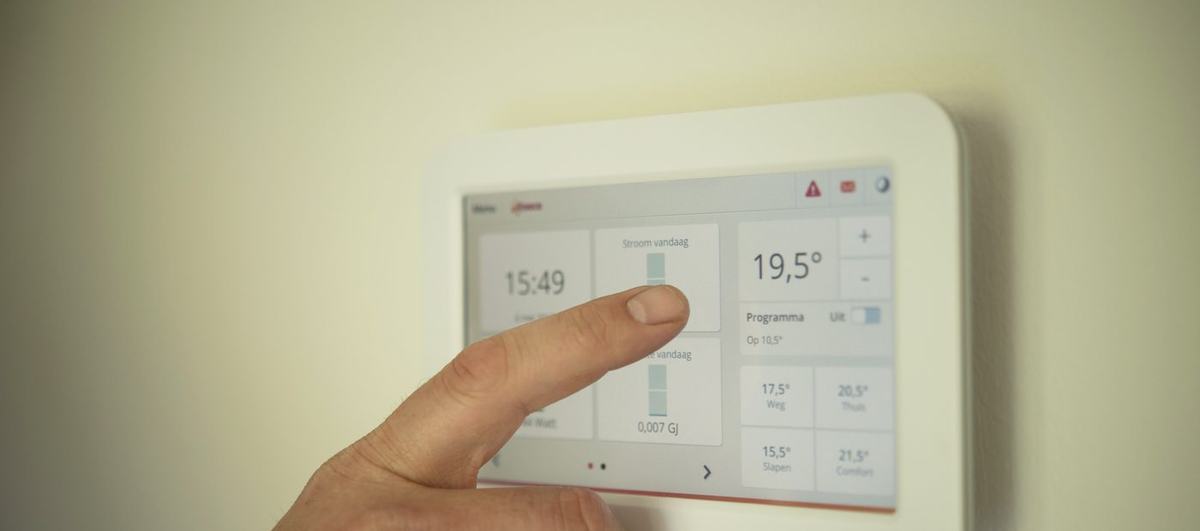
Consider upgrades such as:
- Correctly sized HVAC equipment
- High-efficiency heat pumps
- Duct sealing
- Attic insulation
- Controlled mechanical ventilation
- Proper bathroom and kitchen exhaust
- Condensate drainage maintenance
- Dehumidification where appropriate
- Energy-efficient windows and doors
- Roof ventilation and air sealing
- Mold and moisture remediation when needed
Florida Project Ideas With Added Value
The right upgrade can improve comfort, resilience, energy use, safety, and long-term property value at the same time.
Projects to discuss with a qualified Florida contractor include:
- Hurricane-rated windows and doors
- Roof replacement with improved flashing and ventilation
- Impact-resistant or wind-rated garage doors
- Whole-home surge protection
- Electrical-panel upgrades
- EV charger installation
- Backup generator installation
- Solar panels and battery storage
- High-efficiency HVAC systems
- Dehumidification and indoor-air-quality upgrades
- Attic insulation and duct sealing
- Pool barriers, alarms, and safety improvements
- Drainage and grading improvements
- Sump pumps where appropriate
- Flood-resistant materials for flood-prone areas
- Accessibility upgrades for aging in place
- Exterior shading, screened enclosures, and heat-management improvements
Florida Solar Projects
Florida does not have a single statewide permit office for residential solar. The city or county with jurisdiction issues permits, reviews plans, conducts inspections, and enforces the Florida Building Code. Most residential solar projects need:
- Building permit: Covers roof attachment, structural review, and wind-load compliance.
- Electrical permit: Covers wiring, inverters, disconnects, grounding, rapid shutdown, service-panel connections, and labeling.
- Utility interconnection approval: Required for any system connected to the grid.
- Additional review when needed: Batteries, service upgrades, ground mounts, solar carports, historic homes, coastal or flood-zone properties, and unusual roofs.
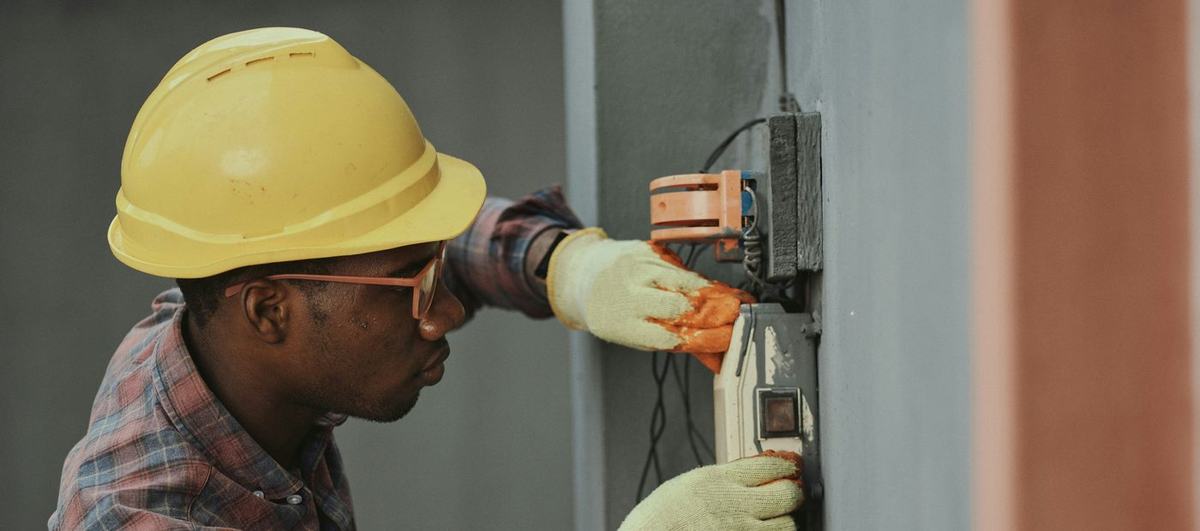
How a Florida Solar Project Moves Forward
- Roof and site assessment. The contractor reviews roof age and condition, framing, shading, wind exposure, electrical service, and panel capacity.
- System design. The plan package typically includes a site plan, roof layout, structural attachment details, wind-load information, equipment specs, and an electrical one-line diagram.
- Permit and plan review. The licensed contractor submits to the local building department, which may issue a combined permit or separate building and electrical permits after reviewing structural, electrical, fire-safety, wind-load, and zoning compliance.
- Utility interconnection. The contractor or solar provider submits interconnection paperwork covering inverter certifications, system size, metering, and any battery storage.
- Installation and inspection. Inspectors check roof attachments, flashing, wind-load compliance, wiring, grounding, disconnects, panel connections, and labeling.
- Utility authorization. After final approval, the utility authorizes the system to operate on the grid.
Wind and roof protection matter most in Florida. The Florida Building Code references ASCE 7 wind-load provisions for rooftop solar panels and requires solar flashing to follow the applicable code chapter and manufacturer instructions. Expect wind-load calculations, attachment details, and roofing and flashing details in the permit package.
A grid-tied system should not be turned on for regular operation until the utility issues its final approval.
Who Can Install Solar in Florida
Florida requires a license for photovoltaic installation. Verify the contractor’s license through MyFloridaLicense.com before signing.
| Florida license | What it covers | When you may see it |
|---|---|---|
| Certified Solar Contractor | Installation, repair, maintenance, and replacement of solar thermal and photovoltaic systems | A dedicated solar company handling rooftop PV or solar-plus-storage |
| EC — Certified Electrical Contractor | All electrical work statewide, including photovoltaic systems | PV installation, panel and service upgrades, batteries, backup systems, and interconnection |
| ER — Registered Electrical Contractor | Electrical work only in the local jurisdictions where registered | A locally authorized electrician; confirm the registration covers your address |
| CBC — Certified Building Contractor | General building work, subject to specialty-trade requirements | Larger remodels or roof-and-solar projects; solar electrical work still goes to a solar or electrical contractor |
| CCC — Certified Roofing Contractor | Roofing installation, repair, and replacement | Roof work coordinated with solar; a roofing license alone does not cover PV electrical work |
A salesperson, marketing company, handyman, unlicensed crew, or roofing company without solar or electrical credentials should not be the only party installing a residential solar system.
Installing a Level 2 EV Charger in Florida
Home EV chargers are permitted through the local city or county building department. A Level 2 charger, new 240-volt circuit, EV receptacle, hardwired charger, or panel or service upgrade typically requires an electrical permit and final inspection.
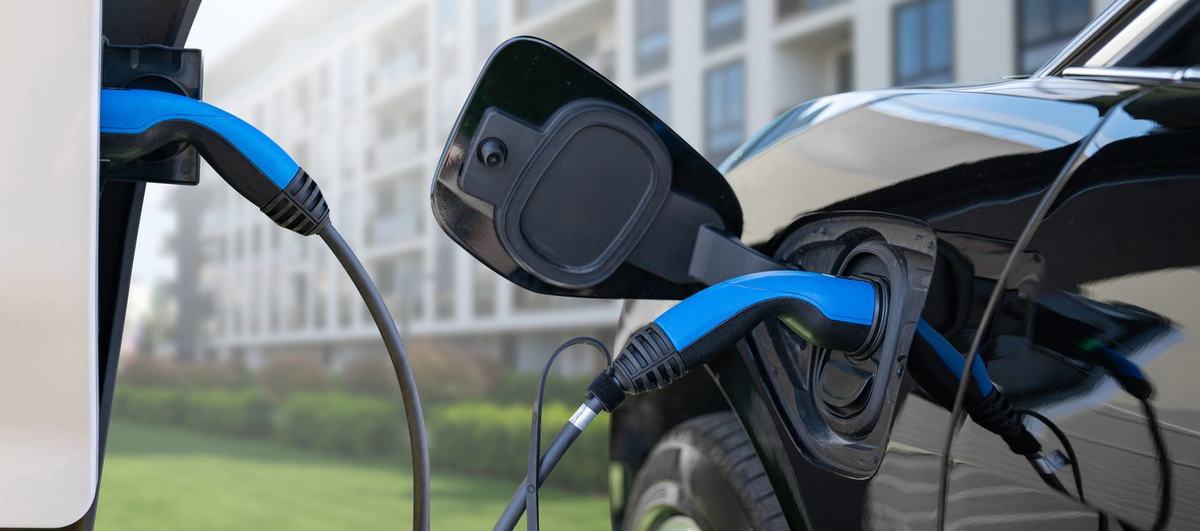
A properly licensed electrical contractor should perform the work. An EC Certified Electrical Contractor can work statewide, while an ER Registered Electrical Contractor can work only where locally registered. A CBC building contractor may manage a larger remodel, but the charger’s electrical work should go to an EC or ER contractor. EVITP certification can be useful for utility, multifamily, or incentive-funded projects but is not required for a typical home charger.
The EV Charger Process
- Identify the building department. Confirm whether the home is in a city or an unincorporated county area.
- Hire and verify. Choose an EC contractor or an ER contractor registered for your area, and verify the license through Florida DBPR.
- Assess electrical capacity. The electrician determines whether the panel can handle a new continuous charging load or needs an upgrade.
- Pull the electrical permit. The contractor submits charger specs, amperage, circuit details, load calculations, and equipment location as required.
- Install and inspect. The contractor installs the dedicated circuit, protection, conduit, and weather-rated equipment for outdoor locations, and the local authority completes a final inspection.
The utility may need to be involved for a service upgrade, new meter, time-of-use EV rate, or solar and battery integration.
Before Work Begins
- The contractor’s EC or ER license number, plus local registration for ER contractors.
- A current general liability insurance certificate and workers’ compensation information.
- Confirmation that the contractor will pull the permit and schedule inspections.
- A written scope showing whether a panel or service upgrade is included.
- Confirmation the installation meets the charger manufacturer’s requirements.
Planning solar or a home EV charger? Get matched with licensed Florida electrical and solar contractors.
Get MatchedStart Planning Your Florida Project
Florida homeowners have strong reasons to plan carefully before work begins: contractor licensing requirements, deposit protections, permit procedures, hurricane standards, flood rules, and construction-lien notices can all affect the project.
The right contractor can help with this planning process by pulling the right permits and discussing your options. My Licensed Contractor can match you with local vetted contractors for home repairs, upgrades, and more.
Submit Your Project RequestThis guide is general information, not legal advice. Rules change and vary by municipality, so confirm requirements with your local building department before starting work.