
Georgia Home Repairs & Improvements Guide
Georgia licenses general contractors and high-risk trades at the state level, sets one mandatory building code for the whole state, and leaves permits and inspections to cities and counties.
This guide covers who can legally do the work, what insurance they must carry, how permits work, and what to know before adding solar, an EV charger, a generator or storm upgrades to a Georgia home.
The $2,500 Rule
Residential and general contracting jobs over $2,500 require a state license.
Trades Are State-Licensed
Electrical, plumbing, HVAC, low-voltage and utility work need a Georgia trade license.
New Codes in 2027
Georgia moves to the 2024 International Codes with 2026 state amendments on January 1, 2027.
Start With the Basics
Before you sign a contract or order materials, answer four questions. They decide who you can hire, what paperwork you need and how long the project will take.
- What kind of work is it? Cosmetic work has different rules than structural, electrical, plumbing, HVAC, gas, solar or EV charger work.
- Who is allowed to do it? Georgia licenses general contractors and specialty trades at the state level.
- Which local permits apply? You may need building, electrical, plumbing, mechanical, gas, zoning, land-disturbance or right-of-way approvals.
- Which inspections apply? Inspections happen at set stages, such as rough-in, framing and final, not only at the end.
A permit creates an official record that the work was reviewed and inspected. Unpermitted work can cause trouble when you sell, refinance, file an insurance claim or renovate later.
Georgia General Contractor Licensing
The State Licensing Board for Residential and Commercial General Contractors, part of the Georgia Secretary of State's office, licenses general contractors. A state license is required for any residential or general contracting job with a total contract value over $2,500.
| License tier | What it covers | Project limit |
|---|---|---|
| Residential-Basic | Detached one- and two-family homes, single-family townhouses under three stories, and accessory structures | Residential scope only |
| Residential-Light Commercial | Everything in Residential-Basic, plus multifamily and multi-use light commercial buildings | Light commercial scope |
| Commercial General Contractor (Limited Tier) | Any commercial or residential work | Under $1,000,000 per contract |
| Commercial General Contractor (Unlimited) | Any commercial or residential work | No cap |
Unlicensed contracts can't be enforced. Under O.C.G.A. § 43-41-17, if a contractor does work that requires a license without holding one, the construction contract is unenforceable. They can't sue you to collect payment.
Exceptions
- Owner-builders: You can act as your own general contractor to build or remodel your own single-family home without a state license. The exemption is for personal use only and is generally limited to one personal residence every 24 months. Permits, inspections, codes and trade licensing rules still apply.
- Farm buildings: Barns, equipment sheds and other structures used only for agriculture don't need a licensed general contractor.
- Handyman work: Minor cosmetic jobs like interior painting, flooring and drywall are generally exempt from state licensing, as long as they don't cross into electrical, plumbing or structural work.
Check any license through the Secretary of State's license lookup. Confirm it is active, matches the business name on your proposal and covers the work you're hiring for.
Specialty Trade Licensing
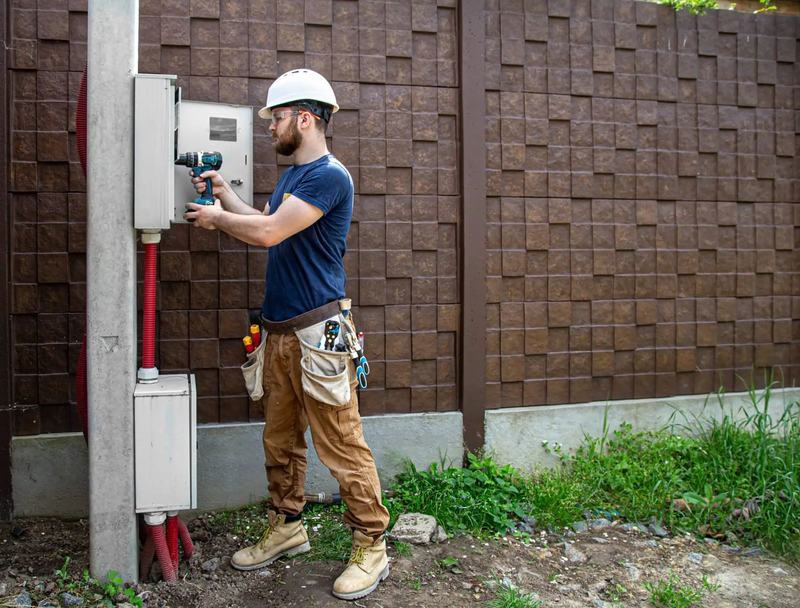
The Georgia Construction Industry Licensing Board licenses the trades with the biggest safety risks: electrical, plumbing, conditioned air (HVAC), low-voltage and utility work. A handyman can't legally take on this work, even for a small job.
Senate Bill 553, signed in May 2026 and effective July 1, 2026, tightened the rules for these trades. Only licensed contractors may advertise these services. Unlicensed work and advertising can bring fines and criminal penalties.
The law also targets license lending, where an unlicensed person uses someone else's license to pull permits. Lending, leasing or renting a license is now spelled out as grounds for discipline.
| Trade | License classes | Typical home projects |
|---|---|---|
| Electrical contractor | Class I (restricted to single-phase systems up to 200 amps) and Class II (unrestricted) | Panels, new circuits, EV chargers, solar wiring, generators, transfer switches, batteries |
| Plumbing | Journeyman, Class I Master (restricted scale) and Class II Master (unrestricted) | Supply and drain lines, water heaters, sewer work, gas piping |
| Conditioned air (HVAC) | Class I (limited system size) and Class II (no size limit) | AC, heat pumps, furnaces, ductwork, ventilation |
| Low-voltage contractor | Alarm, telecom and general low-voltage categories | Security systems, data wiring, audio and video |
| Utility contractor | Utility contractor license | Underground utility lines and infrastructure |
Be wary of anyone who says permits aren't needed or offers to "use someone else's license." When a job needs a licensed trade, the permit should name the licensed contractor responsible for the work.
Insurance and Bonds
Active general liability insurance is a condition of getting and renewing a Georgia contractor license. The state sets minimum coverage by license tier:
Any business with three or more employees, including part-time workers and corporate officers, must carry workers' compensation under O.C.G.A. § 34-9-1.
When Bonds Come Into Play
Many people assume every Georgia contractor must buy a surety bond. That isn't the case. Bonds show up in two situations:
Proving financial responsibility
Licensed contractors must show a minimum net worth. A surety bond is one way to meet it.
- Residential and Limited Tier: $25,000 net worth, or a $25,000 bond or bank credit letter
- Unlimited Commercial: $150,000 net worth, or a $150,000 bond
Public projects
Georgia requires performance and payment bonds on public city and state projects. They guarantee the job gets finished and that subcontractors and suppliers are paid.
These don't apply to private home projects.
Verify Before You Sign
Before paying a deposit, ask for:
- The contractor's legal business name
- State license number and classification
- Certificate of general liability insurance
- Workers' compensation information
- Names and license numbers of specialty subcontractors
- A written scope, materials list and payment schedule
- Warranty terms and a change-order process
- Who will pull permits and schedule inspections
Skip the license lookups. We match Georgia homeowners with contractors whose licenses and insurance have been checked.
Find ContractorsGeorgia Permits and Inspections
The state sets minimum construction codes. Cities and counties handle permits, plan review, inspections, zoning and enforcement. Expect a permit for new construction, additions, structural changes, decks, reroofing, window and door changes, electrical, plumbing, HVAC and gas work, generators, pools, solar and EV chargers.
Painting, some flooring and cabinet swaps without utility changes may not need a permit, but local rules vary. Call your building department before starting anything that touches structure, safety, utilities or drainage.
How the Process Usually Works
- Confirm the jurisdiction. A mailing address doesn't always tell you whether a city, county or consolidated government issues permits.
- Confirm which permits apply. Ask about building, electrical, mechanical, plumbing, gas, zoning and stormwater permits.
- Prepare documents. Depending on the job: site plan, survey, drawings, equipment specs, load calculations, an electrical one-line diagram, engineering, license and insurance information.
- Submit for plan review. Small trade permits may be issued quickly. Additions, solar, pools and major renovations often need formal review.
- Post the permit and schedule inspections. Work has to follow the required sequence, and inspectors may require fixes before the next phase.
- Get final approval. Keep the permit, inspection records and final sign-off for insurance and resale.
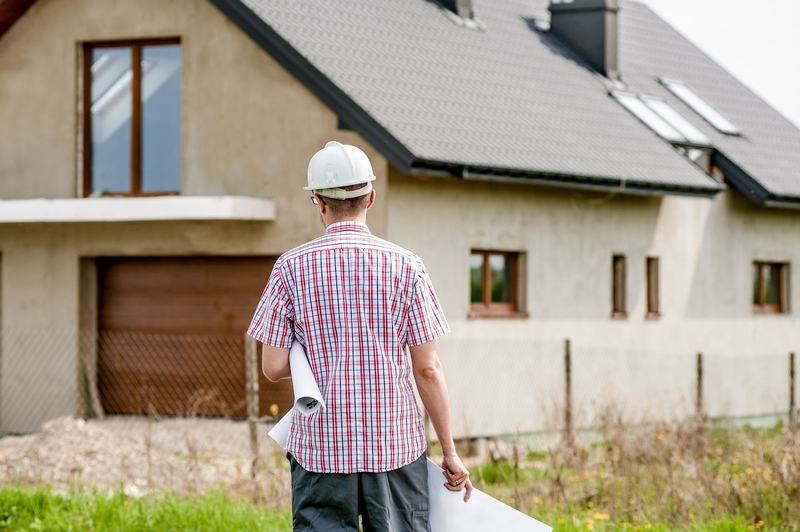
Fulton County's residential process, for example, runs from permit posting through foundation, rough trade, final trade and final site inspections, with a certificate of occupancy where one is required.
Projects That Involve More Than One Permit
| Project | Common review areas |
|---|---|
| Deck, porch or screened room | Building permit, zoning setbacks, footings, structural connections, stairs, guards, drainage |
| Finished basement | Building, electrical, plumbing, mechanical, egress, smoke alarms, insulation, moisture control |
| Kitchen remodel | Electrical, plumbing, mechanical, gas, structural changes, ventilation |
| Bathroom remodel | Plumbing, electrical, exhaust ventilation, waterproofing, safety glazing |
| HVAC replacement | Mechanical, electrical, equipment sizing, condensate, ductwork, gas where applicable |
| Pool or spa | Building, electrical bonding, barriers, safety covers, zoning, drainage |
| Roof replacement | Underlayment, flashing, ventilation, structural repairs, HOA rules |
| Garage conversion or addition | Building, zoning, electrical, plumbing, HVAC, insulation, fire separation, parking |
Georgia Building Departments
Use these links as a starting point. A county department often serves only unincorporated areas, and cities inside that county may issue their own permits. Confirm the right office for your exact address.
| City or county | Building department or permit resource | What to know |
|---|---|---|
| City of Atlanta | Atlanta Office of Buildings | Permits and inspections inside city limits. Check zoning, historic-district and trade permit rules for the address. |
| Fulton County | Fulton County Permits and Plan Review | Building and land-disturbance permits. Many cities in Fulton run their own departments. |
| DeKalb County | DeKalb Permits, Plan Review & Inspections | Applications, plan review, guides and online inspection scheduling. |
| Cobb County | Cobb County Building and Development | Permits and inspections for new and remodeled homes. Inspections can be scheduled online or by text. |
| Gwinnett County | Gwinnett County Building Services | Plan review, permits and inspections, managed through the county's ZIP Portal. |
| Savannah | Savannah Building Permits | City permits and plan review. Coastal wind rules may apply. |
| Chatham County | Chatham County Building Safety & Regulatory Services | Permits and inspections for unincorporated Chatham County. |
| Augusta-Richmond County | Augusta Building Permits | Residential and commercial permits, inspection requests and status. |
| Columbus | Columbus Inspections and Code | Building permits and inspections for the consolidated city-county. |
| Athens-Clarke County | Athens-Clarke Building Permits & Inspections | Permits through the county's online portal, plus presubmittal resources. |
| Macon-Bibb County | Macon-Bibb Building Permits | Lists required inspections by project stage, with online, portal and phone scheduling. |
Georgia Construction Codes
The Georgia Department of Community Affairs adopts the State Minimum Standard Codes. Georgia starts from the national model codes and adds its own amendments for the state's climate, safety and legal needs. On January 1, 2027, Georgia moves to the 2024 International Codes and the 2023 National Electrical Code, each with 2026 Georgia Amendments. Ask your building department which edition it applies on your submission date.
| Code | Georgia resource | Common home projects |
|---|---|---|
| International Building Code, 2024 | 2026 Georgia amendments (PDF) | Larger, multifamily and mixed-use buildings |
| International Residential Code, 2024 | 2026 Georgia amendments (PDF) | Additions, decks, framing, roofs, stairs, basements |
| International Fire Code, 2024 | International Fire Code 2024 | Fire safety, alarms, emergency access |
| International Plumbing Code, 2024 | 2026 Georgia amendments (PDF) | Bath and kitchen remodels, water heaters, fixtures |
| International Mechanical Code, 2024 | 2026 Georgia amendments (PDF) | HVAC, ductwork, ventilation, exhaust |
| International Fuel Gas Code, 2024 | 2026 Georgia amendments (PDF) | Gas lines, furnaces, water heaters, standby generators |
| National Electrical Code, 2023 | 2026 Georgia amendments (PDF) | Panels, circuits, EV chargers, solar, generators, batteries |
| International Swimming Pool and Spa Code, 2024 | 2026 Georgia amendments (PDF) | Pools, spas, barriers |
| International Energy Conservation Code, 2015 | Georgia supplements and amendments | Insulation, windows, air sealing, HVAC efficiency |
The full list is on the DCA's current state minimum codes page.
What Makes Georgia's Codes Different
- Mandatory everywhere: In many states, codes apply only where a city or county adopts them. Georgia's minimum codes apply to all construction statewide, even where no local building department enforces them.
- Local rules can only be stricter: Cities like Atlanta can add their own amendments, usually for fire safety, zoning or historic preservation. They can't go below the state minimum.
- Coastal wind rules: Coastal counties such as Chatham, Glynn and Camden face stricter wind design. Some areas require impact-resistant windows or permanent storm shutters.
- Climate zones: North Georgia requires more insulation in attics and walls than South Georgia to handle colder winters.
- Duct and air-leakage testing: Georgia's energy supplements set their own paths for duct-tightness and blower-door testing. Ask your HVAC contractor which tests your project needs.
- Water efficiency: After years of drought and water disputes with neighboring states, Georgia puts heavy weight on low-flow toilets, showerheads and faucets. Flow limits can be tighter than the national baseline.
Residential Solar in Georgia
Rooftop solar is a construction and electrical project. Most installations go through local permit review, an electrical inspection and utility interconnection before the system can be turned on.
Who Can Install Home Solar?
Georgia has no separate solar contractor license. Because PV systems are electrical equipment, a licensed Georgia electrical contractor has to handle the electrical side. A typical project involves:
- A licensed electrical contractor for wiring, disconnects, panel work and interconnection equipment
- An installer experienced with PV design and mounting
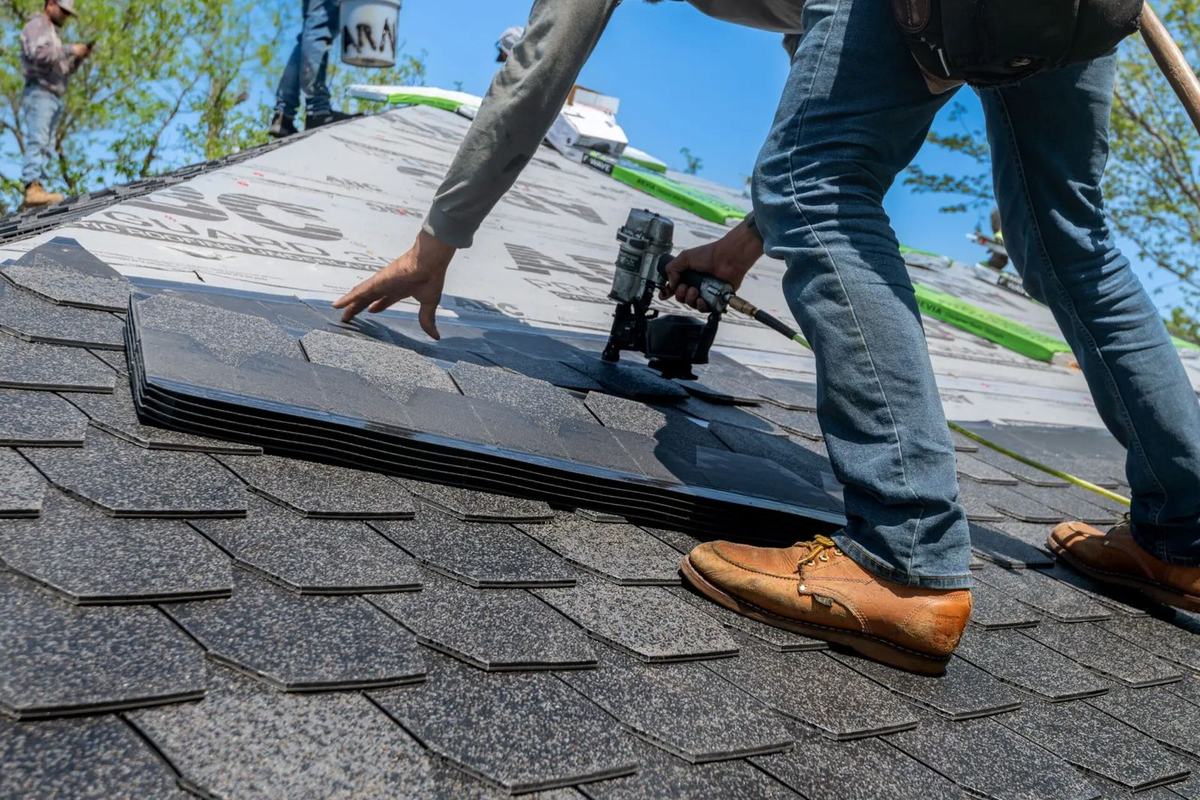
- A roofer if the job includes roof replacement or flashing repair
- A structural engineer when the local authority, roof design or mounting system calls for one
- A licensed general contractor when the project includes structural or broader renovation work
Ask who will be listed as contractor of record on the permit, and get the name and license number of the electrical contractor responsible for the electrical permit.
Common Solar Permits and Approvals
| Requirement | What it covers |
|---|---|
| Electrical permit | PV circuits, inverter, disconnects, panel upgrades, grounding, rapid shutdown and interconnection hardware |
| Building or structural permit | Roof mounting, attachment details, roof loads and structural changes |
| Zoning review | Setbacks, ground-mounted arrays, height and visibility |
| Fire review | Roof access and fire-safety layout in some jurisdictions |
| Utility interconnection | Required before a grid-tied system can be turned on or export power |
| Final inspections | Confirm the installation matches the approved plans |
Before You Sign a Solar Agreement
- Check your roof's remaining life, since re-roofing later means removing the panels
- Get a site-specific production estimate
- Ask whether panel upgrades are included
- Confirm who handles permits, interconnection and permission to operate
- Review equipment and workmanship warranties separately
- Ask about battery storage or backup-load panels
- Get HOA approval in writing
- Compare cash, loan, lease and power-purchase options
Home EV Charging in Georgia
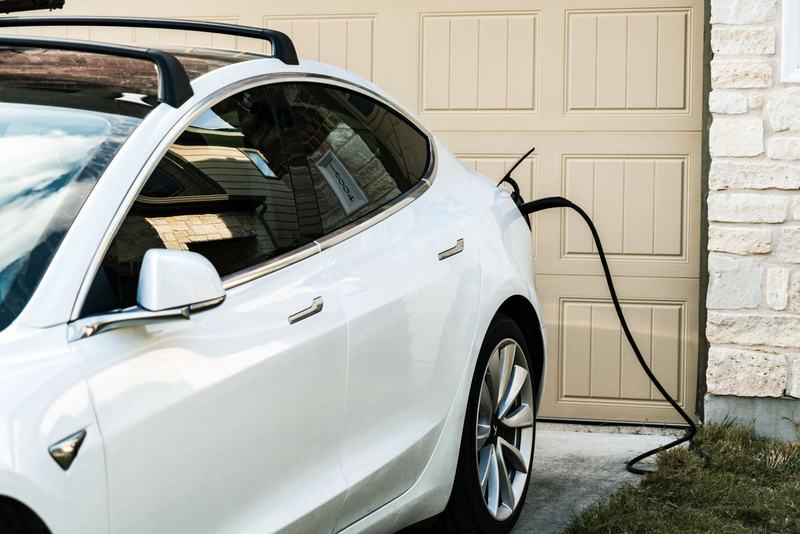
A Level 2 charger on a new 240-volt circuit is electrical work. It should be planned, permitted and installed by a Georgia-licensed electrical contractor.
A dealership, charger brand or general home-service company isn't automatically licensed for the electrical work. Ask: "Which Georgia-licensed electrical contractor will pull the permit and do the installation?"
What the Electrician Handles
- New 240-volt dedicated circuits and hardwired chargers
- Panel upgrades and subpanels
- Load calculations and service-capacity review
- Outdoor wiring, trenching, conduit and detached-garage runs
- GFCI, grounding, overcurrent protection and disconnects
Permits and Inspections
A new circuit, hardwired charger, panel change or service upgrade usually needs an electrical permit. The typical process:
- Assessment. The electrician checks the panel and available capacity.
- Sizing. Charger and circuit size are chosen from the vehicle, equipment rating and a load calculation.
- Permit. The contractor applies for the electrical permit.
- Installation. The dedicated circuit, breaker, wiring and charger or receptacle go in.
- Inspection. The local authority inspects the work.
- Utility coordination. Needed only if the service is being upgraded.
An existing 240-volt garage outlet isn't automatically safe for daily EV charging. Have the electrician check the circuit rating, receptacle, wiring, breaker and total load first.
If you have electric HVAC, water heating, a pool, a hot tub or solar, or you expect a second EV, ask about a load calculation, larger conduit or load management now. It costs less than redoing the work later.
Planning solar or an EV charger? Get matched with licensed Georgia electrical contractors.
Get MatchedGenerators and Battery Backup
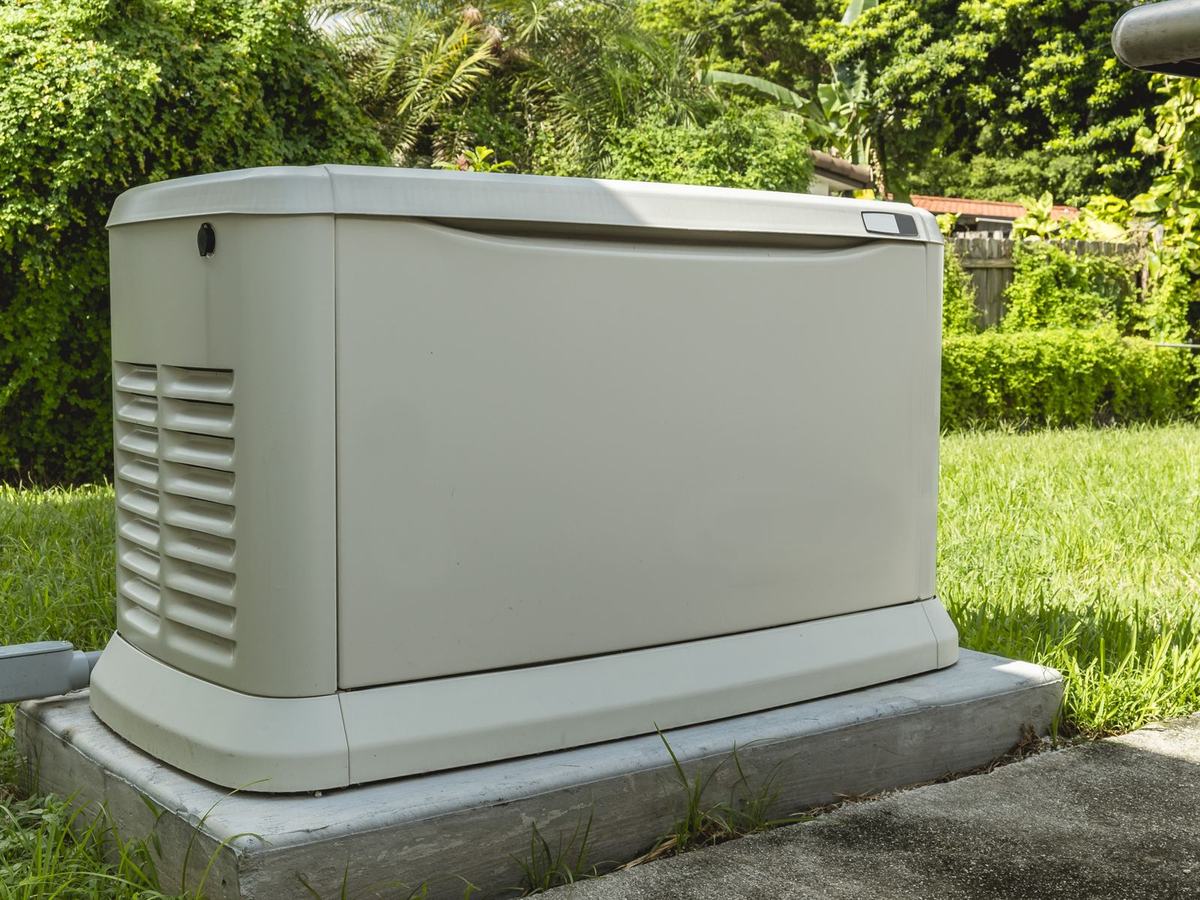
Storm outages have turned whole-home backup power into one of the most requested upgrades in Georgia. Automatic standby generators are common on the coast and in tree-heavy suburbs. Lithium-ion battery systems, often paired with solar, are growing fast because they run silently, need no engine maintenance and carry no carbon monoxide risk.
Permits for Permanent Backup Power
A permanent generator or battery system always needs a permit in Georgia. Portable generators don't, unless they are hardwired into the home. A permanent system usually triggers three approvals:
- Electrical permit: Covers the equipment, new circuits and the automatic transfer switch. The transfer switch keeps power from flowing back into utility lines during an outage, which protects line workers.
- Gas or mechanical permit: Tapping a natural gas meter or running propane lines falls under Georgia's gas code and needs its own permit.
- Zoning and building permit: The generator pad has to meet local setbacks from property lines, bedroom windows and vents to prevent carbon monoxide problems.
Who Can Install It?
Wiring and batteries
Only a state-licensed electrical contractor can pull the electrical permit. A low-voltage license doesn't cover a 240-volt generator tie-in, which requires a Class I or Class II electrical license.
For lithium-ion battery walls, some jurisdictions also require UL 9540A fire-test documentation from the manufacturer before issuing a permit.
Fuel supply
An electrician can't connect or change gas lines or propane tanks. A licensed master plumber (Class I or Class II) with gas certification has to tap the gas line, size it and run it to the generator.
Large propane tank placement and setbacks are overseen by the Georgia Safety Fire Commissioner's office.
Some generator companies employ workers with both credentials. Independent contractors may need to pull separate permits.
Storms, Insurance and Mitigation
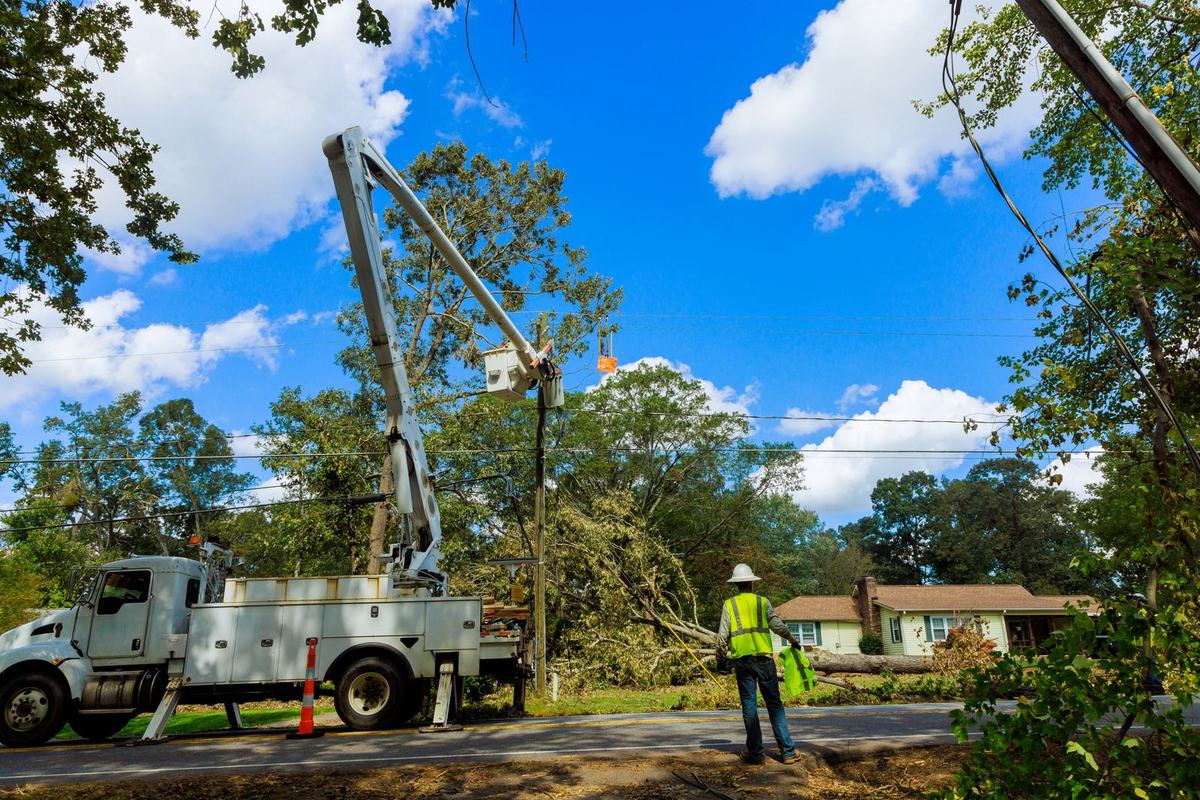
Severe thunderstorms, tornadoes and inland hurricanes like Helene have reshaped home improvement in Georgia. Home insurance premiums have also climbed sharply, by some estimates about 40% since 2021, and insurers are restricting coverage on older roofs.
After a Storm
Roof replacements and water mitigation drive most storm-related repair work. High winds and falling pine limbs are hard on older shingle roofs, and roof breaches or clogged gutters lead to interior water damage. Act quickly on:
- Active roof leaks, missing shingles or damaged flashing
- Water getting in around windows, siding or foundations
- Overheating wiring or damaged panels
- Sewer backups, water-line leaks and gas leaks
- HVAC failure in extreme heat or cold
- Tree damage, drainage failures or structural damage
Take photos, protect the property from further damage and notify your insurer. Ask the building department whether emergency stabilization can start before permits are issued. Permanent repairs still need permits and inspections.
Georgia Storm Damage Mitigation Program
More homeowners are upgrading before the next storm to limit damage and lower premiums. Georgia's Storm Damage Mitigation Program, created by House Bill 1344 and taking effect January 1, 2027, offers grants to help owner-occupied homes pay for wind-mitigation work. The Insurance Commissioner runs the program.
Eligible upgrades include roof deck attachments, secondary water barriers, roof coverings, gable-end bracing, stronger roof-to-wall connections, opening protection such as impact windows and shutters, exterior and garage doors, and tie-downs. Regular trimming of tall loblolly pines near the house is also one of the best low-cost ways to prevent damage.
Popular Georgia Upgrades
Many Georgia homeowners are renovating instead of moving, so upgrades that hold their value get the most attention. The estimates below are typical resale cost-recovery ranges, and actual returns depend on your home and market.
| Upgrade | Estimated cost recovered | Why it works in Georgia |
|---|---|---|
| Manufactured stone veneer | 90–95% | Replacing a section of vinyl siding, often around the entry, adds curb appeal at a modest cost |
| Garage door replacement | 85–95% | An insulated modern door changes the look of the house for a low upfront cost |
| Energy-efficient windows | About 80% | Replaces foggy, drafty units and cuts summer cooling costs |
| Minor kitchen remodel | 75–90% | Refaced cabinets, stone or quartz counters, new lighting and efficient appliances beat a full luxury gut |
| Deck or screened porch | 65–75% | Long springs and falls make outdoor space feel like part of the house |
| Basement finishing | 65–75% | Common in Metro Atlanta, it adds a guest suite, media room or office |
| Primary bath update | 60–75% | Walk-in showers, frameless glass and dual vanities. Keep at least one bathtub in the house. |
Upgrades Built for Georgia's Climate
- Fiber-cement siding holds up to humidity and pests better than worn wood or vinyl.
- Flooring like luxury vinyl plank or refinished hardwoods pays off when it's consistent across the main level.
- Attic insulation saves money right away in hot summers.
- Vapor barriers and dehumidifiers protect crawlspaces and attics from moisture damage.
- A high-efficiency AC with a smart thermostat is a strong selling point for buyers worried about utility bills.
Planning a roof, siding or backup power upgrade? Get connected with licensed Georgia contractors.
Get QuotesGeorgia Homeowner FAQ
When does a Georgia contractor need a state license?
Residential and general contracting work over $2,500 requires a state license from the State Licensing Board for Residential and Commercial General Contractors. Electrical, plumbing, HVAC, low-voltage and utility work requires a state trade license regardless of project size.
What happens if I hire an unlicensed contractor?
If the work required a license, the contract is unenforceable under O.C.G.A. § 43-41-17, so the contractor can't sue to collect payment. You also lose the protection of a licensed, insured contractor and may have trouble getting permits and inspections.
Can I hire a handyman for electrical, plumbing or HVAC work?
No. These trades require a state license. A handyman can handle cosmetic work like painting, flooring and drywall, as long as it doesn't involve regulated electrical, plumbing or structural work.
Can I act as my own contractor?
Yes, for your own single-family home, generally limited to one personal residence every 24 months. You're responsible for code compliance, permits and inspections, and you still need licensed trades for electrical, plumbing, HVAC and gas work.
Who should pull the permit?
The contractor doing the work should pull the permit in their own name. Be cautious if a contractor asks you to pull it to get around licensing or insurance requirements.
What if work was done without a permit?
The jurisdiction may require the work to be opened up, corrected, permitted after the fact or removed. It can also cause delays when you sell, refinance or file an insurance claim.
Do I need a permit for a generator?
A permanent standby generator or battery system always needs a permit, usually electrical, gas and zoning approvals. A portable generator doesn't, unless it's hardwired into the home.
Do solar panels and EV chargers need permits?
Most grid-tied solar systems need at least an electrical permit, often a building permit and utility approval. A Level 2 EV charger on a new circuit usually needs an electrical permit and inspection.
Can my HOA stop a project?
Possibly. HOAs can regulate roofing, solar placement, fences, sheds, generators and other visible changes. HOA approval doesn't replace a permit, and a permit doesn't replace HOA approval.
What should I keep after the project?
The signed contract, change orders, payment records, license and insurance information, permits, inspection approvals, warranties, manuals, equipment serial numbers, photos of concealed work and the final sign-off.
Start Your Georgia Project
The right Georgia contractor holds the correct state license for your job, carries the required insurance, pulls permits in their own name and knows how storms, heat and humidity affect the work.
Submit your project details on My Licensed Contractor to get matched with vetted local pros for repairs, remodeling and upgrades across Georgia.
Submit Your Georgia ProjectThis guide is general information, not legal advice. Rules change and vary by municipality, so confirm requirements with your local building department before starting work.