
Illinois Home Service Contractor Guide
Illinois homeowners have strong consumer protections for home-repair and remodeling work, but contractor licensing, permits, inspections, and code enforcement are largely handled at the local level.
Before hiring a contractor, verify any required state trade license, confirm local registration and permit rules, obtain a detailed written contract, and make sure the work will receive the required inspections.
Check the Trade
Roofers and plumbers are licensed by the state. General contractors are usually licensed locally.
Get It in Writing
Projects over $1,000 require a written contract and a consumer-rights pamphlet.
Right to Cancel
Three business days for most at-home contracts, and up to 15 for homeowners 65 or older.
Illinois Contractor Licensing Requirements
Illinois does not have a universal statewide license for every general contractor or home remodeler. Instead, general contractor registration and licensing are commonly handled by the local city, village, or county where the work takes place.
For example, Chicago administers contractor licensing through the Chicago Department of Buildings, while other Illinois communities may require a contractor to register, show insurance, pass local requirements, or obtain a local contractor license before pulling a permit.
Certain home-service trades have statewide licensing or regulatory requirements.
| Contractor type | Licensing or registration requirement | What to check |
|---|---|---|
| General contractor | Local No universal Illinois general-contractor license; local requirements may apply | Check with the local building department to see whether the contractor must register or hold a local license. |
| Roofing contractor | State license Illinois roofing contractor license required through the Illinois Department of Financial and Professional Regulation | Verify the contractor’s active Illinois license, business name, insurance, and bond information before signing. |
| Plumber or plumbing contractor | State license Plumbing licenses and contractor registrations are administered through the Illinois Department of Public Health | Confirm that the plumber and plumbing contractor are properly licensed for the work. |
| Electrician | Local No single statewide Illinois electrician license for all work; most licensing is local | Ask the local building department whether the electrician must hold a municipal license or registration. |
| HVAC contractor | Local HVAC licensing and registration are commonly local in Illinois | Confirm local contractor credentials and permit eligibility before equipment replacement or installation. |
| Asbestos contractor | State license Illinois licenses asbestos-related contractor work | Do not allow suspected asbestos materials to be disturbed without properly trained and licensed professionals. |
| Lead-safe renovation contractor | Federal rules Federal lead-safe renovation requirements may apply to pre-1978 housing | Ask whether the contractor is EPA-certified when paint disturbance, sanding, demolition, window replacement, or exterior scraping is involved. |
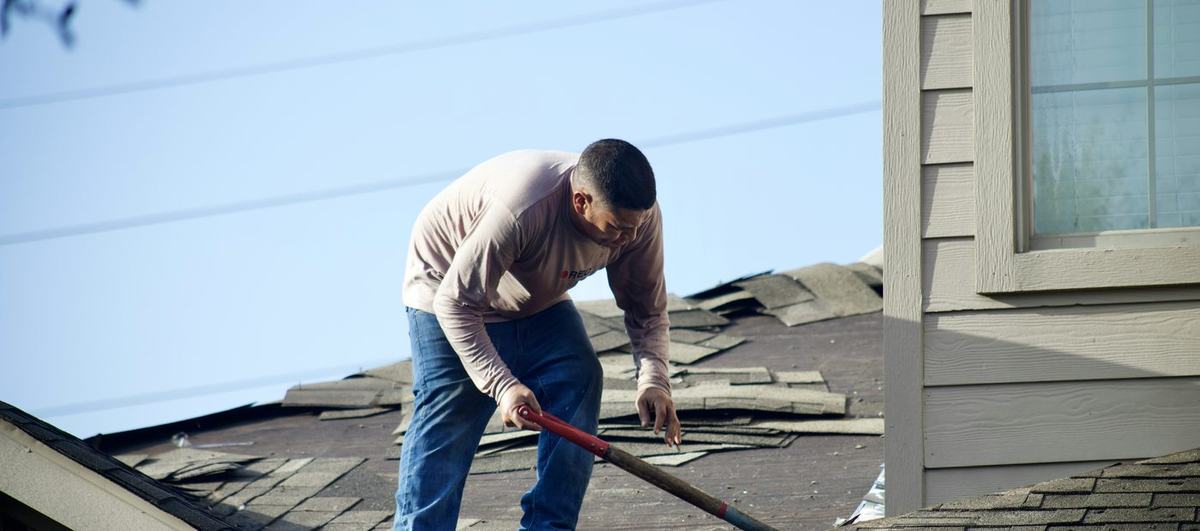
Before hiring an Illinois contractor, confirm the company’s legal business name, physical address, local registration status, license number where applicable, insurance coverage, and permit history when available.
Illinois residents can use the state’s professional license lookup to verify certain licensed professionals and businesses, including roofing contractors.
Illinois Home Repair Contracts
Illinois homeowners receive important protections under the Illinois Home Repair and Remodeling Act (815 ILCS 513). The law applies to many residential repair, remodeling, replacement, modernization, and addition projects. Violations may be treated as violations of Illinois consumer-fraud law.
The Act generally does not apply to original construction of a new residence, multifamily residential buildings with more than six dwelling units, or routine maintenance under $500.
What the Contract Must Include
For home-repair or remodeling projects that cost more than $1,000, contractors must provide a written contract or work order before beginning work. The contract should include:
- The contractor’s official business name and physical address.
- The contractor’s residential address if the contractor uses a P.O. Box.
- The total cost of the project.
- An itemized list of parts and materials with reasonable detail.
- The payment schedule.
- Estimated project start and completion dates.
- Terms related to termination or cancellation.
- Required licensing information, including the roofing contractor license number when applicable.
Consumer-rights pamphlet: For qualifying projects over $1,000, the contractor must give the homeowner the Illinois Attorney General’s Home Repair: Know Your Consumer Rights pamphlet before the contract is signed. The homeowner must sign a separate acknowledgement that they received the consumer-rights information.
Contract Cancellation Rights
Illinois homeowners usually have three business days to cancel a qualifying contract signed at their home. Homeowners age 65 or older may have up to 15 business days to cancel when an uninvited door-to-door solicitor initiated the transaction.
Illinois contractors must also provide proper disclosures if the contract includes mandatory binding arbitration or a jury-trial waiver. Read these provisions carefully, since arbitration and jury-trial terms may affect how future disputes are handled.
Illinois Contractor Insurance
Home repair and remodeling contractors covered by the Home Repair and Remodeling Act generally must carry public-liability and property-damage insurance unless they meet the statute’s net-worth exception. The law identifies minimum coverage of:
Request a current certificate of insurance before paying a deposit. For larger jobs, roofing projects, electrical work, plumbing work, demolition, and projects involving employees or subcontractors, also ask for proof of workers’ compensation coverage.
Do not rely only on a contractor’s verbal assurance that they are insured. Confirm that the policy is active, issued in the contractor’s legal business name, and appropriate for the type of work being performed.
Illinois Permits
Most building permits in Illinois are issued by local governments rather than by one statewide permit office. The permit authority may be a city, village, county, township, or other local jurisdiction.
A home’s mailing address does not always identify the proper permit authority. For example, a property with a Chicago-area mailing address may be in an incorporated suburb, an unincorporated Cook County area, or another jurisdiction with its own building department.
Questions to Ask the Building Department
Contact the building department before work begins and ask:
- Does this project require a building permit?
- Are separate electrical, plumbing, mechanical, roofing, or zoning permits required?
- Is a site plan, plat of survey, construction drawing, engineering plan, or architectural plan required?
- Does the contractor need local registration, insurance, or a municipal license?
- Who is authorized to pull the permit?
- Which inspections are required before work can be covered?
Projects That Often Require Permits
Permit requirements vary, but Illinois homeowners commonly need permits for:
- Structures: Additions, garages, detached structures, sheds, decks, porches, pools, and fences.
- Structural changes: Including removing or modifying load-bearing walls.
- Interior remodeling: Basement finishing and major interior remodels.
- Roofing: Replacement or substantial roof repairs in many Illinois jurisdictions.
- Electrical: Service upgrades, panel replacements, new circuits, generators, solar installations, and EV charger installations.
- Plumbing: Plumbing additions, bathroom and kitchen remodels, water-heater installations, sewer-line work, and repiping.
- Mechanical: Furnace, air-conditioner, heat-pump, ductwork, ventilation, fireplace, chimney, and gas-piping work.
- Energy-related work: Window replacements, insulation upgrades, siding replacement, and similar work when required locally.
- Site and right-of-way work: Driveways, drainage, sidewalks, curb cuts, and public-right-of-way work.
- Special cases: Demolition, major tree work, floodplain projects, and projects involving historic districts.
Rockford, for example, states that permits are required for all roofing work and for many forms of construction, alteration, replacement, repair, maintenance, and demolition. Naperville lists permits for many residential projects, including building work, electrical work, plumbing, solar, irrigation, fences, driveways, and sidewalks.
Not sure who should pull the permit? A licensed local contractor can handle permits and inspections for you.
Submit Your ProjectThe Illinois Inspection Process
After a permit is issued, Illinois building departments schedule inspections at specific construction stages. The required inspections depend on the project but may include:
- Footing and foundation inspections
- Framing inspections
- Rough plumbing inspections
- Rough electrical inspections
- Rough mechanical or HVAC inspections
- Insulation and energy-code inspections
- Drywall or fire-separation inspections
- Final building, electrical, plumbing, and mechanical inspections

A contractor should not cover framing, wiring, plumbing, insulation, or other regulated work until the required local inspection has passed. If work is concealed before inspection, the building department may require the contractor to remove finished materials so the work can be reviewed.
Illinois Cities and Counties
The following building department links are useful starting points for permit, inspection, contractor-registration, and code questions. Always verify the actual jurisdiction for the property address before applying.
| City or county | Building department or permit resource | Permit notes |
|---|---|---|
| Chicago | Chicago Department of Buildings | Handles permits, inspections, contractor licensing, trade licensing, and code enforcement within the city. |
| Aurora | Aurora Division of Building and Permits | Provides permit processing, plan review, inspections, and building-code enforcement. |
| Joliet | Joliet Residential Building Permit Information | Residential building permit forms, project requirements, and inspection contacts. |
| Naperville | Naperville Building Permits | Permit requirements for construction, additions, decks, fences, pools, electrical work, and other home projects. |
| Rockford | Rockford Building Permits | Identifies common permit triggers and required inspection steps. |
| Elgin | Elgin Permits | Building, electrical, plumbing, mechanical, roofing, and other permit information. |
| Peoria | City of Peoria Building Safety | City building permits and project-specific inspection requirements. |
| Springfield | Springfield Office of Public Works – Building and Zoning | Starting point for building permits, zoning approvals, inspections, and building-code questions. |
| Cook County (unincorporated) | Cook County Building and Zoning Permits | For unincorporated Cook County properties; incorporated municipalities often issue their own permits. |
| DuPage County (unincorporated) | DuPage County Building and Zoning | Confirm whether the address is inside a municipality before applying through the county. |
| Lake County (unincorporated) | Lake County Planning, Building & Development | County building and development information for unincorporated Lake County. |
| Will County (unincorporated) | Will County Land Use Department | Land-use, permit, and development requirements for unincorporated properties. |
| Kane County (unincorporated) | Kane County Development and Community Services | Unincorporated property permits, development, and building questions. |
| McHenry County (unincorporated) | McHenry County Planning and Development | County zoning, planning, development, and building-permit information. |
| Peoria County (unincorporated) | Peoria County Permits | County permits require an application and may require project documentation before approval. |
| Winnebago County (unincorporated) | Winnebago County Permits and Forms | Verify whether the property is in Rockford, another municipality, or an unincorporated county area. |
Illinois Building Codes
Illinois building codes are a combination of statewide requirements and locally adopted building codes. Cities and counties can adopt and enforce local building, residential, electrical, mechanical, fire, zoning, and property-maintenance rules.
Illinois also has statewide code requirements in key areas, including energy conservation, plumbing, accessibility, and certain building-code provisions for areas that do not maintain locally adopted codes. The Illinois Capital Development Board provides guidance on statewide building-code requirements and updates.
The Illinois code directory on UpCodes indexes building, existing-building, energy, plumbing, accessibility, fire, life-safety, elevator, and electrical resources. Always confirm the actual code edition and local requirements with the authority having jurisdiction.
| Code | What it covers | Why it matters for homeowners | Resource |
|---|---|---|---|
| Illinois home repair law | Residential contractor contracts, consumer-rights notices, insurance, and prohibited practices | Applies to many Illinois remodeling and repair contracts, especially projects above $1,000 | Home Repair and Remodeling Act |
| Illinois building code | General building construction standards for larger, commercial, mixed-use, and some multifamily projects | Relevant to multifamily, mixed-use, and larger-scale residential projects | Illinois Building Code |
| Illinois residential building code | New one- and two-family homes, townhouses, additions, decks, stairs, framing, roofs, and life-safety requirements | Important for additions, decks, porches, structural repairs, attic conversions, and major remodels | Illinois building-code resources |
| Illinois existing building code | Repairs, alterations, additions, occupancy changes, and renovations in existing structures | Especially useful for older homes, historic properties, adaptive reuse, and extensive remodels | Illinois code directory |
| Illinois energy conservation code | Energy efficiency, insulation, air sealing, windows, HVAC performance, lighting, and building-envelope requirements | Applies to many additions, alterations, repairs, window projects, insulation upgrades, and HVAC projects | Illinois Energy Conservation Code |
| Illinois plumbing code | Water supply, drain and waste piping, vents, fixtures, water heaters, backflow protection, and sanitary systems | Important for kitchen remodels, bathroom remodels, repiping, water-heater replacement, and sewer projects | Illinois Plumbing Code |
| Illinois electrical code / NEC | Electrical wiring, panels, circuits, grounding, GFCI and AFCI protection, smoke alarms, generators, solar, and EV chargers | Important for electrical repairs, service upgrades, kitchen or bath remodels, additions, basement finishes, and EV charger installations | Illinois Electrical Code (NFPA 70) |
| Illinois mechanical code | Heating, cooling, ventilation, ductwork, exhaust, combustion air, and equipment installation | Applies to furnace, air-conditioner, heat-pump, ventilation, ductwork, and exhaust projects | Illinois Mechanical Code |
| Illinois fuel gas code | Gas piping, gas appliances, combustion safety, venting, and gas connections | Important for furnaces, boilers, water heaters, fireplaces, ranges, dryers, generators, and outdoor gas lines | Check the local building department’s adopted-code page |
| Illinois accessibility code | Accessibility standards for public buildings, multifamily common areas, commercial facilities, and qualifying alterations | May apply to rental, multifamily, commercial, and common-area work; less commonly triggered by typical single-family remodels | Illinois Accessibility Code |
| Illinois fire and life-safety codes | Fire prevention, fire protection, alarms, exits, emergency access, and life-safety requirements | More common in multifamily, commercial, and larger projects, but may affect attached garages, fire separations, smoke alarms, and egress windows | Illinois code directory |
| Illinois property-maintenance code | Minimum standards for existing building safety, sanitation, exterior maintenance, weather protection, and occupancy | Useful for identifying unsafe decks, damaged roofs, deteriorated siding, broken stairs, moisture intrusion, and unsafe living conditions | Illinois code directory |
| Illinois elevator safety code | Elevator and conveyance installation, inspection, maintenance, and safety | Most relevant to multifamily, commercial, and accessibility projects with elevators or lifts | Illinois code directory |
| Local zoning code | Setbacks, lot coverage, building height, fence rules, sheds, accessory structures, parking, and property use | A project may require zoning approval even when it does not need a full building permit | Contact the local planning, zoning, or building department |
Which Electrical Code Applies in Illinois?
Illinois does not apply one single electrical-code edition uniformly to every home-service project statewide. Electrical-code adoption and enforcement are commonly handled by the city, village, county, or other local authority with jurisdiction over the property.
Under Illinois’ statewide building-code framework, non-building-code jurisdictions must use the current edition of the National Electrical Code or the edition immediately preceding it for qualifying work. However, Illinois municipalities can adopt and enforce their own local electrical-code editions and amendments.
For that reason, confirm the applicable electrical code directly with the local building department before beginning work. Ask this question before hiring an electrician or pulling a permit:
“What edition of the National Electrical Code applies to my property address and permit application date?”
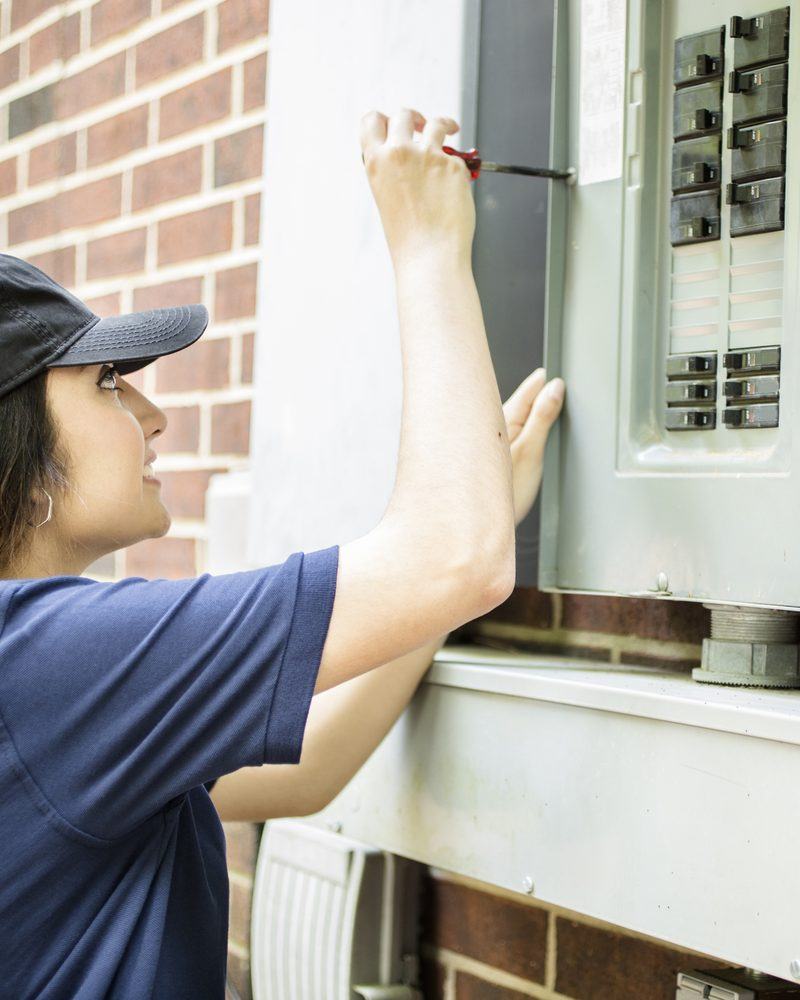
This is especially important for projects involving:
- Electrical-panel replacements or service upgrades
- Kitchen and bathroom remodels
- Basement finishing
- Home additions
- Generators
- Solar systems
- EV charger installations
- New outlets, circuits, or major appliance connections
- Smoke and carbon-monoxide alarm upgrades
The applicable NEC edition can affect requirements for GFCI outlets, AFCI circuit protection, panel labeling, grounding, surge protection, smoke alarms, EV charging equipment, and electrical clearances.
Illinois Weather-Related Repairs
Illinois homes are exposed to snow, ice, subfreezing temperatures, freeze-thaw cycles, heavy rain, thunderstorms, hail, wind, humidity, and wide seasonal temperature changes. These conditions create recurring repair and remodeling needs across the state.
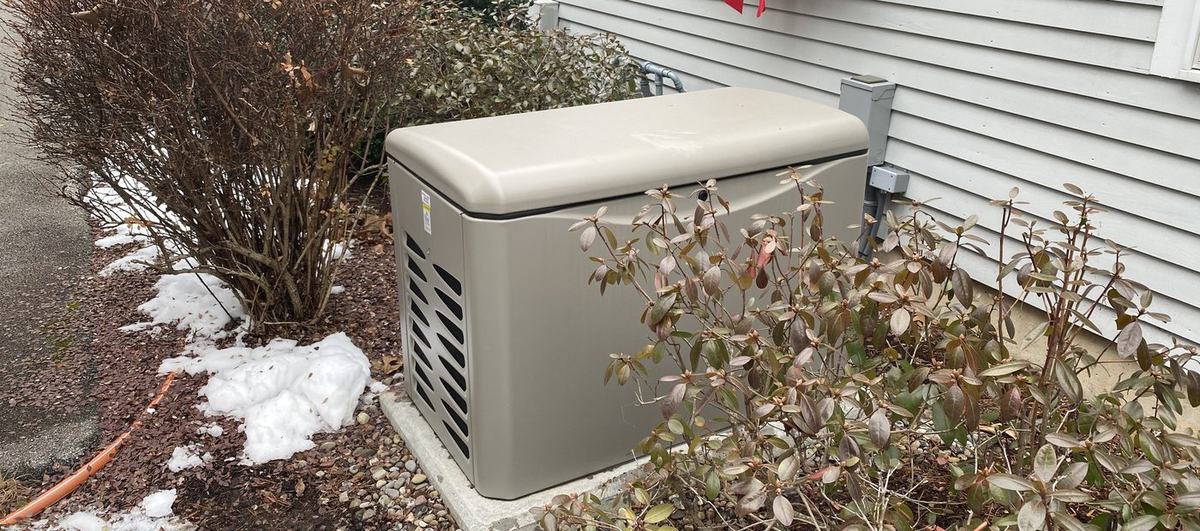
| Home issue | Why it happens in Illinois | Common contractor services |
|---|---|---|
| Foundation cracks and basement leaks | Freeze-thaw cycles, clay soils, heavy rainfall, snowmelt, drainage issues, and groundwater can pressure foundations | Crack repair, drainage correction, sump-pump installation, French drains, waterproofing, crawlspace encapsulation |
| Sump-pump failures | Heavy rain, snowmelt, storms, power outages, and aging equipment can cause basement flooding | Sump-pump replacement, battery backup, secondary pumps, alarms, discharge-line repairs |
| Ice dams and roof leaks | Snow on roofs, heat loss from attics, inadequate air sealing, and poor ventilation can allow meltwater to back up beneath shingles | Roofing repairs, flashing replacement, attic insulation, air sealing, ventilation upgrades |
| Hail and wind damage | Severe storms can damage roofing, gutters, siding, trim, windows, and skylights | Roof inspection, licensed roof replacement, siding repair, gutter replacement, storm-damage documentation |
| Masonry and tuckpointing needs | Water enters mortar joints, freezes, expands, and breaks down mortar and masonry surfaces | Tuckpointing, chimney repair, brick replacement, lintel repair, masonry sealing |
| Window and door drafts | Temperature changes and freeze-thaw movement can damage seals, caulking, weatherstripping, and exterior trim | Window replacement, door replacement, exterior caulking, weatherstripping, flashing repairs |
| Drywall cracks and ceiling stains | Moisture intrusion, roof leaks, plumbing leaks, settlement, and seasonal movement can damage finishes | Leak investigation, drywall repair, roof repair, plumbing repair, moisture remediation |
| Deck and porch deterioration | Snow, ice, standing water, moisture exposure, and temperature shifts can damage boards, stairs, railings, fasteners, and supports | Deck repairs, railing replacement, structural reinforcement, board replacement, staining and sealing |
| Driveway and walkway cracks | Moisture penetrates cracks and expands when frozen, causing heaving, spalling, and larger cracks | Crack sealing, concrete repair, resurfacing, drainage improvements, replacement |
Dealing with a leaky basement, ice dams, or storm damage? Get matched with vetted local pros who handle Illinois weather repairs.
Get MatchedIllinois Homes and Common Upgrades
- Chicago bungalows often need attic insulation, air sealing, masonry tuckpointing, clay-pipe or aging plumbing updates, electrical modernization, roof repairs, and attic or dormer conversions.
- Greystones and two-flats may require extensive masonry work, waterproofing, electrical upgrades, fire-safety improvements, ventilation changes, and careful planning for multifamily or historic-property requirements.
- Ranch and split-level homes commonly benefit from HVAC replacement, electrical-panel upgrades, basement waterproofing, low-slope roof repair, window upgrades, and structural planning when opening kitchens or removing walls.
- Older Illinois homes should be evaluated for lead paint, asbestos-containing materials, outdated electrical systems, inadequate insulation, aging plumbing lines, poor drainage, failing caulk, and deteriorated exterior masonry before major work begins.
Illinois Homeowner FAQ
Do Illinois general contractors need a state license?
No. Illinois does not have one statewide general-contractor license that applies to every home-repair or remodeling project. However, cities, villages, and counties may require local contractor registration, licensing, insurance, or permit eligibility. Always contact the local building department before hiring a contractor or starting work.
Do Illinois roofers need a license?
Yes. Roofing contractors must hold an Illinois roofing contractor license through the Illinois Department of Financial and Professional Regulation. Verify the roofing contractor’s license and business information before signing a contract or making payment.
Do Illinois plumbers need a license?
Yes. Illinois requires licensing for individuals who plan, inspect, install, alter, extend, repair, or maintain plumbing systems. Verify both the plumber’s credentials and the plumbing contractor’s registration before plumbing work begins.
Do Illinois electricians need a state license?
Illinois does not have one statewide electrician license that governs every home project. Electrical licensing is commonly handled by local jurisdictions. Ask the local building department whether your electrician must be licensed, registered, or approved locally.
Do I need a permit for a home repair in Illinois?
It depends on the project and the local jurisdiction. Structural work, additions, decks, roofing, electrical upgrades, plumbing changes, HVAC replacements, basement finishing, water-heater installations, and many exterior projects often require permits. Contact the local building department before work begins.
Who should pull the Illinois building permit?
Usually, the contractor should pull the permit when the work requires a licensed or registered contractor. Be cautious if a contractor asks you to pull the permit solely because they are not licensed, insured, or eligible to obtain it. Confirm local rules directly with the building department.
What should an Illinois home-repair contract include?
For many repair or remodeling projects over $1,000, the written contract should include the contractor’s business name and physical address, total cost, itemized materials, payment schedule, estimated start and completion dates, and cancellation or termination terms.
Can I cancel a home-repair contract in Illinois?
Often, yes. If you sign a qualifying contract at your home, Illinois law generally gives you three business days to cancel. Homeowners age 65 or older may have 15 business days when an uninvited door-to-door salesperson initiated the transaction.
Does an Illinois contractor have to provide consumer-rights information?
For qualifying home-repair and remodeling projects over $1,000, the contractor must give the homeowner the Illinois Attorney General’s “Home Repair: Know Your Consumer Rights” pamphlet before the contract is signed.
What electrical code applies to my Illinois home project?
The answer depends on the local jurisdiction. Illinois does not apply one NEC edition uniformly to every home project. Contact the local building department and ask which National Electrical Code edition applies to your address and permit application date.
Are Illinois contractors required to carry insurance?
Contractors covered by the Illinois Home Repair and Remodeling Act generally must carry required public-liability and property-damage insurance unless an exception applies. Ask for current general liability and workers’ compensation certificates before work starts.
How can I protect myself from Illinois home-repair scams?
Get multiple written estimates, verify licenses and local registration, confirm insurance, insist on a detailed written contract, verify permit responsibility, avoid cash-only demands, avoid unusually large deposits, and be cautious with door-to-door offers after storms. Keep copies of all contracts, photos, receipts, permits, inspection approvals, warranties, and communication.
Find a Vetted Illinois Contractor
The right contractor for your Illinois project holds any required state trade license, meets local registration and insurance rules, pulls the right permits, and puts everything in a clear written contract.
Submit your project details on My Licensed Contractor to get matched with vetted local pros for repairs, remodeling, and upgrades across Illinois.
Submit Your Illinois ProjectThis guide is general information, not legal advice. Rules change and vary by municipality, so confirm requirements with your local building department before starting work.