
New York Home Repair & Upgrade Guide
New York sets one statewide building and energy code, but cities, towns, villages and counties issue the permits and license the trades. New York City runs its own system on top of that.
This guide explains how to hire the right contractor, sign a solid contract, handle deposits and get your project permitted and inspected anywhere in the state.
Licensing Is Local
There is no statewide general contractor license. Check the rules in your city, town or county.
3 Days to Cancel
You can cancel a home improvement contract in writing until midnight of the third business day.
2025 Codes Apply
Permit applications filed since December 31, 2025 follow the updated NYS Uniform and Energy Codes.
Plan Your New York Project
A home project in New York has to account for permits, contractor credentials, inspections, historic-property rules and a climate that is hard on houses. Getting those pieces lined up early saves money later.
Before you sign with anyone, define the scope, check the contractor's local license and trade credentials, confirm who will pull permits, get a detailed written contract, and make sure inspections pass before walls are closed or the final check is written.
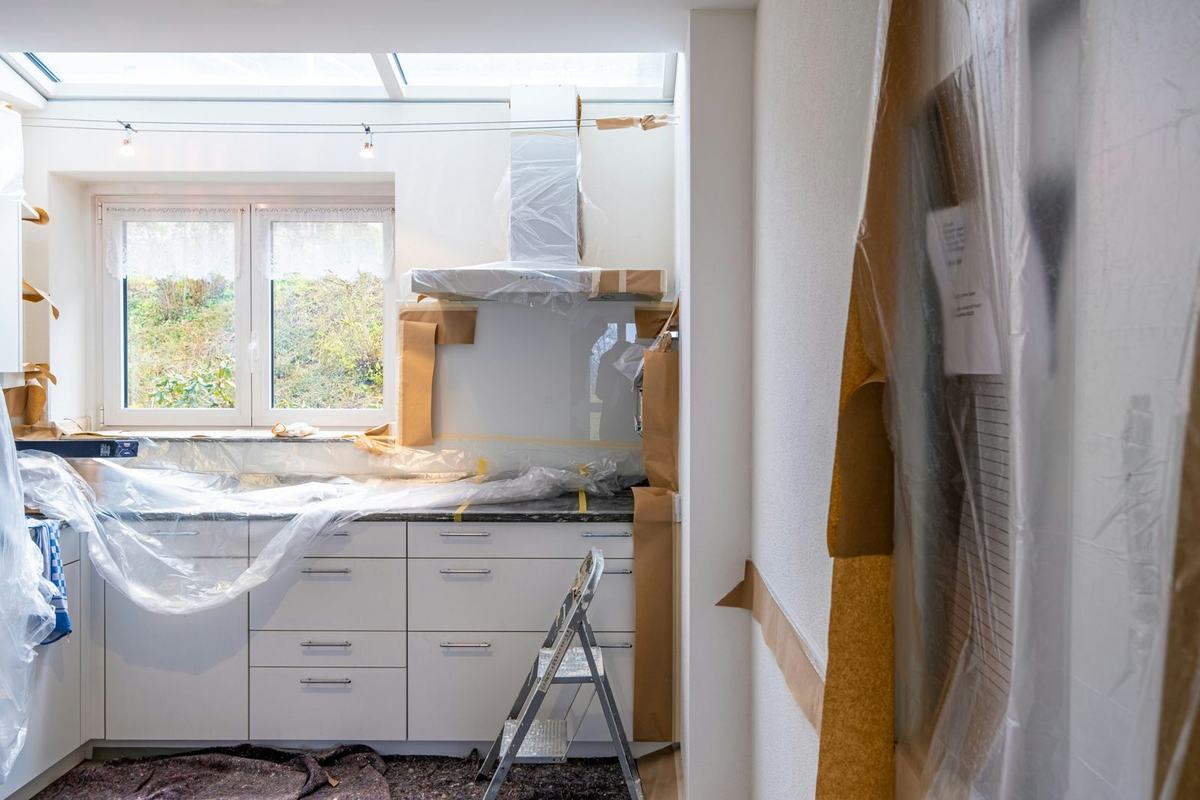
Start by asking whether the work touches structure, utilities, safety systems, energy performance, drainage or historic features. Cosmetic work is usually simple. Kitchens, bathrooms, basements, additions, roofing, electrical and plumbing changes, HVAC replacements, decks, pools and EV chargers usually involve permits and licensed trades.
Projects That Need Early Planning
- Structural: Wall removal, new beams, foundation repairs, additions, dormers and garage conversions.
- Kitchens and baths: Remodels that move plumbing, gas piping, circuits or ventilation.
- Electrical: Panel upgrades, rewiring, service upgrades, generators, solar, batteries and Level 2 EV chargers.
- Heating and cooling: Boilers, furnaces, heat pumps, central air, ductwork, chimneys, fireplaces and gas work.
- Exterior envelope: Roof replacement, roof-deck repairs, masonry, chimney repair, waterproofing and façade work.
- Basements: Finishing, waterproofing, egress windows, sump pumps, drainage changes and flood mitigation.
- Outdoor structures: Decks, porches, pools, fences, sheds and retaining walls.
- Special locations: Historic districts, landmarked buildings, co-ops, condos, floodplains and hillside lots.
Snow, ice, freeze-thaw cycles, heavy rain, summer humidity and wet basements can turn a small defect into a big repair. Many New York homes also have older materials, so water management, insulation, masonry upkeep, electrical updates and aging plumbing come up often.
New York Contractor Requirements
New York has no single statewide general contractor license that covers home repair and remodeling. Cities, towns, villages and counties set their own general contractor, home improvement and specialty trade rules.
A contractor licensed or registered in one New York jurisdiction may not be allowed to work in another. Always check the rules for the town or city where your property sits.
Specialty Trades Outside NYC
Outside New York City, local governments commonly license or register plumbers, electricians, HVAC contractors, home improvement contractors, septic installers and fire-suppression contractors. Several counties, including Westchester, Rockland and Putnam, run their own home improvement licensing programs.
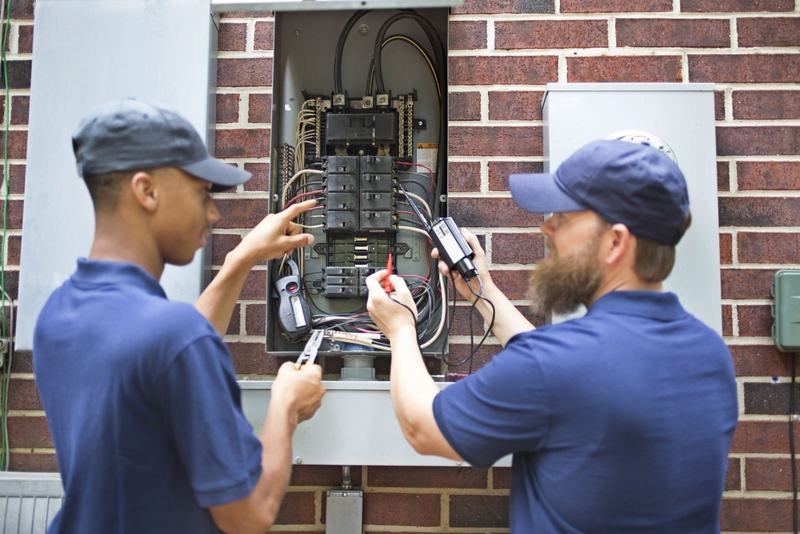
For electrical, plumbing, gas, boiler and HVAC work, ask these questions before you sign:
- Is your company licensed or registered in this municipality?
- Who is the named master electrician, master plumber or license holder?
- Will your licensed trade contractor pull the permit?
- Are you using subcontractors on this job?
- Can I get each subcontractor's license and insurance in writing?
- Are you authorized to schedule the required inspections?
New York City Contractor Licenses
NYC treats home improvement licensing and general contractor registration as two separate things, handled by two different agencies. Trade work and plan filings need their own licensed professionals.
| NYC credential | Typically needed for | Issued by | What to verify |
|---|---|---|---|
| Home Improvement Contractor license | Residential repair, remodeling, alterations, driveways, fences, landscaping, pools, basements and similar work over $200 | NYC Department of Consumer and Worker Protection | Active DCWP license, company name, contract compliance, insurance and permit disclosure |
| General Contractor registration | New one-, two- and three-family construction, structural work, demolition and other work that needs a DOB building permit | NYC Department of Buildings | Active DOB registration, insurance, permit authority and whether a Registered Design Professional is required |
| Licensed Master Electrician | Electrical installs and alterations, service upgrades, panels, major rewiring, EV chargers, generators and solar electrical work | NYC Department of Buildings | License status and who is responsible for filing the electrical permit |
| Licensed Master Plumber | Plumbing, gas piping, water service, drainage, sewer, boiler-related plumbing and major fixture work | NYC Department of Buildings | License status, insurance, permit responsibility and scope of plumbing or gas work |
| Registered Design Professional | Projects that need plans, structural review or DOB filings | NYS-licensed architect or professional engineer | Who prepares and files drawings, answers DOB objections and certifies completion |
To register as a General Contractor in NYC, DOB also requires proof of workers' compensation and disability insurance, plus a background investigation for anyone applying to work on one-, two- and three-family homes. Contractors who pull permits must keep that insurance active. You can look up a license through NYC311's Home Improvement Contractor License Check.
Skip the license lookups. We connect New York homeowners with contractors whose licenses and insurance have been checked.
Find ContractorsNew York Home Improvement Contracts
Get a written contract for any substantial repair or remodel. New York law expects home improvement contracts to be clear and legible, written in plain English (or in the language used during the sales pitch), and to spell out the key project details before work begins.

What a Strong Contract Includes
- The contractor's full legal business name, address, phone number and local license or registration number
- A detailed description of the work
- Materials, brands, model numbers, allowances and finish selections
- Total price and payment schedule
- Approximate start and completion dates
- How changes, extra work, delays and price changes will be handled
- Who handles permits and inspections
- Insurance information
- Warranty terms
- Signatures from both contractor and homeowner
- A separate notice of cancellation form
According to the New York Attorney General, you can cancel a home improvement contract for any reason until midnight of the third business day after you sign, as long as you cancel in writing.
NYC Permit Disclosure (Local Law 181 of 2025)
Starting June 10, 2026, NYC home improvement contractors must hand you a written permit disclosure before or when you sign. It has to list the permits the job is expected to need, say who is responsible for getting each one, describe the steps involved, estimate the permit fees, and explain how you can check permit status in City databases.
This clears up a common source of confusion: who is actually on the hook for DOB permits, electrical and plumbing permits, plan filings and inspections.
Deposits, Payments, and Escrow
Avoid large cash deposits. Tie each payment to a finished, measurable stage of work instead of a date on the calendar.
Money paid before substantial completion generally must be held in a trust or escrow account at a New York bank, unless the contractor has posted a bond.
The funds can only be used for your job, and the contractor has to tell you where the money is held. A practical payment schedule looks like this:
- Modest first payment after the contract is signed and permit applications are submitted.
- Milestone payments after approved stages such as demolition, rough framing, rough plumbing and electrical inspections, drywall or cabinets.
- Final payment once final inspections pass, the punch list is done, lien releases are in hand where appropriate, and warranties and closeout documents are delivered.
Don't pay in cash. Keep copies of the signed contract, change orders, permits, inspection approvals, invoices, warranties, photos and messages.
New York Permits and Inspections
Permits and inspections are handled by the local authority having jurisdiction. That can be a city, town, village or county. Inside the five boroughs, it is the NYC Department of Buildings.
The state's Uniform Code and Energy Code apply everywhere in New York, but local code offices enforce them. They review applications, issue permits, inspect work, issue certificates of occupancy or compliance, investigate complaints and can issue stop-work orders.
Projects That Often Need a Permit
- Additions, dormers, garages, sheds and accessory structures
- Structural wall removal, beams, roof framing and foundation work
- Basement finishing, egress windows and changes of use
- Decks, porches, retaining walls, fences, pools, spas and pool barriers
- Panel upgrades, new circuits, rewiring, generators, solar, batteries and EV chargers
- Plumbing changes, new bathrooms, water heaters, gas piping and sewer work
- Boilers, furnaces, heat pumps, AC, ductwork, chimneys and fireplaces
- Roofing that involves decking, framing or drainage
- Windows, doors and insulation that affect energy-code compliance
- Demolition, major masonry, façade work and historic alterations
- Driveways, curb cuts, sidewalks, sewer and right-of-way work

Painting, wallpapering, swapping interior finishes and some like-for-like repairs may not need a permit. Don't assume an exemption applies when structural, electrical, plumbing, HVAC, gas, fire-safety, egress or energy-code issues are involved.
How the Permit Process Usually Works
- Confirm the jurisdiction. Find out whether the property is in a city, town, village or unincorporated county area, and whether it sits in a historic district, floodplain or special zoning district.
- Identify the approvals you need. Your project may need building, electrical, plumbing, mechanical, fire, zoning, landmark, environmental, curb-cut, sidewalk, sewer or utility approvals.
- Prepare plans. Smaller trade jobs may only need an application and equipment specs. Larger renovations often need drawings, structural calculations, energy-code documents, site plans, surveys and plans from a registered design professional.
- Submit the application. Depending on local rules, the contractor, owner, architect, engineer, licensed electrician or licensed plumber files it.
- Plan review. The department checks the plans against the code, zoning, local amendments, energy rules and safety standards.
- Permit issued. Once corrections are made and fees are paid, the permit is issued. It usually has to be posted at the job site.
- Inspections. The contractor schedules inspections at key stages: footing, foundation, framing, rough electrical, rough plumbing, rough mechanical, insulation, fire separation and final.
- Final approval. The local agency issues a certificate of occupancy, certificate of compliance or final sign-off after the work passes.
In New York City, DOB must receive and review an application before construction starts. Projects that need permits generally also need approved plans filed through DOB systems.
Want a contractor who handles the permits? Get matched with licensed New York pros who pull permits and schedule inspections.
Submit Your ProjectNew York Building Departments
Use these links as a starting point for permit, inspection, zoning and code questions. Always confirm the right office for your exact address, since many county residents are served by their town or village instead.
| City or county | Building department or permit resource | Notes |
|---|---|---|
| New York City | NYC Department of Buildings | Applications, permits, inspections, code enforcement and contractor registration across all five boroughs. |
| Buffalo | Buffalo Building Permits | Issues permits, reviews plans, inspects work and enforces NYS codes and local ordinances. |
| Rochester | City of Rochester Building Permits | Permit guidance for roofing, decks, additions, new structures and other home projects. |
| Yonkers | Department of Housing and Buildings | Building, plumbing, electrical, zoning and inspection requirements. |
| Syracuse | Syracuse Central Permit Office | Online portal for applications, document uploads, fee payments and status tracking. |
| Albany | Buildings and Regulatory Compliance | Building permits, code enforcement, zoning and property maintenance questions. |
| New Rochelle | New Rochelle Building Department | Building permits, inspections, planning and local contractor requirements. |
| Mount Vernon | Mount Vernon Department of Buildings | Construction permits, inspections, certificates and code enforcement. |
| Schenectady | City of Schenectady Building Department | Building permits, inspections, property maintenance and local code questions. |
| Utica | City of Utica Codes Enforcement | Permits, inspections, building safety and zoning compliance. |
| Nassau County | Building and Zoning Permits | Most permits come from your city, town or village. The county lists municipal contacts. |
| Suffolk County | Department of Public Works | Check whether your town, village or the county handles the project. |
| Westchester County | Consumer Protection: Choosing a Contractor | Helpful for vetting contractors. Permits are usually handled by your municipality. |
| Erie County | Department of Public Works | Confirm whether your address is in Buffalo, another municipality or an unincorporated area. |
| Monroe County | Department of Public Safety | Most permits are issued by the city, town or village. |
| Onondaga County | Department of Transportation | Contact your municipality or the City of Syracuse for most residential permits. |
| Rockland County | Consumer Protection | County home improvement licensing. Check local rules for construction permits. |
| Putnam County | Consumer Affairs | Contractor registration and consumer questions. Local municipalities issue building permits. |
| Jefferson County | Jefferson County Code Enforcement | Permits, plan review, inspections, certificates of occupancy and fire-safety inspections in covered areas. |
| Washington County | Washington County Code Enforcement | Plan review, permits, construction inspections and NYS code enforcement in its jurisdiction. |
New York Building Codes
New York State's updated Uniform Code and Energy Code took effect on December 31, 2025. Permit applications filed on or after that date generally have to meet the 2025 code books. New York City has its own construction codes, including its own electrical and energy codes, so check the current edition and filing rules with your building department before you finalize plans.
| Code | What it covers | Common home projects | Resource |
|---|---|---|---|
| NYS Building Code | Structural safety, foundations, fire resistance, egress and larger or multifamily buildings | Additions, major structural work, garages, mixed-use and multifamily work | NY Building Code |
| NYS Residential Code | One- and two-family homes and townhouses: framing, roofs, decks, stairs, foundations | Additions, decks, porches, roof framing, basements, new homes | NY Residential Code |
| NYS Plumbing Code | Water supply, drains, vents, fixtures, water heaters and sanitary systems | Bath and kitchen remodels, water heaters, repiping, sewer work | NY Plumbing Code |
| NYS Mechanical Code | Heating, cooling, ventilation, ductwork, combustion air and exhaust | Boilers, furnaces, heat pumps, mini-splits, range hoods, bath fans | NY Mechanical Code |
| NYS Energy Conservation Construction Code | Insulation, air sealing, windows, HVAC efficiency and lighting | Additions, window replacement, insulation, HVAC replacement | NY Energy Code |
| Electrical Code / NFPA 70 | Wiring, circuits, panels, grounding, GFCI and AFCI protection, generators, EV chargers, solar | Panel upgrades, rewiring, kitchens, baths, EV chargers, batteries | National Electrical Code |
| Existing Building Code | Alterations, additions, repairs and changes of occupancy in existing buildings | Brownstone updates, apartment renovations, older-home remodels, conversions | NYS code library |
| Fire Code | Fire prevention and protection, alarms, emergency access and life safety | Multifamily renovations, garages, additions, fire-safety upgrades | NYS code library |
| Property Maintenance Code | Minimum standards for existing structures: weather protection, safety, sanitation | Unsafe stairs, failing decks, roof leaks, broken windows, moisture | NYS code library |
| Local zoning and landmark rules | Setbacks, lot coverage, height, fences, accessory structures, historic appearance | Sheds, pools, fences, decks, additions, driveways, façade work | Your local planning, zoning, landmarks or building department |
Some of the linked code resources show 2024 model code editions. The 2025 New York State code books, effective December 31, 2025, include updated state amendments and are the controlling statewide reference for new permit applications, subject to local administration.
NYC Electrical Code Update
New York City fully implemented its updated Electrical Code on December 21, 2025. It uses the 2020 National Electrical Code (NFPA 70) as its baseline, plus NYC-specific amendments. This replaced a much older baseline, so new electrical work in the city is now reviewed against a more current safety standard.
| Area | What it means for NYC homeowners |
|---|---|
| Electrical renovations | New wiring, renovated circuits, panels, service upgrades and alterations must meet the 2025 NYC Electrical Code and its local amendments. |
| Kitchen and bath remodels | New or altered circuits, outlets, lighting, appliance connections and GFCI/AFCI protection must meet current rules. |
| Older buildings | Existing systems don't need replacing just because the code changed, but new work must meet it and tie in safely. |
| Panel upgrades | Fuse panels, undersized services, overloaded circuits and ungrounded outlets may lead to broader corrective work. |
| EV chargers | Level 2 chargers usually need a dedicated circuit, load calculation, permit and filing by a Licensed Master Electrician. |
| Solar and batteries | Solar, storage, inverters, disconnects and service equipment need electrical, structural, fire-safety and DOB coordination. |
| Low-voltage work | New provisions affect low-voltage installs. Confirm permit and licensing needs for security, data and access-control systems. |
| Licensed work | Permitted electrical work in NYC must go through a licensed professional, usually a Licensed Master Electrician. |
NYC Energy Code Changes
Enforcement of the 2025 NYC Energy Conservation Code began March 30, 2026. It is based on the 2025 New York State Energy Conservation Construction Code, which builds on the 2024 International Energy Conservation Code, with City amendments. It can affect:
- Insulation and air sealing during additions and major renovations
- Replacement windows, exterior doors and skylights
- HVAC equipment selection and efficiency
- Duct location, duct sealing and ventilation
- Building-envelope upgrades
- Limits on electric-resistance heating in some situations
- Energy documentation filed with permit applications
Code Changes and Older New York Buildings
Brownstones, rowhouses, prewar apartments and older multifamily buildings often have knob-and-tube or cloth-insulated wiring, fuse boxes, ungrounded outlets, galvanized pipes, older boilers, solid masonry walls and little insulation.
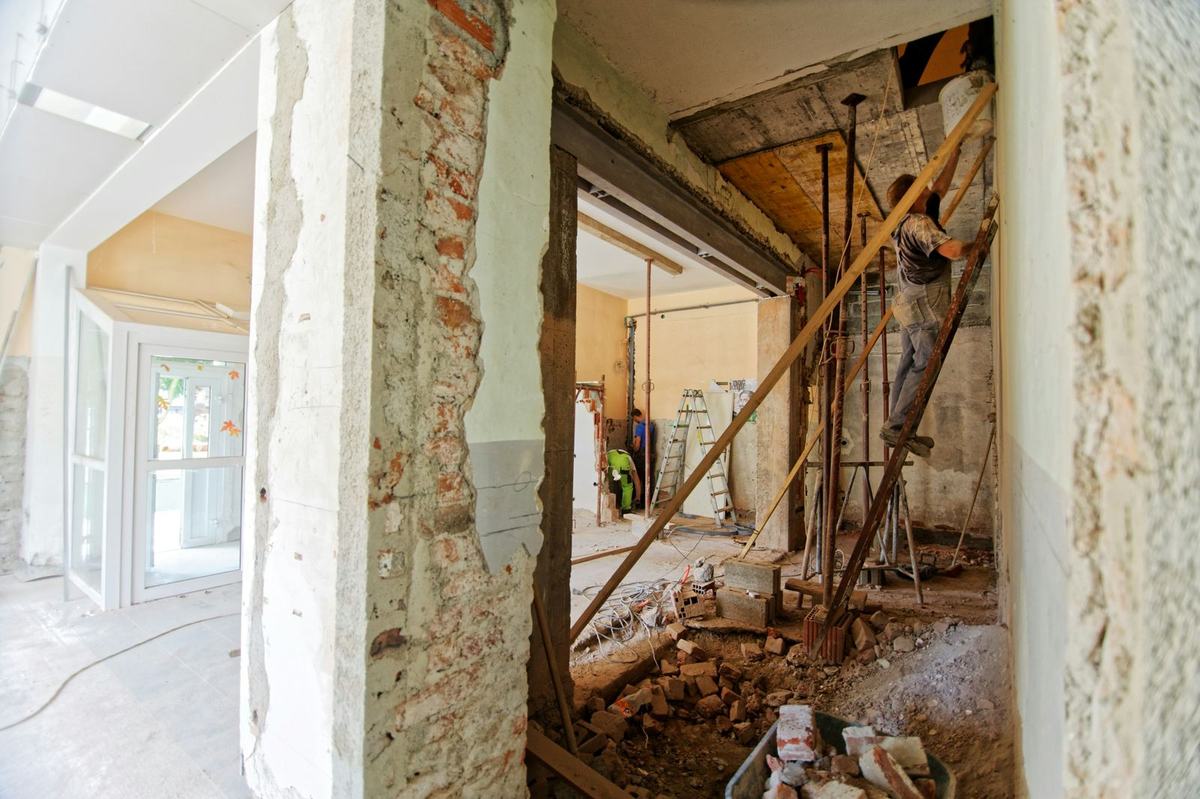
A new code doesn't force you to bring everything up to new-construction standards overnight. When you alter, extend, replace or significantly upgrade a system, though, the new work generally has to meet the current code. Some examples:
- Replacing a panel may require updated grounding, bonding, labeling, breaker protection, clear working space and possibly more service capacity.
- Finishing a basement may require legal egress, insulation, fire separation, electrical protection, smoke and CO alarms, and moisture control.
- A kitchen remodel may require GFCI/AFCI protection, dedicated appliance circuits, ventilation and code-compliant wiring.
- Replacing a boiler or HVAC system brings in current mechanical, ventilation, combustion-safety and energy rules.
- Adding an EV charger may show that a 100-amp service is too small, leading to a load calculation, load management, a panel upgrade or utility work.
Being old is different from being officially historic. A designated historic building may qualify for alternative compliance methods when strict new-construction rules would damage protected features. In New York City, exterior work and other changes to landmarked properties may also need Landmarks Preservation Commission review on top of DOB approval.
Common New York Repairs
Hard winters, dense housing and an aging building stock create a familiar list of repairs across the state.
| Issue | Why it happens | Typical fix or upgrade |
|---|---|---|
| Roof leaks and ice dams | Snow, freeze-thaw cycles, clogged gutters, failing flashing and attic heat loss push water under roofing | Roof and flashing repair, attic air sealing, insulation, ventilation, gutters, water-damage repair |
| Basement water | Heavy rain, snowmelt, high water tables, aging foundations and poor drainage | Sump pump with battery backup, interior drainage, exterior waterproofing, crack repair, grading |
| Masonry deterioration | Water gets into brick, stone and mortar joints, then expands when it freezes | Tuckpointing, brick replacement, chimney and lintel repair, flashing, façade restoration |
| Drafty windows and doors | Worn seals, warped frames, poor weatherstripping and single-pane glass | Weatherstripping, air sealing, storm windows, insulated replacements, trim repair |
| Aging plumbing | Old pipes, fixtures, drains, shutoff valves and water heaters corrode and leak | Repiping, drain repair, water-heater replacement, fixture upgrades, leak detection |
| Outdated wiring | Too few circuits, ungrounded outlets, fuse panels, cloth wiring, overloaded circuits | Electrical inspection, panel upgrade, rewiring, dedicated circuits, GFCI/AFCI and surge protection |
| Inefficient heating and cooling | Old boilers, radiators, furnaces, window units, ducts and controls | Boiler replacement, heat pumps, ductless mini-splits, thermostat upgrades, insulation |
| Mold and moisture | Leaks, condensation, poor ventilation, wet basements and roof failures | Fix the source, improve ventilation, water and mold remediation, replace damaged materials |
| Foundation cracks | Freeze-thaw cycles, soil movement, water and older foundation materials | Drainage correction, structural evaluation, injection repair, engineered stabilization |
| Exterior and façade wear | Weather exposure on siding, trim, paint, brick, porches, steps, railings and stoops | Painting, siding repair, masonry restoration, porch repair, handrail upgrades, drainage work |
Popular New York Upgrades
- Kitchen renovations with updated wiring, ventilation, plumbing, cabinetry and efficient appliances
- Bathroom remodels with better waterproofing, exhaust fans, updated plumbing and safer electrical protection
- Panel upgrades and dedicated circuits for EV chargers, heat pumps, induction cooking or home offices
- Basement waterproofing, sump pumps, backup power and safe basement finishing
- Attic insulation, air sealing, new windows, heat pumps and high-efficiency boilers
- Roof replacement, flashing, attic ventilation, gutters, chimney and masonry work
- Safer decks, porches, stoops, railings and exterior stairs
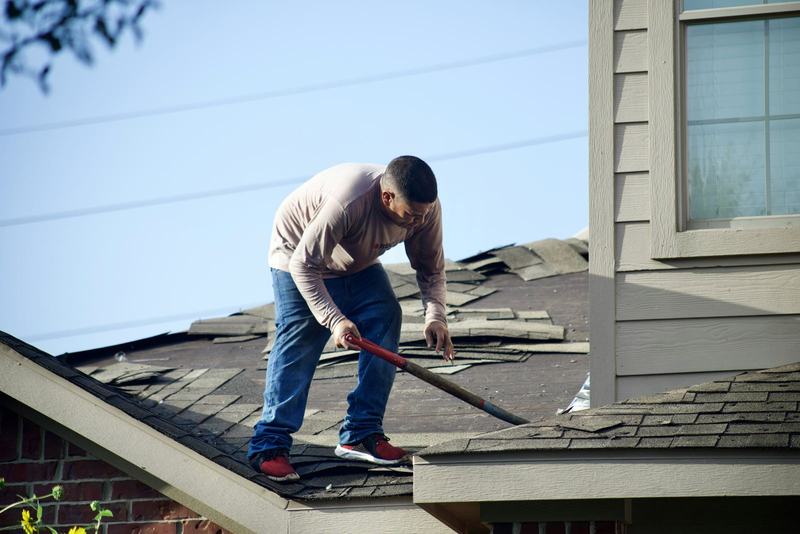
Roof leak, wet basement or drafty windows? Get connected with licensed New York contractors for repairs and upgrades.
Get QuotesNew York EV Charger Planning
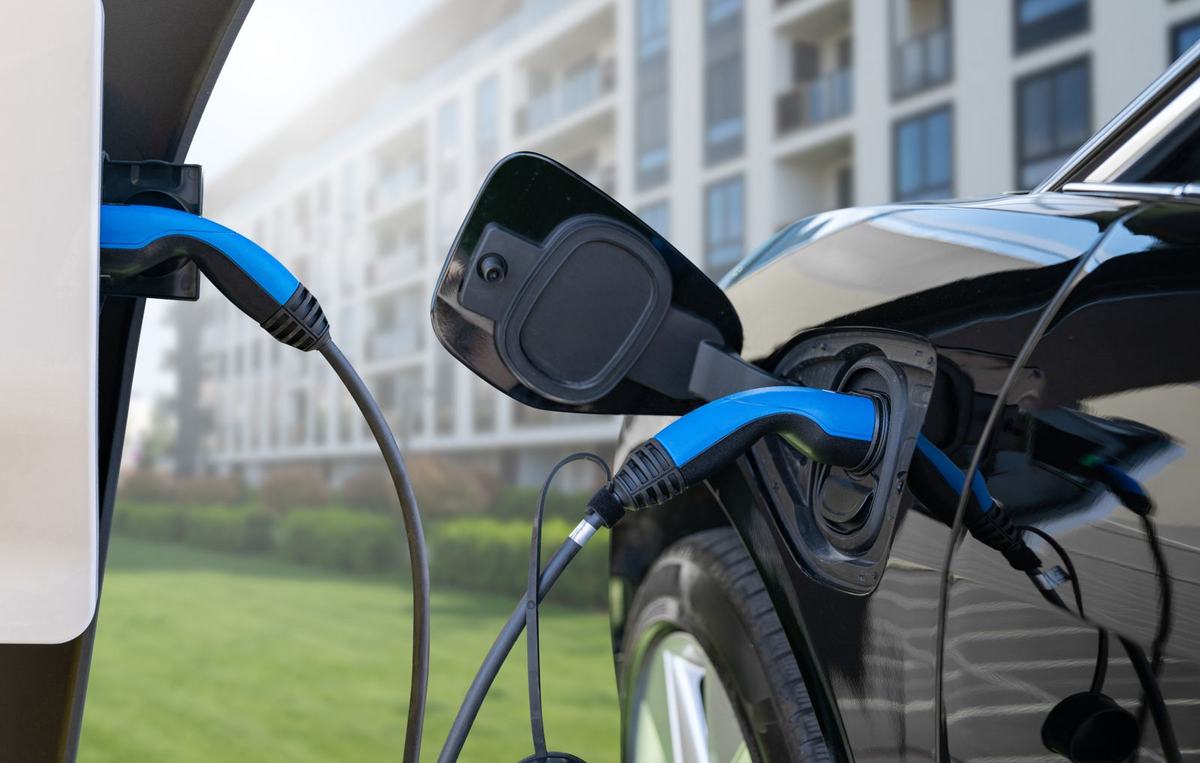
A Level 2 EV charger is usually a 240-volt project that needs a dedicated circuit, a load calculation, a permit and an inspection. Your local building department typically issues the permit. In New York City, a Licensed Master Electrician files it through DOB.
What Your Electrician Should Evaluate
- Existing service size and panel capacity
- Your home's current electrical loads
- Charger output and circuit size
- Distance from the panel to the charger
- Indoor or outdoor installation conditions
- Garage, driveway, carport, detached garage or shared parking
- Need for a panel upgrade, service upgrade, subpanel or load-management device
- Utility coordination if service capacity increases
You may not need a 200-amp service. That depends on a formal load calculation, the charger's power level, your existing loads and whether load management is used. Older 100-amp services sometimes need an upgrade, but a licensed electrician should make that call after looking at your home.
In NYC, hire a Licensed Master Electrician. Elsewhere in New York, confirm the electrician holds the license or registration your municipality requires and will pull the electrical permit.
New York Homeowner FAQ
Does New York require a statewide general contractor license?
No. There is no statewide general contractor license for residential work. Cities, towns, villages and counties handle contractor licensing, registration and home improvement rules.
Do I need a written home improvement contract in New York?
Yes, for any meaningful project. It should name the contractor and cover the scope, materials, price, payment schedule, dates, permit and inspection responsibilities, warranties and your cancellation rights.
Can I cancel a New York home improvement contract?
Generally, yes. You can cancel in writing for any reason until midnight of the third business day after signing.
How much should I pay as a deposit?
Keep the upfront payment small and never pay cash. Use a documented schedule tied to completed milestones. The New York Attorney General says payments received before substantial completion generally must be held in a New York trust or escrow account unless the contractor has posted a bond.
Do New York contractors need insurance?
It depends on the jurisdiction and trade. NYC General Contractor Registration, for example, requires at least $1 million in general liability insurance plus proof of workers' compensation and disability coverage. Ask every contractor for current liability and workers' comp certificates before work starts.
Do I need a permit for a home repair?
It depends on the project and your municipality. Structural work, additions, electrical, plumbing, HVAC and gas changes, decks, pools, basement finishing, structural roofing, solar, batteries and EV chargers commonly need permits.
Who should pull the building permit?
For most permitted work, the licensed or registered contractor should pull the permit and coordinate inspections. Be cautious if a contractor asks you to pull it because they can't. That can point to licensing, insurance or registration problems.
What inspections should I expect?
Common stages include footing, foundation, framing, rough plumbing, rough electrical, rough mechanical, insulation, fire separation, and final building and trade inspections. Your project and building department set the exact schedule.
Which code version applies to my project?
Outside NYC, the 2025 New York State Uniform Code and Energy Code generally apply to permit applications filed on or after December 31, 2025. New York City uses its own codes, including the 2025 NYC Electrical Code and 2025 NYC Energy Conservation Code.
What changed in New York City's electrical code?
The updated NYC Electrical Code took full effect on December 21, 2025. It is based on the 2020 National Electrical Code with City amendments, replacing a much older baseline for new electrical work.
Do I need a permit for a Level 2 EV charger?
Usually. A Level 2 charger generally needs a new dedicated 240-volt circuit, a load calculation, a local electrical permit and an inspection. In NYC, a Licensed Master Electrician should file the permit.
Can I upgrade an old building without losing historic features?
Often, if the building has official historic or landmark status. The Existing Building Code allows alternative approaches when strict compliance would damage protected features. Life-safety rules still apply, and landmarked properties may need approval from a local preservation agency or the NYC Landmarks Preservation Commission.
Start Your New York Project
The right New York contractor holds the license your city or county requires, carries insurance, pulls permits and schedules inspections, and knows how winters, water and older building stock affect the work.
Submit your project details on My Licensed Contractor to get matched with vetted local pros for repairs, remodeling and upgrades across New York.
Submit Your New York ProjectThis guide is general information, not legal advice. Rules change and vary by municipality, so confirm requirements with your local building department before starting work.