
Key Takeaways
- Don’t ignore early signs that your roof might need to be replaced, like frequent repairs, rising energy costs, or increasing leaks.
- If your roof is over 20 years old, it’s time to get an inspection and see if a new one is needed.
- A professional roof inspection can help determine if you need a repair or a replacement to improve your home’s comfort and safety.
Your roof is your home’s first line of defense against the elements. It protects everything: your structure, insulation, belongings, and indoor air quality. Because it is constantly exposed to sun, wind, rain, snow, and temperature fluctuations, your roof naturally wears down over time. The challenge for most homeowners is knowing when a roof simply needs a repair and when it has reached the point where a full replacement is the smarter, safer investment.
Ignoring early warning signs can lead to costly damage like structural issues, mold growth, and even interior water damage. But replacing a roof too early can feel like an unnecessary expense. Understanding the key indicators of roof failure helps you make a confident decision.
Here are five signs that it may be time to stop patching and plan for a full roof replacement.
Roof Age Is 20 Years or Older
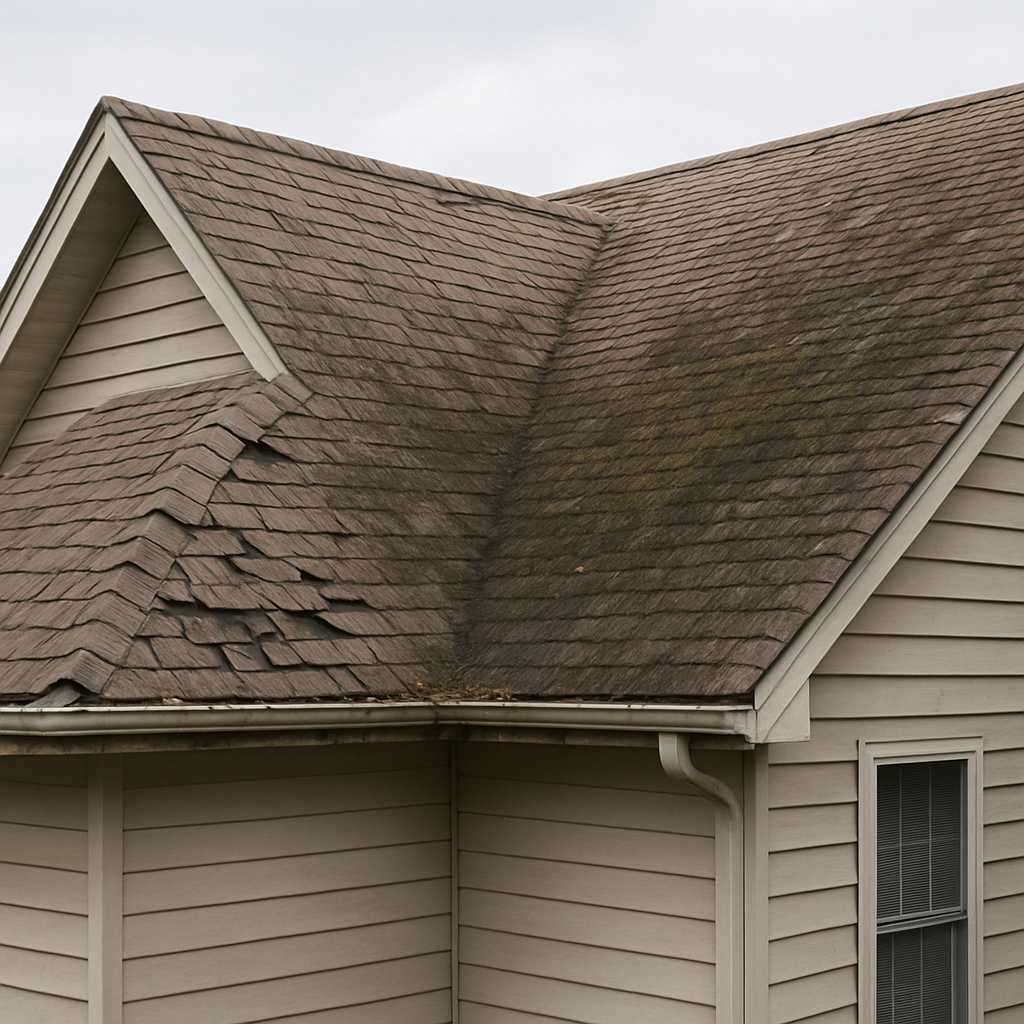
One of the most reliable indicators that you may need a new roof is its age. Most asphalt shingle roofs, the most common type used in residential homes, have a lifespan of approximately 20 to 25 years under normal conditions. If your roof is approaching or has surpassed this range, it’s likely nearing the end of its life, even if it appears to be in good condition from the ground.
Over time, shingles lose their flexibility, adhesives weaken, and the materials become more vulnerable to cracking and wind damage. Weather exposure speeds up this aging process, especially in regions with extreme weather and storms.
An older roof is also less likely to meet current building codes or energy efficiency standards. Even if repairs are possible, they may only bring short-term solutions because the surrounding materials are also deteriorating.
Picture this: a homeowner replaces a few missing shingles after a storm, but then finds new leaks in a different area a few months later. This cycle of repeated repairs can be a sign that the entire roof needs to be replaced.
If you don’t know your roof’s age, a professional inspection can help figure out its condition and lifespan.
Widespread Granule Loss on Shingles
Asphalt shingles have granules that protect the shingle from ultraviolet (UV) rays, improve fire resistance, and help water run off effectively. Over time, these granules begin to wear away due to weather exposure.
Some granule loss is normal, but widespread or uneven loss is a red flag. You may notice granules collecting in gutters and downspouts or see bare spots on shingles.
When shingles lose a significant amount of granules, they become more vulnerable to sun damage, causing them to dry out, crack, and deteriorate, and accelerates the aging process, increasing the chance of leaks. In more severe cases, the shingles may appear patchy or discolored, with inconsistent texture across the roof, affecting performance and reducing curb appeal.
If you clean your gutters and consistently find large amounts of shingle granules, it’s a sign that your roof is breaking down. When it gets to that point, repairs aren’t usually able to restore the protective function of the shingles.
Sagging or Uneven Roof Lines
A sagging roof is one of the most serious warning signs. Sagging often points to structural problems, such as weakened supports or prolonged moisture exposure.
Your roofline should appear straight and level. If you notice dips, curves, or uneven sections, it might indicate that the underlying structure has been compromised. It may be due to water infiltration, rot, or excessive weight from snow or debris, but sometimes sagging is caused by long-term leaks that have weakened the wood under the shingles. Once the structural integrity is affected, surface-level repairs are not enough anymore.
This requires immediate action. A sagging roof can get worse over time, eventually leading to partial or complete roof collapse.
A homeowner might notice a slight dip in the roof above their attic. When they call a contractor out for an inspection, they may find moisture causing the decking to rot. This probably requires new shingles and a replacement of the underlying structure.
So if you observe any signs of sagging, contact a professional roofing contractor as soon as possible to assess the damage.
Persistent or Recurring Leaks
A single roof leak doesn’t necessarily mean you need a full replacement. In many cases, isolated leaks can be repaired. But, if leaks continue after multiple repairs, it is a sign the roof is beginning to fail.
Recurring leaks often point to deeper issues: deteriorated underlayment, compromised flashing, widespread shingle failure. These components work together to create a watertight barrier, so when one part fails, it affects the entire roof.
You may see water stains on ceilings or walls, peeling paint, or damp insulation in your attic. Leaks can even lead to mold, posing health risks and requiring remediation.
Repeated repairs can add up quickly. Without a long-term solution, continuing to patch the problem becomes more expensive than investing in a new roof.
Rising Energy Bills
Your roof plays a significant role in your home’s energy efficiency by working with attic insulation and ventilation systems to regulate indoor temperatures.
If you notice an increase in your heating or cooling costs, your roof might be part of the problem. Moisture from a failing roof can damage insulation, reducing its effectiveness. Gaps in roofing materials can allow air to escape, making your HVAC system work harder than it needs to.
In the summer, a compromised roof may allow heat to enter the home more easily, making it difficult to keep your home comfortable. In the winter, warm air may escape, leading to higher heating costs.
Roofing is often overlooked when rising energy costs appear. If your HVAC is working and your insulation appears intact, your next step should be a roof evaluation. An inspection might reveal that moisture from minor roof leaks has saturated the attic insulation, reducing its performance. Replacing the roof and fixing the insulation can improve energy efficiency and lower utility costs.
When to Call a Roofing Professional
If any of this sounds familiar, it’s time to schedule a professional roof inspection. A qualified roofing contractor can assess the condition of your roof, find any issues, and recommend the next steps to repair or replace.
You may also need an inspection after major storms with high winds or hail. Early detection of any damage can prevent bigger problems later on.
When choosing a contractor, look for proper licensing, insurance, and strong customer reviews. Request a detailed estimate and ask about warranties on both materials and workmanship.
Find a Trusted Roofing Contractor In Your Neighborhood
Your roof is too important to ignore. While repairs can extend its life, there comes a point when replacement is the better choice.
If it’s time to get a new roof, My Licensed Contractor can help you find a licensed pro in your neighborhood. Fill out a simple form, and we’ll match you with vetted contractors.
FAQs
How do I know it’s time to replace my roof?
Common warning signs include frequent repairs, recurring leaks, rising energy bills, missing or damaged shingles, and visible sagging. If your asphalt shingle roof is around 20 to 25 years old, it’s a good idea to schedule an inspection.
My roof keeps leaking. What does that mean?
If a leak comes back after repairs, the problem may be deeper than a few damaged shingles. Repeated leaks can point to failing underlayment, flashing issues, or broader roof deterioration.
Is granule loss on shingles normal?
A small amount of granule loss is normal, especially on older roofs. But if you notice lots of granules in your gutters or bald patches on the shingles, that usually means the roof is aging and losing protection.
What does a sagging roof mean?
Sagging usually signals a structural problem, not just a surface issue. It can point to moisture damage, weakened decking, or compromised support members, and it should be inspected right away.
Can rising energy bills really be caused by my roof?
Yes. A failing roof can let conditioned air escape and allow moisture to damage insulation, which makes heating and cooling systems work harder. If your energy costs are climbing and the rest of your home systems seem fine, the roof could be part of the problem.
Should I repair my roof or replace it?
A repair may be enough if the damage is isolated and the roof is still relatively new. Replacement is usually the better choice when problems are widespread, repairs keep failing, or the roof is near the end of its expected lifespan.
How often should I have my roof inspected?
Most homeowners should inspect their roof after major storms and at least once a year. Older roofs may need more frequent checks because they are more likely to develop leaks, shingle damage, or structural issues.
Find a Licensed Contractor
Connect with pre-screened, licensed contractors in your area.
Submit Your Project
Find Local Contractors
Connect with licensed, verified contractors in your area for your next project.
Submit Your Project