
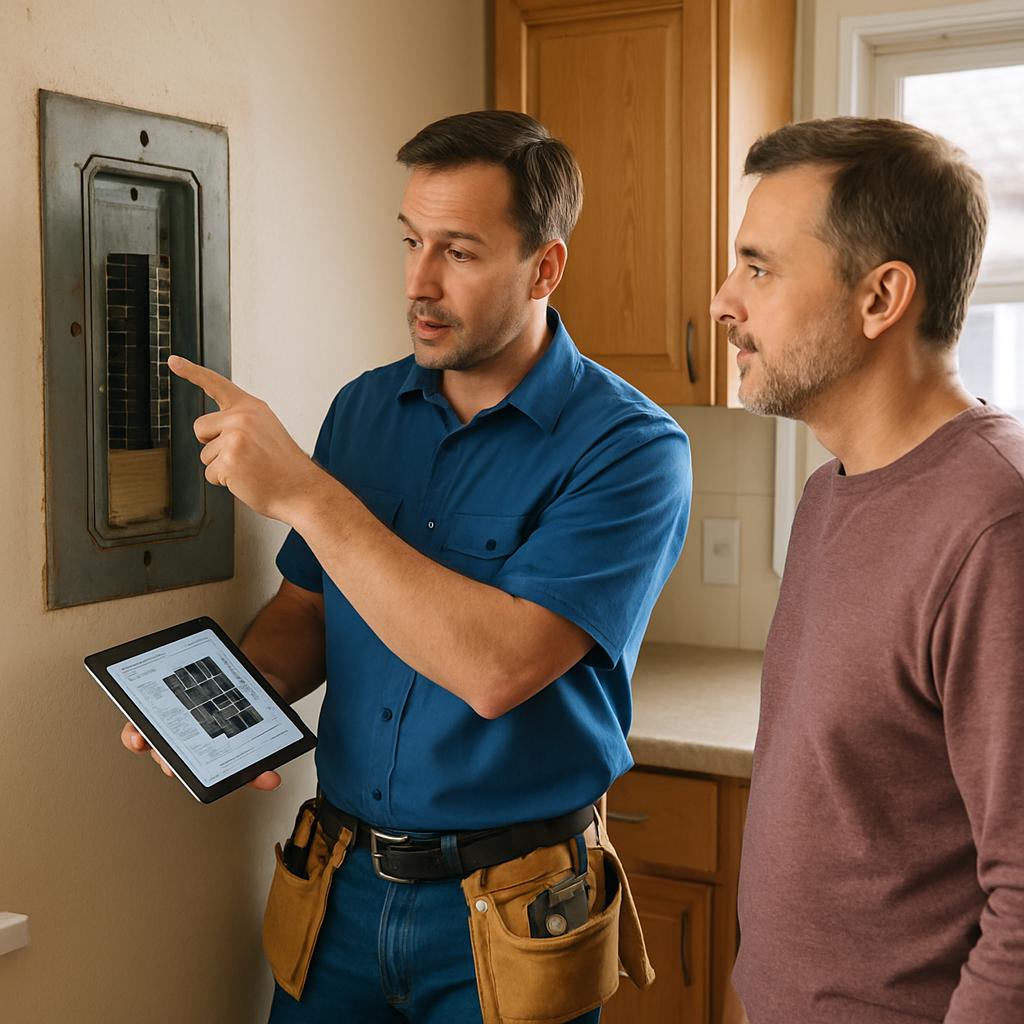
Should I Hire an Unlicensed Electrician in Indiana?
If you notice an electrical issue in your Indiana home, you may be tempted to hire an unlicensed electrician to save a few dollars. The lower price can be appealing, but the long-term risks can be severe, including denied insurance claims that leave you responsible for costly repairs or total loss.
Why licensing matters
Faulty electrical work can create hidden problems that only become obvious after a failure, which is one reason licensing exists. Becoming a licensed electrician in Indiana requires thorough training, typically including a 4–5 year apprenticeship, classroom education, and passing exams covering code and safety standards.
What types of services do electricians offer?
Electrical contractors, or electricians, help homeowners and businesses maintain safe electrical systems through repairs, replacements, and maintenance. Common services include wiring, panel upgrades, lighting installation, generator hookups, and inspections.
Licensed electricians usually fall into three categories:
- Residential: work on homes and apartments.
- Commercial: inspections and installations for businesses.
- Industrial: specialized services for factories and large facilities.
No matter the category, routine inspections are as important as the initial installation; a licensed electrician can find hazards like outdated wiring or overloaded circuits before they become dangerous.
Safety hazards from unlicensed work
Unlicensed electrical work often poses serious safety risks. Faulty installations may include:
- Overloaded circuits
- Improper grounding
- Incorrect wire sizing
- Missing safety devices
These issues can lead to electrical fires or electrocution and sometimes remain hidden until a catastrophic failure occurs.
Poor work quality and legal liability
Low-cost, unlicensed work frequently leads to expensive repairs. Warning signs of poor installations include flickering lights, frequent breaker trips, and power surges. Homeowners often pay twice, once for the initial work and again to fix it correctly, and unlicensed workers usually do not offer warranties.
Hiring unlicensed electricians also introduces legal risk: fines for unpermitted work, difficulty enforcing contracts, and potential liability if someone is injured. Without proper documentation, resolving disputes becomes harder and more costly.
Insurance implications
Homeowners' insurance usually covers electrical fires only if work met applicable codes and permit requirements. When insurers investigate a claim, they review permit records, installation quality, and code compliance; evidence of unpermitted or unlicensed work can be grounds for denial of a claim.
Even if a claim is paid, poor electrical work can increase your premiums, lead to policy non-renewal, or make finding new coverage difficult. These costs can quickly exceed any initial savings from hiring an unlicensed worker.
How to find and hire the right electrician
When calling electricians, verify these items:
- Licensure through the Indiana Professional Licensing Agency
- Liability and workers’ compensation insurance
- Detailed written estimate
- Recent references or reviews
- Responsibility for pulling permits
Get multiple estimates so you can spot unusually low bids and understand fair pricing.
Find a licensed electrician now
Although a lower price may be tempting, hiring an unlicensed electrician is a gamble with serious safety and financial consequences. Choosing a licensed professional protects your family and your home. Find a local licensed electrician with My Licensed Contractor.
FAQ
Can an insurance company deny my claim if I used an unlicensed electrician?
Yes, insurers investigate causes of losses, and if they find unpermitted or unlicensed work contributed to a fire or other damage, they can deny or reduce a claim; keep records of permits and the electrician’s license to protect your claim.
How long does it take to become a licensed electrician in Indiana?
Becoming a journeyman typically requires about a 4-year (roughly 8,000 hours) apprenticeship plus passing an exam; becoming a master electrician usually requires additional experience and examination steps.
What are the signs of poor electrical work I should watch for?
Look for flickering lights, frequently tripped breakers, unexplained power surges, warm outlets or switches, and burnt smells near panels.
If I already hired an unlicensed electrician, what should I do now?
Stop further work, hire a licensed electrician to inspect the job, obtain any required permits or corrective work, document communications with the original contractor, and keep records in case you need to file a claim or complaint.
Will hiring a licensed electrician always make my insurer pay a claim?
No guarantee exists, but work done with proper permits and by licensed professionals is far more likely to meet insurer requirements; undocumented or unpermitted work is the biggest risk for denial.
How do I verify an electrician’s license and insurance in Indiana?
Verify licensure through the Indiana Professional Licensing Agency’s verification tool and ask the contractor for up-to-date liability and workers’ compensation insurance certificates before work begins.
Find a Licensed Contractor
Connect with pre-screened, licensed contractors in your area.
Submit Your Project
Find Local Contractors
Connect with licensed, verified contractors in your area for your next project.
Submit Your Project