
Why You Should Schedule a Heating Tune-Up Before Winter
Key takeaways:
A tune-up for your furnace doesn't cost much, and it can help catch issues before they lead to a more expensive repair.
Regular maintenance can also help keep your heating bills down.
Don't wait until HVAC techs are busy: Find a local pro for your furnace tune-up now on My Licensed Contractor.
Your heating system may look like it’s fine, but months of inactivity and dust buildup can cause problems when cold weather arrives.
Scheduling a heating tune-up before winter is a practical way to help make sure your system runs smoothly when you need it most. It can help identify developing problems before they turn into expensive emergency repairs, and a well-maintained system may use less energy than one struggling with restricted airflow, dirty components, or malfunctioning controls.
What Happens to Your Heating System During the Off-Season?
During spring and summer, most furnaces, boilers, and other heating systems sit unused or operate very little. Even if the equipment worked properly at the end of the previous winter, several months without regular operation can allow small issues to develop or remain unnoticed.
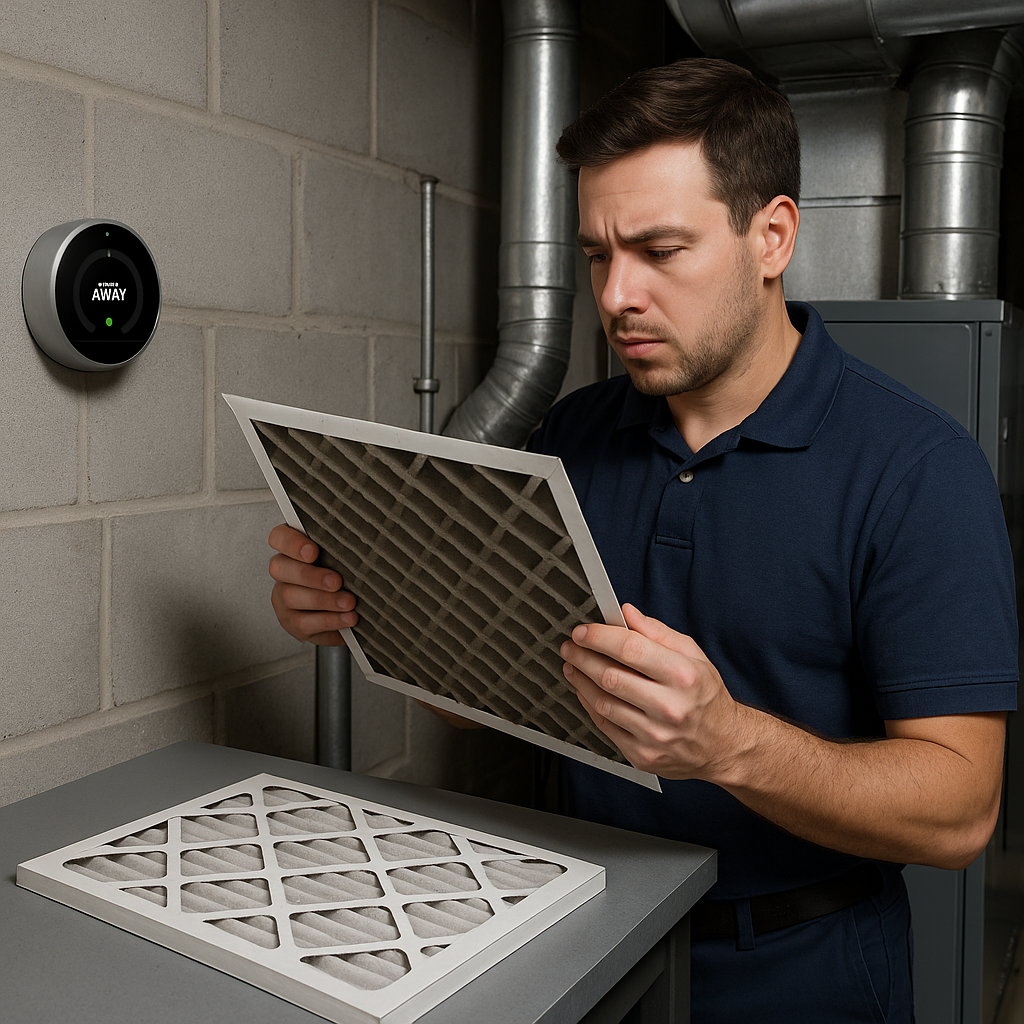
Dust and debris can collect on internal components, while a dirty air filter may restrict airflow once the system starts running again. Electrical connections can loosen over time, wiring can wear, and mechanical parts such as belts, bearings, blower motors, igniters, and sensors can begin to deteriorate. Thermostat calibration issues may also affect how accurately your home is heated.
Depending on the type of equipment you have, maintenance may also uncover blocked vents or registers, drainage concerns, flue issues, or ignition and combustion problems in fuel-burning systems. These concerns are not always obvious during mild weather, especially when the heating system is only cycling on occasionally.
Seasonal HVAC service also fits into a broader home-maintenance routine, alongside tasks such as replacing filters, checking safety devices, and preparing the home for colder weather.
What Does a Professional Heating Tune-Up Usually Include?
The exact steps in a heating tune-up vary based on the type of system, its age, manufacturer recommendations, and the HVAC company’s maintenance process. A gas furnace, boiler, heat pump, or ductless heating system may require different inspection and service tasks.
However, a professional heating maintenance visit commonly includes:
- Inspecting the system for visible wear, damage, leaks, or loose components
- Checking and testing thermostat operation
- Inspecting the air filter and replacing it or recommending replacement if needed
- Checking electrical connections, wiring, and system controls
- Evaluating airflow and blower performance
- Inspecting ignition components, burners, flame sensors, pilots, or related parts when applicable
- Checking safety controls and shutdown functions
- Looking for unusual sounds, odors, overheating, or inconsistent operation
- Reviewing overall heating performance and recommending repairs if needed
A reliable HVAC technician should clearly explain what they found and help you understand the urgency of any recommended work. Some issues may need prompt repair, while others may be worth monitoring or planning for later. If your system is older, the technician may also discuss longer-term replacement considerations without pressuring you into an immediate decision.
Improve Efficiency and Comfort With a Heating Tune-Up
To keep your home comfortable through the winter, your heating system needs proper airflow, clean components, accurate temperature control, and reliable operation. When any of those areas are affected by dust, wear, restricted airflow, or developing mechanical issues, your system may have to work harder to heat your home.
That extra effort can mean higher energy use. A heating tune-up can help reduce wasted energy by identifying issues that prevent your furnace, boiler, or heat pump from operating as efficiently as possible. While maintenance cannot guarantee a specific dollar amount in savings, it can help your system use less energy than it would with a dirty filter, poor airflow, malfunctioning controls, or neglected components.
During a professional tune-up, an HVAC technician may inspect the air filter, test thermostat operation, evaluate blower performance and airflow, check heating cycles, inspect burners and ignition components, and look for visible ductwork-related concerns. The exact maintenance process depends on your equipment, but the goal is the same: help your heating system operate safely, efficiently, and reliably when winter demand increases.
How a Tune-Up Can Reduce Energy Use
Heating equipment may consume more energy when it has to compensate for preventable performance issues. For example, restricted airflow can make it harder for warm air to move throughout the home, while thermostat problems may cause the system to run longer than necessary or cycle too frequently.
| Common Issue | How It Can Affect Your System | How Maintenance May Help |
|---|---|---|
| Dirty air filter | Restricts airflow and can make the blower work harder | The technician can inspect the filter and recommend or perform replacement |
| Dusty or worn components | Can interfere with efficient system performance | Cleaning and inspection can identify buildup or developing wear |
| Blower motor problems | May reduce airflow, increase strain, or contribute to overheating | Testing blower operation can reveal issues before they worsen |
| Thermostat inaccuracies | Can lead to uneven temperatures, longer run times, or frequent cycling | Thermostat operation and settings can be checked |
| Ignition or burner concerns | Can affect dependable operation in fuel-burning equipment | A technician can inspect relevant ignition and combustion components |
| Ductwork or vent restrictions | Can prevent heat from reaching parts of the home effectively | Visible airflow concerns, closed registers, or obstructions can be identified |
More Consistent Heating Throughout Your Home
Efficiency and comfort often go hand in hand. If heat is not moving properly through your home, your thermostat may stay set higher for longer, the furnace may cycle more frequently, or some rooms may never feel as warm as others. A tune-up is a good opportunity to discuss these comfort concerns with an HVAC professional.
Before your appointment, make note of any issues you have noticed, including:
- Rooms that remain colder than the rest of the home
- Weak airflow from supply vents
- Heat that takes a long time to reach the thermostat setting
- Frequent cycling on and off
- Rattling, banging, squealing, or grinding noises
- Unusual odors when the system starts
- A noticeable increase in winter utility bills
- Inconsistent temperatures from one room to another
If you are requesting service online, provide a clear description of those symptoms and include photos or videos when relevant. Clear project details can help contractors better understand the issue and prepare for the appointment. See what to gather before booking a contractor online.
Safety Checks Add Valuable Peace of Mind
Professional heating maintenance is especially important for gas furnaces, boilers, and other fuel-burning heating systems. These systems rely on components that must ignite fuel, operate correctly, and vent combustion byproducts safely.
As part of a heating tune-up, a technician may inspect safety controls, burners, ignition components, venting, and other equipment-specific parts. If they find signs of wear, improper operation, or a concern that requires further evaluation, you have an opportunity to address it before relying heavily on the system during winter.
Carbon monoxide safety is another important consideration for homes with fuel-burning appliances. Carbon monoxide is colorless and odorless, which is why properly installed and maintained equipment matters. Carbon monoxide alarms provide an additional layer of protection, but they are not a substitute for professional maintenance and proper appliance operation.
Fall Appointments Are Often Easier to Schedule Than Emergency Repairs
Once temperatures fall, HVAC companies often get more calls from homeowners turning on their heating systems for the first time. That seasonal demand can make it harder to schedule non-emergency appointments, especially after a major cold snap.
Scheduling in early fall gives you more flexibility in appointment times and more time to complete recommended repairs before freezing weather becomes routine. If your heating system is nearing the end of its expected service life, a pre-winter inspection can also give you time to consider whether repair or replacement makes more sense for your home and budget.
If the technician recommends work beyond regular maintenance, ask for a clear written scope, cost breakdown, expected timeline, warranty information, and confirmation of licensing and insurance before authorizing the repair. This is especially important for larger HVAC repairs or a full system replacement. Use this contractor-booking checklist to prepare before requesting estimates.
Schedule Your Heating Tune-Up With My Licensed Contractor
Not sure who to call for your seasonal heating tune-up?
My Licensed Contractor can help connect you with local HVAC professionals. Submit your project details, including the tune-up you need or any issues you are noticing with your furnace, boiler, heat pump, or thermostat. You can include your ZIP code, describe the service needed, and share photos or notes that help the contractor understand the situation.
Get started with your heating tune-up project.
FAQ
When should I schedule a heating tune-up?
Schedule your tune-up in early fall, before you need to run your heat every day. This gives you time to address any recommended repairs before colder weather arrives.
How often should a heating system be serviced?
Most furnaces, boilers, heat pumps, and other heating systems should receive professional maintenance once a year. Check your owner’s manual and warranty for model-specific requirements.
Can a heating tune-up reduce my winter energy bills?
Yes. A tune-up can help reduce wasted energy by improving airflow and identifying dirty, worn, or malfunctioning components. Savings vary, but an efficiently operating system may use less energy to heat your home.
What are signs that my heating system needs maintenance?
Schedule service if you notice weak airflow, uneven temperatures, frequent cycling, strange noises, unusual odors, or unexpectedly higher heating bills. You should also schedule annual maintenance even if the system seems to be working normally.
What does a professional heating tune-up include?
A technician may inspect the filter, thermostat, electrical connections, blower, safety controls, ignition components, burners, and overall system performance. The specific work depends on your type of heating equipment.
Is a heating tune-up necessary if my furnace is still working?
Yes. Maintenance helps catch smaller issues before they lead to a breakdown, reduced comfort, or higher energy use. It can also help extend the life of your heating equipment.
Find a Licensed Contractor
Connect with pre-screened, licensed contractors in your area.
Submit Your Project
Find Local Contractors
Connect with licensed, verified contractors in your area for your next project.
Submit Your Project