How to Keep Your Crew Busy During the Winter Slow Season
Key Takeaways
- Many home service businesses see fewer calls between the holidays and early spring, but payroll, truck payments, and insurance don't slow down.
- If your crew sits idle for weeks, you risk losing good people and starting spring behind.
- This post covers ways to find winter work, use slow weeks well, and plan your cash for the off-season.
For many contractors, winter means fewer calls and shorter days. Outdoor trades slow down when the ground freezes. Even HVAC and plumbing companies often see a dip after the first cold snap passes.
A slow season doesn't have to mean an empty schedule. With some planning, you can keep your crew working, bring in steady revenue, and head into spring ready to go.
Plan Your Slow Season Before It Starts
Look at your numbers from last winter. Which weeks were slowest? Which services still sold? How much cash did you need to cover payroll and overhead each month?
Once you know your slow weeks, you can plan work and cash around them. A balance sheet and a cash flow projection show you how much you need to cover each month. Set money aside during your busy months so a slow January doesn't force hard decisions.
Sell the Winter Services Homeowners Need
Homeowners still need help in winter. The problems just look different. Promote the services that fit the season for your trade.
| Trade | Winter services to promote |
|---|---|
| HVAC | Furnace repairs and tune-ups, whole-home humidifiers, indoor air quality, system replacements |
| Plumbing | Frozen pipe repairs, pipe insulation, water heater replacement, sump pump checks |
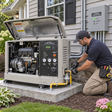
| Electrical | Standby generators, panel upgrades, indoor lighting, hardwired smoke and CO alarms |
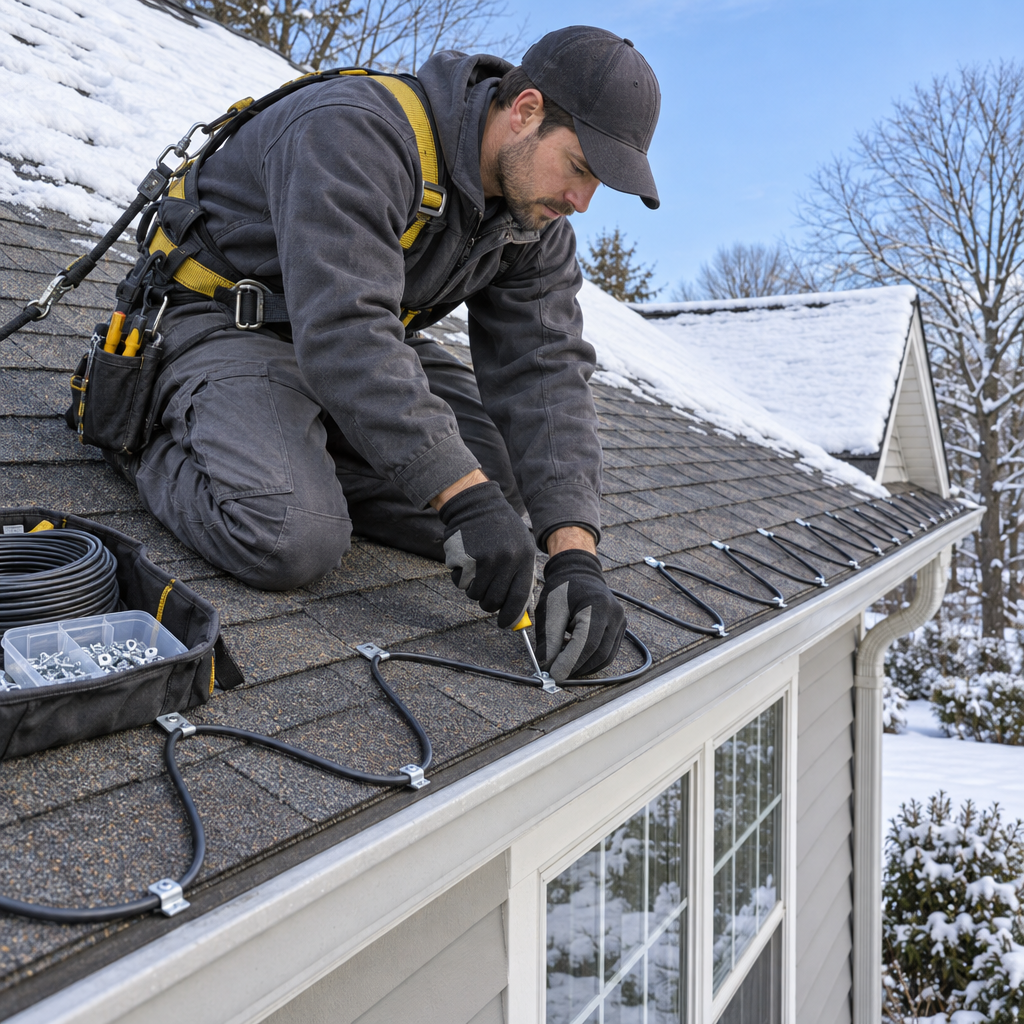
| Roofing and gutters | Ice dam prevention, storm repairs, attic ventilation and insulation |
| Landscaping and hardscaping | Snow removal, holiday lighting, design work for spring projects |
| Remodeling | Basements, bathrooms, kitchens, and other interior projects |
Demand also shifts from year to year. Watch for changes in remodeling demand so you can steer your marketing toward the projects homeowners are paying for now.
Book Interior Work
Indoor projects keep your crew out of the cold. Many homeowners want to finish a basement or update a bathroom while they spend more time at home. If you do exterior work most of the year, consider which indoor jobs your crew can handle with your current licenses and skills.
Reach Out to Past Customers
Your past customers already know your work. Send them a short email or text before your slow season starts. Offer a seasonal service, such as a furnace tune-up, a water heater flush, or a safety inspection.
A maintenance plan can also help. Members pay a set amount each month, and you schedule their visits during your slower weeks.
Pre-Book Spring Projects
Many homeowners plan spring projects in winter. Meet with them now, measure the job, and send the quote while you have time. You can offer a small discount or a guaranteed start date for homeowners who sign before spring.
Design work, permit applications, and material orders can all happen in winter. When the weather turns, your crew can start the job right away.
Look for Commercial and Property Management Work
Property managers, landlords, and small businesses need repairs year-round. They often schedule maintenance and upgrades during slower months. A few steady commercial accounts can fill gaps in your residential schedule.
Add Another Lead Source
If you rely on one marketing channel, a slow season hits harder. Diversify your marketing channels and add a second or third source of leads before winter starts.
Use Slow Weeks to Get Ahead
If you still have open days, put them to work. These tasks are hard to fit in during the busy season:
- Training and certifications: Send techs to manufacturer training or license renewal classes.
- Cross-training: Teach crew members new skills so they can help on more types of jobs.
- Equipment and trucks: Service vehicles, repair tools, and reorganize your shop.
- Safety training: Review your safety plan, including cold weather safety.
- Marketing: Update your website, add job photos, and refresh your online profiles.
- Reviews: Reach out to happy customers from the past year to get more customer reviews.
Keep Your Crew Safe in the Cold
Winter work brings extra risks, such as hypothermia, frostbite, and other forms of cold stress. Train your crew on the warning signs, schedule breaks in warm areas, and pair workers so they can watch out for each other.
Claim Your Free My Licensed Contractor Profile
Homeowners don't stop planning projects in winter. On My Licensed Contractor, homeowners submit job requests with their project details. You see the details and respond with a quote to start the conversation, which can help you fill open days in your schedule.
You can start with a free profile and move to the Pro or Elite plan when you want more. Claim your free profile on My Licensed Contractor.
FAQ
When is the slow season for home service contractors?
For many trades, the slowest stretch runs from late December through February. The timing depends on your trade and your area. Look at your own numbers from past years to find your slowest weeks.
What services can contractors offer in winter?
HVAC companies can focus on furnace repairs and tune-ups. Plumbers can handle frozen pipes and water heaters. Electricians can install generators and upgrade panels. Remodelers can take on interior projects.
How can I keep my employees during the slow season?
Fill open days with interior work, maintenance visits, training, and shop projects. Plan your cash flow so you can keep paying your best people through the slower months.
Should I offer discounts in the winter?
A small discount can help you pre-book spring projects or fill a slow week. Avoid deep discounts that cut into your margins. A guaranteed start date often appeals to homeowners as much as a lower price.
How do I prepare my business for the slow season?
Review last year's numbers, set money aside during busy months, and contact past customers before the slowdown. Line up a few commercial accounts and add a second lead source.
What should my crew do on slow days?
Use slow days for training, certifications, truck and equipment maintenance, and safety reviews. You can also update your website and ask past customers for reviews.
Find a Licensed Contractor
Connect with pre-screened, licensed contractors in your area.
Submit Your Project
Find Local Contractors
Connect with licensed, verified contractors in your area for your next project.
Submit Your Project