How to Work With a Contractor on a Home Insurance Claim
Key Takeaways
- When storms, fire, or water damage your home, you have to manage an insurance claim and a repair project at the same time.
- The order of the steps matters. Some insurance policies may deny or reduce a claim if you skip a step or make permanent repairs too early.
- This guide covers who to call first, how to document damage, how estimates and adjusters work, and when repairs can start.
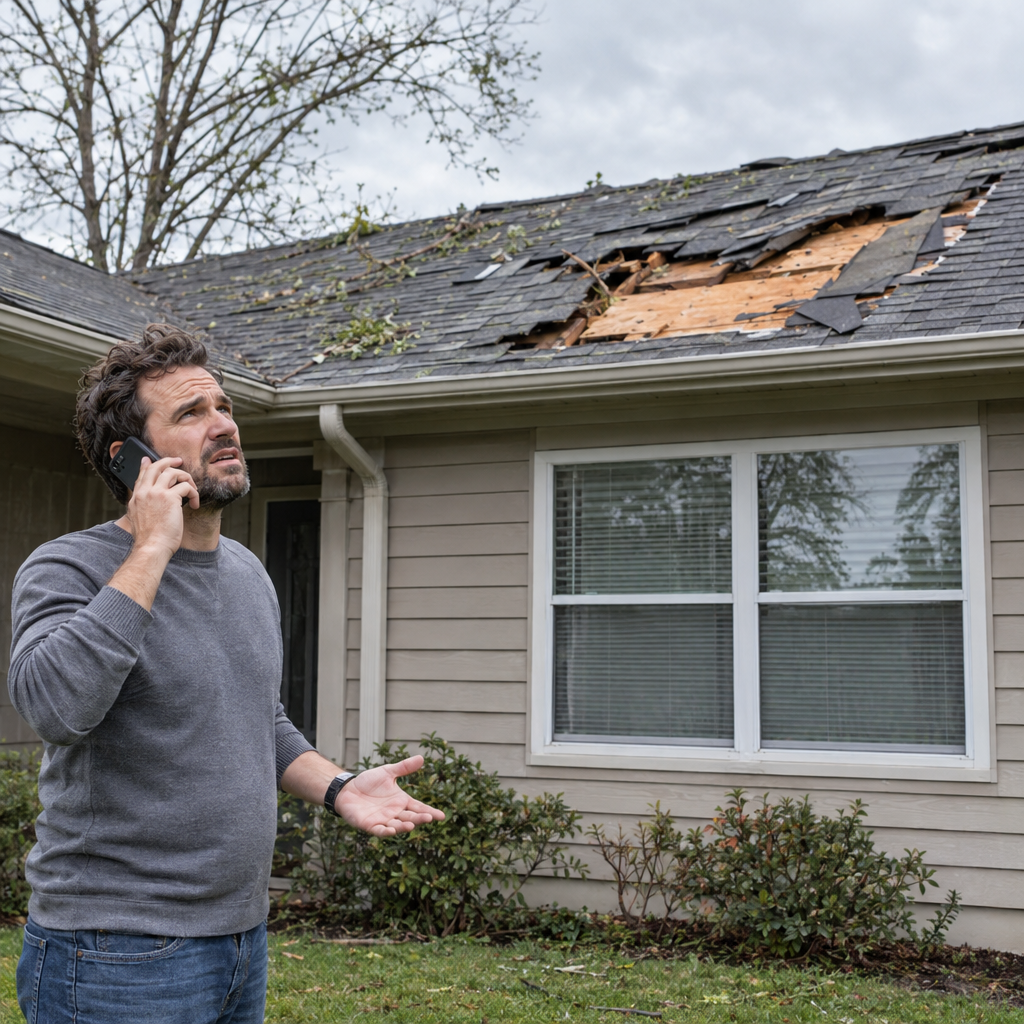
Home damage rarely happens at a good time. A storm takes off part of your roof, a pipe bursts in the wall, or a tree falls on your garage. You need repairs, and you need your insurance company to pay for them.
A good contractor can make the claim process much easier. They can protect your home from more damage, write a detailed repair estimate, and explain the work to your adjuster. This guide walks through each step so you know what to do and when to do it.
Every insurance policy is different. Read your own policy and ask your agent if you have questions about your coverage.
Step 1: Make Sure Your Home Is Safe
Safety comes before paperwork. If you smell gas, leave the house and call your gas utility or 911 from outside. If water is near outlets or your electrical panel, stay out of the area and call an electrician. If the structure looks unstable, keep your family out until a professional checks it.
If you can do it safely, shut off the water main after a burst pipe or turn off power to a flooded area at the breaker.
Step 2: Document the Damage
Take photos and videos before you move anything or make any repairs. Capture the damage from several angles, and include wide shots of each room and close-ups of each problem area.
Keep damaged belongings for the adjuster to inspect instead of throwing them away. If you must remove items for safety or health reasons, photograph them first and write down what they are.
Start a simple list of damaged property. Include the item, the approximate age, and what you paid for it if you know.
Step 3: Prevent More Damage With Temporary Repairs
Most policies expect you to take reasonable steps to stop the damage from getting worse. A contractor can tarp a damaged roof, board up a broken window, or dry out a wet room.
The Indiana Department of Insurance explains that your policy may require these temporary repairs, and that you should hold off on permanent repairs until the insurance company inspects the damage. Keep every receipt for temporary repairs, because your policy should cover those costs.
| Temporary repairs (do right away) | Permanent repairs (wait for inspection) |
|---|---|
| Tarping a damaged roof | Replacing shingles or the roof deck |
| Boarding up broken windows or doors | Installing new windows or doors |
| Shutting off water and drying wet areas | Replacing drywall, flooring, or cabinets |
| Capping a damaged pipe | Replacing plumbing lines |
Step 4: Call Your Insurance Company
Report the damage as soon as you can. The National Association of Insurance Commissioners recommends that you notify your insurance company right away when you file a homeowners claim, because the deadline to report a claim varies by state and by policy.
Have your policy number ready, and describe what happened and how much damage you see. Write down your claim number, the date, and the name of each person you speak with.
Should You File a Claim?
Check your deductible before you file. If the repair costs less than your deductible, insurance won't pay anything, and you may prefer to pay for the repair yourself. A contractor's estimate can help you make this decision. In Indiana, insurers may also look at your claim history when they decide whether to renew your policy, so ask your agent if you're unsure.
Step 5: Get a Detailed Estimate From a Contractor
Ask a licensed contractor to inspect the damage and write an itemized estimate. The estimate should list materials, labor, and each part of the job. An itemized estimate gives you something specific to compare with the adjuster's numbers.
Look for a contractor who is licensed, bonded, and insured and has insurance claim experience in your type of damage, such as roofing, water damage, or electrical work.
For electrical damage, the license matters even more, because hiring an unlicensed electrician can affect your insurance claim.
Step 6: Meet With the Insurance Adjuster
The adjuster inspects the damage and calculates what the insurance company will pay. You can ask your contractor to attend the adjuster's visit. The contractor can point out damage that is hard to see, such as wet insulation behind drywall or damaged roof decking under the shingles.
Give the adjuster your photos, your list of damaged property, and any records of recent upgrades to your home. A newer roof or a recent kitchen remodel can affect what the policy pays.
Step 7: Review the Settlement Offer
Ask the adjuster for an itemized explanation of the settlement. Compare it line by line with your contractor's estimate. Differences often come from measurements, material grades, or items one side missed.
If the numbers don't match, share your contractor's estimate with the adjuster and ask them to review it. Many differences get resolved with a phone call and some photos. If the insurance company denies part of the claim, ask for the reason in writing.
What If the Contractor Finds More Damage?
Contractors sometimes find hidden damage after the work starts, such as rot under the flooring or water damage inside a wall. Your contractor should stop, photograph the damage, and tell you. You can then send the new information to your insurance company and ask for an additional payment. This request is often called a supplement.
Step 8: Start Permanent Repairs
Once the adjuster has inspected the damage and you understand what the insurance company will cover, you can sign a contract and schedule the repairs.
A clear written contract protects you and the contractor. It should list the work included, materials, start date, payment schedule, and who pulls the permits. Your insurance check may also list your mortgage lender as a payee, so ask your lender how they release the funds.
Who Does What on an Insurance Claim
| Homeowner | Insurance company and adjuster | Contractor |
|---|---|---|
| Reports the claim and documents the damage | Opens the claim and assigns an adjuster | Makes temporary repairs to prevent more damage |
| Keeps receipts, photos, and records of every call | Inspects the damage and calculates the settlement | Writes an itemized repair estimate |
| Reviews the settlement and signs the repair contract | Pays the claim based on the policy | Completes the repairs and documents hidden damage |
Get Matched With a Top Contractor Near You
After home damage, you need a contractor you can trust, and you need one quickly. On My Licensed Contractor, you describe your project once and get matched with the best 5% of contractors in your area. You can compare quotes from licensed pros who know how to handle repair work after an insurance claim.
Submit your repair request on My Licensed Contractor.
FAQ
Should I call my insurance company or a contractor first?
Start with safety, then document the damage. You can call your insurance company and a contractor on the same day. The contractor can handle temporary repairs while you start the claim.
Can I make repairs before the adjuster comes?
You can make temporary repairs to stop more damage, such as tarping a roof or boarding a window. Wait to make permanent repairs until the insurance company inspects the damage. Keep receipts for all temporary work.
Can my contractor meet with the insurance adjuster?
Yes. Many homeowners ask their contractor to attend the adjuster's visit. The contractor can point out hidden damage and answer questions about the repair estimate.
What if my contractor's estimate is higher than the insurance offer?
Compare the two line by line and send your contractor's estimate to the adjuster. Ask for a review of the items that differ. Many gaps come from missed items or different measurements.
What is a supplement on an insurance claim?
A supplement is a request for more money after the contractor finds damage that nobody could see during the first inspection. The contractor documents the new damage, and you submit it to your insurance company.
How long do I have to file a home insurance claim?
It depends on your state and your policy. Report the damage as soon as you can, and check your policy for any deadlines.
Find a Licensed Contractor
Connect with pre-screened, licensed contractors in your area.
Submit Your Project
Find Local Contractors
Connect with licensed, verified contractors in your area for your next project.
Submit Your Project