
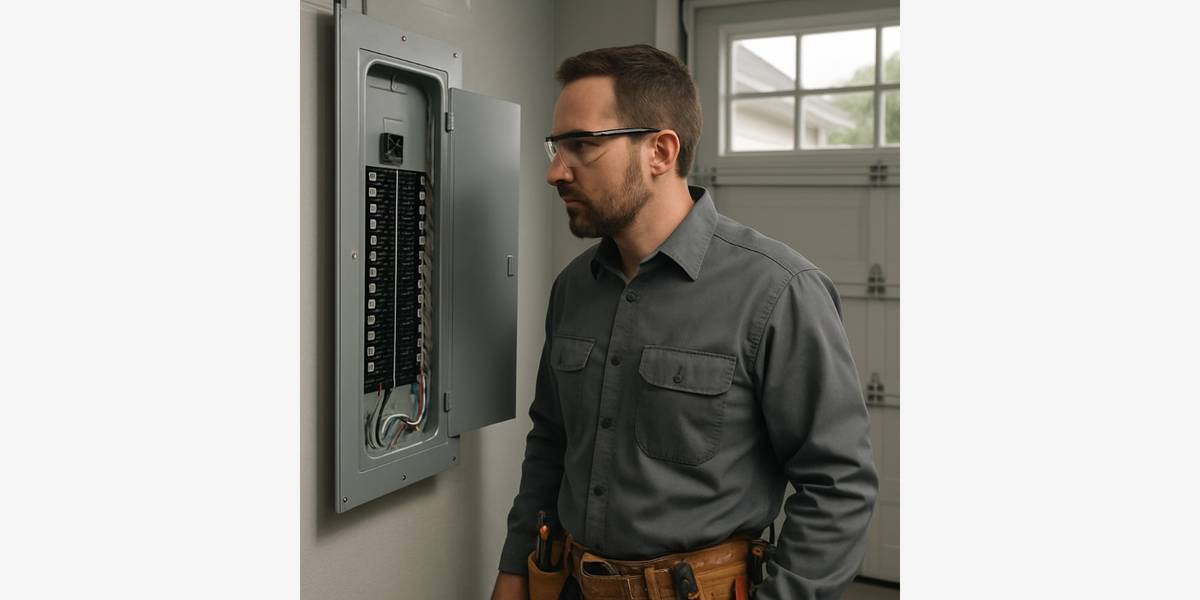
Licensed, Bonded, and Insured: What These Three Words Actually Mean for Your Home Project
Key Takeaways
- A license, bond, and insurance each serve a different purpose, and none covers every possible problem.
- Verify credentials yourself through official sources instead of relying only on a contractor’s website, truck, or paperwork.
- A detailed written contract, clear payment schedule, and permit plan are just as important as credentials.
- Requirements vary by state, trade, project type, value, and local jurisdiction, so check with your local building department when you are unsure.
You have probably seen the phrase on trucks, business cards, and contractor websites: “licensed, bonded, and insured.” It sounds reassuring, but those three words do not mean the same thing, and they do not protect you in the same way.
Before hiring someone for a repair, remodel, or major upgrade, look beyond the price. Verifying a contractor’s license, insurance, and, when applicable, bond can help you confirm the business is legitimate, properly qualified for the work, and prepared for common project risks.
Read on to learn about what licensed, bonded, and insured mean, and how to make sure you hire a trust contractor for your project.
Licensed, Bonded, and Insured at a Glance
These terms are often grouped together, but they do very different jobs. Here is a simple breakdown.
| Credential | What It Means | What It May Help Protect | What You Should Verify |
|---|---|---|---|
| License | The contractor has met applicable state or local requirements for a particular trade or type of work. | It helps confirm the business may be legally authorized and qualified to perform the work. | License number, status, expiration date, classification, and any available disciplinary history. |
| Bond | A surety company provides a financial guarantee tied to certain legal, licensing, permit, or contractual obligations. | It may provide a claim path if the contractor fails to meet obligations covered by that specific bond. | Bond issuer, amount, effective dates, claim process, and whether a bond is required for your project or location. |
| General liability insurance | Insurance that may respond to certain third-party property damage or bodily injury claims arising from the contractor’s operations. | It may help with covered accidental damage or injuries connected to the work. | Insurance carrier, policy number, effective dates, limits, exclusions, and certificate details. |
| Workers’ compensation insurance | Coverage for qualifying job-related employee injuries when required by law or carried by the employer. | It can reduce the risk of an injured worker seeking recovery directly from the homeowner. | Whether the contractor uses employees or subcontractors and proof of current coverage where applicable. |
These credentials can reduce risk, but they are not a blanket guarantee that every issue will be covered. Treat them as separate items to verify not as one general promise.
Why a Contractor License Matters
A license is usually the first credential to confirm because it helps answer a basic question: Is this business authorized to perform this type of work?
A License Helps Confirm Basic Eligibility
A contractor license can show that a business or individual has met the qualifications set by the relevant state, city, county, board, or trade agency. However, requirements are not the same everywhere. They can vary by state, project value, local jurisdiction, trade, and scope of work.
A contractor may need a different license for residential building, remodeling, electrical work, plumbing, HVAC, roofing, or another specialty. A general contractor credential does not automatically authorize someone to perform regulated electrical, plumbing, or mechanical work. The same is often true for permits: even when one contractor manages the overall project, specific portions of the job may need to be completed by properly licensed tradespeople.
Government licensing agencies encourage homeowners to confirm that a contractor holds the appropriate credential for the job and to review contract and permit requirements before work begins. The California Contractors State License Board, for example, provides consumer resources for checking licenses, identifying the appropriate contractor classification, reviewing contracts, and understanding permits. See its contractor-hiring guidance here.
What Homeowners Should Check
- The contractor’s legal business name matches the name shown on the license.
- The license is active—not expired, suspended, revoked, or inactive.
- The license classification matches the work you are hiring the contractor to perform.
- The license belongs to the individual or business that will sign the contract with you.
- The contractor has disclosed any required local registration or permit credentials.
- The business name, address, phone number, and license number are consistent across the contract, estimate, website, and official license lookup.
Match the Project to the Credential
Use these examples as a starting point, not a substitute for checking local rules.
- Kitchen remodel: May require a residential builder or general contractor, plus licensed trade professionals for electrical, plumbing, or mechanical work.
- Electrical panel upgrade: Typically requires a properly licensed electrical contractor and permits.
- Plumbing relocation: Typically requires a properly licensed plumbing contractor and permits.
- HVAC replacement: May require a licensed mechanical or HVAC contractor, depending on local requirements.
- Structural addition: Usually requires a builder or general contractor, permits, inspections, and properly licensed specialty trades.
If you are unsure, ask your local building department before work starts. You can also review our guide to permits and contractors to better understand why permits matter for safety, inspections, and accountability.
What Is a Contractor Bond?
This is one of the biggest points of confusion for homeowners: a bond is not the same thing as insurance.
A contractor bond is generally a financial guarantee involving three parties: the contractor, a surety company, and the party the bond is intended to protect. Depending on the bond and local rules, that protected party may be a government agency, municipality, project owner, or another designated entity.
How a Surety Bond Works
- Principal: The contractor required to obtain the bond.
- Obligee: The government agency, municipality, project owner, or other party protected by the bond.
- Surety: The bonding company that may investigate and pay a valid claim, subject to the bond’s terms.
What a Bond May Cover
The exact protection depends on the specific bond. A bond may address issues such as:
- Failure to follow applicable licensing or local registration requirements.
- Failure to meet certain legal or contractual obligations.
- Damage or loss caused by conduct covered under the bond.
- Permit-related, right-of-way, or municipal obligations.
What Homeowners Should Not Assume
Myth: “Bonded means my entire project is guaranteed.” Reality: Coverage is limited by the specific bond, its terms, its dollar amount, and the applicable claim process.
Myth: “If I file a complaint, the bond will automatically pay.” Reality: A claim must meet the bond’s requirements, and the surety company generally investigates before making a decision.
Myth: “A bond replaces a detailed contract.” Reality: You still need a written contract, clear scope of work, payment schedule, permit plan, and documentation of any changes.
Bond Requirements Vary
A local jurisdiction may require a bond for a permit, a specific trade, or a certain type of work, even if the state does not require one for every contractor classification. If bonding is relevant to your project, ask the contractor and your local building department what type of bond is required, what it covers, and how you can verify it.
That distinction matters because “bonded” can sound broader than it is. A bond can be valuable, but it should never replace careful vetting, a clear contract, or a realistic payment plan.
What Contractor Insurance Should Homeowners Ask About?
Insurance is designed to address certain covered risks. It does not automatically guarantee workmanship, project completion, or payment of every dispute. For most homeowners, the two types worth asking about are general liability insurance and workers’ compensation coverage.
General Liability Insurance
General liability insurance may help cover certain third-party bodily injury or property damage claims connected to the contractor’s operations. For example, if a contractor accidentally damages part of your home while moving equipment, liability coverage may be relevant. Whether coverage applies depends on the policy, the facts of the situation, the policy limits, exclusions, deductible, and the insurer’s claim decision.
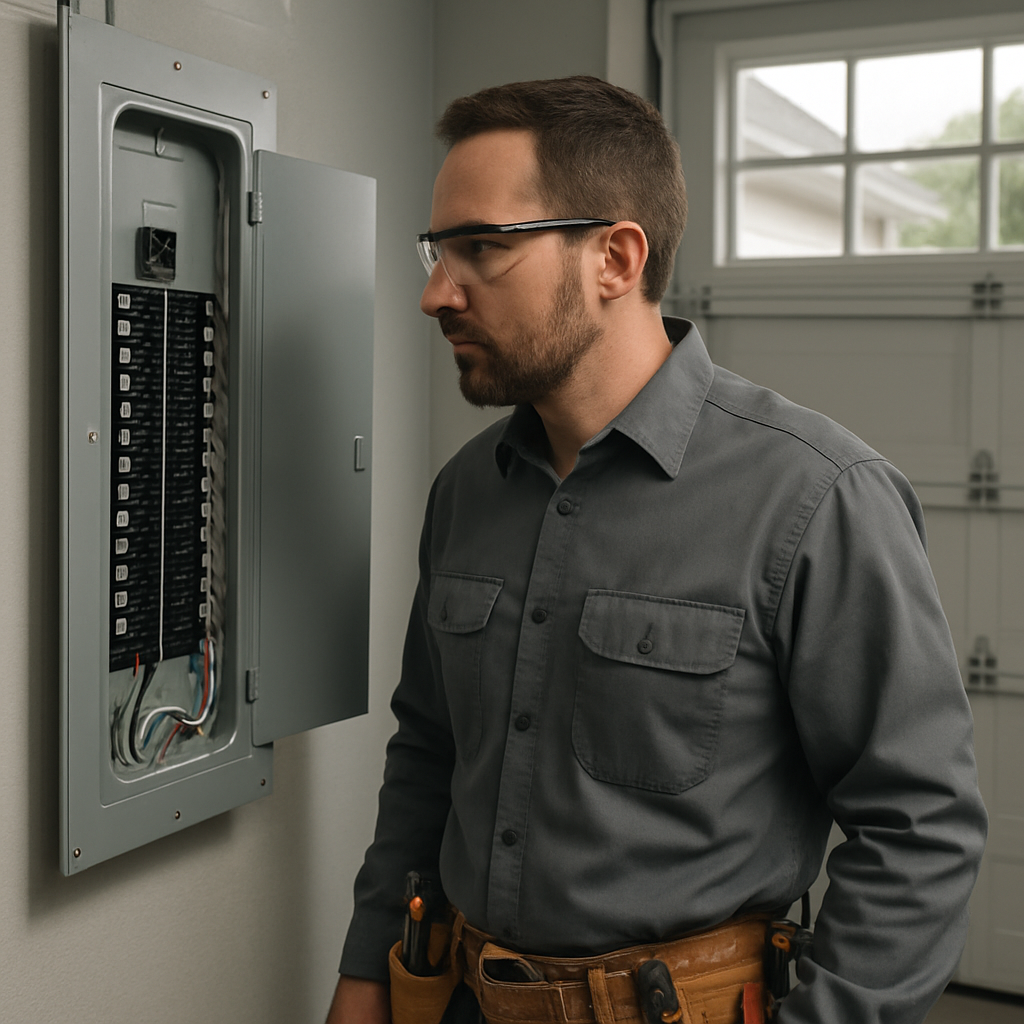
When reviewing a contractor’s general liability insurance, take these steps:
- Ask for a current certificate of insurance.
- Make sure the contractor’s legal business name matches the named insured on the certificate.
- Check the policy’s effective and expiration dates.
- Review the listed coverage limits.
- Consider calling the insurer or agent listed on the certificate to confirm the policy is active.
- Do not rely only on a logo, verbal claim, website statement, or old certificate.
Workers’ Compensation Coverage
If a contractor has employees, workers’ compensation coverage may be required depending on state law and the company’s workforce. It can also be important if a worker is injured on your property.
Before work begins, ask:
- Will your company use employees, subcontractors, or both?
- Do you carry workers’ compensation coverage?
- Can you provide a current certificate?
- Who verifies insurance coverage for subcontractors?
- Will subcontractors be properly licensed and insured for the work they perform?
Know the Limits of Insurance
Insurance policies have limits, exclusions, conditions, and deductibles. Poor workmanship, incomplete work, payment disputes, and project delays may not be handled in the same way as accidental property damage or bodily injury.
That is why your best protection is layered: verify credentials, use a detailed written contract, pull permits when required, document approved change orders, make staged payments tied to milestones, and keep records of estimates, invoices, photos, emails, and certificates.
Price should be only one part of the decision. A bid that looks dramatically lower may leave out permits, proper insurance, qualified labor, materials, or the scope needed to complete the work correctly. Read more about when a low bid can become the more expensive choice.
How to Verify a Contractor Before You Hire Them
Taking a few minutes to verify credentials before signing can prevent major headaches later.
1. Ask for the Right Information
Request the following items up front so you can review everything in one place:
- Full legal business name, plus the contractor’s name and title.
- License number and license classification.
- Proof of general liability insurance and, when applicable, workers’ compensation coverage.
- Bond information, if a bond is required for the work or jurisdiction.
- Physical business address and working phone number.
- References, examples of comparable projects, a written estimate, and a proposed contract.
2. Verify the License Independently
Use the official state or local licensing lookup rather than a link the contractor sends. Search by both the license number and the business or individual name. Confirm the license status, expiration date, credential type, and any publicly available disciplinary information. Make sure the credential applies to the work you are having done.
If the record is unclear, contact the licensing agency directly. For Michigan residential builders and maintenance-and-alteration contractors, LARA is the appropriate state resource. For work in another state, use the licensing authority or consumer-protection office that applies to your location.
3. Verify Insurance With the Carrier
Call the insurer or agent listed on the certificate. You can say:
“Hi, I am considering hiring [Contractor Legal Name] for work at my home. Can you confirm whether this policy is currently active and whether the named insured matches this company?”
The insurer may limit what it can disclose, but you can still ask for current documentation and clear answers from the contractor or insurance agent.
4. Check Bond Requirements and Documents
Ask your building department whether a contractor or permit bond is required for your project. If a contractor provides bond information, check the contractor’s name, bond amount, effective dates, surety company, and claim-contact information. Read the bond’s purpose carefully, and do not assume it covers every loss connected to your project.
5. Review the Contract Before Paying a Deposit
A strong contract works alongside verified credentials. Before paying a deposit, make sure the agreement clearly covers:
- The exact scope of work.
- Materials, brands, allowances, and exclusions.
- Start date and estimated completion date.
- A payment schedule tied to meaningful project milestones.
- Permit responsibility.
- The change-order process.
- Warranty terms.
- Cleanup and disposal responsibilities.
- Insurance and subcontractor expectations.
- Communication, cancellation, and dispute-resolution procedures.
Red Flags to Watch For
Pay attention if a contractor refuses to provide a license number, says verification is unnecessary, or cannot explain what license applies to the proposed work. It is also a concern when the business name on the estimate does not match the license or insurance documents, or when credentials appear expired, inactive, or unrelated to the job.
Other warning signs include pressure to decide immediately, unusually large upfront payments, requests for full payment before work starts, vague proposals, or a price far below comparable bids with no clear explanation. Be cautious if the contractor asks you to pull permits in a way that appears designed to avoid licensing or inspection requirements.
A professional contractor should be willing to explain who will perform each part of the project—especially regulated electrical, plumbing, and HVAC work, and should put promises, warranties, changes, and payment terms in writing.
Contractor Hiring Checklist
Use this quick checklist before moving forward with a home project.
Before Requesting Estimates
- I understand the general scope and approximate budget for my project.
- I have checked whether permits may be required.
- I plan to compare more than one written estimate.
Before Signing a Contract
- I verified the contractor’s active license through an official lookup.
- I confirmed the license type matches the work.
- I reviewed current general liability insurance documentation.
- I asked about workers’ compensation and subcontractor coverage.
- I asked whether a bond is required locally and reviewed the details if it applies.
- I checked references, project photos, and recent reviews.
- I received a detailed written contract and understand the payment schedule.
- I know who will obtain permits and how change orders will be approved.
- I saved copies of estimates, contracts, emails, certificates, invoices, and project photos.
Find a Vetted Contractor for Your Project
Hiring with confidence starts with asking the right questions, and finding a contractor who is ready to answer them. Instead of sorting through uncertain listings or relying on the lowest quote, submit your project through My Licensed Contractor.
Enter your ZIP code, select the trade you need, and share a few details about your project. My Licensed Contractor can help match you with a vetted contractor in your area, so you can move forward with clearer information and a better starting point for your home project.
Submit your project and get matched with a vetted local contractor.
Frequently Asked Questions
Does “licensed, bonded, and insured” mean a contractor is automatically trustworthy?
No. These credentials are important signs of professionalism and can provide meaningful protections, but homeowners should still check references, project experience, estimates, contracts, permits, communication practices, and payment terms before hiring.
Is a bond the same as contractor insurance?
No. A bond is generally a financial guarantee backed by a surety company, while insurance may cover certain losses or liabilities under an insurance policy. What either one covers depends on its specific terms and conditions.
Can I verify a contractor’s insurance online?
Sometimes, but do not rely on a website statement or uploaded certificate alone. Ask for a current certificate of insurance and consider confirming it with the insurance agent or carrier listed on the document.
What if a contractor is licensed but does not have insurance?
Ask for clarification before moving forward. Requirements vary by state, trade, municipality, and project, but hiring an uninsured contractor can expose a homeowner to significant risk. Contact your building department and consider another contractor if current documentation is not available.
Should I hire a contractor who says I should pull my own permit?
It depends on the project and local rules, but it can be a warning sign if the contractor appears to be avoiding licensing, inspections, or accountability. Ask the building department who should obtain the permit and why before proceeding.
Find a Licensed Contractor
Connect with pre-screened, licensed contractors in your area.
Submit Your Project
Find Local Contractors
Connect with licensed, verified contractors in your area for your next project.
Submit Your Project