

The Homeowner’s Guide to Pest Inspections: What’s Included and Why They Matter
- Pest inspections look for pests, damage, entry points, and conditions that attract them.
- They can catch hidden problems before they become larger and more expensive.
- A report helps you understand what was found and what to do next.
If you have noticed droppings, insect activity, damaged wood, or strange noises in the attic, a pest inspection can help you get to the bottom of it. A professional inspection looks for active pests, the damage they may have caused, and the conditions that could bring more pests into your home.
You can schedule a pest inspection through My Licensed Contractor. Submit your project details, and we’ll match you with a local licensed and vetted professional who can assess the issue and recommend the right next steps.
What Is a Pest Inspection?
A pest inspection is a professional assessment of a home or property for signs of pest activity, damage, entry points, and pest-friendly conditions. The inspector checks areas where pests commonly hide, feed, travel, or enter the home, then explains what they found and what should happen next.
You may schedule an inspection because you suspect a problem, want a preventive check, or need documentation while buying or selling a home. The goal is not just to find visible pests. A thorough inspection can also uncover evidence of past activity, moisture problems, gaps around the home, and other issues that make infestations more likely.
Depending on your location and the type of inspection, a technician may look for signs of ants, cockroaches, termites, rodents, spiders, wasps, fleas, and other common household pests. The National Pest Management Association also offers homeowner resources on common pests and professional pest-management practices.
What Is Included in a Pest Inspection?
The exact scope of an inspection depends on the provider, property type, service plan, and your specific concern. For example, a general inspection may be broader than a termite-focused or rodent-focused assessment. Still, most pest inspections include the following areas.
Exterior Inspection
The exterior inspection helps identify how pests may be getting close to or entering the home. The inspector looks for gaps, damage, moisture, and outdoor conditions that offer pests food, water, or shelter.
- Foundation walls, cracks, and gaps
- Siding, trim, soffits, and roofline areas
- Doors, windows, screens, and weatherstripping
- Openings around utility lines, pipes, vents, and cables
- Garages, sheds, decks, porches, and fences
- Mulch, woodpiles, standing water, and vegetation against the home
- Burrows, nests, trails, mud tubes, or visible insect activity
Outdoor maintenance can make a meaningful difference. Keeping branches and vegetation trimmed away from the structure, reducing standing water, and storing firewood away from the house can help remove some of the conditions pests use to reach a home.
Interior Inspection
Inside the home, the inspector checks accessible areas where pests are likely to hide, nest, feed, or travel. Even if the outside of a home looks well maintained, pests can find their way indoors through small openings near pipes, vents, appliances, and aging seals.
- Kitchens, pantries, and food-storage areas
- Bathrooms and laundry rooms
- Basements, utility rooms, and crawl spaces
- Attics and garages
- Storage areas and spaces behind or around appliances
- Plumbing, electrical, vent, and utility entry points
- Areas where you have seen or heard possible pest activity
Signs of Pests and Damage
A major part of a pest inspection is identifying the clues pests leave behind. Some evidence is easy to miss, especially in attics, crawl spaces, behind stored items, or along the edges of a basement.
- Live or dead insects
- Rodent droppings, odors, gnaw marks, or nesting materials
- Termite mud tubes, damaged wood, shed wings, or frass
- Ant trails, carpenter ant activity, or damaged wood
- Spider webs, wasp nests, and insect harborage areas
- Chewed insulation, wiring, drywall, or stored belongings
- Leaks, moisture damage, or wood-to-soil contact
Moisture is especially important because it can contribute to pest activity and damage the materials pests target. If the inspection points to a plumbing issue, a qualified professional can help address the source. Read our guide on how to hire a plumber if you need help choosing the right contractor for a leak, drainage issue, or other plumbing concern.
Entry Points and Risk Factors
A good inspection does more than identify the pest. It helps explain why the problem is happening. Finding and fixing those contributing conditions can help reduce the chance of repeat activity after treatment.
Common risk factors include cracks around the foundation, damaged weatherstripping, openings around pipes and cables, poorly sealed doors or windows, and gaps near rooflines or vents. Inspectors may also note excess moisture, drainage problems, poor ventilation, vegetation against the home, outdoor clutter, food sources, and stacked firewood near the structure.
For example, a mouse may enter through a small opening near a utility line, find warmth in an attic, and build a nest in insulation. Treating the rodent activity matters, but sealing the opening and removing conditions that support nesting are also important for preventing the same issue from returning.
Inspection Findings and Recommendations
After the inspection, you should receive a clear explanation of what was found and what needs attention. Depending on the service provider, this may include a written report, photos, treatment recommendations, and prevention steps.
- A summary of current pest activity or visible damage
- Photos of concerning areas, when available
- The identified pest or likely pest type
- The location and severity of the issue
- Treatment recommendations
- Exclusion or repair recommendations
- Prevention tips and follow-up guidance
Benefits of a Pest Inspection
1. Catch Problems Earlier
Early pest activity is often easy to overlook. A few droppings in a corner, a faint scratching noise, or a small trail of ants may not seem urgent. However, many pest issues grow over time when the underlying cause is not addressed.
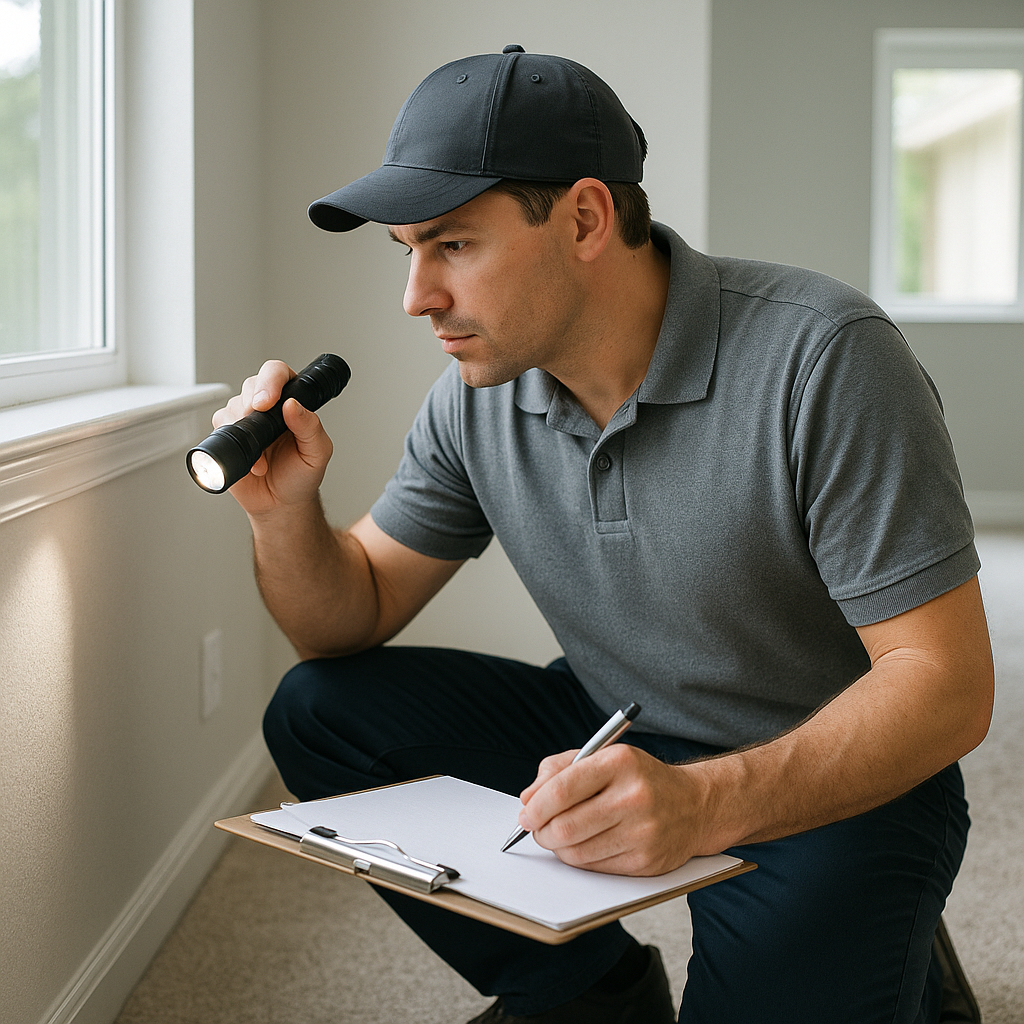
An inspection can identify early warning signs before activity spreads through more of the home. Acting sooner may mean less damage, fewer treatment visits, and a simpler fix.
2. Help Prevent Property Damage
Some pests can damage wood, insulation, drywall, stored items, and wiring. Termites and carpenter ants can be especially concerning when there is moisture-damaged or exposed wood. Rodents can chew insulation, belongings, and electrical materials in attics, garages, and storage areas.
Routine inspections can help identify pest activity and structural weak points before repairs become more involved. Homeowners should also keep an eye on exterior wear, since roof and siding issues can create openings for pests. Our guide to the signs you may need a new roof can help you spot related maintenance concerns.
3. Support a Cleaner, Safer Home
Pests can create unsanitary conditions in food-storage and food-preparation areas. Rodents and cockroaches may contaminate surfaces and stored food, while stinging insects can build nests near doorways, patios, decks, and play areas.
Some people are also more sensitive to allergens associated with pest activity. Rodent chewing can damage insulation and, in some cases, wiring. The U.S. Environmental Protection Agency’s pest-control guidance recommends using an integrated approach that focuses on prevention, monitoring, and reducing the conditions pests need to survive.
4. Find the Cause, Not Just the Pest
Treatment can address the pests currently in the home, but an inspection can reveal why they are there in the first place. That may include moisture from a leak, a gap near the foundation, overgrown landscaping, cluttered storage, or food sources that are easy to access.
When you seal gaps, address leaks, improve drainage, reduce moisture, and remove hiding places, long-term pest control is usually easier. Addressing the source can help you avoid dealing with the same issue again a few months later.
5. Give You a Clearer Plan
It is difficult to make a good decision when you are guessing about what is happening behind walls, in the attic, or around the foundation. An inspection gives you a clearer picture of the issue and helps you prioritize repairs, treatment, and preventive maintenance.
If the inspector recommends repairs beyond pest control, it can help to understand what information to gather before booking a contractor. Our guide on booking a contractor online covers the details that can make the process smoother.
When Should You Schedule a Pest Inspection?
It makes sense to schedule an inspection when you notice a possible warning sign or want a proactive check of your home. Consider booking one if:
- You see pests, droppings, nests, damaged wood, or gnaw marks
- You hear sounds in walls, ceilings, the attic, or crawl space
- You notice recurring ants, insects, or rodent activity
- You find unexplained moisture, soft wood, or water damage
- You are buying or selling a home
- You recently moved into a new property
- You have had a pest issue in the past
- You want a seasonal or preventive inspection
- You are starting or reviewing an ongoing pest-control plan
There is no single inspection schedule that works for every home. The right frequency depends on the age and condition of the property, past pest activity, local pest pressure, weather, landscaping, and the recommendations of your pest professional.
Schedule a Pest Inspection Through My Licensed Contractor
A pest inspection can help you move from uncertainty to a practical plan. Whether you have noticed signs of pests or want to check for hidden issues before they become a bigger problem, My Licensed Contractor makes it easy to find help.
Submit your project details to get matched with a local licensed and vetted professional for your pest inspection. You can get reliable guidance on what is happening around your home, what should be addressed, and what steps make sense next.
Frequently Asked Questions About Pest Inspections
How long does a pest inspection take?
It depends on the size of the property, the accessibility of key areas, and the type of concern. A standard inspection may take less time than a detailed termite, rodent, or wood-destroying insect inspection.
Do I need a pest inspection if I have not seen pests?
Yes. A preventive inspection can identify hidden activity, entry points, moisture problems, and other conditions that attract pests before an infestation becomes obvious.
Does a pest inspection include treatment?
Not always. Some providers inspect first and recommend treatment based on their findings, while others include inspections as part of an ongoing service plan. Ask what is included when scheduling the appointment.
What should I do before a pest inspection?
Make accessible areas such as the attic, basement, garage, utility room, and crawl space available if possible. Move stored items away from walls when practical, and make a note of where and when you have seen or heard activity. Share any previous pest-treatment history with the inspector.
Will a pest inspection find termites?
It may, but the answer depends on the type and scope of the inspection. Ask whether you need a general pest inspection, a termite inspection, or a wood-destroying organism inspection. These services may have different requirements and reporting standards.
Find a Licensed Contractor
Connect with pre-screened, licensed contractors in your area.
Submit Your Project
Find Local Contractors
Connect with licensed, verified contractors in your area for your next project.
Submit Your Project