
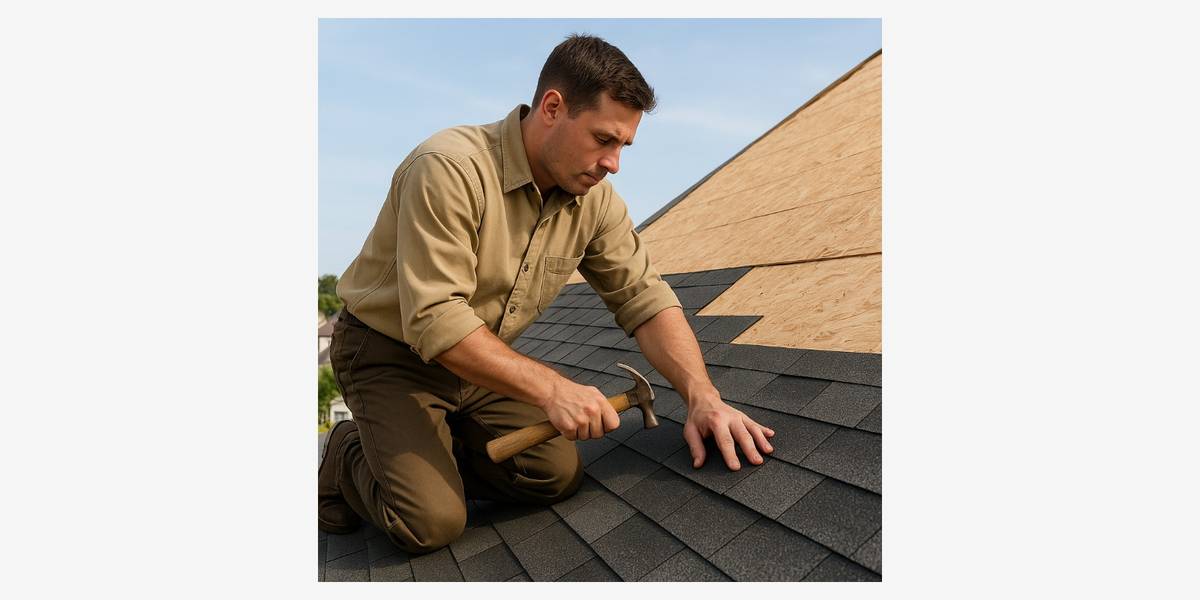
A Guide to Roofing Materials: What’s Best for Indiana Homes?
Key Takeaways
- Architectural asphalt shingles are usually the best all-around value for Indiana homeowners.
- Standing-seam metal roofing costs more upfront but offers excellent durability, snow shedding, wind resistance, and long service life.
- Impact-resistant shingles can be a smart choice in areas with frequent severe storms or hail concerns.
- Slate, synthetic slate, tile, and wood shake roofs can offer distinctive looks, but they come with higher cost, weight, maintenance, or climate-related tradeoffs.
- The right underlayment, ventilation, flashing, ice-and-water protection, and installation quality matter as much as the roofing material itself.
Indiana roofs have to handle a lot: snow and ice in winter, freeze-thaw cycles, spring rain, summer humidity, high winds, and occasional hail.
For most homeowners, architectural asphalt shingles offer the best overall balance of cost, appearance, and dependable performance, while standing-seam metal is often the best long-term durability upgrade. Indiana code also requires ice barriers in designated areas with a history of ice-dam formation, making installation details just as important as the material you choose. .
Read on to learn more about roofing materials for your Indiana home, and what to consider when replacing a roof.
Roofing Materials at a Glance
| Material | Best For | Strengths | Considerations |
|---|---|---|---|
| Architectural asphalt shingles | Most Indiana homes | Affordable, widely available, attractive, and available in wind- and impact-resistant options | Shorter lifespan than metal, slate, or some synthetic products |
| Standing-seam metal | Long-term durability and weather resistance | Long lifespan, sheds snow, resists wind, low maintenance, and can reflect heat | Higher upfront cost; may require specialty installation |
| Impact-resistant shingles | Homes exposed to hail and storm damage | Improved impact performance while retaining the look of asphalt shingles | Usually costs more than standard shingles |
| Synthetic slate or shake | Premium appearance without natural-material weight | Can mimic slate or wood, often with strong weather resistance and lower weight | More expensive than asphalt; product quality varies by manufacturer |
| Natural slate | High-end homes built to support it | Exceptional longevity, classic appearance, and strong moisture resistance | Very expensive, heavy, and requires a structure designed for the load |
| Wood shakes or shingles | Historic or rustic architectural styles | Distinctive natural appearance | Requires maintenance and may be less practical in humid, storm-prone conditions |
| Clay or concrete tile | Specific architectural styles and properly engineered homes | Long-lasting and visually distinctive | Heavy, costly, and not usually the most practical choice for a typical Indiana home |
What Makes Indiana Hard on Roofs?
Indiana homeowners need a roof that can perform through four very different seasons. Winter can bring snow, ice, and freeze-thaw conditions. Spring and summer can bring heavy rain, humidity, wind, and severe thunderstorms. Those changes put stress on roofing materials, flashing, underlayment, gutters, and attic ventilation.
Ice dams are one concern during colder weather. When warm air escapes into the attic, snow can melt higher on the roof and refreeze at the colder eaves. That backup can force water beneath roofing materials. Indiana’s residential code includes ice-barrier requirements in designated areas with a history of ice forming along eaves, and the requirement applies to several roofing systems, including asphalt shingles, metal, slate, and wood roofing. Review the Indiana Residential Code’s ice-barrier provision here.
That is why a “best roof” decision is not only about the visible material. A strong roofing system also needs proper ventilation, flashing, underlayment, fasteners, drainage, and workmanship.
Architectural Asphalt Shingles: Best Overall for Most Indiana Homes
For many homeowners, architectural asphalt shingles are the practical choice. They are more dimensional and durable than basic three-tab shingles, come in a wide range of colors, and work with many home styles. They are also widely available, which can make repairs and replacements more straightforward.
Indiana homeowners should consider upgrading beyond entry-level shingles when possible. Architectural shingles with stronger wind ratings and Class 3 or Class 4 impact ratings can offer better protection in storm-prone areas. They also provide a better appearance and generally longer expected service life than standard three-tab products.
Why asphalt works well in Indiana
- It offers a strong balance of upfront cost, curb appeal, and performance.
- It can be installed on many common residential roof designs.
- Impact-resistant options can improve storm resilience.
- Repairs are usually easier and less expensive than repairs to premium materials.
- Homeowners have many color and style options to match siding, brick, trim, and exterior finishes.
What to watch for
Not all shingles perform the same. Ask about wind ratings, impact ratings, manufacturer warranty requirements, ventilation, and the type of underlayment included in the proposal. A low bid may use entry-level materials or leave out important parts of the roof system, such as upgraded underlayment, ice-and-water protection, flashing replacement, or ventilation improvements.
Before choosing the lowest estimate, read our guide on when a low bid can become the more expensive option.
Metal Roofing: Best for Long-Term Durability
Standing-seam metal roofing is a strong option for Indiana homeowners who want a long-lasting roof and are prepared for a higher upfront investment. Metal roofing can shed snow more easily than many other materials, stand up well to wind, resist moisture, and reflect some solar heat during warmer months.
Metal is especially appealing for homeowners who plan to stay in the home for many years, own a rural property exposed to wind, or want a low-maintenance material with a more modern or distinctive look. It is also a worthwhile option for rooflines where snow accumulation and ice are regular concerns.
Why metal works well in Indiana
- It performs well in snow, rain, wind, and wide temperature swings.
- It sheds snow efficiently, which can reduce prolonged snow buildup.
- It can last significantly longer than conventional asphalt shingles when properly installed and maintained.
- It is available in many colors and profiles, including systems that mimic shingles, slate, or shake.
- Standing-seam panels offer a clean, modern appearance with concealed fasteners.
What to watch for
Metal roofs cost more upfront, and installation quality is critical. Ask whether the contractor is experienced with the specific metal system being installed, how flashing details will be handled, whether snow guards are appropriate, and what underlayment the system requires. Metal can also dent from severe hail depending on the panel type, gauge, and material, so homeowners should discuss local storm exposure with their roofer.
Impact-Resistant Shingles: Best for Storm-Prone Areas
Indiana thunderstorms can bring strong wind, debris, and hail. If storm resilience is a top concern, impact-resistant asphalt shingles can be a good middle ground between standard shingles and a higher-priced metal roof.
Many homeowners look for shingles with a Class 4 impact rating, which is commonly associated with stronger resistance to hail impact in standardized testing. That does not mean the roof is damage-proof, but it can be a meaningful upgrade for homes in areas that experience frequent severe weather.
When comparing products, ask the contractor to explain the shingle’s wind rating, impact rating, warranty conditions, and whether your insurance carrier offers any available premium consideration for impact-resistant roofing. Never assume a discount applies—confirm directly with your insurer.
Synthetic Slate and Shake: Best for Premium Curb Appeal
Synthetic roofing materials are designed to resemble natural slate or cedar shake without all of the weight, maintenance, and installation challenges of the original materials. For homeowners who want a more distinctive look, composite slate and shake can provide a strong visual upgrade while offering modern performance benefits.
This category can be especially attractive for older homes, upscale properties, and homeowners who want a premium roof without placing the structural load of natural slate or tile on the house.
Why synthetic roofing may make sense
- It can recreate the look of slate or shake at a lower weight.
- Many products are designed for weather resistance and long service life.
- It can be a better fit than natural slate for homes that cannot support significant roof weight.
- It offers a distinctive finish that can improve curb appeal.
What to watch for
Quality can vary considerably by manufacturer. Ask about the product’s impact rating, wind rating, warranty, installation requirements, fire rating, and local availability. This is not a material to choose solely from a photo—review samples in person and ask to see completed local projects if possible.
Slate, Wood, and Tile: Beautiful but Specialized
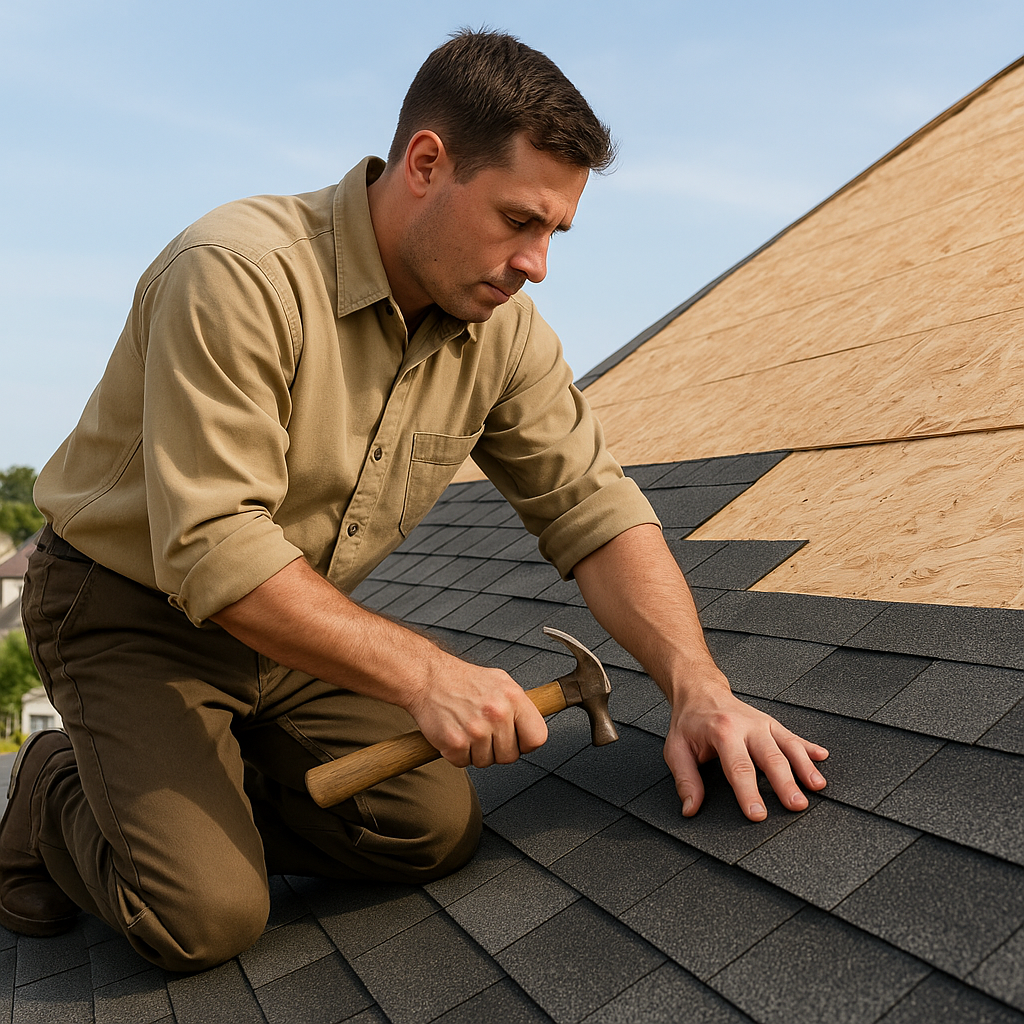
Natural slate, cedar shake, and clay or concrete tile can create a striking look, but they are not the best fit for every Indiana home.
Natural slate
Natural slate is one of the longest-lasting roofing materials available and offers a timeless appearance. However, it is expensive, extremely heavy, and requires a home structure designed to support it. Installation and repair also require specialized expertise.
Wood shakes and shingles
Wood roofs can provide beautiful texture and a traditional appearance, but they require consistent maintenance. Indiana’s humidity, rain, snow, and freeze-thaw cycles can make moisture management especially important. Homeowners should also confirm local fire-code requirements and ask about treatment, maintenance needs, and replacement availability.
Clay and concrete tile
Tile roofing can last a long time and create a distinctive architectural look, but it is heavy and may not be a practical choice for a typical Indiana home without structural review. It can also be more vulnerable to cracking under certain conditions if not properly selected and installed for the climate.
What Is the Best Roofing Material for Indiana?
There is no single best roofing material for every home, budget, or neighborhood. But for most Indiana homeowners, the choice usually comes down to two strong options:
- Architectural asphalt shingles: Best for homeowners who want dependable performance, attractive options, and a manageable upfront cost.
- Standing-seam metal roofing: Best for homeowners who want maximum long-term durability, better snow shedding, low maintenance, and are comfortable with a higher initial investment.
If your home is in an area with frequent hail or storm damage, upgraded impact-resistant architectural shingles are often worth considering. If your priority is a premium appearance, synthetic slate or shake may give you the look you want without the weight of natural slate or tile.
The most important takeaway: choose a roofing system, not just a shingle color. A quality roof depends on the materials beneath the surface, proper attic ventilation, careful flashing details, adequate ice-and-water protection, and qualified installation.
Freeze-Thaw Protection Is About More Than Roofing Material
A durable roofing material helps, but Indiana homeowners should think about the entire roof system. Even an excellent shingle or metal roof can develop problems if heat escapes into the attic, snow melts unevenly, water refreezes near the eaves, or flashing and underlayment are not installed correctly.
Prioritize These Roof-System Details
- Attic air sealing and insulation: Limiting warm air leakage from the home helps keep the roof deck colder and reduces uneven snowmelt.
- Balanced attic ventilation: Proper airflow from soffit intake vents to ridge or roof exhaust vents can help control heat and moisture in the attic.
- Ice-and-water protection: This self-adhered underlayment is commonly used at eaves, valleys, and other vulnerable areas to help protect against water backup.
- Quality flashing: Chimneys, skylights, vents, walls, and roof transitions are common leak points, so flashing details deserve close attention.
- Clear gutters and drainage: Gutters and downspouts should move meltwater away from the roof edge and home rather than allowing water to pool and refreeze.
The National Weather Service recommends evaluating attic insulation and ventilation as part of reducing ice-dam risk. In practical terms, a roof replacement is a good time to ask whether the contractor will inspect attic ventilation, roof-edge protection, flashing, and drainage—not just replace the visible roofing material. Read the National Weather Service’s ice-dam prevention guidance.
Questions to Ask Before Choosing a Roof
- Which roofing materials are best suited to my roof slope, home style, and local weather exposure?
- What wind and impact rating does this product have?
- What underlayment and ice-and-water protection are included?
- Will the contractor inspect or improve attic ventilation?
- Will flashing be replaced around chimneys, walls, skylights, and penetrations?
- How will the contractor protect landscaping, siding, and driveways during installation?
- What labor warranty does the contractor provide?
- What manufacturer warranty applies, and what steps are required to keep it valid?
- Is a permit required for this project in my city or county?
- Who will handle cleanup, disposal, and magnetic nail pickup?
Know When It Is Time to Replace Your Roof
A roofing material comparison is most helpful when you know replacement is approaching. Curling or missing shingles, frequent leaks, granules in gutters, visible storm damage, sagging areas, and a roof nearing the end of its expected service life can all be signs that it is time to call a professional.
For more guidance, review five signs you may need a new roof and these additional roofing tips for homeowners.
Warning Signs of Freeze-Thaw or Ice-Dam Problems
- Large ice dams or heavy icicles forming repeatedly along roof edges.
- Water stains on ceilings or exterior walls after snow, ice, or winter rain.
- Musty odors, damp insulation, or visible moisture in the attic.
- Curled, cracked, buckled, or missing shingles.
- Loose flashing, damaged sealant around vents or chimneys, or shingles lifting near roof edges.
- Sagging roof areas, soft decking, or daylight visible from the attic.
- Gutters pulling away from the home or fascia boards showing moisture damage.
Do not chip ice off shingles or aggressively scrape the roof, as that can damage roofing materials. If you have an active leak, sagging roof area, visible interior water damage, or recurring heavy ice dams, contact a qualified roofing contractor promptly.
Find a Roofing Contractor Near You
The right roofing material is only part of the decision. The contractor you choose affects the roof’s long-term performance, from ventilation and underlayment to flashing, fasteners, and cleanup.
Submit your roofing project through My Licensed Contractor. Enter your ZIP code, select roofing as your trade, and share a few details about your home and project. You can get matched with a vetted contractor in your area and start comparing the options that make the most sense for your Indiana home.
Submit your roofing project to get matched with a vetted local contractor.
Frequently Asked Questions
Are architectural shingles better than three-tab shingles?
For most homeowners, yes. Architectural shingles are generally thicker, more dimensional, and available with stronger wind and impact ratings than basic three-tab shingles. They typically cost more, but many homeowners find the improved appearance and durability worthwhile.
Is metal roofing worth the extra cost in Indiana?
It can be. Metal roofing often makes sense for homeowners planning to stay in their home long term, properties exposed to heavy snow or wind, and owners who prioritize durability and lower maintenance. The right choice depends on your budget, roof design, and goals.
Do I need ice-and-water protection under a new roof?
Indiana code requires ice barriers in designated areas with a history of ice forming along eaves. Requirements depend on location and roof conditions, so ask your contractor and local building department what applies to your project.
in+1Can a roof’s material prevent ice dams?
No roofing material can solve an ice-dam problem by itself. Proper attic insulation, air sealing, ventilation, underlayment, and installation details play a major role in controlling the conditions that cause ice dams.
Should I choose a Class 4 impact-resistant shingle?
A Class 4 product can be a strong option if your home is exposed to frequent hail or severe storms. Ask your roofing contractor to compare the product cost, warranty, performance rating, and any potential insurance implications with a standard architectural shingle before deciding.
Which roofing material handles Indiana freeze-thaw cycles best?
Standing-seam metal is often the strongest long-term option for homeowners prioritizing weather resistance, snow shedding, and durability through repeated temperature changes. For most homeowners, however, a quality architectural asphalt shingle roof with proper attic ventilation, insulation, flashing, and ice-and-water protection remains a practical and reliable choice. Synthetic slate or composite roofing can also perform well for homeowners seeking a premium look with strong weather resistance.
Find a Licensed Contractor
Connect with pre-screened, licensed contractors in your area.
Submit Your Project
Find Local Contractors
Connect with licensed, verified contractors in your area for your next project.
Submit Your Project