
Same-Day Home Repair Services: 7 Signs You Need Help Today
Key Takeaways
- Call for same-day help when a problem risks your safety, security, or the structure of your home.
- Water leaks, electrical warning signs, and roof damage after a storm need fast attention.
- Same-day service does not always mean a life-threatening emergency; it can also mean restoring safe, normal use of your home quickly.
- Take photos, move valuables, and avoid risky DIY fixes before your pro arrives.
A broken cabinet hinge can probably wait a few days. A spreading ceiling stain, a door that will not lock, or a loose stair railing may not. Some home problems get worse by the hour, and waiting can turn a small fix into a big, expensive project.
That is where same-day home repair services matter. Fast help is important when an issue creates an immediate safety concern, exposes your house to water or weather, weakens your security, or threatens costly damage if you delay. Below, we walk through seven clear signs that tell you to call for help today, not next week.
Emergency Call or Can It Wait? Use This Checklist
Not every repair needs an emergency call. Use this quick checklist to decide whether you should seek same-day help or schedule a standard appointment.
Call for emergency or same-day repair help if:
- Water is actively leaking, spreading, or dripping through a ceiling.
- You smell gas, see sparks, notice smoke, or have an outlet that feels hot.
- An exterior door, window, lock, or garage door will not secure your home.
- A stair, railing, deck board, floor, or other surface feels unsafe to use.
- Storm damage is allowing rain, wind, or debris into your home.
- The problem prevents you from safely using a bathroom, kitchen, entryway, or another essential area of the home.
- Damage is spreading quickly, including growing water stains, soft drywall, widening cracks, or warped flooring.
It can usually wait for a scheduled repair if:
- The issue is cosmetic, such as a small drywall dent, chipped paint, or minor trim damage.
- A cabinet, closet door, or interior fixture is inconvenient but still safe to use.
- A small caulking, weatherstripping, or hardware repair is not exposing your home to water or security risks.
- The problem is stable, not spreading, and does not create a trip, fall, fire, water, or security hazard.
If you are not sure, treat safety-related issues seriously and ask a qualified professional for guidance. For more preventive ideas, read My Licensed Contractor’s home maintenance resources.
1. You Have Active Water Damage or a Leak That Will Not Stop
Water is one of the most damaging things that can enter your home. When you spot it moving where it should not, act fast.
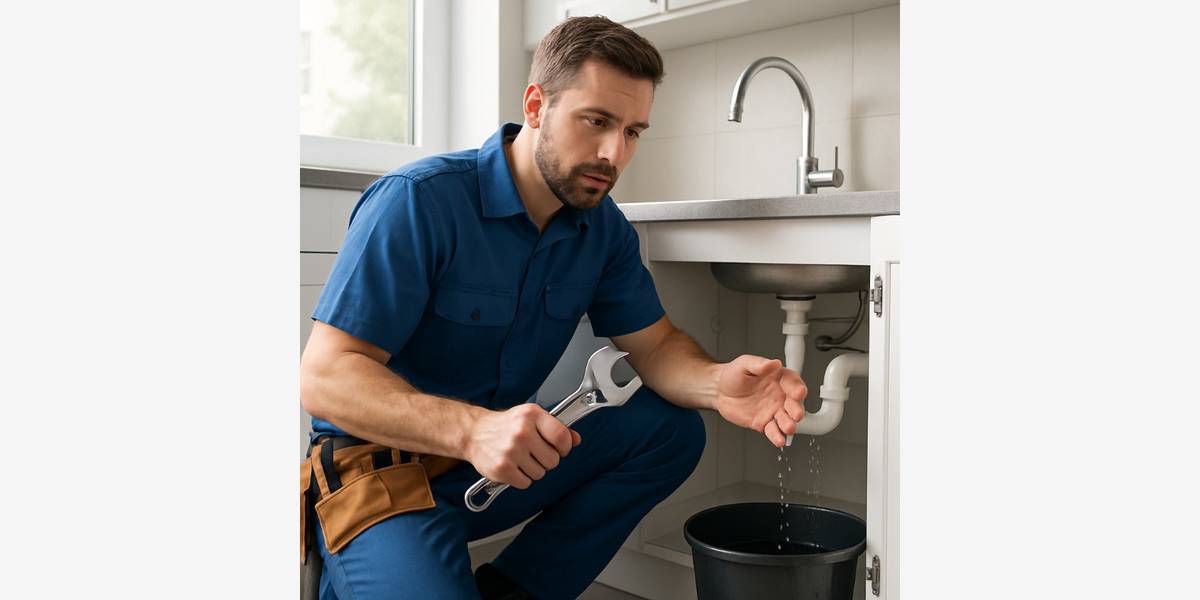
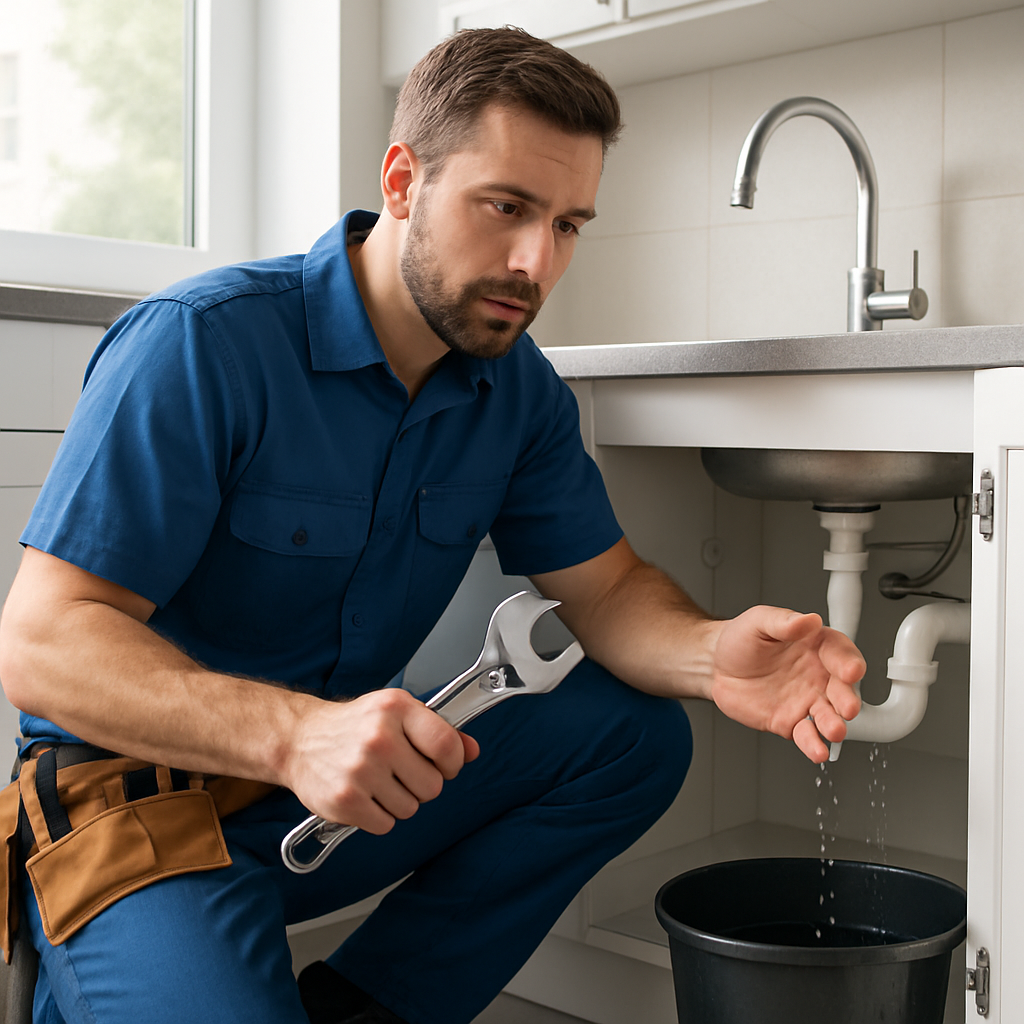
Watch for visible water around plumbing, under sinks, or near appliances. Also look for ceiling stains, bubbling paint, sagging drywall, or a ceiling that drips. A small leak can turn into a much larger restoration job when moisture spreads through drywall, flooring, or framing.
What starts as a coin-sized stain can grow into damaged drywall, warped flooring, mold concerns, and rotted wood if the source is not addressed. Inspecting plumbing areas and watching for leaks near sinks, toilets, dishwashers, and washing machines is an important part of routine home maintenance because water damage can accumulate quickly. Chase’s home maintenance checklist also recommends checking these high-risk areas regularly.
If water is actively flowing, shut off the nearest water valve only if you can do so safely. Then call an emergency plumber or qualified repair professional to locate the source and stop further damage.
2. Your Door, Window, or Lock Will Not Secure Properly
Your home should keep the weather out and unwanted visitors away. When that stops working, you have a security problem, not just an annoyance.
Call for same-day help if an exterior door will not close or lock, if broken glass or a damaged frame leaves a window open, or if your garage door will not close safely. These issues become more urgent when night falls or a storm is on the way.
An open or unlocked entry point can invite intruders and expose your home to rain, wind, pests, and cold air. Repairing the problem before dark helps protect your family, belongings, and property. For longer-term prevention, routine inspections of windows, doors, garage doors, and exterior weatherproofing can help you spot trouble before it becomes urgent.
3. A Stair, Handrail, Deck Board, or Floor Feels Unsafe
Anything you walk on or hold onto needs to be solid. A weak spot can lead to a fall and a serious injury.
Pay attention to wobbly handrails, loose steps, soft or uneven flooring, damaged deck boards, cracked tile, and transition strips that have pulled away from the floor. These issues can create trip-and-fall hazards, especially for children, older adults, guests, and anyone with limited mobility.
A loose railing or damaged stair should not be treated as a future project if people need to use it every day. Same-day home repair services can stabilize or repair the hazard before someone gets hurt. If a deck, stairway, or floor feels structurally unsafe, avoid using it until a qualified contractor has assessed it.
4. You Notice Electrical Warning Signs
Electrical trouble is easy to ignore until it becomes dangerous. Take these signs seriously every time.
Watch for sparking outlets, warm outlet covers, breakers that trip repeatedly, flickering lights tied to an outlet or fixture, burning smells, buzzing sounds, or discolored switches and receptacles. These warning signs can point to an electrical problem that needs qualified attention.
Please do not try to fix electrical problems yourself. Shut off power only if you can do so safely, then call a qualified emergency electrician. For more homeowner guidance, see Don’t Get Zapped: What Electrical Jobs You Can Actually DIY and Should I Hire an Unlicensed Electrician in Indiana? on the My Licensed Contractor blog.
The U.S. Consumer Product Safety Commission provides consumer safety information and recall notices that can help homeowners identify unsafe products and potential home hazards. When electrical symptoms appear, however, the safest next step is professional diagnosis and repair.
5. A Roof, Window, or Exterior Opening Is Letting Weather Inside
Your home’s exterior shell keeps the elements out. When it fails, water and wind can reach the parts of your house you never see.
Look for missing shingles after a storm, water entering around windows or doors, damaged siding, broken trim, or exterior openings that expose underlying materials. Even a small opening can allow rainwater to enter walls, ceilings, insulation, or framing.
If you can safely add temporary weatherproofing, such as moving belongings away from the affected area or placing a bucket under an interior drip, do so. Avoid climbing onto a wet, steep, or storm-damaged roof yourself. A roofing or exterior repair professional can assess the opening, install temporary protection if needed, and recommend a lasting repair.
For more roof-related warning signs, visit 5 Signs You Need a New Roof: A Homeowner Guide and Best Roofing Tips for Homeowners.
6. Damage Is Spreading Instead of Staying Put
Some problems hold still, and some keep growing. The ones that grow deserve your attention today.
Watch for cracks that widen, water stains that expand, peeling paint, soft drywall, warped flooring, loose trim, or doors that suddenly stick or will not latch. A door that changes how it closes may be caused by moisture, a shifting frame, swelling materials, or another problem that needs a closer look.
These issues are not always dramatic emergencies, but they can be early warnings that something is changing behind the scenes. A skilled handyman or general contractor can identify the likely cause, help limit further damage, and recommend the right repair path before the problem becomes more costly.
Regular home inspections can help catch these changes earlier. For a proactive plan, see The Ultimate Home Maintenance Checklist: Room-by-Room and System-by-System Guide.
7. The Repair Makes Part of Your Home Unusable
Not every same-day call involves danger. Sometimes you need a room or fixture back in working order so life can go on.
You may have a bathroom fixture that leaks and cannot be used, an interior door that will not close, or damaged drywall, flooring, or cabinetry after an accident. Broken closet hardware, cabinet hardware, safety gates, or other functional components can also disrupt your day.
Same-day service does not always mean a life-threatening emergency. It can simply mean restoring normal, safe use of your home quickly so you are not left without a working bathroom, secure door, usable entryway, or safe walking surface.
Common Same-Day Home Repairs
Many everyday problems fit well into a same-day home service visit. Common repairs include:
- Drywall holes or water-damaged drywall
- Leaky faucets, fixtures, and visible plumbing-related damage
- Doors that stick, will not latch, or will not lock
- Broken window trim, screens, or hardware
- Loose handrails, stair components, and deck boards
- Damaged flooring and transition strips
- Minor storm-related exterior repairs
- Caulking, weatherstripping, and exterior sealing repairs
- Cabinet, closet, and interior hardware repairs
- Minor repairs needed to restore safe use of a bathroom, kitchen, or entryway
Many common household repair categories, including drywall damage, leaky faucets, doors, siding, and worn caulking, are less expensive and easier to address when handled early. Preventive maintenance, including checking gutters, downspouts, exterior surfaces, plumbing fixtures, and doors, can help reduce the chances of a surprise repair. This home maintenance checklist offers a useful starting point for routine inspections.
What to Do Before Your Same-Day Repair Visit
A little preparation helps your pro work faster and keeps you safer while you wait. Follow these simple steps:
- Take clear photos of the damage from a few angles.
- Move valuables away from leaks or affected areas.
- Shut off water or electricity only when it is safe and you know the correct shutoff.
- Avoid temporary DIY work that could make the repair harder or more dangerous.
- Keep children and pets away from unsafe areas.
- Tell the repair professional what happened, when it started, and whether the damage is getting worse.
- Gather relevant documents, including appliance warranties, prior repair records, or insurance information when appropriate.
These details give your technician a head start. The more they know before they arrive, the quicker they can focus on stabilizing the problem and recommending the right repair.
Get Same-Day Help From My Licensed Contractor
When your home needs fast attention, My Licensed Contractor is ready to help you connect with trusted local professionals. The platform helps homeowners find licensed and verified contractors, compare contractor details, and request help for home service needs. Contractors listed through My Licensed Contractor are verified for current, active licenses, helping homeowners make more informed decisions when time matters. Explore My Licensed Contractor to find a contractor by city or ZIP code.
Frequently Asked Questions
1. What counts as a same-day home repair?
A same-day repair is a fix that should not wait because it threatens your safety, security, or home, or because it makes an essential part of the house unusable. Active leaks, sparking outlets, doors that will not lock, unsafe stairs, and storm damage are common examples. Same-day service can also help restore a working bathroom, secure entryway, or safe walking surface.
2. What is the difference between a same-day repair and a true home emergency?
A true emergency involves immediate danger, such as a gas smell, electrical fire risk, active flooding, major structural instability, or a serious security breach. Same-day repairs may include less severe but still urgent issues, such as a leaking fixture, damaged drywall after a plumbing issue, a door that will not latch, or a loose handrail. If there is immediate danger to people or property, contact emergency services or the appropriate emergency trade professional first.
3. Should I try to fix an electrical problem myself before help arrives?
No. Electrical hazards such as sparking outlets, warm outlet covers, burning smells, and repeated breaker trips can point to a fire risk. Shut off power only if you can do it safely, then call a qualified electrician. Leave diagnosis and repair to a licensed professional.
4. How can I limit water damage while I wait for a plumber?
Shut off the water supply if you know where the valve is and can reach it safely. Move furniture, electronics, and valuables away from the wet area. Place buckets under active drips and use towels to contain small amounts of water. Take photos for your records, then contact an emergency plumber or qualified repair professional to find and fix the source.
5. Does same-day service cost more than a regular appointment?
Same-day or emergency service may cost more because it requires schedule changes, rapid dispatch, or after-hours availability. However, delaying an active leak, unsafe railing, damaged roof opening, or security issue can cost far more if the damage spreads. Ask for an estimate and scope of work before repairs begin whenever possible.
6. Can My Licensed Contractor help me find a professional for an emergency repair?
Yes. My Licensed Contractor helps homeowners connect with licensed and verified local contractors for home repair needs. When submitting your project details, clearly explain that the problem needs same-day attention, describe the safety or damage concern, and include photos when possible. This information can help the right professional understand the urgency of your request.
7. Should I call a handyman, plumber, electrician, roofer, or general contractor?
Call a plumber for active plumbing leaks, clogged or backed-up drains, failed water fixtures, or water supply issues. Call an electrician for sparking outlets, repeated breaker trips, burning smells, or damaged wiring. Call a roofer for storm damage, missing shingles, or roof leaks. A handyman or general contractor may be appropriate for drywall, trim, doors, railings, flooring, weatherproofing, and other general repairs. When you are unsure, describe the issue clearly when requesting help so you can be matched with the right trade.
8. Is a leaking ceiling always an emergency?
A leaking ceiling should be treated as urgent because water may be coming from plumbing, a roof opening, an appliance, or another hidden source. If the ceiling is bulging, sagging, actively dripping, or located near lights or electrical fixtures, stay clear of the area and seek professional help immediately. Do not puncture a bulging ceiling unless a qualified professional advises you to do so.
9. What should I do after storm damage to my roof, siding, or windows?
First, make sure everyone is safe and stay away from downed power lines, broken glass, unstable trees, and damaged structures. Take photos from a safe location, move valuables away from leaks, and use temporary interior containment measures if needed. Do not climb onto a damaged roof. Contact a qualified roofing or exterior repair professional for an assessment, and review your insurance policy if the damage may be covered.
10. How can I avoid needing emergency home repairs in the future?
Routine maintenance is the best defense. Check under sinks and around appliances for leaks, inspect roof and siding after storms, clean gutters, test smoke and carbon monoxide alarms, look for loose railings or damaged steps, and address small cracks or water stains before they spread. For a complete preventive plan, review The Ultimate Home Maintenance Checklist: Room-by-Room and System-by-System Guide on the My Licensed Contractor blog.
Find a Licensed Contractor
Connect with pre-screened, licensed contractors in your area.
Submit Your Project
Find Local Contractors
Connect with licensed, verified contractors in your area for your next project.
Submit Your Project