
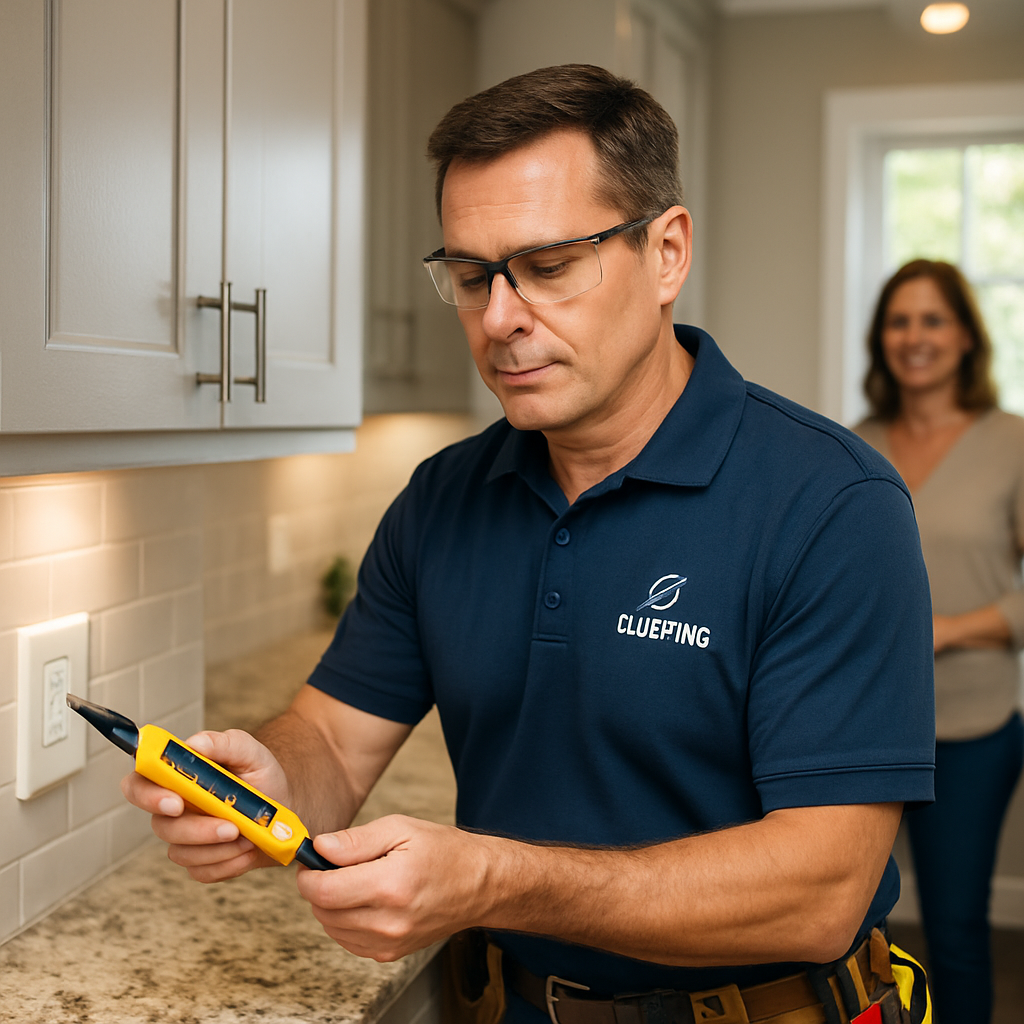
Qualified vs. Unqualified Leads: Why More Leads Don’t Always Mean More Revenue
- Home service contractors need a clear strategy to distinguish qualified leads from unqualified leads.
- Qualified leads may need immediate follow-up or long-term nurturing; unqualified leads may be referred, filtered out, or revisited later if their circumstances change.
- Tracking lead quality—not just total inquiries—helps contractors improve close rates, marketing efficiency, and revenue.
Does this sound familiar? You are getting calls, people are asking for quotes, and then nothing happens.
It is a common scenario for home service contractors. Homeowners may disappear after an initial call, form submission, or estimate request because:
- They are not ready to hire yet.
- Your quote is not competitive for their needs or budget.
- They are contacting multiple contractors and have not decided who to hire.
- They were never a true fit for your services, location, project minimums, or licensing scope.
In many cases, a homeowner who goes quiet after first contact was simply not a qualified lead. Understanding the difference between qualified and unqualified leads helps your office staff, sales team, estimators, and technicians spend more time on opportunities that can become profitable jobs.
In this guide, we explain qualified leads vs. unqualified leads for home service projects, how to screen inquiries, and what to do with prospects who are not ready or not a fit.
What Is a Qualified Lead?
A qualified lead is a person or opportunity that matches the type of work your company can realistically and profitably perform. The lead has a genuine need, is within your operating area, and has a reasonable path to booking service, an estimate, or a project.
Typically, a qualified home service lead has these characteristics:
- They need a service your business actually offers.
- They are located within your service area.
- The person you are speaking with can approve work or involve the actual decision-maker.
- The project fits your licensing, insurance, skill set, and specialization requirements.
- The customer has a realistic timeline.
- They have a budget, financing option, insurance claim, or other means to pay for the work.
- They are willing to schedule an initial site assessment, inspection, estimate, or service appointment.
- They are ready to hire now or have a clear and realistic timeline for getting started.
For example, a homeowner in your service area who needs an electrician to replace an outdated electrical panel within the next month is likely a qualified lead. A homeowner who needs an HVAC company to install a furnace before winter may also be qualified if your company provides that service and can meet their timeline.
Before scheduling an estimate, it can help to confirm whether the homeowner understands the scope of work, whether they own the property, and whether the project is something your company is equipped to complete. This keeps your team from spending time on calls that were never likely to become revenue-producing jobs.
Not All Qualified Leads Are Ready to Hire Today
A qualified lead may need emergency service today, but many valuable home service leads need more time before they book. A homeowner planning a bathroom remodel may not be ready to hire a plumber this week, yet they may still be an excellent future customer.
The key distinction is whether the prospect is a good fit and has a realistic opportunity to become a customer. Leads with a clear need but a longer timeline should often be nurtured instead of discarded.
For example, a homeowner who needs a roof replacement next spring may not be ready for a sales appointment today. However, if they are in your service area, own the property, need a service you provide, and intend to move forward within a reasonable period, they may be worth keeping in your CRM or follow-up pipeline. Contractors can also provide useful information while the customer is evaluating the project, such as this guide to signs that you may need a new roof.
How to Define Qualified Leads for Your Trade
What counts as a qualified lead depends on the work your company performs, your license and insurance requirements, your geographic coverage, and the types of jobs that make financial sense for your business.
| Trade | Example of a qualified lead | Example of an unqualified lead |
|---|---|---|
| Electrician | A homeowner within the service area needs a panel upgrade, EV charger, generator connection, rewiring, or new lighting installation. | A caller wants utility-company work, a service outside your license scope, or work in an area you do not serve. |
| Plumber | A homeowner needs water-heater repair, drain cleaning, leak repair, repiping, sewer work, or fixture installation. | A renter seeks approval-only work without landlord authorization, or the caller requests a service you do not offer. |
| HVAC contractor | A homeowner needs AC repair, furnace service, indoor-air-quality work, ductwork, or a system replacement. | A caller is seeking appliance repair or service outside the contractor’s geographic coverage. |
| Roofing contractor | A property owner needs a roof inspection, repair, replacement estimate, storm-damage assessment, or gutter-related service. | A caller wants a job type the roofer does not handle, such as unrelated siding or interior drywall work. |
| Landscaper | A homeowner wants routine maintenance, irrigation work, lawn care, hardscaping, tree work, or a seasonal cleanup within the company’s minimum project size. | A prospect wants a small job below the company’s minimum, is outside the service route, or requests a service not offered. |
| Pest-control provider | A homeowner needs treatment for a covered pest issue, recurring prevention, inspection, or exclusion work. | A caller seeks wildlife removal, termite work, or another specialty the company does not provide. |
| Home-security contractor | A homeowner needs cameras, smart locks, access control, alarm equipment, or professional monitoring. | A caller wants technical support for a brand or system the company does not install or service. |
For electrical contractors, the qualification process should also account for licensing and project scope. A request for a panel replacement, EV charger installation, generator connection, or lighting upgrade may be a strong opportunity when it falls within your service area and capabilities. For a closer look at common electrical projects homeowners may ask about, see electrical upgrades for homeowners and small businesses.
What Is an Unqualified Lead?
An unqualified lead is a person or opportunity that does not currently meet your service criteria. They may be outside your location, looking for a service you do not provide, unable to authorize work, unwilling to meet your minimum job size, or not ready to make a decision.
Not every unqualified lead is permanently unqualified. A homeowner planning a roof replacement next year may not be ready for a sales appointment now, but they could become a valuable nurture lead. A customer outside your normal territory may become qualified if they are close enough to your service boundary and the project is large enough to justify travel.
The goal is not to reject every lead that does not book immediately. The goal is to identify whether a lead should be:
- Sent to your sales or scheduling team for immediate follow-up.
- Placed in a nurture sequence for future follow-up.
- Referred to another trusted professional.
- Disqualified and removed from active sales follow-up.
Not a Fit vs. Not Ready
Some leads are unqualified because they are not a fit for what you offer, while others are unqualified only because they are not ready to move forward yet.
- Not a fit: The lead is outside your service area, wants an unavailable service, cannot authorize the work, does not meet business requirements, or needs a project outside your license or specialization.
- Not ready: The lead needs the service eventually but has a longer timeline, needs financing, is waiting for insurance approval, is comparing contractors, or is still researching options.
It is important to tell the difference. A lead that is not ready may still become a customer later, while a lead that is not a fit should not continue taking up time in your immediate sales pipeline.
For example, a homeowner who needs a water heater replaced but is waiting for insurance or financing may be a nurture opportunity. A caller requesting a type of plumbing service your business does not provide is more likely a true disqualification. Helpful educational content can keep future-ready leads engaged, such as this water heater repair, replacement, maintenance, and sizing FAQ.
How Lead Quality Affects Closing Rate and Revenue
Lead quality has a direct effect on how efficiently your home service business turns inquiries into booked jobs and revenue.
For example, a plumbing company may receive 100 inquiries and book 20 jobs, creating a 20% close rate. However, if 40 of those inquiries are spam, out-of-area calls, requests for services the company does not offer, job seekers, or people who cannot authorize work, the close rate may make the sales team appear less effective than it actually is.
Poor-fit leads also waste time. Dispatchers, office staff, technicians, and estimators may spend hours returning calls, answering questions, driving to estimates, or following up with prospects who were never likely to become customers. That can delay responses to high-value leads and increase the cost of winning each job.
Instead of judging marketing by total lead volume alone, track:
- Qualified leads
- Booked jobs
- Close rate
- Average job value
- Revenue
- Gross profit
- Cost per acquired customer
- Lead source
- Disqualification reason
A channel that produces fewer inquiries may still be more valuable if its leads close at a higher rate, create larger jobs, and generate more profitable revenue.
How to Qualify Home Service Leads
Consistent lead qualification helps home service contractors focus their time on inquiries that are most likely to become profitable jobs. Start by creating a shared definition of a qualified lead that everyone in your company can follow.
A basic qualification checklist should confirm:
- The service the customer needs
- The property type and location
- Whether the caller is the homeowner or authorized decision-maker
- The urgency, timeline, job scope, and potential value
- Budget expectations, financing needs, or insurance involvement
- Whether the customer is ready to schedule an estimate, inspection, or service visit
Your standards should reflect the services and job sizes that make sense for your business. For example, a landscaping company focused on large hardscape projects may not pursue small one-time mowing requests. A home-security installer may screen out consumer-device troubleshooting if it is not a service the company offers.
Use a short, friendly intake script to gather the details you need. Ask what is happening, where the property is located, how soon the customer needs help, and whether they are ready to schedule.
Tailor questions to the trade:
- Roofers may ask about storm damage, roof age, active leaks, and insurance involvement.
- HVAC companies may ask about system symptoms, age, fuel type, maintenance history, and whether the issue is an emergency.
- Plumbers may ask about the location of a leak, whether water is shut off, fixture type, drainage issues, and property ownership.
- Electricians may ask about the panel, breaker issues, age of the home, equipment being installed, and whether permits may be required.
- Pest-control providers may ask which pests are present, where activity is occurring, how long the issue has been happening, and whether treatment has already been attempted.
Record every inquiry in one CRM, field-service platform, call-tracking system, or organized spreadsheet. Track the lead source, requested service, appointment status, estimate amount, outcome, revenue, and disqualification reason.
Finally, respond quickly. Homeowners often contact several contractors, especially during emergencies. Set response-time standards for calls, web forms, text messages, quote requests, and online booking requests so qualified leads do not choose a faster competitor.
What to Do With Unqualified Leads
Not every inquiry should become a sales opportunity. Trying to book every caller can waste technician and office staff time, create poor customer experiences, and lead to jobs that are outside your service area, licensing, specialties, or profitability requirements.
When a lead is not a fit, respond clearly and professionally rather than forcing it into your pipeline.
A simple response might be: “Thank you for contacting us. This service is outside our current service area, so we do not want to waste your time by scheduling an appointment we cannot properly support.”
When appropriate, refer the customer to a trusted local contractor. An electrician can refer plumbing work to a plumber, a roofer can refer pest concerns to a pest-control provider, and a landscaper can refer specialized tree or irrigation work to a qualified partner.
Keep a current referral list organized by:
- Trade
- Service area
- Specialty
- License or certification needs
- Emergency availability
- Minimum job size
Just as importantly, track why leads are disqualified. Common reasons include:
- Outside your service area
- Service not offered
- Project below your minimum job size
- Caller is not the property owner or decision-maker
- Budget or timeline does not align
- Spam, duplicate contacts, wrong numbers, vendors, or job seekers
- No response after follow-up
Review this information monthly to improve your marketing. If too many leads are outside your coverage area, tighten geographic targeting in paid ads and clearly list your service area on your website and Google Business Profile. If callers frequently request services you do not offer, update service pages, ad copy, categories, and call scripts to set better expectations.
Over time, these insights can help you attract more qualified leads, reduce wasted ad spend, improve operational efficiency, and increase close rates.
Need More Qualified Leads? Try My Licensed Contractor
Finding more leads is only helpful when those leads match the services, locations, and job types your business is equipped to handle. My Licensed Contractor helps connect vetted home service professionals with local homeowners who are actively looking for help.
Contractors across a range of trades—including electricians, plumbers, HVAC companies, roofers, landscapers, pest-control providers, home-security installers, and more—can receive job requests from homeowners in their market. Each request includes important details that help you decide whether the opportunity is a good fit before spending time on follow-up.
Get started today by claiming your free profile. If you decide to upgrade, you can buy ZIP codes and be the first contractor—or the only contractor—to receive job requests for your trade.
Frequently Asked Questions
Why do home service contractors need to qualify leads?
Qualifying leads helps contractors focus on customers who are more likely to book profitable work. It reduces time spent on out-of-area calls, unavailable services, low-value projects, and people who are not ready to move forward.
How do I know which lead sources are most profitable for my home service business?
Track each source by qualified leads, booked jobs, close rate, average job value, revenue, gross profit, and cost per acquired customer. The source with the most calls is not always the source producing the most profitable jobs.
How can My Licensed Contractor help me get qualified leads?
My Licensed Contractor connects vetted contractors with local homeowners seeking home services. Job requests include details such as the requested service, project scope, location, and timeline so you can quickly decide whether the opportunity fits your business.
Why is response time important for qualified home service leads?
Homeowners often contact more than one contractor. Responding quickly helps you reach interested customers before they book with a competitor, especially when they need urgent plumbing, HVAC, electrical, roofing, pest-control, or security service.
How should I track unqualified leads in the trades?
Record each unqualified lead in your CRM, field-service software, call-tracking platform, or spreadsheet. Include the source, requested service, location, reason for disqualification, and final outcome to identify patterns and improve marketing targeting.
Should I follow up with leads that are not ready to book a home service?
Yes. If the customer is a good fit but has a longer timeline, keep the lead in a nurture pipeline. Follow up with helpful information, maintenance reminders, financing options, project examples, or seasonal promotions until they are ready.
What questions should contractors ask to qualify a lead?
Ask about the service needed, property location, project details, urgency, timeline, decision-maker status, budget or insurance involvement, and whether the homeowner is ready to schedule an estimate, inspection, or service visit.
Find a Licensed Contractor
Connect with pre-screened, licensed contractors in your area.
Submit Your Project
Find Local Contractors
Connect with licensed, verified contractors in your area for your next project.
Submit Your Project