

Electrical Contractors in Mount Vernon, IN: What Victorian and Modern Homes Need
Key Takeaways
- Depending on your exact address, Mount Vernon and the rest of Posey County are served by CenterPoint Energy, WIN Energy REMC, or Duke Energy Indiana, and any work that involves the meter, service entrance, or connection to the grid requires coordination with your utility before your permit gets signed off.
- Mount Vernon has a real split between century-old homes near the Victorian downtown historic district and newer construction further out, and those two groups come with very different electrical needs and code requirements.
- If you need a licensed electrician in Mount Vernon, IN, you can submit your project right here through My Licensed Contractor and get connected with vetted professionals who know local code, utility requirements, and what older homes in this area typically need.
Introduction
Mount Vernon sits at the confluence of the Ohio and Wabash Rivers as the seat of Posey County. It has a population of around 6,500 and a downtown historic district listed on the National Register of Historic Places, full of Late Victorian homes and commercial storefronts built well before modern electrical standards existed. Move a few blocks out from that core and you start seeing homes from the mid-twentieth century, and further out still, more recently built residential construction.
That mix matters a lot when you're talking about electrical work. A house built in 1895 on Main Street and a house built in 2005 on the edge of town are not the same job. They have different wiring materials, different panel setups, different risks, and different permit requirements. The industrial side of Mount Vernon, including the Ports of Indiana, the SABIC facility, and CenterPoint's A.B. Brown generating plant, also means this is a community with real commercial and industrial electrical demand that goes well beyond typical residential service.
Whether you own a Victorian-era home near downtown or a newer build further out, finding the right electrician in Mount Vernon, IN matters. You can submit your project right here through My Licensed Contractor to get connected with licensed professionals who understand what this area requires.
Mount Vernon Electrical Contacts and Utility Information
Before any electrical work begins, you'll want to know who to contact for permits, inspections, and utility coordination. Permits for Mount Vernon and the rest of Posey County are handled at the county level, and depending on your address, your electric utility may be CenterPoint Energy, WIN Energy REMC, or Duke Energy Indiana. Here's a quick reference for the main offices and organizations involved in electrical work in Mount Vernon.
| Contact | Purpose | Address / Details | Phone | Link |
|---|---|---|---|---|
| Posey County Building Commissioner (Ed Batteiger; Alicia Denning, Administrative Assistant) | Electrical permits and inspections for Mount Vernon and Posey County | 126 East Third St., Room 132, Mt. Vernon, IN. Hours: Monday-Friday, 8:00 a.m.-4:00 p.m. | (812) 838-1324 | Posey County Building Commissioner |
| CenterPoint Energy (formerly Vectren) | Power outages and service/meter coordination in and around Mount Vernon | Investor-owned utility, Indiana South service territory | (800) 227-1376 for outages | centerpointenergy.com |
| WIN Energy REMC | Power outages and service coordination for rural Posey County members | Not-for-profit rural electric cooperative | (888) 456-9876 for outages | winenergyremc.com |
| Duke Energy Indiana | Power outages and service coordination for some Posey County addresses | Investor-owned utility | (800) 343-3525 for outages | duke-energy.com |
A few additional contacts are worth knowing. The Indiana Utility Regulatory Commission (IURC) oversees investor-owned utilities like CenterPoint and Duke Energy in Indiana; if you have a dispute related to service connection or billing after electrical work, the IURC is the state-level point of contact. Indiana's electrical code is based on the National Electrical Code (NEC) with state amendments, so local inspectors in Posey County follow that framework.
Getting an Electrical Permit and Coordinating with Your Utility
Since permits for Mount Vernon go through the Posey County Building Commissioner rather than a city office, it's worth understanding how the process works before you hire someone or start a project.
What Requires a Permit
Most electrical work beyond simple fixture replacements requires a permit through the Posey County Building Commissioner. That includes panel replacements, new circuit additions, service entrance work, and rewiring projects. Simple in-kind swaps, like replacing one outlet or light switch with an equivalent, generally don't need one.
Who Pulls the Permit
On most projects, your licensed electrical contractor pulls the permit and schedules the inspection as part of the job. That said, there are situations where a homeowner may want to start the process early — for example, if you're timing a panel upgrade around a home sale, or working with a contractor who is new to Posey County and needs the paperwork started before their crew arrives. In those cases, it's worth calling the Building Commissioner's office directly at (812) 838-1324 to find out what's needed.
Projects That Require Utility Coordination
Any work that touches your meter base or service entrance conductors — panel replacements, service upgrades, new construction, or standby generator installations with grid interconnection — requires your utility to pull and reinstall the meter around the work. Whether that's CenterPoint Energy, WIN Energy REMC, or Duke Energy Indiana depends on which one serves your specific address, so it's worth confirming with your electrician or checking a recent bill before scheduling. Your contractor typically handles this coordination as part of the job.
The Victorian Downtown and What It Means for Wiring
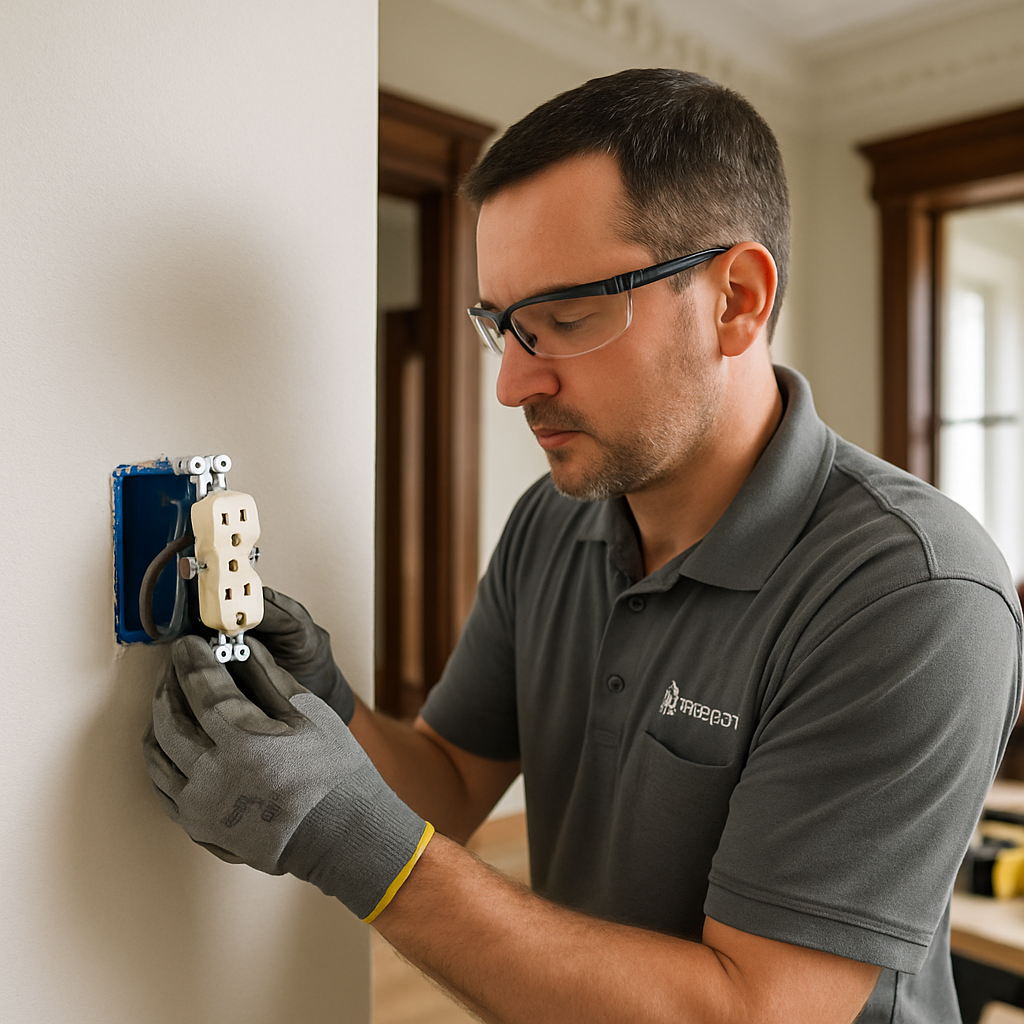
The historic district in downtown Mount Vernon is one of the more architecturally intact small-city downtowns in southwestern Indiana. Many of the homes in and around that area were built between the 1880s and the early 1900s, which means they were originally wired with knob-and-tube systems or early two-wire cloth-insulated wiring. Some of those homes have had partial updates over the decades, but partial is the key word. The two sections below cover the most common wiring issues found in this part of Mount Vernon.
Knob-and-Tube Wiring
Knob-and-tube wiring isn't automatically a code violation if it's in good condition and hasn't been modified, but it does create real problems in practice. It has no ground wire, which means it doesn't support three-prong outlets. It also wasn't designed for the electrical loads that modern households put on a system, such as HVAC equipment and multiple devices charging at once. When older wiring gets overloaded or improperly spliced, it becomes a fire risk.
If you own one of the older homes near downtown and you've noticed flickering lights, tripped breakers, or outlets that feel warm to the touch, those are signs worth taking seriously. An electrician can do a full assessment and tell you what's original, what's been modified, and what needs to be addressed.
Aluminum Wiring from the 1960s and 1970s
Homes built in Mount Vernon during the 1960s and into the mid-1970s may have aluminum branch circuit wiring. This was a common cost-saving measure during that period when copper prices were high. Aluminum wiring itself isn't banned, but it expands and contracts differently than copper, and connections can loosen over time at outlets, switches, and the panel. The fix is usually CO/ALR-rated devices or pigtailing with copper at each connection point, not a full rewire.
If your home was built during that window and you haven't had an electrical inspection recently, it's worth scheduling one.
Newer Homes and Standard Electrical Work
Not every home in Mount Vernon is a century-old Victorian. Residential areas that developed from the 1980s onward have copper wiring, updated panels, and generally meet current code without major surprises. That doesn't mean they're maintenance-free, but the electrical needs are more straightforward. The two most common projects for these homes are panel upgrades and adding required circuit protection.
Panel Upgrades
Many homes from the 1980s and 1990s still have 100-amp service panels. If you're adding a home EV charger, a large HVAC system, or upgrading your kitchen appliances, a 100-amp panel may not be enough. Upgrading to a 200-amp panel is one of the more common electrical projects in this category, and it requires a permit and coordination with your utility to update the meter base and service entrance.
GFCI and AFCI Requirements
Older homes, and some not-so-old ones, often don't have GFCI (ground fault circuit interrupter) protection in bathrooms, kitchens, garages, and outdoor areas, or AFCI (arc fault circuit interrupter) protection in bedrooms. Indiana follows the NEC, and current code requires both in specific locations. When you're doing any remodel that involves electrical work, an inspector will check for these. An electrician can install them as part of a broader update or as a standalone project.
Storm and River Resiliency
Mount Vernon's location at the Ohio and Wabash River confluence means flooding is a real concern for some properties. The area has experienced significant flood events, and electrical systems in flood-prone zones need to be set up with that in mind. The sections below cover the most relevant considerations for properties in this area.
Elevation of Electrical Components
For homes or buildings in flood zones near the river, electrical panels, outlets, and other components should be elevated above the base flood elevation. If your panel is in a basement or at ground level and your property has flooded before, talk to an electrician about what it would take to relocate or protect those components. In some cases this isn't optional: flood insurance and local code requirements for properties in designated flood zones may require it.
Whole-Home Generators
Power outages during storms along the Ohio River corridor can last for days, especially when infrastructure takes wind or flood damage. A standby generator with an automatic transfer switch is a practical option if you rely on medical equipment, work from home, or have a household that can't tolerate extended outages. A licensed electrician handles the transfer switch installation, which is the part that safely disconnects your home from the grid before the generator runs.
Whichever utility serves your address will require notification when you install a standby generator with grid interconnection capability. Your electrician will know what documentation is expected as part of the permit process.
Outdoor and Weatherproof Wiring
Properties near the river, on agricultural land, or with outbuildings sometimes have outdoor wiring that wasn't installed with weather exposure in mind. Weatherproof conduit, proper burial depth for underground runs, and rated outdoor panels all matter more in areas where moisture and flooding are recurring factors.
Power Outages: Utility Issue or Electrician Issue?
Not every loss of power calls for the same response. If your whole street or neighborhood loses power, that's on the utility side — report it to whichever company serves your address: CenterPoint Energy at (800) 227-1376, WIN Energy REMC at (888) 456-9876, or Duke Energy Indiana at (800) 343-3525.
If only part of your home has lost power while the rest of the house and your neighbors are unaffected, that's typically a tripped breaker, a failed breaker, or a wiring problem inside your home. That's a job for a licensed electrician rather than the utility, since the issue is on your side of the meter.
Commercial and Industrial Electrical Context
Mount Vernon isn't just a residential community. The Ports of Indiana facility, the SABIC chemical complex, and CenterPoint's A.B. Brown coal plant represent a significant industrial presence in this small city. That industrial base shapes the commercial electrical environment in ways that affect business owners and contractors here.
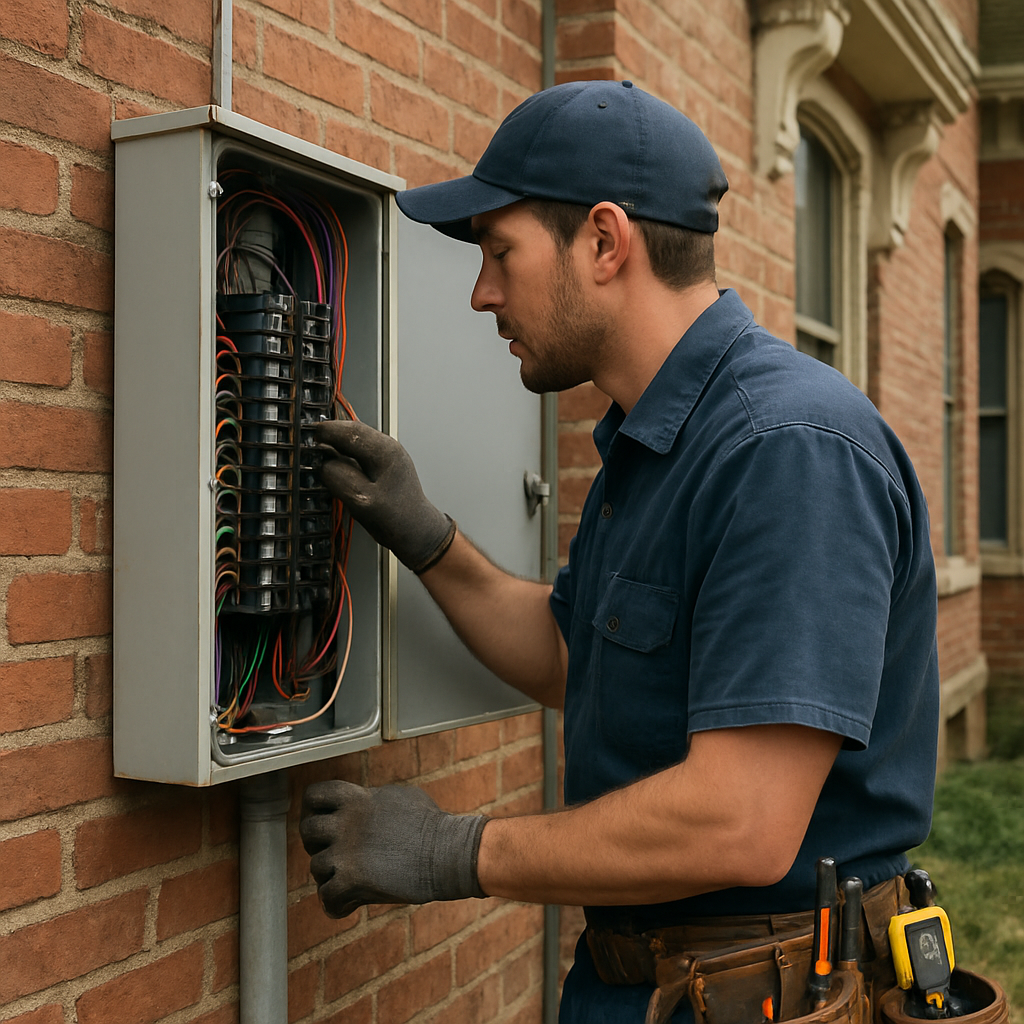
Electricians working commercial jobs in Mount Vernon need to be familiar with three-phase power systems, industrial panel configurations, and the permitting requirements that go along with heavier-load commercial work. If you own a business in Mount Vernon, particularly in the port or industrial corridor, make sure whoever you hire has verifiable commercial experience, not just residential.
Working with Your Utility in Mount Vernon
CenterPoint Energy and Duke Energy Indiana are for-profit investor-owned utilities, while WIN Energy REMC is a not-for-profit rural electric cooperative — different structures from a municipal utility. The process for connecting new service, upgrading existing service, or getting a meter reconnected after an electrical failure goes through your specific utility's customer service and field operations teams, not a city department. The sections below cover the most common situations where you'll need to work directly with your utility.
Service Entrance Work
If an electrician is replacing your panel, upgrading your service size, or doing anything that touches the meter base or the service entrance conductors, your utility will need to pull the meter before work begins and reinstall it after the inspection passes. Your electrician coordinates that scheduling. In most cases, the licensed contractor handles the communication with the utility as part of the job.
New Service Connections
For new construction or accessory structures that need a new meter, your utility has an application process for service requests. Lead times can vary. If you're building something new and need power connected by a specific date, build that lead time into your project schedule from the start.
After Flooding or Storm Damage
If your electrical system was exposed to floodwater, your utility will not reconnect your meter until a licensed electrician has inspected and repaired the affected components and an inspector has signed off on the work. This is standard practice after flood events. Don't try to restore power to a system that had water in it without going through that process.
What to Look for When Hiring an Electrician in Mount Vernon, IN
Indiana requires electricians to be licensed through the Indiana Professional Licensing Agency. There are different license types: apprentice, journeyman, and contractor. The person pulling your permit needs to be a licensed electrical contractor. Verifying that before you hire is straightforward through the state's online license lookup.
Local Knowledge Matters
An electrician who has worked in Mount Vernon before will know how the Posey County Building Commissioner's office schedules inspections, how the different utilities in the area handle meter disconnects and reconnects, and what to expect inside homes of different eras in this part of Posey County. That familiarity saves time and avoids surprises.
Questions Worth Asking
Before hiring, ask whether they pull the permit themselves or expect you to do it. A licensed contractor should pull their own permits. Ask whether they're familiar with the utility that serves your specific address and its process for service entrance work. If you have an older home, ask specifically whether they've worked on knob-and-tube systems or older panels before. Experience with older residential wiring isn't universal.
Common Electrical Projects in Mount Vernon Homes
The following are the electrical projects that come up most often for homeowners in this area, based on the housing stock and local conditions described above.
- Panel replacement or upgrade: Older panels, particularly Federal Pacific Stab-Lok panels and Zinsco panels, both of which have documented reliability problems, show up regularly in homes built between the 1950s and the 1980s. Replacing them is one of the more important electrical jobs you can do in an older home.
- Knob-and-tube assessment and rewiring: Common in homes near the historic downtown. A full rewire is sometimes necessary, but partial rewires focused on the highest-risk circuits are also an option depending on the condition of existing wiring.
- Generator transfer switch installation: In demand after storm seasons along the Ohio River corridor.
- EV charger installation: Level 2 chargers (240V) require a dedicated circuit and, in older homes, may also require a panel upgrade first.
- Outdoor lighting and weatherproof circuits: For properties with detached garages, workshops, or outbuildings.
- GFCI and AFCI outlet installation: Retrofitting protection into older homes that don't have it.
- Flood-related electrical repair: Replacing panels, outlets, and wiring in areas that took water damage.
Conclusion
Whether you're working with a Victorian-era home near downtown, a mid-century house further out, or a business in the industrial corridor, the electrical needs in Mount Vernon vary as much as the housing stock and the utilities that serve it. Knowing when a permit applies, which utility serves your address, and confirming your electrician holds a valid Indiana state license will save you time and headaches down the line. If you're looking for a qualified electrician in Mount Vernon, IN, you can use My Licensed Contractor right here on this page: submit your project and get connected with licensed professionals who are vetted to work in Posey County.

Frequently Asked Questions
Do I need a permit for electrical work in Mount Vernon, IN?
Yes. Most electrical work beyond simple fixture replacements requires a permit through the Posey County Building Commissioner's office. That includes panel replacements, new circuit additions, service entrance work, and rewiring projects. Your licensed electrical contractor typically pulls the permit and schedules the inspection as part of the job.
Who is the electric utility in Mount Vernon?
It depends on your address. Much of Mount Vernon and the surrounding Posey County area is served by CenterPoint Energy (formerly Vectren), an investor-owned utility regulated by the Indiana Utility Regulatory Commission. Some addresses, particularly in more rural parts of the county, are served by WIN Energy REMC or Duke Energy Indiana instead. Check a recent bill or ask your electrician to confirm which one serves your property.
Who do I contact if my power goes out in Mount Vernon or Posey County?
If the outage affects your neighbors as well as your home, that's a utility issue. Report it to CenterPoint Energy at (800) 227-1376, WIN Energy REMC at (888) 456-9876, or Duke Energy Indiana at (800) 343-3525, depending on which one serves your address. If only part of your home has lost power while the rest of the house is fine, that's usually an issue inside your electrical system and is a job for a licensed electrician rather than the utility.
Do I need to pull my own permit, or does my electrician handle it?
On most projects, your licensed electrical contractor pulls the permit through the Posey County Building Commissioner and builds the fee into their quote. There are situations where a homeowner might want to start the process early, such as timing a panel upgrade around a home sale. In that case, contact the Building Commissioner's office directly at (812) 838-1324.
Is knob-and-tube wiring dangerous?
Knob-and-tube wiring that is in its original condition and hasn't been modified can function, but it doesn't meet current code standards and it lacks a ground wire. The bigger risks come from wiring that's been improperly spliced or extended, or that has been covered by insulation, which traps heat. A licensed electrician can assess the condition of your specific system and tell you what the actual risks are.
What happens after flooding damages my electrical system?
If floodwater reached your electrical panel, outlets, or wiring, your utility will not restore power until a licensed electrician inspects and repairs the system and a Posey County inspector approves the work. Don't attempt to restore power yourself after a flood event. Contact a licensed electrician first.
How long does a panel upgrade take in Mount Vernon?
A straightforward panel replacement typically takes one day of work. The permit and inspection process through Posey County adds time before and after. Your utility also needs to pull and reinstall the meter, which requires scheduling on their end. Plan for the full process to take several days to a week depending on availability.
Does Indiana require AFCI breakers?
Yes. Indiana follows the National Electrical Code, which requires arc fault circuit interrupter protection in bedrooms and several other areas of a home. If you're doing a remodel that involves electrical work, an inspector will check for compliance. An electrician can add AFCI breakers to an existing panel if your home doesn't already have them.
Can I install a generator myself in Indiana?
You can purchase and set up a portable generator without a permit, but a standby generator with an automatic transfer switch requires a permit and licensed electrical work. The transfer switch is the safety-critical component that isolates your home from the grid before the generator runs. Improper installation can endanger utility workers. That part of the job needs a licensed electrician.
How do I verify a contractor's Indiana electrical license?
Indiana licenses electrical contractors through the Indiana Professional Licensing Agency, which maintains an online license lookup. Ask any electrician you're considering for their license number before hiring, and confirm it's active and in good standing. You can also submit your project through My Licensed Contractor to get connected with professionals who have already been vetted for work in Mount Vernon and Posey County.
Nearby Cities in Indiana
Ready to Find a Licensed Contractor?
Connect with pre-screened, licensed contractors in your area.
Submit Your ProjectGet Matched Instantly
Tell us about your project and we'll connect you with licensed, verified contractors in your area.
Submit Your ProjectFind Contractors Near You
Get Matched Instantly
Tell us about your project and we'll connect you with licensed, verified contractors in your area.
Submit Your ProjectFind Contractors Near You