

Best Electrician in New Whiteland, IN
Living in New Whiteland, Indiana, offers a unique blend of small town charm and suburban convenience. However, many of the residential properties in our community, particularly those in established neighborhoods like Trace End or Sweetwater, were constructed several decades ago. Many of these homes were built during the 1970s, 1980s, and 1990s. During those eras, electrical standards were significantly different than they are today. You might find that your home is still running on an original 100-amp service panel that simply cannot keep up with the demands of modern appliances, high definition televisions, and electric vehicle chargers. As an industry expert, I have seen how these aging systems can become stressed over time, leading to frequent breaker trips or even dangerous heat buildup within the walls.
The weather in Central Indiana also plays a major role in the health of your home electrical system. New Whiteland residents are no strangers to heavy thunderstorms in the spring and punishing ice storms in the winter. These weather events frequently cause power surges and fluctuations that can fry sensitive electronics if you do not have proper surge protection installed. High humidity during the Indiana summers can also impact outdoor electrical components, leading to corrosion in meter bases or exterior outlets. Keeping your system up to date is not just about convenience; it is a fundamental part of protecting your family from the elements and the aging infrastructure of older builds.
Recent updates to the electrical code have also changed how we look at residential safety. Modern standards now require much more extensive use of Ground Fault Circuit Interrupters (GFCI) and Arc Fault Circuit Interrupters (AFCI) than were required when your home was first built. These devices are designed to detect dangerous conditions and shut off power in milliseconds, preventing shocks and house fires. If your home has not been evaluated by a New Whiteland electrician in the last decade, you are likely missing out on these vital safety upgrades that are now standard in every new construction project in Johnson County.
Common Electrical Projects in New Whiteland
One of the most frequent requests I see from New Whiteland homeowners involves upgrading electrical panels. If you live in a house built in the late 20th century, you may still have a panel from a brand that has since been identified as a safety risk, such as Federal Pacific or Zinsco. Even if your brand is reputable, a panel that is thirty or forty years old is nearing the end of its reliable lifespan. We often recommend upgrading to a 200-amp service. This provides the headroom necessary for modern living and ensures your breakers will actually trip when they are supposed to, rather than failing and creating a fire hazard. Upgrading your panel is often the first step in any major home renovation or energy efficiency project.
Weather driven projects are another staple in this region. Many local residents are now opting for whole home surge protection systems. These units are installed directly at the main panel and act as a shield against the massive voltage spikes that occur during our local Indiana lightning storms. Additionally, we see a high volume of requests for outdoor lighting and power. Whether you are installing a new hot tub to enjoy during the chilly autumn months or you want to brighten up your backyard with LED landscaping lights, ensuring that your exterior wiring is weather rated and properly grounded is essential. Modern outdoor projects require specialized conduit and weatherproof enclosures to stand up to the freezing and thawing cycles typical of our local climate.
Current trends in New Whiteland also lean heavily toward smart home integration. Homeowners are increasingly installing smart thermostats, Ring doorbells, and automated lighting systems. These projects often require more than just a simple plug and play setup. You might need a dedicated circuit for a high powered smart appliance or a neutral wire added to a switch box that was wired back when such things were not standard. Furthermore, as more neighbors transition to electric vehicles, the demand for Level 2 EV charging stations has skyrocketed. Installing a 240-volt charging circuit in an older garage takes careful planning and expert execution to ensure your existing system is not overloaded.
Contractor Buying Guide
When you need a professional to handle your home power needs, choosing the right local expert is the difference between a safe home and a potential disaster. We recommend hiring a verified professional who understands the specific needs of Indiana residential infrastructure.
Why Reviews Matter
Online reviews are your first line of defense against poor workmanship. When searching for a New Whiteland electrician, look for patterns in the feedback. Do customers mention punctuality? Do they talk about how clean the contractor left the workspace? A few negative reviews might not be a dealbreaker, but a consistent history of communication failures or unfinished jobs is a major red flag. I suggest checking platforms like Google and Yelp, but also do not forget to ask your neighbors in local Facebook groups. Personal recommendations from people who live right down the street in Whiteland or Franklin often provide the most honest perspective on a contractor reliability.

Licensing (IN-specific)
In the state of Indiana, there is no single statewide license for electrical contractors. Instead, licensing is handled at the local municipal or county level. For work in New Whiteland, your contractor must typically hold a license recognized by Johnson County or the town itself. You should always ask to see a copy of their current license. Hiring a licensed professional ensures that the person working in your home has passed rigorous testing and understands the specific electrical codes adopted by the State of Indiana. Never assume that a handyman is qualified to perform electrical work; always verify their specific credentials for this trade.
Bonding
Bonding is an extra layer of financial security for you. A surety bond is essentially a guarantee that the contractor will perform the work according to the contract and local regulations. If a contractor fails to finish the job or fails to pay for the necessary permits, the bond can provide compensation to the homeowner. While not every small repair requires a massive bond, for major projects like a full house rewire or a service entrance upgrade, you should confirm that your contractor is bonded. This shows that the contractor is a legitimate business entity with the financial backing to stand behind their promises.
Insurance
Insurance is non-negotiable. You must ensure that your contractor carries both general liability insurance and workers compensation insurance. General liability protects your property if the electrician accidentally causes a fire or damages your home. Workers compensation is even more vital: it protects you from being held liable if a worker is injured while on your property. In Indiana, a reputable company will have no problem providing you with a certificate of insurance upon request. If they hesitate or offer excuses about why their insurance is currently lapsed, you should immediately look for another provider.
Warranty
A high quality contractor will always stand behind their work with a written warranty. You should look for two types of coverage: a manufacturer warranty on parts and a labor warranty on the installation itself. For example, if you have a new circuit breaker panel installed, the panel itself might be covered for ten years, but the contractor should also offer at least a one year or two year warranty on the labor. This gives you peace of mind that if a connection comes loose or a component fails shortly after installation, the contractor will return to fix it at no additional cost to you. Always get the warranty terms in writing before the work begins.
Other Things to Check
Beyond the paperwork, pay attention to the level of professionalism. Does the contractor return your calls within twenty-four hours? Do they arrive in a marked vehicle with the proper tools? You should also check how long they have been in business specifically in the New Whiteland area. A contractor with a ten year history in Johnson County is much more likely to be there for you in the future than a fly by night operation. Ask for references from recent local projects. A confident electrician will be happy to provide a list of satisfied customers you can contact to verify their work quality and cleanliness.
Red Flags to Avoid
- Contractors who demand the entire payment upfront before any work has started.
- A lack of a physical business address or a contractor who only uses a PO Box.
- Extremely low bids that are significantly cheaper than all other competitors.
- Avoid anyone who suggests that you do not need a permit for a major electrical project.
- Technicians who refuse to provide a written estimate or contract.
- A contractor who is unwilling or unable to show proof of insurance or licensing.
- Pressure tactics used to force you into making a quick decision on an expensive upgrade.
What a Good Contract Should Include
A solid contract is your best protection during a home improvement project. It should clearly outline the scope of work, including exactly what materials will be used and where they will be installed. The contract must include a total price and a clear payment schedule tied to specific milestones. For instance, you might pay a deposit, a second payment after the rough-in is complete, and a final payment after the town inspector has signed off on the work. Ensure that the contract also specifies an estimated start date and completion date. Having everything in writing prevents misunderstandings and ensures that both parties are on the same page regarding expectations.
Questions to Ask Before Hiring
- How many years have you been working as an electrician in New Whiteland?
- Are you specifically licensed to perform residential electrical work in Johnson County?
- Can you provide a list of references from similar projects in my neighborhood?
- Will you be the one doing the work, or will it be performed by a subcontractor?
- Does your estimate include the cost of all necessary permits and inspection fees?
- What is your policy for handling unexpected issues discovered during the project?
- Do you offer 24/7 emergency services if something goes wrong after hours?
- What specific brands of panels and breakers do you recommend and why?
- Can you explain how this upgrade will improve my home energy efficiency?
Cost Considerations
The cost of electrical work in New Whiteland can vary based on the age of your home and the complexity of the existing wiring. Generally, labor rates in the Indianapolis metropolitan area are competitive, but high quality master electricians command a premium for their expertise. Updating your electrical system is a direct investment in your property value. Potential buyers in the Indiana real estate market are often wary of older homes with outdated panels, so modernizing your system can make your home much easier to sell. Some homeowners also look into financing options through local banks or credit unions, and occasionally energy providers offer incentives for installing high efficiency upgrades like LED lighting or smart controls.
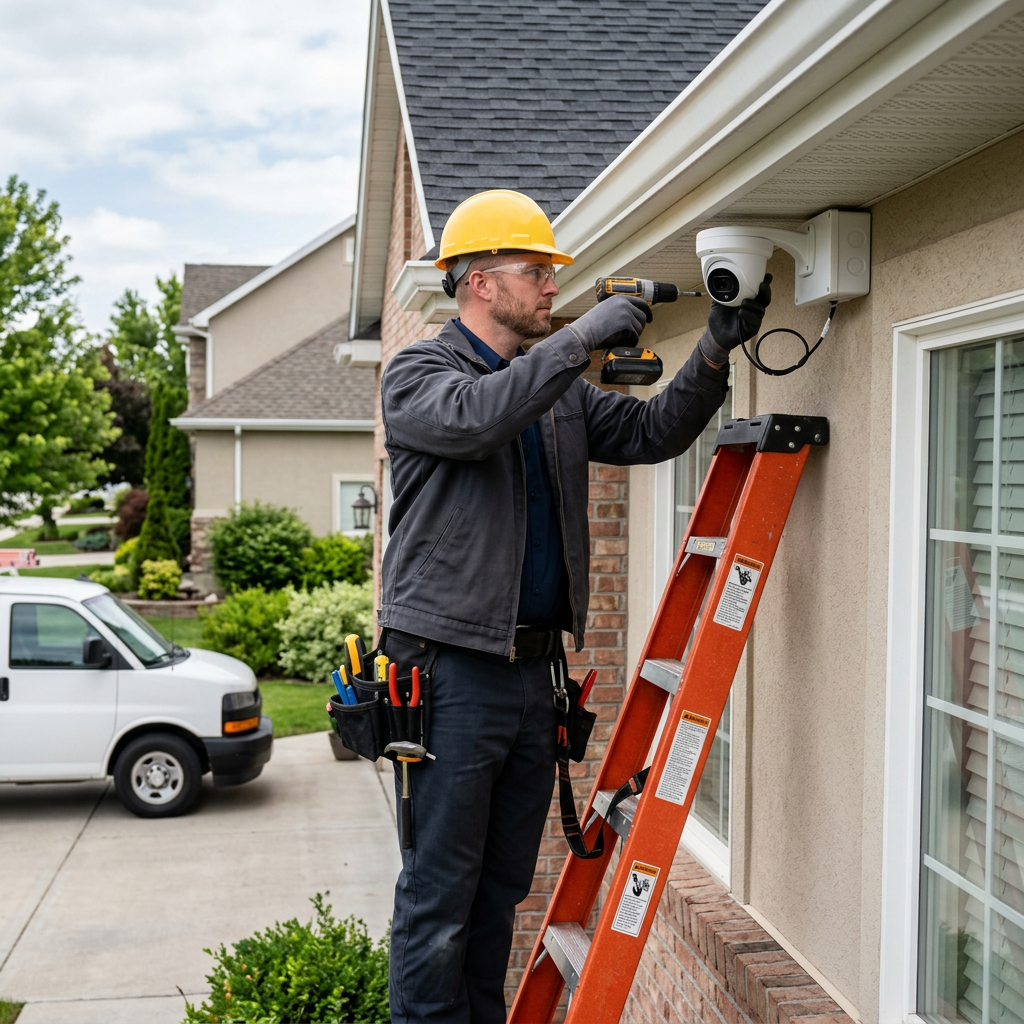
As of March 2026, here are some estimated price ranges for common electrical services in the New Whiteland area. Please note that these are estimates only. Your actual costs will vary depending on your specific situation, the materials required, and the contractor you select. A standard electrical panel upgrade from 100-amp to 200-amp service typically ranges from $2,200 to $4,900. Installing a dedicated circuit for a new appliance or an EV charger might cost between $600 and $1,400 depending on the distance from the panel. A basic ceiling fan installation usually runs between $175 and $450, provided the proper blocking and wiring are already in place. For a full home rewire in a standard three bedroom house, you might expect to pay anywhere from $9,000 to $21,000.
Permitting and Inspection Process in New Whiteland
For most significant electrical work in New Whiteland, you are required to obtain a permit from the local government. This is a vital step because it ensures that an independent third party will verify that the work is safe and up to code. The permitting authority for our community is the Town of New Whiteland Building Department. You can contact the Building Commissioner at (317) 535-4664 to discuss your project requirements. The town office is located at 540 Tracy Road, New Whiteland, IN 46184. You can find more information about the town and its services on the official New Whiteland website.
The process usually involves submitting a permit application along with a description of the work to be performed. For complex projects, you may need to provide a basic wiring diagram. You can access the specific permit forms and local ordinances by visiting the ordinances and permits section of the town website. Once the work is completed, or at specific stages like the rough-in, an inspector will visit your home. They will check for proper grounding, correct wire sizing, and appropriate use of safety devices. Do not be intimidated by the inspection process; the inspector is there to be an advocate for your safety. A professional contractor should handle the scheduling of these inspections as part of their service.
Local Utility Information
The majority of residential homes in New Whiteland receive their electrical power from Duke Energy. They are the primary utility provider responsible for the lines leading to your home and the meter itself. If you experience a power outage or notice a downed line, you should contact their customer service and outage reporting line at 1-800-521-2232. You can also visit the Duke Energy official website to check for local outage maps or to manage your account settings. They offer various programs for homeowners, including energy audits and occasional rebates for upgrading to energy-efficient equipment.
Local Code Requirements
Electrical work in New Whiteland must adhere to the Indiana Electrical Code. This code is largely based on the 2020 edition of the National Electrical Code (NEC), with specific amendments adopted by the state of Indiana. These regulations cover everything from how many outlets must be in a room to the specific height of your exterior meter base. The New Whiteland Building Department is the local authority that enforces these codes. It is important to remember that local amendments can sometimes be more stringent than the national standards, especially regarding basement wiring or smoke detector interconnectedness. A qualified local electrician will be familiar with these specific Indiana variations.
Local Emergency Numbers
In the event of an electrical emergency, such as a fire or a transformer explosion, your first call should always be to 911. For non-life-threatening utility emergencies in New Whiteland, use the following contact information:
- Duke Energy Outage/Emergency: 1-800-521-2232
- New Whiteland Fire Department (Non-Emergency): (317) 535-4902
- New Whiteland Police Department (Non-Emergency): (317) 535-7539
- Johnson County Sheriff: (317) 346-4600
If you are looking for professional help to ensure your home's wiring is up to modern standards, it is time to take the next step. You can find a licensed electrical contractor on MyLicensedContractor.com to help you with your next home project.
Frequently Asked Questions
What should I do if my lights keep flickering?
Flickering lights are often a sign of a loose connection or an overloaded circuit. If it happens when a large appliance like your air conditioner kicks on, you likely have an issue with your service panel or a specific circuit being pushed to its limit. You should have a professional inspect the wiring to prevent a potential fire.
How do I know if I need a panel upgrade in my home?
If you find yourself frequently resetting tripped breakers or if your panel feels warm to the touch, you need an upgrade. Additionally, if your home still uses a fuse box or has a service of less than 100 amps, it is time to modernize. Modern homes typically require 200 amps to safely run all contemporary electronics and appliances.
What are the signs of faulty wiring?
Keep an eye out for discolored outlet covers, which indicate heat buildup. Other signs include a persistent burning smell without an obvious source, buzzing sounds coming from switches, or experiencing a small shock when you touch an appliance. These are all indicators that your wiring is failing and needs immediate attention.
How can I improve the energy efficiency of my home’s electrical system?
Switching all your bulbs to high quality LEDs is the fastest way to save. You can also install smart switches and programmable thermostats to ensure power is only used when needed. Upgrading an old, inefficient electrical panel can also reduce energy waste by providing a cleaner and more stable flow of electricity.
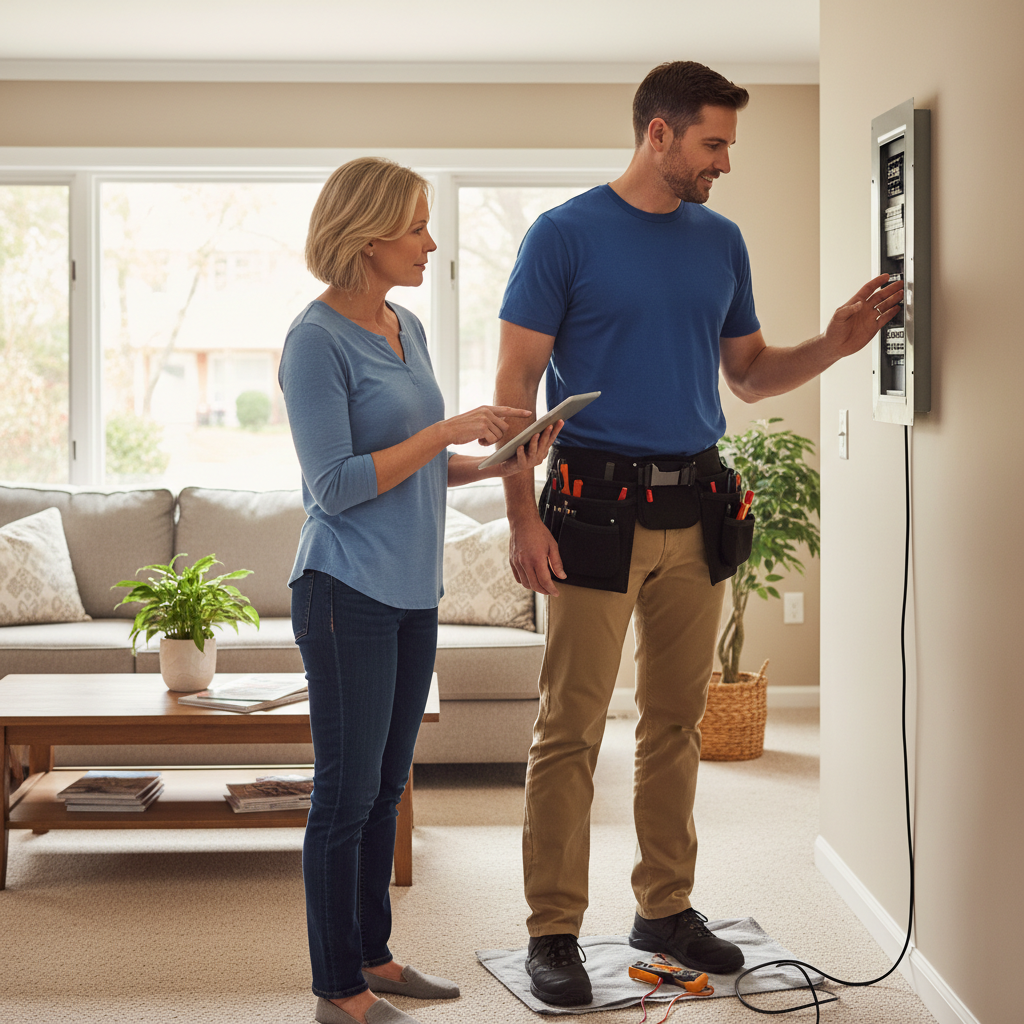
Do I need a permit for changing light fixtures?
In most cases, replacing an existing light fixture with a new one of the same type does not require a permit in New Whiteland. However, if you are adding a new fixture where none existed before or if you are running new wire through the walls, a permit is usually necessary. Always check with the building department if you are unsure.
What safety measures should I take during electrical work?
The most important rule is to always turn off the power at the main breaker before touching any wires. Use a non-contact voltage tester to verify the power is actually off. However, because electricity can be fatal, the best safety measure is to hire a professional for anything beyond changing a lightbulb or a simple cover plate.
Can I do electrical work myself, or should I hire a contractor?
While Indiana law may allow homeowners to perform certain work on their own primary residence, it is highly discouraged for electrical systems. Small mistakes can lead to house fires or electrocution that might not manifest until years later. Hiring a licensed contractor ensures the work is done safely, legally, and to code.
How can I find a reliable electrician in New Whiteland, IN?
Start by asking for referrals from friends in the local area. Once you have a list, verify their credentials and insurance. You should also look for a contractor who has a long term presence in Johnson County. Using a verified platform to find professionals with established local reputations is the most reliable method.
What are the common electrical problems in older homes?
Older homes in New Whiteland often suffer from ungrounded outlets, which only have two slots instead of three. You may also find knob and tube wiring or aluminum wiring in some of the oldest structures. These systems were not designed for the electrical loads we use today and can pose significant safety risks if left unaddressed.
How often should I have my electrical system inspected?
I recommend a professional electrical safety inspection every three to five years. If you are moving into a new home or if your home is more than forty years old, you should have it inspected immediately. Regular inspections can catch small issues like loose connections or corroded wires before they turn into expensive emergencies.
Nearby Cities in Indiana
Ready to Find a Licensed Contractor?
Connect with pre-screened, licensed contractors in your area.
Submit Your ProjectGet Matched Instantly
Tell us about your project and we'll connect you with licensed, verified contractors in your area.
Submit Your ProjectFind Contractors Near You
Get Matched Instantly
Tell us about your project and we'll connect you with licensed, verified contractors in your area.
Submit Your ProjectFind Contractors Near You