

Winona Lake Electrician: Get a Quote
Winona Lake is a community defined by its history and its beautiful shoreline. If you live in the Village at Winona or near the Grace College campus, you likely reside in a home with significant character. Many of these residential properties were built in the early 20th century, which means their electrical systems were designed for a much lighter load than we use today. You might find original wiring that has simply reached the end of its safe lifespan. Modern life demands more power for high-definition televisions, home offices, and kitchen appliances that our predecessors never imagined. This evolution in usage makes it vital to regularly assess your home's current capacity.
The local climate also plays a major role in how your electrical system performs over time. Winona Lake experiences high humidity in the summer and significant snowfall in the winter. This moisture can infiltrate exterior outlets or corrode connections in crawlspaces and attics. When moisture meets electricity, the risk of short circuits or even residential fires increases substantially. Furthermore, Indiana has specific standards for residential construction. The state frequently updates its building codes to keep pace with national safety improvements. Staying compliant with these local regulations is not just about following the law: it is about protecting your family and your investment from preventable hazards.
Common Electrical Projects in Winona Lake
In a town with such a diverse housing stock, electrical projects often fall into two categories. For the historical cottages near the water, we frequently receive requests for full-house rewires. These projects involve removing dangerous knob and tube wiring and replacing it with modern, grounded copper circuits. Homeowners in newer developments like Heritage Lake are more likely to seek upgrades for convenience and technology. They might install smart lighting systems or dedicated circuits for electric vehicle charging stations. Regardless of the age of your home, keeping your panel up to date is a frequent necessity in our area.
Weather-driven repairs are also a reality for those living in Kosciusko County. Heavy storms can lead to power surges or damage to the service mast where electricity enters your home. Many residents are now choosing to install whole-home backup generators to ensure they remain comfortable during winter outages. Another local trend involves shoreline electrical work. Providing power to boat lifts and dock lighting requires specialized knowledge of marine-grade components and Ground Fault Circuit Interrupter (GFCI) protection. Because water and electricity are a deadly combination, these lakeside projects demand the highest level of professional expertise.
Contractor Buying Guide
When you are looking for an electrician in Winona Lake, it is wise to start with a professional who has a proven track record in Kosciusko County. A reliable contractor will always be happy to provide local references and proof of their credentials.
Why Reviews Matter
Local reviews are a window into a contractor's reputation within the Winona Lake community. Because we live in a relatively small town, word of mouth travels fast. You should check platforms like Google and Yelp to see how a company handles setbacks. Does the contractor show up on time for appointments at homes near the lake? Do they clean up after themselves? Reviews often reveal if a contractor is familiar with the specific quirks of local architecture. A professional who consistently receives high marks from your neighbors is likely a safe bet for your own project.
Licensing (IN-specific)
Indiana does not issue a statewide license for electrical contractors. Instead, licensing is handled at the local or county level. For Winona Lake, you must ensure your contractor is licensed through Kosciusko County. This process involves passing an exam and proving competency in the field. You can verify a contractor's status by contacting the local building department. Never hire someone who claims a state license exists when it does not. A legitimate local pro will have their county-issued credentials ready for your inspection at any time.
Bonding
Bonding acts as a safety net for you as a homeowner. It is a form of financial protection that ensures you are not left high and dry if a contractor fails to complete the work or pay their subcontractors. If a project is left unfinished, the bond can be used to hire someone else to wrap it up. Always ask for a bond number before signing anything. This simple step separates the fly-by-night operations from the established professionals who care about their business standing.

Insurance
Never let an uninsured worker set foot on your property. You need to confirm that the contractor carries both general liability insurance and workers' compensation. Liability insurance covers damage to your home if an accident occurs, such as an electrical fire during the repair. Workers' compensation protects you from being held liable if an employee is injured while working on your roof or in your basement. Request a certificate of insurance directly from their provider to ensure the policy is currently active.
Warranty
A good electrician stands behind their labor. Most reputable companies in Indiana offer a one-year warranty on their workmanship. It is important to distinguish between the warranty on parts and the warranty on labor. If a new circuit breaker fails, the manufacturer might cover the part, but you do not want to be stuck paying the labor costs to replace it. Get these details in writing so you know exactly what is covered and for how long. A long-term warranty is a sign of a contractor who trusts the quality of their own work.
Other Things to Check
Beyond the basics, look for specialized certifications. If you are interested in solar panel integration or high-end home automation, ask if the contractor has specific training from manufacturers. It is also worth asking about their experience with historical preservation. Working on a home built in 1910 requires a different touch than working on a brand-new build. Always ask for photos of recent projects that are similar in scope to yours. This helps you visualize the final result and ensures their aesthetic standards match your expectations.
Red Flags to Avoid
- Estimates that are significantly lower than all other quotes you received.
- Demands a large cash deposit before any materials are delivered or work begins.
- A contractor who discourages you from obtaining the necessary permits from the town.
- Lack of a permanent business address or a verifiable local phone number.
- Pressure to make a decision immediately or "today only" special pricing.
- Reluctance to provide a written contract that outlines all project details.
- Vague answers when you ask about their insurance coverage or licensing.
What a Good Contract Should Include
A solid contract is the foundation of a successful project. It must include a detailed scope of work that lists every outlet, fixture, and wire to be installed. The payment schedule should be clearly defined, typically broken down into milestones. For example, you might pay a portion upon signing, a portion after the rough-in inspection, and the final balance only after the town inspector signs off on the job. The contract should also specify how change orders are handled. If you decide to add a new light fixture halfway through the job, the process for adjusting the price and timeline should be transparent.
Questions to Ask Before Hiring
- How long have you been performing electrical work, specifically in Winona Lake?
- Are you registered and licensed with Kosciusko County?
- Will you be the one doing the work, or will you send a subcontractor or an apprentice?
- Can you provide three references from local homeowners you served in the last year?
- Do you handle the entire permitting process with the Winona Lake Building Department?
- What is your specific plan for protecting my home's floors and furniture during construction?
- How do you handle unexpected issues that arise once you open up the walls?
- Is your company available for 24/7 emergency service if a problem occurs after hours?
Cost Considerations
Several factors influence the final price of electrical work in our area. The complexity of the project is the biggest driver of cost. Running wires through an open basement is much cheaper than fishing them through the walls of a two-story historical home. Material costs also fluctuate based on the price of copper and the quality of the fixtures you choose. Labor rates in Winona Lake are generally competitive for the Midwest, but you should expect to pay more for a master electrician than for a general handyman. Investing in quality work now prevents expensive repairs down the road.
As of April 2026, typical price ranges for common services in Winona Lake include:
- Electrical Panel Upgrade (200 Amp): $2,100 to $4,700
- Installation of a Dedicated 240V Circuit: $350 to $950
- Whole-House Rewire: $9,000 to $22,000
- Standard Outlet or Switch Replacement: $140 to $325
Please note that these figures are estimates only: actual pricing will vary depending on your specific situation, project scope, and the contractor you select. Many local contractors offer financing plans to help homeowners manage the cost of large-scale upgrades. Additionally, improving your electrical system can significantly increase your home's resale value and lower your insurance premiums. Permitting and Inspection Process in Winona Lake
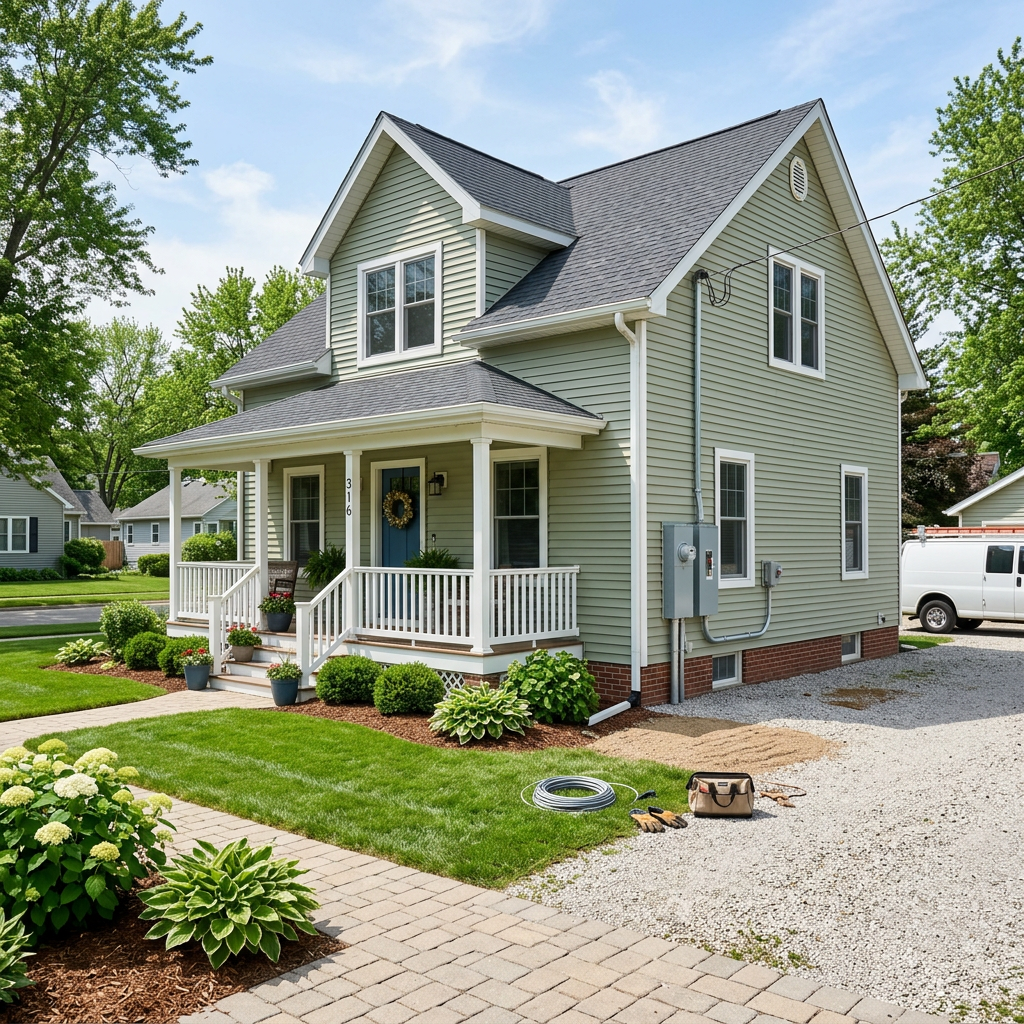
The Winona Lake Planning and Building Department oversees all electrical permits within the town limits. You can reach their office at 574-267-7581 to ask questions about your specific project. It is essential to remember that the most significant electrical work requires a permit. This includes panel changes, new circuits, and any work that involves opening up walls. Smaller tasks like swapping a light fixture or replacing a single outlet usually do not require formal town approval. However, when in doubt, it is always better to check with the building commissioner.
The permitting process generally involves submitting an application along with a basic plan of the work to be performed. You can find many of the necessary documents on the Winona Lake permits and forms page. Once the permit is issued, your contractor can begin work. After the project is finished, a town inspector will visit your home. They will verify that the installation meets the safety standards of the Indiana Residential Code. This inspection is your best protection as a homeowner. It ensures that the work you paid for is actually safe for your family to live with every day.
Local Utility Information
Northern Indiana Public Service Company (NIPSCO) — Customer Service: 1-800-464-7726
Winona Lake is primarily served by the Northern Indiana Public Service Company (NIPSCO). They are responsible for the infrastructure that delivers power to your meter. If you need to set up a new service or have questions about your bill, you can contact their customer service line at 1-800-464-7726. You can also manage your account and view outage maps on the official NIPSCO website. They often provide helpful information regarding seasonal energy savings and safety around downed power lines.
It is also worth checking for local rebate programs. NIPSCO frequently offers incentives for homeowners who install energy-efficient equipment. This might include rebates for smart thermostats or upgrades to high-efficiency HVAC systems that require new electrical connections. Taking advantage of these programs can offset some of the initial costs of your electrical improvements. Always keep your receipts and documentation from your licensed contractor to qualify for these financial benefits.
Local Code Requirements
Electrical work in Winona Lake must adhere to the Indiana Electrical Code. Currently, Indiana utilizes the 2008 edition of the National Electrical Code (NEC) as the basis for its residential standards, though it includes several state-specific amendments. These rules dictate everything from how many outlets must be in a room to the specific type of wire used in damp locations near the lake. The Winona Lake Building Commissioner is the local authority responsible for enforcing these codes. You can learn more about the town's general governance and departments at the official Winona Lake website. Following these codes is not just a formality: it prevents electrical fires and protects the community as a whole.
Local Emergency Numbers
In the event of an electrical emergency, knowing who to call can save lives. If you see sparks, smell burning plastic, or witness an electrical fire, evacuate your home immediately and call 911. For power outages or issues involving the service lines outside your home, contact your utility provider.
- NIPSCO Emergency/Outage Line: 1-800-464-7726
- Winona Lake Fire Department (Non-Emergency): 574-267-7581
- Police Department (Non-Emergency): 574-267-3214
- Poison Control: 1-800-222-1222
If you are ready to start your next home improvement project and want to ensure the highest safety standards, take the time to research your options. You can find a licensed electrical contractor on MyLicensedContractor.com to help you navigate the complexities of local codes and professional installations.
Looking for a licensed electrical contractor in Winona Lake? Our team provides expert electrical installations, repairs, and inspections for local homes and businesses. Get your free Winona Lake electrical service quote today!Frequently Asked Questions
What common electrical services do homeowners frequently need in Winona Lake?
Many local residents require help with panel upgrades, especially in older homes that still have fuse boxes or 60-amp service. We also see a lot of requests for outdoor lighting to highlight landscaping and dock-side power for boat lifts. General troubleshooting for flickering lights or non-working outlets is also very common throughout the town.
How can I improve the safety of my home’s electrical system?
The best way to improve safety is to install AFCI (Arc Fault Circuit Interrupter) breakers and GFCI outlets. AFCIs help prevent fires by detecting dangerous arcing in your wiring. GFCIs are vital in kitchens, bathrooms, and outdoor areas because they shut off power instantly if moisture is detected. Regular inspections by a professional are also a great preventative measure.
What should I do in case of a power outage?
First, check your main electrical panel to see if a breaker has tripped. If the whole neighborhood is dark, call NIPSCO at 1-800-464-7726 to report the outage. Keep your refrigerator and freezer doors closed to preserve food. Turn off large appliances like your air conditioner to prevent a surge when the power eventually returns.
How often should I have my electrical system inspected?
If your home is more than 40 years old, you should have an inspection every three to five years. For newer homes, an inspection every ten years is generally sufficient. You should also schedule an inspection if you notice burning smells, hear buzzing sounds from your walls, or if your breakers trip frequently for no apparent reason.
What trends are shaping electrical contracting in residential areas?
The move toward home electrification is a major trend. This includes installing heat pump water heaters, induction cooktops, and EV chargers. Smart home integration is also huge. People want to control their lights, locks, and thermostats from their phones. These upgrades usually require a more robust electrical panel than older homes currently have.
How do I know if my home’s wiring is outdated?
Look for signs like two-prong outlets, which indicate a lack of grounding. If you see wires covered in cloth insulation instead of plastic, that is a sign of extreme age. Constant circuit breaker trips or flickering lights when the refrigerator kicks on also suggest that your system is struggling to keep up with modern demands.
Can I DIY small electrical repairs, or should I always hire a pro?
While you can legally change a lightbulb or a faceplate yourself, almost everything else should be left to a professional. Electrical work is unforgiving. A small mistake can lead to a fire that happens weeks or months after the repair. Hiring a pro ensures the work is bonded, insured, and up to local Winona Lake codes.
What are the typical costs for electrical repairs in Winona Lake?
Minor repairs like replacing a faulty switch or outlet usually cost between $140 and $325, including labor. Troubleshooting a complex issue might cost $100 to $200 per hour, depending on the contractor. Always ask for a clear estimate before the work begins so you are not surprised by the final bill.
What energy efficiency upgrades can I incorporate into my electrical system?
Switching to LED lighting is the easiest and most effective upgrade. You can also install smart switches that automatically turn off lights when a room is empty. Upgrading to a modern, efficient electrical panel can also reduce energy waste by ensuring a more stable flow of power throughout your entire home.
Is it necessary to upgrade my electrical panel if I’m adding new appliances?
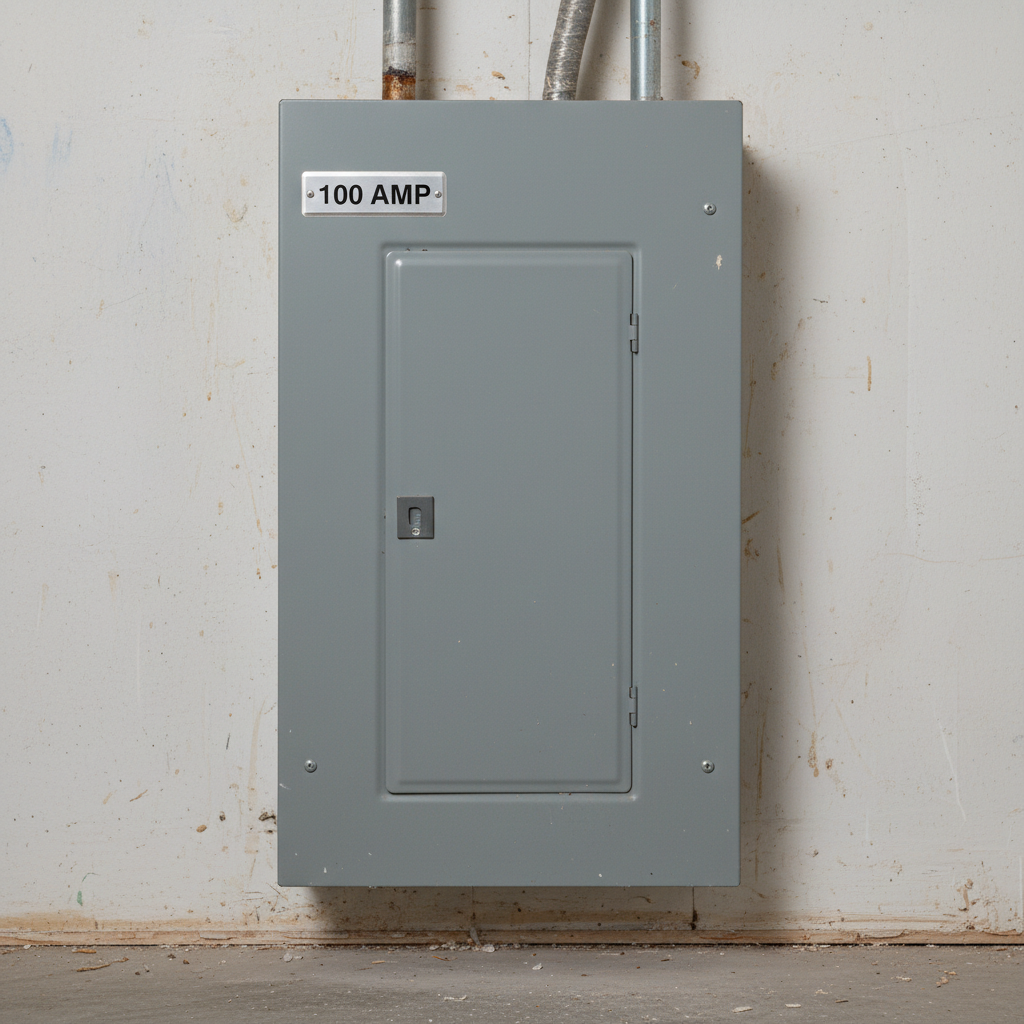
It depends on your current capacity. If you have a 100-amp panel and you are adding a hot tub or a central AC system, you likely need an upgrade to 200 amps. A professional electrician can perform a load calculation to determine if your current panel can safely handle the additional demand without overheating.
Nearby Cities in Indiana
Ready to Find a Licensed Contractor?
Connect with pre-screened, licensed contractors in your area.
Submit Your ProjectGet Matched Instantly
Tell us about your project and we'll connect you with licensed, verified contractors in your area.
Submit Your ProjectFind Contractors Near You
Get Matched Instantly
Tell us about your project and we'll connect you with licensed, verified contractors in your area.
Submit Your ProjectFind Contractors Near You