

Elwood, IN Electrical Repairs and Upgrades
Elwood, IN Electrical Repairs and Upgrades: A Practical Homeowner’s Guide
- Elwood’s older housing stock and workshop-heavy garages mean many homes are asking more of their electrical systems than they were originally built to handle.
- Licensed electricians help with both the technical work and the paperwork, handling permits, inspections, and coordination with local utilities when service or capacity changes are involved.
- You can share your project details through My Licensed Contractor and get matched with vetted, licensed electricians who work in Elwood.
Elwood is a small city in Madison County with a housing stock that leans older. Many of the homes here were built between the 1940s and 1980s, and a good number of them have changed hands several times over the decades. If you own or rent in Elwood, there's a reasonable chance your home has seen some DIY electrical work somewhere along the line — an added outlet in the garage, a ceiling fan swapped out in the living room, or wiring that was extended without a permit. That history isn't unique to Elwood, but it does matter when you're trying to figure out what your electrical system can handle.
Home values in Elwood have been gradually rising, and more homeowners are putting money into updates that make their properties more livable and more marketable. That creates a practical reason to look at the electrical system — not as a luxury remodel project, but as a way to make sure the house can actually support how you live in it. This guide focuses on practical repairs and realistic upgrades and shows how to connect with vetted electricians by submitting your project through My Licensed Contractor.
Elwood Homes and Everyday Power Use
Most homes in Elwood rely on central HVAC or window air conditioning units, and both put real demand on the electrical system during summer months. Detached garages and backyard sheds are common, and many of them function as workshops or storage spaces with refrigerators, power tools, or chest freezers running year-round. Add in home office equipment and the various devices most households now have, and you're looking at significantly more load than the original wiring in a 1960s home was designed to handle.
This guide focuses on practical repairs and realistic upgrades. If your goal is to make your home safer, more functional, or easier to sell, this is for you.
"Normal" Electrical Quirks vs Real Problems
Older homes come with quirks, and not every odd thing you notice is a reason to call an electrician right away. At the same time, some symptoms are easy to dismiss when they shouldn't be. Knowing the difference saves you time and can prevent real hazards.
Everyday Quirks Many Elwood Homes Have
If your lights dim slightly when the air conditioner kicks on, that's common in homes where the AC is on the same circuit or panel leg as the lighting. It's worth mentioning to an electrician during a routine visit, but it's not usually an emergency. A breaker that trips once or twice a year on a heavily loaded circuit is another minor quirk. Outlets that look worn or discolored but still function are also typical in older homes.
These are things to keep an eye on rather than things to ignore entirely.
Symptoms You Shouldn't Ignore
Some signs point to problems that need attention sooner rather than later. A warm panel cover or outlets that feel warm to the touch are a concern. Buzzing sounds near the breaker box are another. If the same breaker trips repeatedly under normal use, that circuit has a problem that won't fix itself. A smell of burning plastic anywhere near outlets, switches, or the panel is a reason to stop using that circuit immediately. Outlets going dead in one section of the house, especially in older homes with aluminum wiring or knob-and-tube remnants, can indicate a loose connection or worse.
A Simple Decision Rule
If something is unusual but not getting worse, schedule an appointment within a few weeks. If it's recurring or multiple things are happening at once, call an electrician in Elwood, IN soon. If you smell burning, feel heat near electrical components, or see any sparking, treat it as urgent and don't wait.
Common Electrical Projects in Elwood
The electrical work that comes up most often in Elwood homes addresses real gaps between what older homes were built with and what people need from them today. Here's a look at the most common projects.
Panel Upgrades
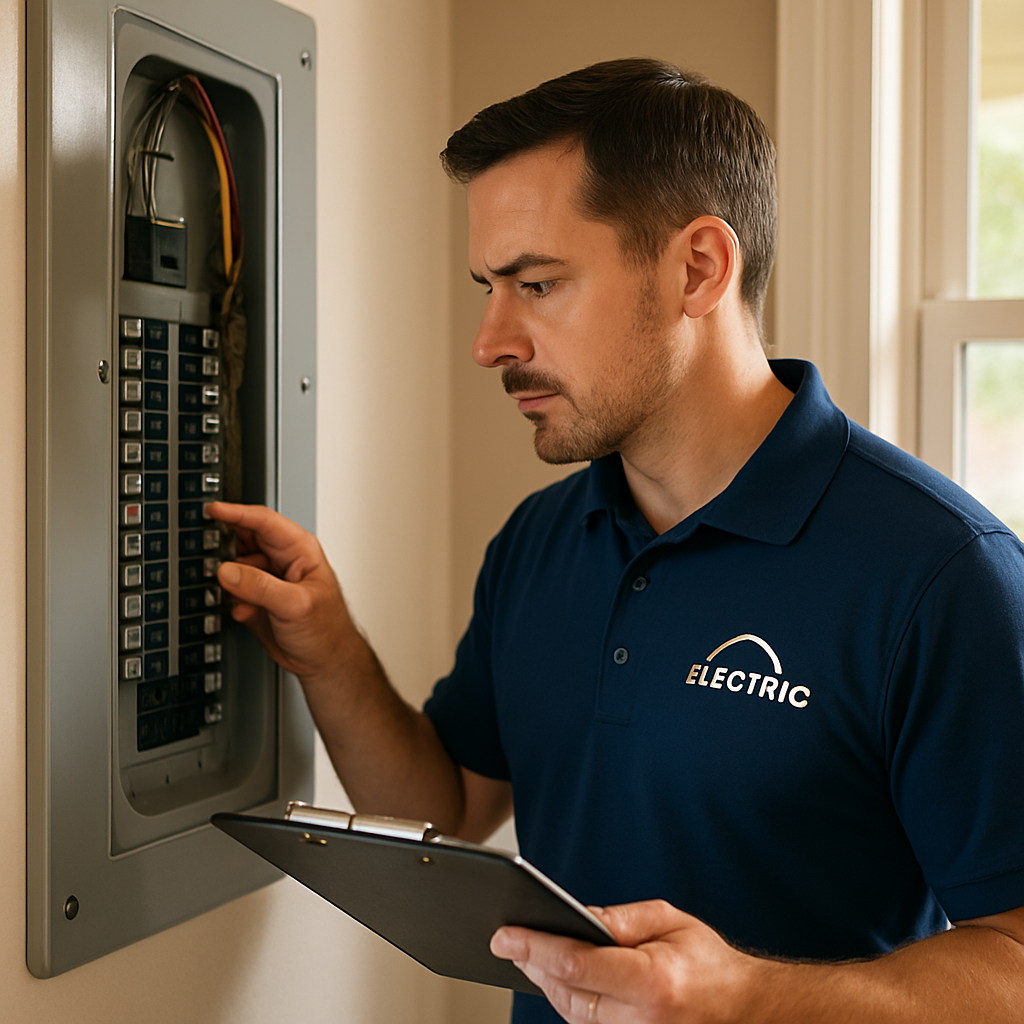
A lot of Elwood homes still have 100-amp service panels, which were standard decades ago. If you're running central air, an electric dryer, and a workshop in the garage at the same time, 100 amps may not be enough. Upgrading to a 200-amp panel gives you room to run what you have now and add circuits later without hitting the ceiling.
Some older homes in the area still have Federal Pacific or Zinsco panels, which have known reliability issues with breakers not tripping properly when they should. If your home has one of these, replacement is worth prioritizing.
Adding Circuits for Workshops and Outbuildings
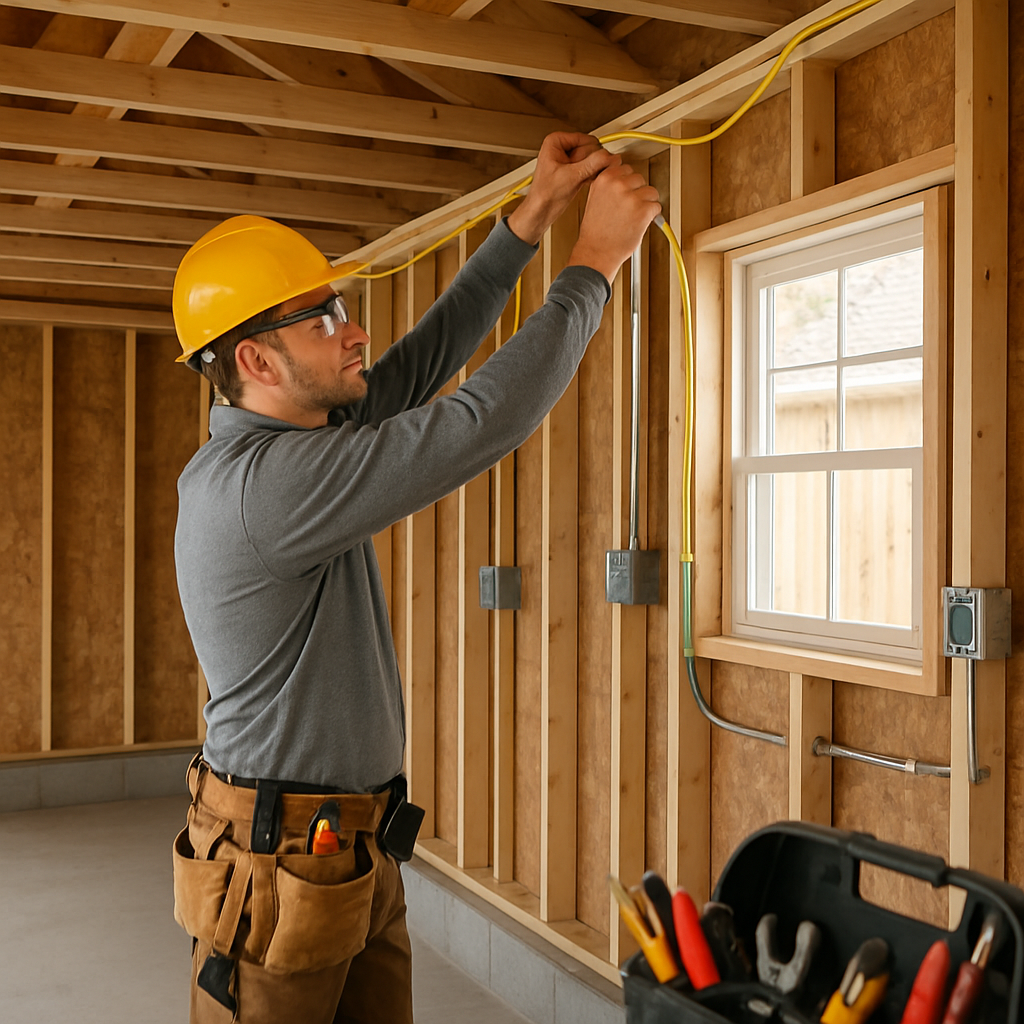
If you're using a detached garage or shed as a workshop, running a single extension cord from the house isn't a long-term solution. A dedicated subpanel in the garage with proper circuits for tools, lighting, and a refrigerator or freezer is a common project in Elwood. It's safer, more convenient, and it means you're not relying on a cord running across the yard.
Outlet and Wiring Updates
Homes built before the mid-1970s often have two-prong ungrounded outlets. These don't support grounded plugs and aren't safe for computers, appliances, or anything with a three-prong cord. Replacing them requires either running new grounded wiring or, in some cases, installing GFCI outlets with the appropriate labeling. An electrician can walk you through which approach works for your home.
If your home has aluminum wiring from the 1960s or early 1970s, that's worth a professional assessment. Aluminum wiring isn't automatically a dealbreaker, but the connections need to be handled correctly to prevent overheating at the junction points.
GFCI and AFCI Protection
Current code requires GFCI protection in bathrooms, kitchens, garages, and outdoor areas. Older homes often don't have it. AFCI breakers, which detect arc faults in wiring, are now required in bedrooms and other areas in new construction. If your home doesn't have these, adding them is a straightforward way to reduce fire risk.
Outdoor and Exterior Electrical
Elwood winters are hard on outdoor wiring. If you have exterior outlets, lighting, or wiring to a shed or detached garage, it's worth having those inspected periodically. Weatherproofing degrades over time, and connections exposed to temperature swings and moisture can become unreliable.
EV Charging
Indiana doesn't offer a statewide EV charging tax credit for homeowners, but the federal residential clean energy credit may apply depending on your setup and tax situation. If you're planning to charge an electric vehicle at home, a Level 2 charger on a 240-volt circuit is the practical choice. Most Elwood homes with 200-amp service can accommodate this without major changes. If you still have 100-amp service, an electrician can help you plan a panel and service upgrade.
Permits, Inspections, and the Local Building Department
In Elwood, electrical projects that go beyond simple fixture swaps usually require a permit and inspection. This includes panel upgrades, new circuits for workshops or basements, running power to outbuildings, and rewiring sections of the home. Permits help ensure the work meets current code and provide documentation that can be useful when you sell or refinance the property.
Homeowners and contractors can find permitting information on the city's building permits and inspections page at Elwood Building Permits & Inspections. That resource explains how to apply for permits, what types of projects require them, and how inspections are scheduled and completed.
In practice, a licensed electrical contractor should pull the permit on your behalf. Permit applications typically include your property information, the electrician’s license and registration, and a description of the work to be performed. After the work is complete, the electrician arranges an inspection with the building department so a code official can verify the installation. This process helps protect you as the homeowner and ensures the work is documented properly.
For projects that involve changes at the meter, service entrance, or overall service capacity, your electrician may also coordinate with the local utility, such as Indiana Michigan Power, to schedule disconnections and reconnections or approve service upgrades. Having a contractor who understands both the permitting and utility processes makes the project smoother and reduces the chance of delays.
Hiring an Electrician in Elwood, IN
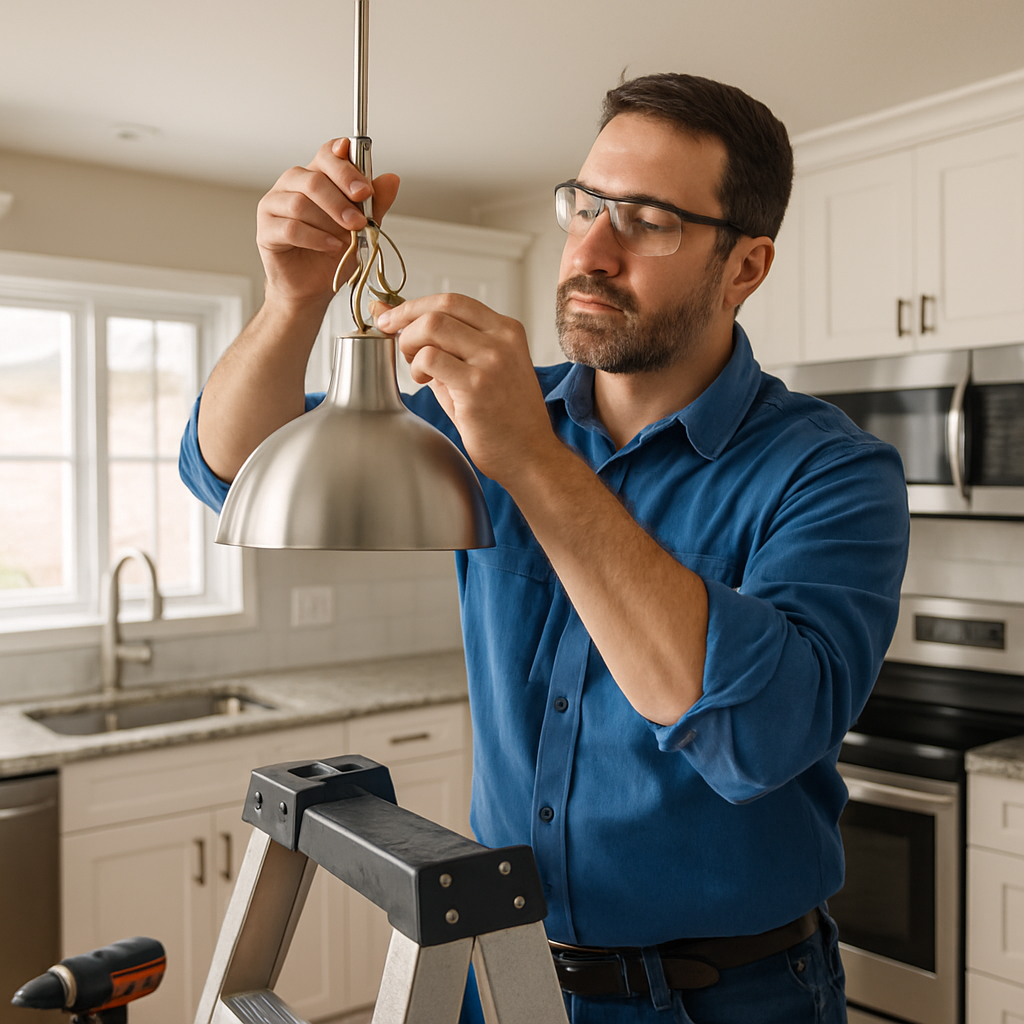
Indiana requires electricians to hold appropriate licenses, and electrical work that needs a permit must be performed by someone qualified. When you hire an electrician in Elwood, ask for their license information and verify it. Work that requires a permit will need to pass inspection, and inspections help protect you if questions arise later.
What to Ask Before Hiring
Ask whether the work requires a permit and who will pull it. The electrician should pull it, not the homeowner, unless you're doing the work yourself and are qualified to do so. Ask for a written estimate before any work starts, and get clarity on what's included and what could change the price if something unexpected comes up inside the walls.
Questions About Old Wiring
If you have an older home and you're not sure what kind of wiring is in the walls, ask the electrician to do an assessment before quoting a specific project. What looks like a simple outlet replacement can turn into a larger job if the wiring behind the wall isn't what you expected.
Electrical Safety in Older Elwood Homes
A lot of Elwood's housing stock was built before modern electrical codes existed. That doesn't mean these homes are dangerous by default, but it does mean the electrical systems haven't necessarily been updated as codes have changed. Here are some things to check if you own an older home.
- Look at your panel. If breakers are doubled up, if there's evidence of overheating or corrosion, or if the panel brand has known issues, get a professional opinion.
- Check for two-prong outlets in kitchens and bathrooms. These areas need GFCI protection at a minimum.
- If you've had any DIY work done by a previous owner, have an electrician look at it. Junction boxes that aren't properly covered, wiring extended with mismatched gauges, and circuits added without permits are all common finds in Elwood homes.
- Test your smoke detectors. Hardwired smoke detectors with battery backup are safer than battery-only units, and interconnected detectors provide more warning time.
When to Budget for Electrical Work
Electrical repairs aren't always predictable, but some situations make the need clear. If you're buying a home in Elwood, an electrical inspection as part of the due diligence process is a smart step, especially for homes built before 1980. If you're planning a kitchen remodel, finishing a basement, or turning a garage into a workshop, electrical work is part of the project budget, not an add-on.
For existing homeowners, it's worth setting aside money for electrical maintenance the same way you would for HVAC or roofing. An older home with original wiring isn't going to last indefinitely without attention, and addressing issues before they become urgent is generally less disruptive.
Connect with a Licensed Electrician Through My Licensed Contractor
If you're looking for a licensed electrician in Elwood, IN, My Licensed Contractor is a straightforward place to start. The platform lets you enter your project details and get matched with vetted, licensed electrical contractors who serve your area.
Whether you need a panel upgrade, new circuits for a workshop, wiring updates for an older home, or help with recurring electrical symptoms, you can use My Licensed Contractor to describe your project and receive contact from electricians who handle that type of work. Working with a licensed professional means the work is done to code, permitted properly, inspected, and supported if questions come up in the future.
If you're planning electrical repairs or upgrades in Elwood, IN, hiring a qualified electrician who understands local permitting and how to coordinate with the utility is essential. You can submit your project through My Licensed Contractor to get matched with vetted pros and move forward confidently.
Frequently Asked Questions
Do I need a permit for electrical work in Elwood, IN?
Most electrical work beyond simple fixture replacements requires a permit. Panel upgrades, new circuits, wiring out to a detached garage, and rewiring sections of the home are all examples of projects that need to go through the permitting and inspection process. Your electrician should handle the permit for you.
Where can I find information about electrical permits and inspections?
You can learn more about building permits and inspections on the city's website at Elwood Building Permits & Inspections. That page explains the steps to apply for a permit and how inspections are scheduled once work is complete.
Who is responsible for filing electrical permits?
In most cases, the licensed electrician you hire is responsible for filing electrical permits and scheduling inspections. They know how to describe the work on the application, what documentation is needed, and how to coordinate the inspection. If someone asks you to pull your own permit for their work, it can be a warning sign.
How do I know if my home needs a panel upgrade?
If breakers trip frequently under normal use, if you have a 100-amp panel and run multiple large appliances, or if your panel is an older brand with known reliability issues, an upgrade may be worth considering. An electrician can review your current load and planned upgrades and tell you whether a panel change makes sense.
Is aluminum wiring safe in an older Elwood home?
Aluminum wiring from the 1960s and early 1970s is still present in many older homes. It's not automatically unsafe, but it requires proper connectors and terminations at every junction. A licensed electrician can inspect the wiring and recommend whether repairs, modifications, or a full rewiring are appropriate.
What is the difference between GFCI and AFCI protection?
A GFCI (ground fault circuit interrupter) protects against electric shock by detecting ground faults and cutting power quickly. These are required in wet areas like bathrooms, kitchens, garages, and outdoor receptacles. An AFCI (arc fault circuit interrupter) detects arcs in wiring that can cause fires and is required in many living areas in newer construction. Adding GFCI and AFCI protection to an older home improves safety.
How long does a typical electrical project take?
A panel upgrade usually takes one day from shut-off to inspection and reconnection. Adding circuits to a garage or outbuilding can take anywhere from a few hours to a full day, depending on distance and complexity. Rewiring part of a home takes longer and depends on how much wall access is available.
When should I call the electric utility instead of an electrician?
Call your electric utility, such as Indiana Michigan Power, when there is a neighborhood-wide outage, visible damage to lines or transformers, or an issue with the service drop to your home. If your home is the only one affected and the issue appears to be with your panel, circuits, or outlets, a licensed electrician is the right first call.
Can I do my own electrical work in Elwood?
Indiana allows homeowners to perform some electrical work on their own primary residence, but permits and inspections may still be required, and DIY work can create complications with insurance and resale if not done correctly. For anything beyond basic repairs, hiring a licensed electrician is generally safer and more straightforward.
What should I include when I submit my project through My Licensed Contractor?
When you use My Licensed Contractor, include your home’s approximate age, a description of any symptoms you’ve seen, what upgrades or projects you’re planning (panel upgrade, workshop circuits, EV charger, rewiring), and any timing needs you have. Clear details help match you with electricians who regularly handle the type of work you need.
Nearby Cities in Indiana
Ready to Find a Licensed Contractor?
Connect with pre-screened, licensed contractors in your area.
Submit Your ProjectGet Matched Instantly
Tell us about your project and we'll connect you with licensed, verified contractors in your area.
Submit Your ProjectFind Contractors Near You
Get Matched Instantly
Tell us about your project and we'll connect you with licensed, verified contractors in your area.
Submit Your ProjectFind Contractors Near You