

Licensed Electricians in Richmond, IN: Electrical Services for Your Home
Key Takeaways
- Older Richmond homes may have outdated wiring, undersized electrical panels, ungrounded outlets, or missing modern safety protections.
- Frequent breaker trips, warm outlets, flickering lights, burning odors, and rusty or damaged electrical components should be evaluated by a licensed electrician.
- Panel upgrades, rewiring, new circuits, EV charger installations, and major renovation-related electrical work commonly require permits and inspections.
- Homeowners should coordinate electrical projects with the City of Richmond Building Department and the serving utility when service, meter, or power shutoff work is involved.
- Through My Licensed Contractor, homeowners can submit project details in a few clicks and get matched with a vetted, licensed electrician in their area.
Richmond homes range from historic properties near the Old Richmond Historic District and Depot District to newer homes throughout Wayne County. Many older homes were built long before today's electrical demands, including central air, home offices, electric appliances, EV chargers, workshop tools, and connected-home technology.
If you need electrical work, My Licensed Contractor makes it easy to submit your project details in just a few minutes and get matched with a vetted, licensed electrician in your area.
Common Electrical Problems in Richmond Homes
Richmond's older housing stock can present electrical issues that are not always visible at first glance. A system may appear to work normally while problems develop behind walls, inside the electrical panel, or at aging connections. The following are some of the most common concerns homeowners should know about.
Outdated Wiring Types
Older homes may contain knob-and-tube wiring or aluminum branch-circuit wiring. Knob-and-tube wiring was common in homes built before the 1950s. It uses individual conductors routed through ceramic knobs and tubes, does not include a grounding conductor, and was not designed for the electrical loads common in modern homes.
Aluminum branch-circuit wiring became more common in the late 1960s and early 1970s. Aluminum expands and contracts differently than copper, which can allow connections to loosen over time. Loose connections at outlets, switches, and fixtures can generate heat and create a fire risk.
If your home was built before 1975 and has not had a major electrical update, ask a licensed electrician to inspect the wiring type, condition, grounding, and overall capacity.
Undersized Electrical Panels
Many homes built before the 1980s were originally equipped with 60-amp or 100-amp electrical service. That may not be enough capacity for a modern home with air conditioning, heat pumps, electric cooking appliances, laundry equipment, home-office devices, workshop tools, or EV charging.
Frequent breaker trips, a warm panel, limited breaker space, or the need to add major appliances can indicate that your electrical service needs professional evaluation. In many cases, a 200-amp panel upgrade provides capacity for current use and future additions.
Missing GFCI and AFCI Protection
Ground-fault circuit interrupter protection, commonly called GFCI protection, helps reduce shock risk in locations near water. Current electrical standards typically require GFCI protection in bathrooms, kitchens, garages, outdoor locations, crawl spaces, unfinished basements, and other applicable areas.
Arc-fault circuit interrupter protection, or AFCI protection, is designed to detect dangerous arcing conditions that can occur in damaged or loose wiring. Many older homes do not have either type of protection. A licensed electrician can identify where upgrades may be needed based on the scope of work and applicable local requirements.
Electrical Services Available in Richmond
Licensed electricians in Richmond handle a broad range of residential and light-commercial projects. Whether you need a safety inspection, an upgrade for a renovation, or new electrical capacity for modern equipment, the right contractor can assess your existing system and recommend a code-compliant solution.
Panel Upgrades and Replacements
Panel upgrades are common in older Richmond homes, especially when homeowners need more circuit capacity for central air, electric appliances, a workshop, a finished basement, or an EV charger. Replacing an outdated 60-amp or 100-amp panel with a properly sized modern panel can improve safety, provide room for additional circuits, and support future electrical needs.
Panel work may involve permits, inspections, utility coordination, meter work, and a temporary power shutdown. A licensed electrician should review these requirements before the project begins.
Whole-Home Rewiring
A whole-home rewire may be appropriate when a property has aging knob-and-tube wiring, damaged aluminum branch wiring, ungrounded circuits, or wiring that has been altered over many years without a consistent plan. During a rewire, an electrician may install modern copper wiring, grounded outlets, updated circuits, and a panel sized for the home's current electrical load.
Rewiring an occupied home requires planning. Contractors often complete the work in stages to minimize disruption and keep essential circuits available whenever possible.
Circuit Additions and Upgrades
Dedicated circuits help prevent high-demand equipment from overloading existing circuits. Homeowners often add circuits for home offices, garage workshops, basement finishing projects, dishwashers, garbage disposals, microwave ovens, electric dryers, induction ranges, heat pumps, and other major appliances.
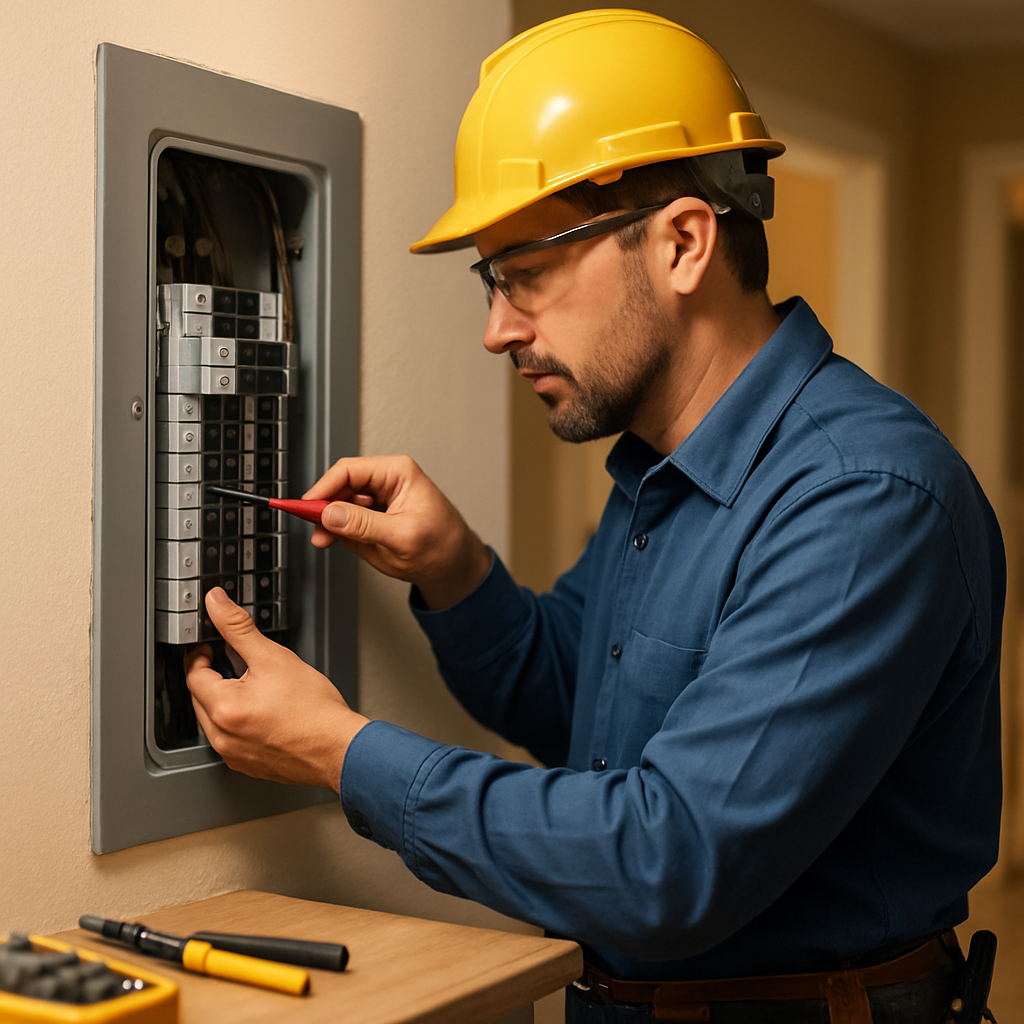
Appliances that use 240 volts generally need dedicated circuits. A licensed electrician can determine whether the existing panel and electrical service have enough capacity before installation.
Outlet and Switch Replacement
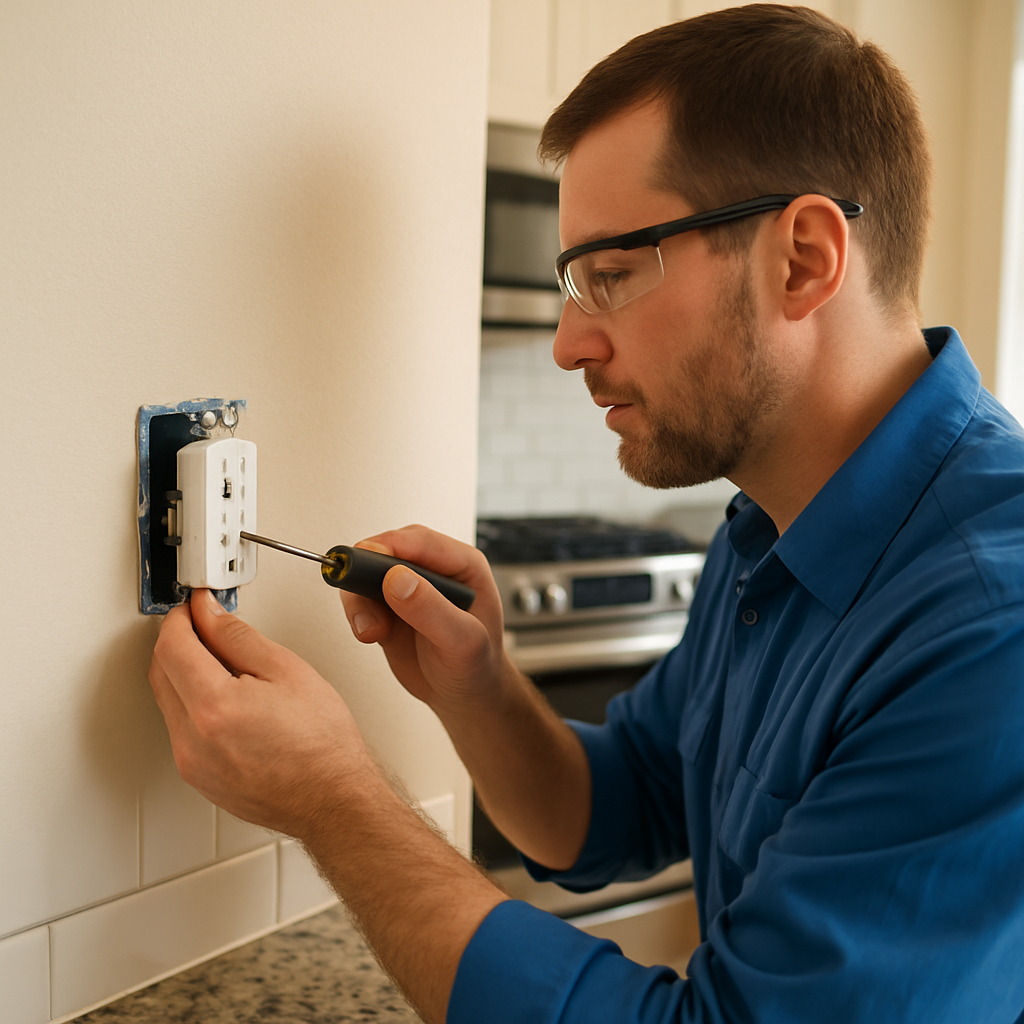
Older homes often have two-prong, ungrounded outlets or worn switches and receptacles. Replacing these components can improve usability and safety, but the work must be done correctly. Simply installing a three-prong outlet does not create a true equipment ground if the existing wiring does not include one.
Depending on the wiring and location, an electrician may recommend a grounded circuit, GFCI protection, or another code-compliant solution. They can also install dimmers, smart switches, USB outlets, weather-resistant outdoor receptacles, and tamper-resistant outlets where appropriate.
EV Charger Installation
A Level 2 home EV charger typically requires a dedicated 240-volt circuit, correctly sized wiring, an appropriate breaker, and either a hardwired charging station or a suitable receptacle. Before installation, an electrician should perform a load calculation to confirm that the existing panel and service can safely support the charger.
Some projects may require a panel upgrade, meter work, utility coordination, or a permit. Checking with the serving electric utility before work begins can also help homeowners identify any current EV-related programs, service requirements, or incentives.
Outdoor and Garage Electrical Work
Outdoor outlets, landscape lighting, detached garage circuits, security lighting, and outbuilding electrical work require specialized materials and installation methods. Outdoor electrical systems may need weatherproof boxes, GFCI protection, burial-rated wiring, conduit, proper grounding, and protection from moisture.
These details matter in Richmond's wet spring weather, summer storms, and seasonal temperature changes. Work that looks acceptable on the surface can still create a shock or fire hazard if it is not installed correctly.
Smoke and Carbon Monoxide Detector Installation
Hardwired smoke detectors and carbon monoxide detectors can provide more reliable protection than battery-only units. In many new-construction and significant renovation projects, interconnected alarms with battery backup may be required so that when one alarm sounds, all alarms in the home sound.
An electrician can evaluate existing detector locations, install hardwired interconnected units, and help homeowners understand whether a renovation triggers updated alarm requirements.
Lighting Installation and Upgrades
Electrical lighting work can range from replacing a fixture to installing recessed lighting, under-cabinet lighting, ceiling fans, bathroom exhaust fans, landscape lighting, or new lighting circuits for a remodel. LED upgrades can reduce energy use, but the existing switch, dimmer, fixture, and wiring compatibility should be considered before installation.
Electrical Safety in Older Richmond Homes
Historic homes can offer character and craftsmanship, but their electrical systems may not have been designed for modern usage. Paying attention to warning signs can help you address problems before they become emergencies.
Warning Signs to Take Seriously
- Breakers that trip repeatedly on the same circuit
- Outlets, plugs, switches, or switch plates that feel warm
- A burning smell near an outlet, electrical panel, or appliance connection
- Lights that dim noticeably when a major appliance starts
- Flickering lights that are not caused by a loose bulb
- Buzzing, crackling, popping, or humming sounds from switches, outlets, or the panel
- Discolored outlets, scorched wall plates, or melted plugs
- Extension cords and power strips being used as a long-term solution for too few outlets
- Frequently blown fuses or a panel with unusual, damaged, or crowded wiring
These signs do not always indicate an immediate emergency, but they should not be ignored. If you smell burning, see smoke, notice sparking, or suspect an active electrical fire, leave the area, call 911, and avoid touching the affected equipment.
What a Home Electrical Inspection Covers
A residential electrical inspection goes beyond a general home inspection. A licensed electrician can evaluate the electrical panel, service capacity, wiring type, grounding and bonding, outlets, switches, GFCI and AFCI protection, visible connections, and signs of unsafe alterations.
An electrical inspection can be especially valuable before purchasing an older home, beginning a major remodel, installing an EV charger, adding electric appliances, or converting a basement, attic, or garage into finished living space.
Permits, Inspections, and Utility Coordination
Electrical projects often involve more than the work performed inside the home. Major upgrades may require a permit from the local building department, inspections at specific stages, and coordination with the electric utility if a service disconnect, meter adjustment, or power restoration is needed.
| Project Need | Who to Contact | What to Confirm |
|---|---|---|
| Electrical permit or inspection | City of Richmond Building and Development Services | Whether a permit is required, inspection timing, contractor registration requirements, and documentation needed before work begins. |
| Panel upgrade or service replacement | Licensed electrician and the local building department | Permit requirements, service size, panel location, inspection sequence, and whether utility coordination is required. |
| Meter, service disconnect, or power shutoff | Serving electric utility and licensed electrician | Utility procedures for disconnecting and restoring power, meter requirements, service entrance equipment, and scheduling. |
| EV charger installation | Licensed electrician, local building department, and serving utility if applicable | Load calculation, permit needs, panel capacity, charging equipment requirements, and any available utility programs. |
| Major remodel, addition, or rewire | Licensed electrician and local building department | Required permits, rough-in and final inspections, smoke and carbon monoxide alarm requirements, and code upgrades triggered by the project. |
For most significant electrical projects, the licensed electrician should identify permit needs, pull permits when required, schedule inspections, and coordinate with the utility as necessary. Homeowners should confirm these responsibilities in writing before work begins.
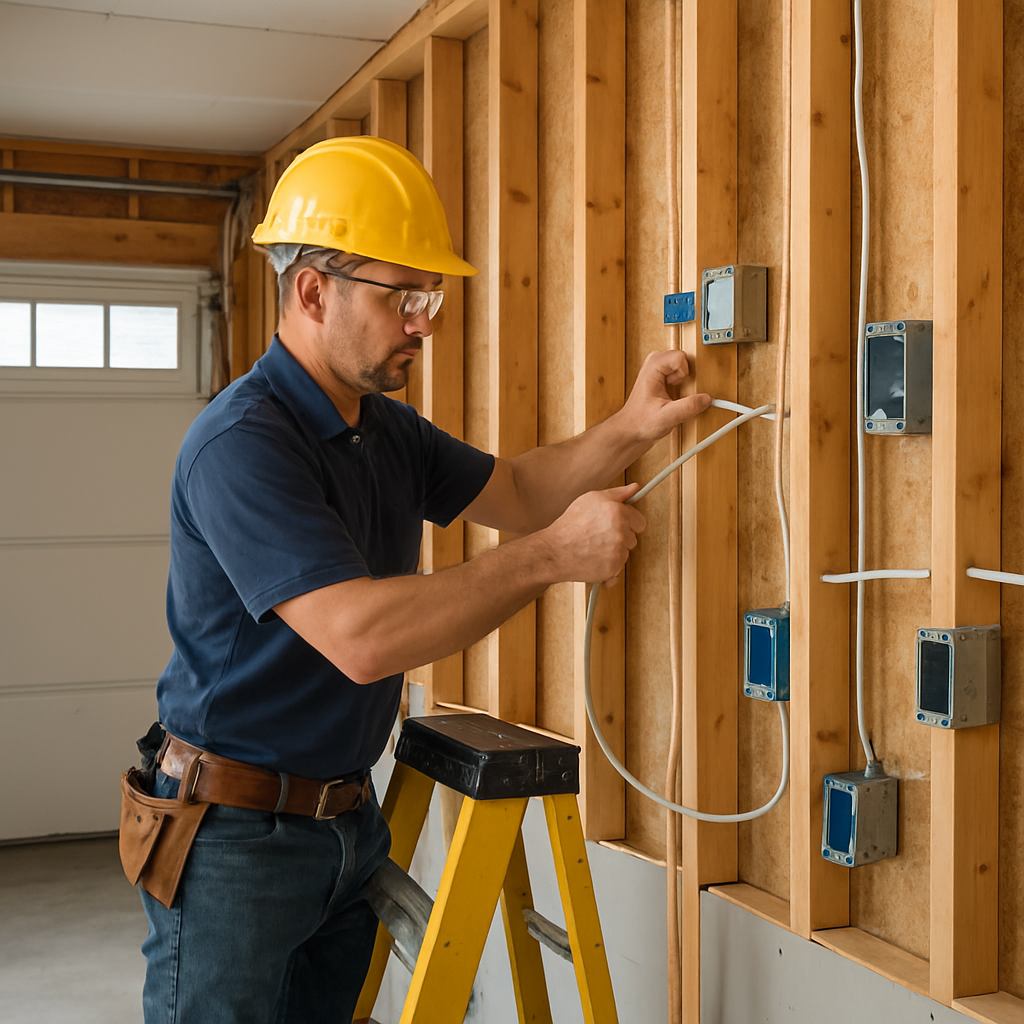
Electrical Projects That Commonly Require Permits
Permit requirements can vary by project scope and local rules, but the following work commonly requires review or permitting:
- Electrical panel upgrades and replacements
- Service entrance upgrades or replacements
- New circuits and subpanels
- Whole-home rewiring or major wiring repairs
- Electrical work connected to additions and substantial renovations
- New 240-volt appliance circuits
- EV charger installations
- Generator transfer switches and interlock systems
- Detached garage and outbuilding electrical installations
Simple replacements, such as changing an existing light fixture or outlet, may not always require a permit. However, even small electrical work should be completed safely and in accordance with applicable requirements.
Hiring a Licensed Electrician in Richmond, IN
Choosing an electrician is about more than finding the lowest estimate. Electrical work can affect your home's safety, insurance coverage, resale documentation, and ability to complete future improvements.
Verify Licensing and Insurance
Ask the contractor for proof of appropriate licensing, general liability insurance, and workers' compensation coverage. A qualified electrician should be willing to provide their credentials, explain the scope of work, and answer questions about permits and inspections.
Be cautious if a contractor refuses to provide licensing information, asks the homeowner to pull permits for the contractor's work, or suggests skipping inspection requirements to save money.
Get a Written Estimate
A written estimate should explain the work to be performed, the equipment and materials included, labor costs, expected project timeline, permit responsibility, and warranty terms. This documentation helps prevent misunderstandings and makes it easier to compare proposals.
Ask About Permit Responsibility
For work requiring permits, confirm that the licensed contractor will handle permit applications and inspection scheduling. The contractor should also explain what happens if the project requires utility coordination or a temporary power shutoff.
Review Communication and Project Planning
Reviews can help you understand how a contractor communicates, arrives for appointments, handles scheduling, and responds when an unexpected issue arises. For technical work, also ask practical questions about how the contractor will protect your home, what disruptions to expect, and how they will address issues found after walls or panels are opened.
Electrical Considerations for Rental Properties
Richmond has many rental properties in older neighborhoods and near local colleges. Electrical systems in rental homes may have been modified by multiple owners over decades, sometimes without permits or professional oversight.
Property owners should address known electrical hazards promptly and consider a professional electrical inspection before placing a property on the market, after a long tenancy, or before a major renovation. An inspection can identify ungrounded outlets, missing GFCI protection, overloaded circuits, informal panel modifications, damaged wiring, and other issues that could create risks for tenants and owners.
Common Issues in Older Rental Units
- Two-prong, ungrounded outlets
- Missing GFCI protection in kitchens, bathrooms, garages, or exterior locations
- Overloaded circuits and too few available outlets
- Improperly installed extension-cord or power-strip solutions
- Double-tapped breakers or overcrowded panel wiring
- Outdated fuse panels or undersized electrical service
- Damaged receptacles, switches, fixtures, or exposed wiring
Not every older rental property needs a full rewire. A licensed electrician can prioritize urgent safety concerns, recommend practical upgrades, and help owners plan larger improvements over time.
Smart Home and Modern Electrical Upgrades
Modern technology can create new electrical demands in homes that were originally designed for much simpler use. A licensed electrician can help homeowners add capacity safely while planning for future needs.
Dedicated Circuits for Home Offices
Home offices often include desktop computers, monitors, printers, networking equipment, charging stations, and other devices that run for long periods. A dedicated circuit can help reduce nuisance trips and prevent sensitive equipment from sharing power with high-demand appliances.
Smart Panel Technology
Smart electrical panels can provide circuit-level energy monitoring, notifications, and easier visibility into how a home uses electricity. If you are already planning a panel replacement, it may be a good time to ask about smart-panel options and whether they fit your budget and energy goals.
Generator Connections
Portable generators can be useful during outages, but connecting a generator directly to a home's wiring without a proper transfer switch or interlock can create a dangerous backfeed hazard. A licensed electrician can install an approved connection method that allows selected circuits to be powered safely during an outage.
Find a Licensed Electrician Through My Licensed Contractor
Whether you need an electrical inspection, panel upgrade, new circuit, lighting installation, EV charger, generator connection, or full rewire, working with a licensed electrician helps protect your home and your family.
My Licensed Contractor gives homeowners a simple way to start. Submit your electrical project details in a few clicks or a few minutes, and the platform can match you with a vetted, licensed electrician in your area. You can then discuss your project, compare quotes, ask about permits and utility coordination, and move forward with greater confidence.
Frequently Asked Questions
Do I need a permit for electrical work in Richmond, IN?
Many electrical projects require permits, particularly panel upgrades, new circuits, service work, rewiring, EV charger installations, generator transfer switches, and electrical work related to major renovations. Confirm project-specific requirements with the City of Richmond Building and Development Services department and your licensed electrician before work begins.
How do I know if my Richmond home needs a panel upgrade?
Common signs include repeated breaker trips, limited space for new circuits, a 60-amp or 100-amp service that cannot support modern loads, a warm electrical panel, flickering lights when appliances start, or plans to add an EV charger, central air, electric range, or other high-demand equipment.
Is knob-and-tube wiring dangerous?
Knob-and-tube wiring is not automatically unsafe simply because of its age, but it has important limitations. It lacks a grounding conductor, may not support modern electrical demand, and can become unsafe if damaged, improperly altered, or covered by certain types of insulation. A licensed electrician can assess its condition and recommend next steps.
Can aluminum wiring be repaired instead of replaced?
In some situations, aluminum branch-circuit wiring can be addressed through approved repair methods and properly rated connectors or devices. The right approach depends on the wiring condition, installation details, and scope of needed upgrades. A licensed electrician should evaluate the system before recommending repair or replacement.
Can I add an EV charger to my existing electrical panel?
It depends on your panel's available capacity, the electrical load already in use, available breaker space, service size, and the type of EV charger you want. A licensed electrician can perform a load calculation and determine whether a dedicated circuit can be added or whether a panel upgrade is needed first.
What is the difference between GFCI and AFCI protection?
GFCI protection helps reduce shock risk by detecting ground faults, especially in areas near water. AFCI protection helps reduce fire risk by detecting certain arcing conditions in electrical wiring. Both are important safety technologies, and older homes may need upgrades when renovations or electrical improvements are completed.
What should I do if I smell burning near an outlet or electrical panel?
A burning smell, smoke, sparking, or visible discoloration around electrical equipment should be treated seriously. If it is safe to do so, turn off the affected circuit at the panel. If there is smoke, fire, or an immediate hazard, leave the area and call 911. Contact a licensed electrician as soon as possible.
Can I replace a two-prong outlet with a three-prong outlet?
Not automatically. A three-prong outlet is intended for a grounded circuit. If the existing wiring does not include a grounding conductor, simply installing a three-prong receptacle does not create a ground. A licensed electrician can recommend a safe, code-compliant solution, which may include a new grounded circuit or GFCI protection in certain situations.
How long does a panel upgrade take?
Many straightforward panel upgrades can be completed in a day, but the overall timeline depends on permit processing, inspection scheduling, utility coordination, service upgrades, meter work, unexpected wiring issues, and the complexity of the project. Your electrician should explain the expected timeline before work starts.
Should the electrician pull the permit?
For work that requires a permit, the licensed electrician should generally handle the permit process and inspection coordination. Confirm this responsibility in your written estimate or contract before approving the project.
Do I need to contact the electric utility before a panel upgrade?
Your electrician may need to coordinate with the serving electric utility when the project involves a meter, service disconnect, overhead or underground service equipment, or a power shutoff and restoration. Ask the electrician how utility coordination will be handled as part of the project plan.
Can I install a generator connection myself?
Generator connections can be dangerous if they are not installed correctly. Improper connections can backfeed electricity into utility lines, putting utility workers and others at serious risk. A licensed electrician should install an approved transfer switch or interlock system.
How can I find a licensed electrician for my Richmond project?
You can submit your project through My Licensed Contractor. Provide a few details about the electrical work you need, and the platform can match you with a vetted, licensed electrician in your area.
Nearby Cities in Indiana
Ready to Find a Licensed Contractor?
Connect with pre-screened, licensed contractors in your area.
Submit Your ProjectGet Matched Instantly
Tell us about your project and we'll connect you with licensed, verified contractors in your area.
Submit Your ProjectFind Contractors Near You
Get Matched Instantly
Tell us about your project and we'll connect you with licensed, verified contractors in your area.
Submit Your ProjectFind Contractors Near You