

Ross, IN: Your Guide to Planning Electrical Repairs and Installations for Your Home
Key Takeaways
- Ross-area homes often need electrical improvements for older wiring, expanding households, detached garages, pole barns, workshops, wells, sump pumps, and modern appliances.
- Common projects include panel upgrades, circuit additions, whole-home rewiring, outbuilding wiring, EV charger installation, outdoor electrical work, and generator connections.
- Repeated breaker trips, warm outlets, flickering lights, burning odors, damaged wiring, and missing GFCI protection are reasons to contact a licensed electrician promptly.
- Because Ross is an unincorporated Lake County community, major electrical work may require permit review and inspection through Lake County.
- Homeowners can submit their project details through My Licensed Contractor and get matched with a vetted, licensed electrician in their area.
Ross, IN properties often combine older homes with detached garages, pole barns, workshops, sheds, and other outbuildings. Whether you need a panel upgrade, new circuit, EV charger, generator connection, or safer wiring for an older home, a licensed electrician can help you plan the work correctly.
With My Licensed Contractor, you can submit project details in a few clicks or a few minutes and get matched with a vetted, licensed electrician in your area.
Permits, Inspections, and Utility Coordination
Ross is an unincorporated community in Lake County, so homeowners should confirm electrical permit and inspection requirements with Lake County before beginning major electrical work. Lake County provides building-permit applications and online permit resources for projects in areas under county jurisdiction.
Electrical projects involving a panel replacement, service upgrade, new circuits, rewiring, EV charger, generator connection, or detached-building wiring may also require coordination with the electric utility. NIPSCO provides residential-construction service applications for projects involving new, changed, added, or removed electric service.
| Project Need | Local Resource | What to Confirm Before Work Begins |
|---|---|---|
| Electrical permit or inspection | Lake County, Indiana Building Department | Whether the work requires a permit, the application process, contractor documentation, permit fees, inspection stages, and required approvals. |
| Panel upgrade or service replacement | Licensed electrician and Lake County Building Department | Permit needs, required service size, equipment location, inspection timing, and whether service equipment must be updated. |
| Meter work, service disconnect, or power restoration | NIPSCO and the licensed electrician | Utility scheduling, meter requirements, service application needs, disconnect and reconnect procedures, and any required release after inspection. |
| EV charger installation | Licensed electrician, Lake County, and NIPSCO when applicable | Load calculation, available panel capacity, permit requirements, charging equipment specifications, and any utility programs available at the time of installation. |
| Detached garage, pole barn, or workshop wiring | Licensed electrician and Lake County Building Department | Permit needs, underground wiring method, trench depth, conduit, feeder size, voltage drop, grounding, subpanel requirements, and inspections. |
| Generator transfer switch or interlock | Licensed electrician and Lake County Building Department | Permit requirements, approved transfer equipment, inlet location, panel compatibility, grounding, and inspection requirements. |
Lake County's official Building Department forms page includes permit applications and online building-permit resources. For electrical projects involving a service line, meter, or change in utility service, NIPSCO directs customers and contractors to begin through its residential construction service process.
Electrical Work That Often Requires a Permit
- Electrical panel replacements and service upgrades
- New circuits, subpanels, and major circuit alterations
- Whole-home rewiring and major wiring repairs
- Electrical work for additions, finished basements, and significant remodels
- Detached garage, pole barn, workshop, and outbuilding wiring
- EV charger installation
- Generator transfer switch and interlock installation
- New 240-volt circuits for large appliances or equipment
Permit requirements can vary based on the scope of work and the specific property. Your electrician should verify the requirements before work begins, pull required permits, arrange inspections, and coordinate with the utility when a service disconnect or reconnection is needed.
Why Ross Homes Have Specific Electrical Needs
The semi-rural character of Ross creates electrical needs that can be different from those in newer subdivisions or dense city neighborhoods. Older homes, longer electrical runs, detached structures, well pumps, sump pumps, workshops, and outdoor equipment all require careful planning.
Older Housing Stock
Some homes in the Ross area were built decades before modern households relied on central air conditioning, electric ranges, home offices, charging stations, large televisions, network equipment, EV chargers, and workshop tools. A home built in the 1950s, 1960s, or 1970s may still have a 60-amp or 100-amp service, aging wiring, a fuse box, aluminum branch-circuit wiring, or limited grounding.
These systems may have worked well when installed, but they were not designed for the electrical demands of a modern home. A licensed electrician can inspect the panel, wiring, grounding, outlets, and service capacity to identify safety concerns and practical upgrade options.
Detached Structures and Long Electrical Runs
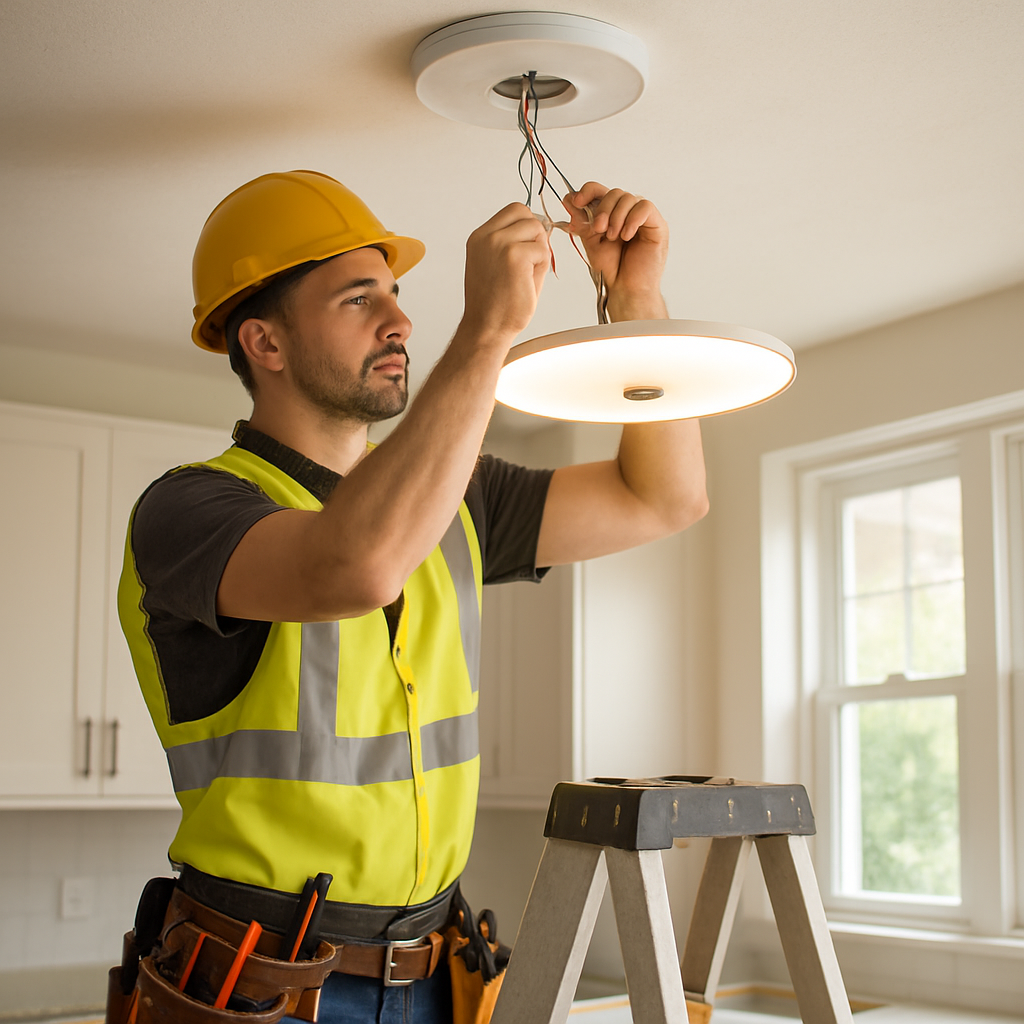
Many Ross properties include detached garages, pole barns, sheds, workshops, and other outbuildings. Supplying power to these structures requires more than running an extension cord from the home. A proper installation may require underground conduit or approved direct-burial wiring, a correctly sized feeder, a subpanel, grounding, weather-rated equipment, and GFCI protection.
Distance matters, too. Longer runs may require larger conductors to help manage voltage drop and support the equipment used inside the building. A licensed electrician can design the installation around your planned use, whether that includes lighting, power tools, a welder, a freezer, a compressor, a garage door opener, or farm-related equipment.
Well Pumps, Sump Pumps, and Outdoor Equipment
Homes with well water rely on pumps that need properly sized and protected electrical circuits. Sump pumps in basements and crawl spaces also need dependable power, especially during severe weather. If you are replacing a pump with a higher-horsepower model, adding backup power, finishing a basement, or relocating equipment, an electrician should verify the circuit, breaker, wiring, and protection are appropriate.
Common Electrical Projects in Ross, IN
Electrical Panel Upgrades
Panel upgrades are among the most common electrical projects in older Ross homes. An upgrade may be appropriate if the existing panel is undersized, overcrowded, damaged, outdated, frequently tripping, or unable to support planned additions such as an EV charger, heat pump, workshop equipment, or electric appliances.
Many modern homes use 200-amp service, but the correct size depends on a professional load calculation and your future plans. A panel upgrade may also involve changes to the service entrance, meter base, grounding system, or utility connection.
Circuit Additions
Adding a dedicated circuit can prevent high-demand equipment from overloading shared circuits. Common requests include new circuits for home offices, chest freezers, dishwashers, microwaves, electric dryers, induction ranges, garage tools, basement finishing projects, and workshop equipment.
Equipment that requires 240 volts, such as welders, compressors, electric dryers, ranges, and some HVAC systems, generally needs a dedicated circuit. Before adding one, an electrician should confirm that the panel has enough available capacity.
Whole-Home Rewiring
Whole-home rewiring may be recommended for homes with deteriorated wiring, ungrounded circuits, significant unpermitted alterations, knob-and-tube wiring, or aging aluminum branch wiring. A rewire can replace outdated wiring with modern copper conductors, add grounded outlets, improve circuit layout, and prepare the home for current electrical loads.
Rewiring is a larger project, but it can improve long-term safety, simplify future renovations, and provide documentation that may be helpful for insurance and resale purposes.
EV Charger Installation
A Level 2 EV charger typically requires a dedicated 240-volt circuit, appropriately sized wiring, a compatible breaker, and an electrical panel with enough capacity to support the added load. Depending on the home, the charger may be installed in a garage, carport, driveway location, or other exterior area using equipment rated for the environment.
An electrician should perform a load calculation before installation. If your panel is full or undersized, a panel upgrade may be needed before installing the charger.
Outdoor and Landscape Wiring
Outdoor lighting, driveway lighting, detached-building outlets, gate openers, security lights, landscape lighting, and exterior receptacles require equipment designed for moisture and weather exposure. Safe installations may include weatherproof boxes and covers, GFCI protection, properly rated wiring, suitable conduit, and correct burial depth where underground wiring is used.
Outdoor electrical work should be planned around both safety and the future use of the property. It is usually easier to size conduit and electrical capacity properly during the initial project than to reopen landscaping or trenching later.
Generator Connections
Portable and standby generators can provide useful backup power during outages, but they must be connected safely. A transfer switch or interlock kit prevents generator power from backfeeding onto utility lines, which can endanger utility workers and damage equipment.
A licensed electrician can install a properly rated transfer switch, interlock, inlet box, and selected-circuit setup based on the appliances and systems you want to power during an outage.
Service Entrance Upgrades
The service entrance is where utility power connects to your home. If the weatherhead, service cable, meter base, grounding, or other service equipment is damaged, outdated, or too small for a planned panel upgrade, it may need to be updated.
Service work often requires coordination between the electrician, Lake County, and NIPSCO. The electrician should explain who handles permits, utility scheduling, inspection release, temporary power loss, and final reconnection before work begins.
Warning Signs That Mean You Should Call an Electrician
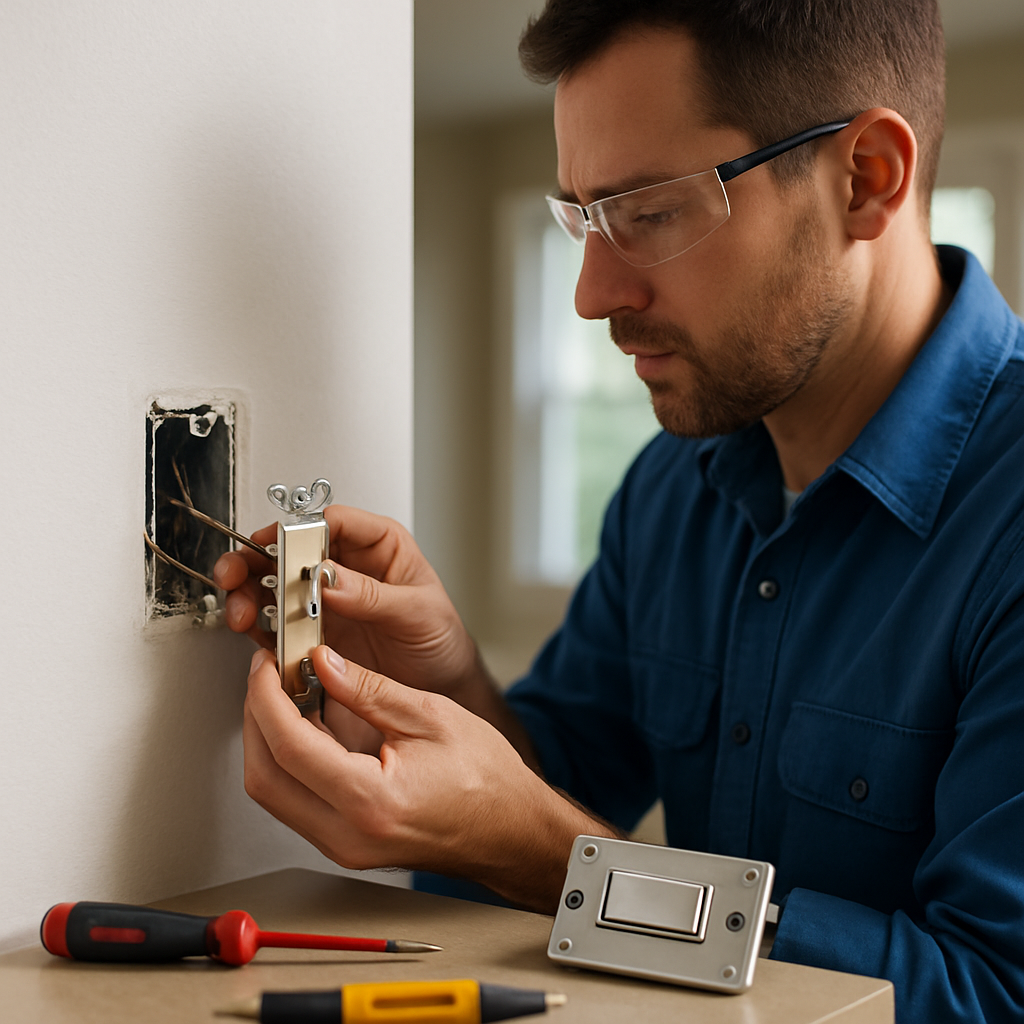
Electrical problems can develop gradually, but certain symptoms should not be ignored.
- Breakers that trip repeatedly on the same circuit
- Fuses that blow more than once
- Outlets, switches, plugs, or wall plates that feel warm
- Flickering or dimming lights, especially across multiple rooms
- Burning smells near an outlet, panel, fixture, or appliance connection
- Buzzing, popping, crackling, or humming sounds from electrical equipment
- Visible wiring damage, including cracked insulation, rodent damage, or exposed conductors
- Scorched outlets, discolored wall plates, or melted plugs
- Frequent use of extension cords or power strips as permanent wiring
- Missing GFCI protection in kitchens, bathrooms, garages, outdoor areas, and other locations near water
If you see sparks, smoke, scorch marks, or signs of an active electrical fire, leave the area, call 911, and do not touch the electrical panel or affected equipment.
What to Expect When You Hire a Licensed Electrician
Initial Assessment
Most electricians begin with a site visit to inspect the panel, wiring, outlets, equipment, and work area. They may evaluate available service capacity, identify safety issues, determine whether a permit is required, and recommend options based on your needs and budget.
Written Estimate
A detailed written estimate should identify the scope of work, materials, labor, equipment, permit responsibility, inspection responsibility, warranty details, and expected timeline. For larger work, make sure each estimate covers the same scope before comparing prices.
Licensing and Insurance
Ask the electrician to provide the appropriate licensing information, general liability insurance, and workers' compensation coverage. A qualified contractor should be prepared to explain credentials, permit handling, and how the work will be inspected.
Timeline and Access
Smaller projects such as adding a circuit, replacing outlets, or installing lighting may be completed in a day. Panel upgrades, service changes, whole-home rewiring, and detached-building wiring may require multiple days, inspection scheduling, and a temporary outage. Your electrician should explain what access they need and how they will minimize disruptions.
Choosing the Right Electrician for Your Project
Look for Relevant Experience
Ask whether the electrician has experience with projects like yours. A contractor who regularly performs commercial work may not be the best fit for a whole-home rewire, outbuilding subpanel, generator connection, or panel upgrade in an older residential property.
Ask About Permit Handling
For projects requiring permits, choose an electrician who routinely handles the local process. Be cautious if a contractor suggests skipping permits or asks you to obtain a permit for work they will perform. Permit and inspection requirements are part of professional electrical work, not an optional extra.
Compare Detailed Estimates
For substantial projects such as service upgrades, rewiring, detached-building wiring, and generator installations, obtaining more than one written estimate can help you compare scope, materials, timing, and project planning. The lowest estimate is not always the best value if it excludes permits, equipment, code upgrades, or cleanup.
Electrical Upgrades That Add Flexibility
Dedicated Home Office Circuits
Home offices often rely on computers, monitors, printers, networking equipment, chargers, and other electronics that run for long periods. A dedicated circuit can help prevent nuisance trips and reduce dependence on power strips and extension cords.
Workshop and Garage Power
Garages and workshops may need additional outlets, lighting, 240-volt circuits, dust-collection power, welding circuits, compressor circuits, and subpanels. Planning these upgrades together can create a safer and more useful workspace than adding circuits one at a time.
Backup Power Planning
Homes that rely on sump pumps, well pumps, refrigeration, medical devices, or essential heating equipment may benefit from a generator connection plan. A properly installed transfer switch or interlock allows selected circuits to receive generator power safely during an outage.
Find a Licensed Electrician Through My Licensed Contractor
Electrical work in Ross can involve older wiring, panels, detached structures, outdoor equipment, modern appliances, and permit requirements. A licensed electrician can inspect your system, identify safety concerns, recommend the right upgrades, and coordinate permits, inspections, and utility requirements when necessary.
With My Licensed Contractor, homeowners can submit their project details in just a few clicks or minutes and get matched with a vetted, licensed electrician in their area. Whether you need a panel upgrade, garage subpanel, EV charger, generator connection, outdoor wiring, or electrical inspection, start your Ross project with a qualified professional.
Frequently Asked Questions
Do I need a permit for electrical work in Ross, IN?
Many significant electrical projects require permit review and inspection, including panel upgrades, service work, new circuits, rewiring, detached-building wiring, EV chargers, generator connections, and electrical work associated with major renovations. Because Ross is in unincorporated Lake County, confirm requirements with Lake County and your licensed electrician before work begins.
Who handles electrical permits for Ross properties?
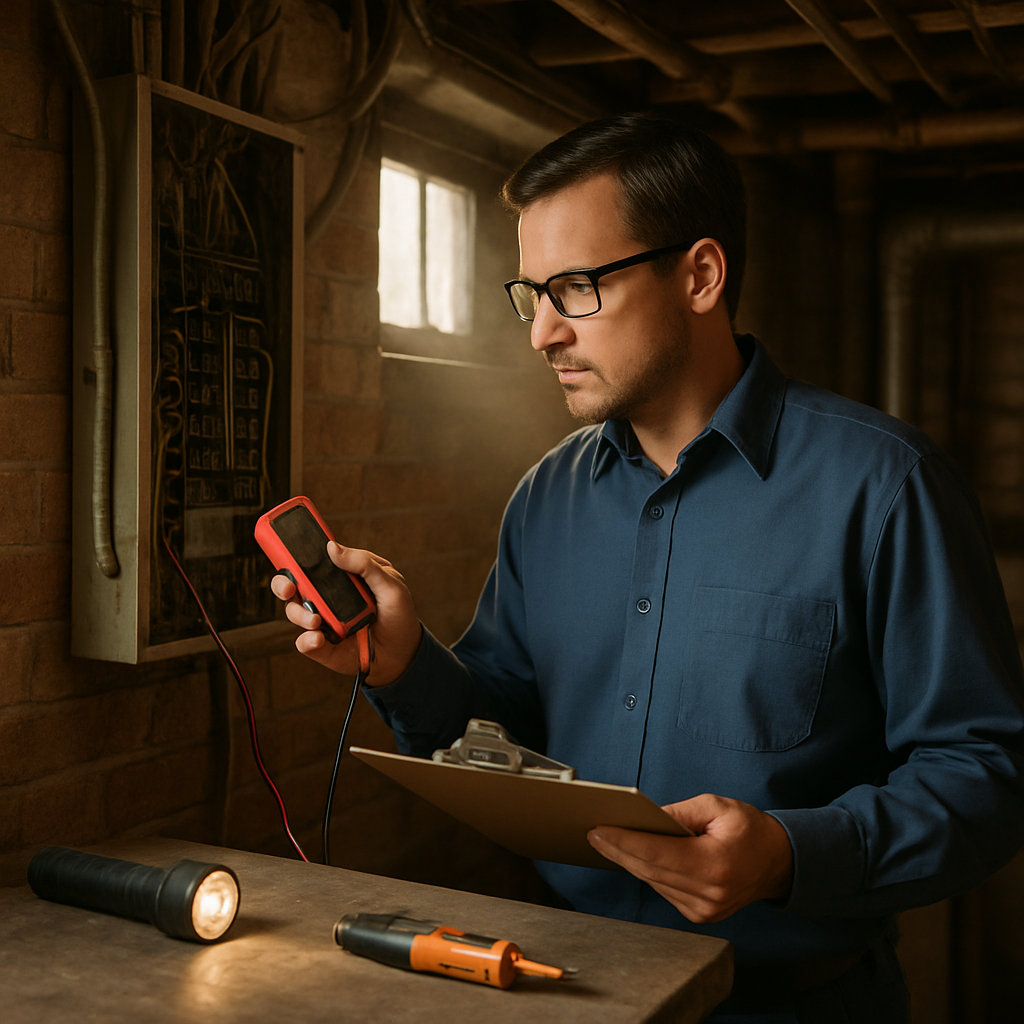
Ross is an unincorporated Lake County community, so the Lake County Building Department is generally the local resource to consult for permit and inspection requirements. Your licensed electrician should verify project-specific requirements, obtain required permits, and schedule inspections.
How do I know if I need an electrical panel upgrade?
You may need an evaluation if breakers trip regularly, the panel is warm, there is no room for new circuits, your home has a 60-amp or older 100-amp service, or you plan to add high-demand equipment such as an EV charger, electric range, heat pump, workshop tools, or a garage subpanel.
What size electrical panel does my Ross home need?
Many modern homes use 200-amp service, but the right size depends on a load calculation that accounts for your home's square footage, appliances, HVAC equipment, garage or outbuilding loads, EV charging, and future plans. A licensed electrician can recommend the appropriate service size.
Can I run power to a detached garage, barn, or pole building?
Yes, but the project should be professionally designed and installed. It may require a feeder, trenching, conduit, correctly sized conductors, grounding, a subpanel, weather-rated equipment, GFCI protection, and permits or inspections. The electrical needs of the building will determine the proper setup.
Can I install an EV charger on my existing panel?
It depends on available panel capacity, service size, the charger rating, and the rest of your household electrical load. An electrician can perform a load calculation to determine whether a dedicated 240-volt circuit can be added or whether a panel upgrade is needed first.
What should I do if an outlet feels warm or smells like it is burning?
Stop using the outlet immediately. If it is safe, turn off the affected circuit at the panel and contact a licensed electrician promptly. If you see smoke, sparks, or flames, leave the area and call 911.
What is the difference between GFCI and AFCI protection?
GFCI protection helps reduce shock hazards by detecting ground faults, especially around water and outdoors. AFCI protection helps reduce certain fire hazards by detecting arcing faults in electrical circuits. Both are important safety features, and older homes may lack one or both.
How long does an electrical panel upgrade take?
Many straightforward panel upgrades can be completed in one day, but the overall schedule depends on permit approval, inspection availability, utility coordination, meter or service work, and any hidden wiring issues. Your electrician should provide an expected timeline before the project begins.
Do I need a transfer switch or interlock for a portable generator?
Yes. If you want to connect a portable generator to your home's electrical system, you need an approved transfer switch or interlock arrangement. These devices help prevent backfeeding into utility lines, which can endanger utility workers and damage electrical equipment.
Will NIPSCO need to be involved in my panel upgrade?
NIPSCO may need to be involved if the project requires a service disconnect, meter work, service-line changes, or power restoration. Your electrician should explain whether utility coordination is necessary and how it will affect the project schedule. NIPSCO's residential construction process covers requests involving new, added, removed, or changed service.
How can I find a licensed electrician for a Ross, IN project?
You can submit your project through My Licensed Contractor. Add a few details about the electrical work you need, and the platform can match you with a vetted, licensed electrician in your area.
Nearby Cities in Indiana
Ready to Find a Licensed Contractor?
Connect with pre-screened, licensed contractors in your area.
Submit Your ProjectGet Matched Instantly
Tell us about your project and we'll connect you with licensed, verified contractors in your area.
Submit Your ProjectFind Contractors Near You
Get Matched Instantly
Tell us about your project and we'll connect you with licensed, verified contractors in your area.
Submit Your ProjectFind Contractors Near You