

Electrical Work in Lawrenceburg, IN: Repairs, Permits, and Local Utility Coordination
Key Takeaways
- Small symptoms like flickering lights, warm outlets, or frequent breaker trips can signal bigger electrical issues in Lawrenceburg homes.
- Many electrical projects in Lawrenceburg, IN require permits and may involve coordination with Lawrenceburg Municipal Utilities, especially for service changes.
- My Licensed Contractor helps homeowners submit project details and get matched with a vetted, licensed electrician through My Licensed Contractor.
Electrical problems can affect more than just convenience. Faulty wiring, overloaded circuits, or outdated panels can create safety risks, reduce your home's comfort, and hurt its resale value. Whether you're dealing with flickering lights or planning a full panel upgrade, it's worth understanding what's involved before work begins.
Lawrenceburg homeowners have some specific things to keep in mind. The city operates its own municipal electric system through Lawrenceburg Municipal Utilities, which means certain projects may require coordination with the utility in addition to pulling permits through county authorities. Knowing this ahead of time can save you from delays once a project is underway.
This page is designed to help you understand common electrical issues, what they might cost, and how to approach repairs or upgrades. It also connects you with My Licensed Contractor, where homeowners can enter project details and get matched with a vetted and licensed electrician through My Licensed Contractor.
Common Electrical Problems Homeowners Run Into in Lawrenceburg
Most electrical problems don't start as emergencies. They usually begin with small, easy-to-ignore symptoms that gradually get worse. Paying attention to those early signs can help you avoid more serious damage later.
Symptoms Worth Taking Seriously
Dead outlets are one of the more common complaints. Sometimes the fix is simple, like a tripped GFCI outlet nearby, but other times a dead outlet points to a wiring problem deeper in the circuit. Flickering or dimming lights are another symptom that often gets dismissed. If the flickering happens when you turn on an appliance, it may mean the circuit is overloaded. If it happens randomly, it could indicate a loose connection somewhere in the system.
Buzzing or humming sounds coming from your panel, outlets, or switches are a sign that something is wrong. Electricity should move silently. Any audible sound usually means arcing, a loose wire, or a failing component. Similarly, if your circuit breakers trip frequently or your panel feels warm to the touch, that's a sign the system is being pushed beyond what it was designed to handle.
Why Small Symptoms Often Come Before Bigger Failures
Electrical systems tend to give warning signs before they fail completely. A warm outlet, for example, might seem minor, but it can mean the wiring behind it is overheating. Over time, that heat can degrade insulation and create a fire risk. The same applies to breakers that trip repeatedly. A breaker that keeps tripping is doing its job by interrupting a circuit that's drawing too much current, but the underlying cause still needs to be addressed.
If you're noticing more than one of these symptoms at the same time, it's a good reason to have a licensed electrician in Lawrenceburg, IN take a look before the problem gets worse.
Outdated Systems and Unsafe DIY Work
Lawrenceburg has a range of older housing stock, including homes built in the mid-20th century when electrical standards were very different from what they are today. If your home hasn't had its electrical system updated since it was built, there's a good chance some components are no longer up to current code.
Older Panels and Wiring
Fuse boxes were standard in homes built before the 1960s, but they're not designed to handle the electrical load of a modern household. If your home still has a fuse box, an upgrade to a circuit breaker panel is worth considering. Two-prong outlets are another sign of an older system. They lack a ground wire, which means appliances that require a three-prong plug either won't fit or will need an adapter that bypasses the grounding protection.
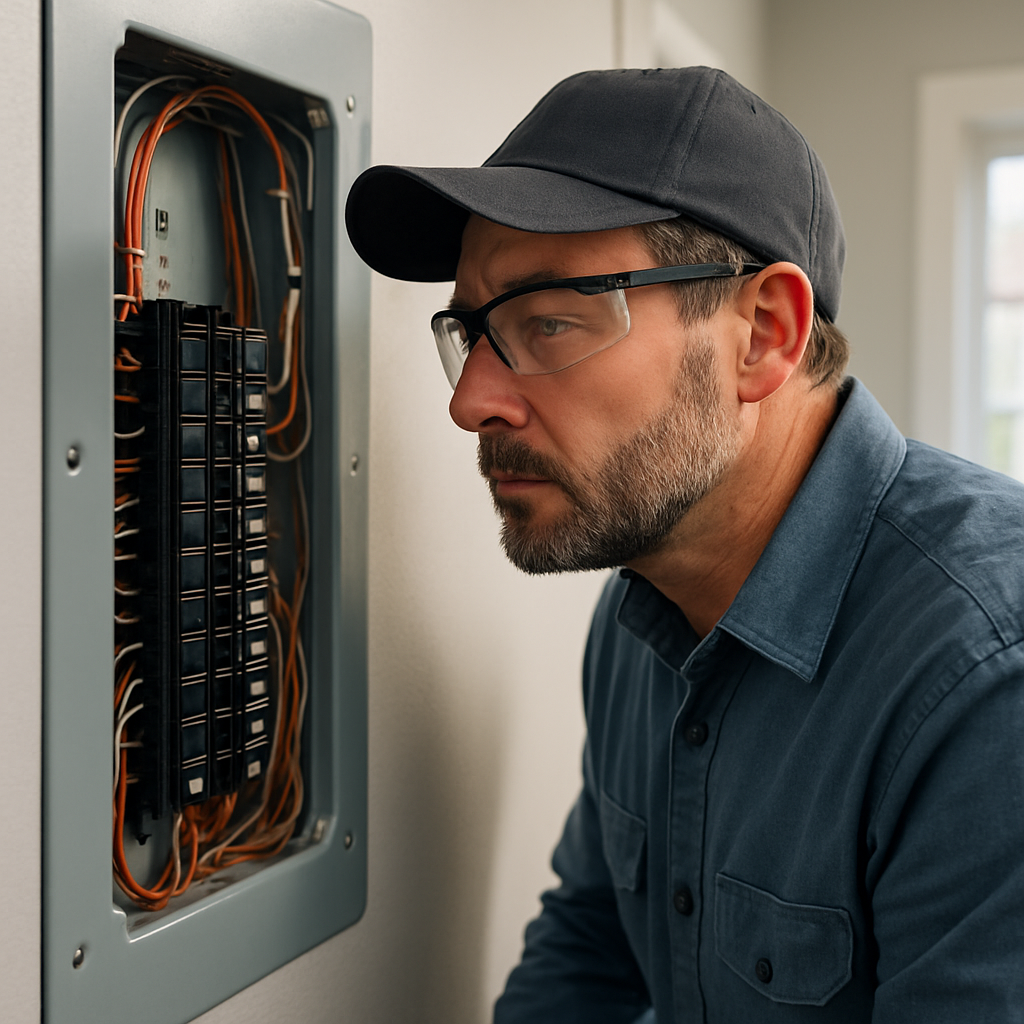
Aluminum wiring is also something to be aware of in homes built during the late 1960s and early 1970s. Aluminum was used as a less expensive alternative to copper during that period, but it expands and contracts more with temperature changes, which can loosen connections over time and create a fire hazard. A licensed electrician can assess whether your aluminum wiring needs to be repaired, replaced, or treated with specific connectors and devices approved for aluminum use.
DIY Electrical Work
Unpermitted DIY electrical work is a common issue in older homes. Homeowners sometimes splice wires inside walls, add outlets without proper grounding, or install panels without following code. This kind of work might function for a while, but it creates hidden risks and can cause serious problems when you try to sell your home or file an insurance claim.
In Indiana, electrical work above a certain complexity requires a permit, and in Lawrenceburg specifically, work that touches the utility connection may also require coordination with the municipal utility. A licensed contractor will handle that process, but it's helpful to know it's part of the picture before you start a project.
Common Electrical Upgrades for Lawrenceburg Homes
Beyond repairs, there are several upgrades that homeowners in the area commonly consider, either for safety, convenience, or to prepare a home for sale. Here's a look at what those upgrades involve.
Panel Upgrades
If your home has a 100-amp panel, it may not be sufficient for modern electrical demand, especially if you're adding large appliances, an EV charger, or a home addition. Upgrading to a 200-amp panel gives you more capacity and brings your service in line with what most homes need today. Because this type of upgrade involves the main service connection, it typically requires a permit and coordination with Lawrenceburg Municipal Utilities to disconnect and reconnect power during the work.
Outlet and Wiring Updates
Replacing two-prong outlets with grounded three-prong outlets is a straightforward upgrade that improves safety and makes your home compatible with modern appliances. In areas like kitchens, bathrooms, and garages, GFCI outlets are required by current code. If your home lacks these, adding them is a relatively affordable project that reduces the risk of electric shock near water sources.
EV Charger Installation
More homeowners in Indiana are adding EV chargers at home. Since Lawrenceburg has its own municipal utility, it's worth contacting Lawrenceburg Municipal Utilities directly to ask about any programs or rate structures that apply to EV charging. Installing a Level 2 charger typically requires a dedicated 240-volt circuit, which a licensed electrician will need to run from your panel.
Whole-Home Surge Protection
Surge protectors on individual outlets protect the devices plugged into them, but a whole-home surge protector installed at the panel protects everything in the house, including appliances, HVAC systems, and hardwired devices. This is a relatively low-cost addition during a panel upgrade and can prevent damage from power surges that come in through the utility line.
What Electrical Work Costs in Lawrenceburg
Electrical work varies a lot in price depending on what's being done, how much labor is involved, and what materials are needed. The figures below are general ranges to give you a starting point, not guaranteed prices for any specific project.
Repair and Replacement Costs
- Outlet replacement: $100 to $200 per outlet, depending on type and location.
- Circuit breaker replacement: $150 to $300.
- GFCI outlet installation: $100 to $200 per outlet.
- Electrical panel replacement (100 to 200 amp upgrade): $1,500 to $4,000 depending on panel size and any utility coordination required.
- Whole-home rewire: $8,000 to $20,000 or more, depending on home size and wiring complexity.
- EV charger installation: $500 to $1,500 for the wiring and installation, not including the charger unit itself.
These are starting-point estimates. The actual cost for your project will depend on what a licensed electrician finds during an assessment. Getting multiple quotes is the best way to understand what you should expect to pay.
Permits and Utility Coordination in Lawrenceburg
Permits for electrical work in Lawrenceburg are managed at the county level through Dearborn County’s permitting department. The county also offers an online portal for submitting permit applications, which can help streamline the process for homeowners and contractors.
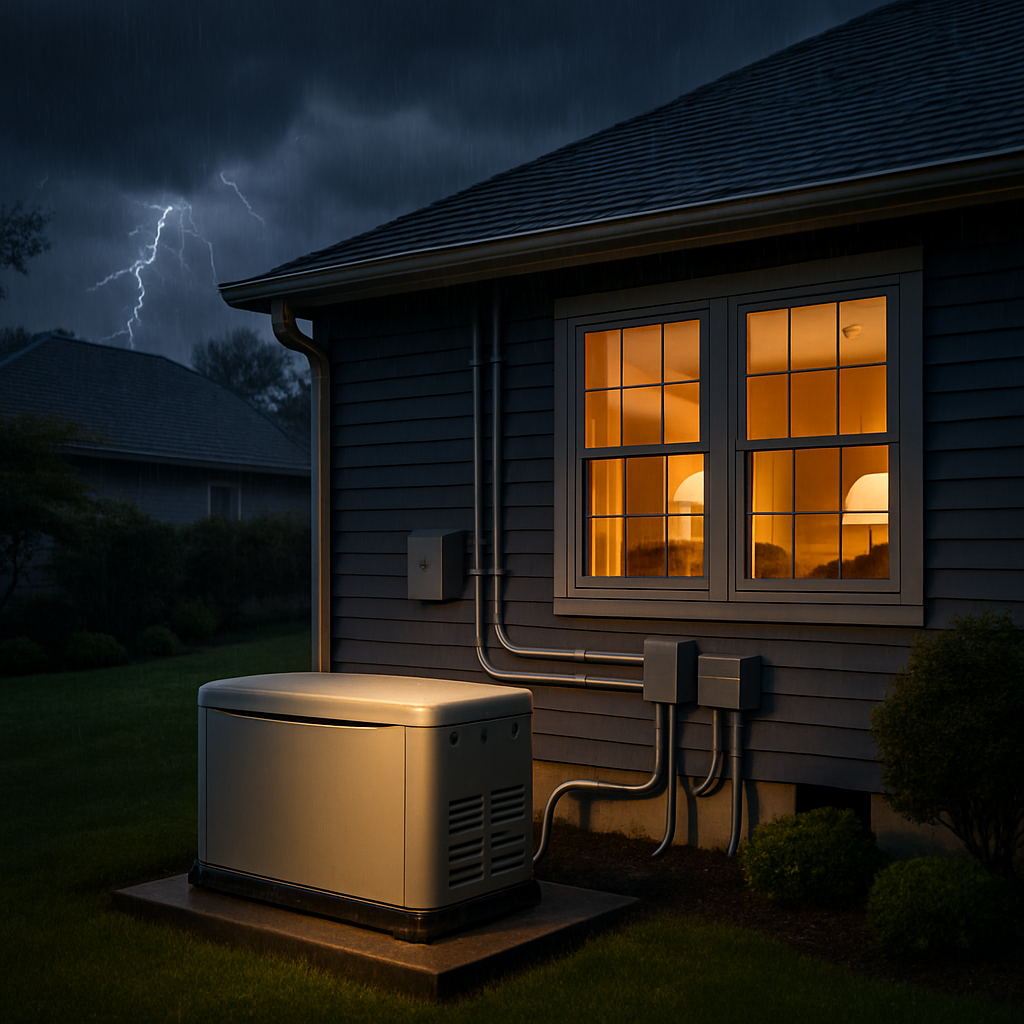
One thing that sets Lawrenceburg apart from many surrounding communities is that it has its own municipal electric utility. Most Indiana towns rely on investor-owned utilities or rural electric cooperatives, but Lawrenceburg Municipal Utilities manages electric service directly for residents. This affects how certain electrical projects are handled.
When You Need a Permit
In Indiana, permits are generally required for electrical work that goes beyond minor repairs or like-for-like replacements. Panel upgrades, new circuits, service changes, and rewiring projects typically require a permit. The permit process involves an inspection to confirm the work meets the Indiana Electrical Code, which follows the National Electrical Code with state amendments.
Some homeowners prefer to get the permit first when they are managing the project themselves, want to confirm the county requirements before hiring, or are coordinating multiple trades for a larger remodel. That can be helpful if you're planning a renovation and want to understand exactly what Dearborn County will require before the electrician starts.
Your licensed electrician will usually pull the permit on your behalf and schedule any required inspections. If someone offers to do electrical work without pulling a permit, that's a red flag. Unpermitted work can create liability issues if something goes wrong, and it can complicate a home sale if the work shows up during a buyer's inspection.
When the Contractor Usually Pulls It
For contractor-led projects, the electrician usually handles the permit because they know the code requirements, the inspection process, and the technical details of the work. This is often the smoother route for panel upgrades, rewiring, and EV charger installs in Lawrenceburg, Dearborn County, and across Indiana. Before the job starts, ask the contractor directly who is responsible for the permit so there are no delays once the work begins.
Utility Coordination
For service upgrades or anything that involves the meter or the service entrance, Lawrenceburg Municipal Utilities will need to be involved. This typically means scheduling a disconnect before work begins and a reconnect once it's complete and inspected. Your electrician should handle this coordination, but it can affect the project timeline, so it's worth asking about it upfront.
How to Choose an Electrician in Lawrenceburg
Finding the right electrician takes a bit of groundwork, but it's worth doing before you commit to anyone. Here are some things to look for and ask about.
Licensing and Insurance
In Indiana, electricians must be licensed through the Indiana Professional Licensing Agency. There are different license levels, including apprentice, journeyman, and master electrician. For most residential projects, you want a master electrician or a contractor who employs licensed electricians on their crew. Ask to see the license before work begins.
Insurance is equally important. Make sure the contractor carries general liability insurance and workers' compensation coverage. If a worker is injured on your property and the contractor doesn't have workers' comp, you could be held liable.
Getting and Comparing Quotes
When you get a quote, ask for a written estimate that breaks down labor, materials, and any permit costs. A vague quote that gives you one lump sum makes it hard to compare against other bids or to understand what you're actually paying for. Getting at least two quotes gives you a better sense of the going rate for your project and lets you ask questions if the estimates differ significantly.
Questions Worth Asking Before You Hire
- Are you licensed in Indiana and familiar with Lawrenceburg's permit and utility process?
- Will you pull the permit for this project?
- How long will the work take, and will power need to be shut off?
- What does the warranty cover for parts and labor?
Get Matched With a Vetted Lawrenceburg, IN Electrician on My Licensed Contractor
If you're ready to get quotes or just want to talk through your project with someone who knows the local area, My Licensed Contractor can connect you with licensed electricians in Lawrenceburg, IN. The platform matches homeowners with pre-screened contractors so you can compare options without having to search from scratch.
Whether you need a simple outlet replacement or a full panel upgrade, starting with a qualified contractor means the work gets done right and meets local code requirements. You can enter your project details through My Licensed Contractor to get matched with the right electrician for the job.
Frequently Asked Questions
Do I need a permit for electrical work in Lawrenceburg, IN?
Most electrical work beyond minor repairs requires a permit through Dearborn County. This includes panel upgrades, new circuits, and service changes. Your licensed electrician should pull the permit and coordinate any required inspections with the county office.
What is Lawrenceburg Municipal Utilities, and why does it matter for electrical work?
Lawrenceburg Municipal Utilities is the city’s own electric utility, which handles power distribution to residents. For projects that involve the service entrance or meter, the utility needs to schedule a disconnect and reconnect. This is different from many other Indiana communities and can affect how your project is scheduled.
How do I know if my home has aluminum wiring?
Homes built between roughly 1965 and 1973 are the most likely to have aluminum wiring. An electrician can confirm this during an inspection. If you're buying an older home in Lawrenceburg or elsewhere in Dearborn County, it's worth asking your home inspector to check for aluminum wiring specifically.
Can I do electrical work myself in Indiana?
Indiana law allows homeowners to do some electrical work on their own primary residence, but the work still needs to meet code and may require a permit and inspection. For anything beyond basic repairs, hiring a licensed electrician in Lawrenceburg, IN is the safer choice, both for safety and for making sure the work passes inspection.
How long does a panel upgrade take?
A panel upgrade typically takes one day for the electrical work itself, but the overall timeline can stretch longer if permits, inspections, or utility coordination are involved. Ask your electrician to walk you through the full timeline, including any steps that depend on Dearborn County or Lawrenceburg Municipal Utilities.
What should I do if I smell burning near an outlet or panel?
A burning smell near an outlet or panel is a serious warning sign. Turn off the circuit if you can do so safely, and call a licensed electrician right away. If you see smoke or flames, call 911 first. Don't ignore a burning smell or assume it will go away on its own.
How do I compare quotes from electricians?
Compare the scope of work, materials, permit handling, timeline, and warranty terms. In Lawrenceburg and throughout Dearborn County, the lowest quote is not always the best one if it leaves out inspection coordination or utility work.
What electrical upgrades help improve home value in Lawrenceburg?
Panel upgrades, safer wiring, added kitchen or garage circuits, modern lighting, and permitted EV charger installs can all make a Lawrenceburg home more attractive to buyers. Documentation matters too, because permitted work is easier to explain during resale.
How can I tell whether a contractor is right for my project?
Ask whether they are licensed, who pulls the permit, whether they have worked with Dearborn County permits before, how they handle utility coordination, and what kind of warranty is included. The answers should show that they understand both the electrical work and the local process.
Why should I hire a licensed electrician instead of doing it myself?
A licensed electrician understands code requirements, safety risks, and the permit process in Lawrenceburg, Dearborn County, and Indiana. DIY work can create hidden hazards, and mistakes may show up later during an inspection, insurance claim, or home sale.
Nearby Cities in Indiana
Ready to Find a Licensed Contractor?
Connect with pre-screened, licensed contractors in your area.
Submit Your ProjectGet Matched Instantly
Tell us about your project and we'll connect you with licensed, verified contractors in your area.
Submit Your ProjectFind Contractors Near You
Get Matched Instantly
Tell us about your project and we'll connect you with licensed, verified contractors in your area.
Submit Your ProjectFind Contractors Near You