

Electrical Work in Lowell, IN: Repairs & Safety Upgrades
Electrical Work in Lowell, IN: Repairs, Safety Upgrades, and What Homeowners Should Know
Key Takeaways
- Small electrical problems like flickering lights, dead outlets, and tripping breakers can point to bigger issues in Lowell homes, especially in older properties.
- Many projects in Lowell, Lake County, and across Indiana require permits, and utility-coordinated work may involve NIPSCO as well as the town building department.
- My Licensed Contractor helps homeowners enter project details and get matched with a vetted and licensed electrician through My Licensed Contractor.
| Topic | Contact / Link |
|---|---|
| Building Official | Tim Henke |
| Permit Office | Town Hall, 501 E Main St, Lowell, IN 46356, Phone: (219) 696-1242 |
| Primary Permit Resource | Lowell Building Permits Information |
| Electrical Permit Form | Electrical Permit Application PDF |
| Utility | NIPSCO — Power outage / customer service: 1-800-464-7726 |
Electrical problems in Lowell homes often start with something easy to brush off. A light flickers. A breaker trips once or twice. An outlet stops working in the garage. These small signs can point to something bigger, and in older homes, they usually do.
Lowell is a residential Lake County community where a good number of homes were built in the mid-20th century. That means a lot of the electrical systems in these houses were designed for a fraction of the load that a modern household puts on them. Families today run multiple large appliances, home offices, and entertainment systems that older panels and wiring were not built to handle.
If you are searching for an electrician near me in Lowell, IN, My Licensed Contractor makes it straightforward to connect with a vetted, licensed electrician. You enter your project details and get matched with someone qualified to handle the work safely and up to code through My Licensed Contractor.
Common Electrical Problems in Lowell Homes
Most electrical calls in Lowell residential neighborhoods come down to a handful of recurring issues. Some are inconvenient. Others are safety concerns that need prompt attention.
Flickering Lights and Tripping Breakers
Lights that flicker when the microwave or air conditioner kicks on are often a sign that a circuit is being pushed past what it was designed for. The same applies to breakers that trip regularly under normal use. Breakers are designed to protect against overloads, but a breaker that trips often is telling you something about the circuit's capacity, not just the appliance plugged into it.
Warm Outlets and Buzzing Switches
An outlet that feels warm to the touch or a switch that buzzes when you flip it on is not a quirk to ignore. These are signs of loose connections, failing components, or wiring that is conducting heat it should not be. Both can become fire hazards over time.
Dead Outlets and Tripped GFCIs
If an outlet suddenly stops working, the first thing to check is whether a GFCI outlet in a nearby bathroom, kitchen, or garage has tripped. GFCI outlets control other outlets on the same circuit, so one tripped reset button can knock out power to a room that seems unrelated. If resetting the GFCI does not fix it, the issue may be deeper in the wiring or the panel.
Older Systems and Unsafe DIY Work
Two things that come up regularly in Lowell homes are aging wiring types and electrical work done by previous owners without permits or professional oversight.
Aluminum Wiring and Knob-and-Tube
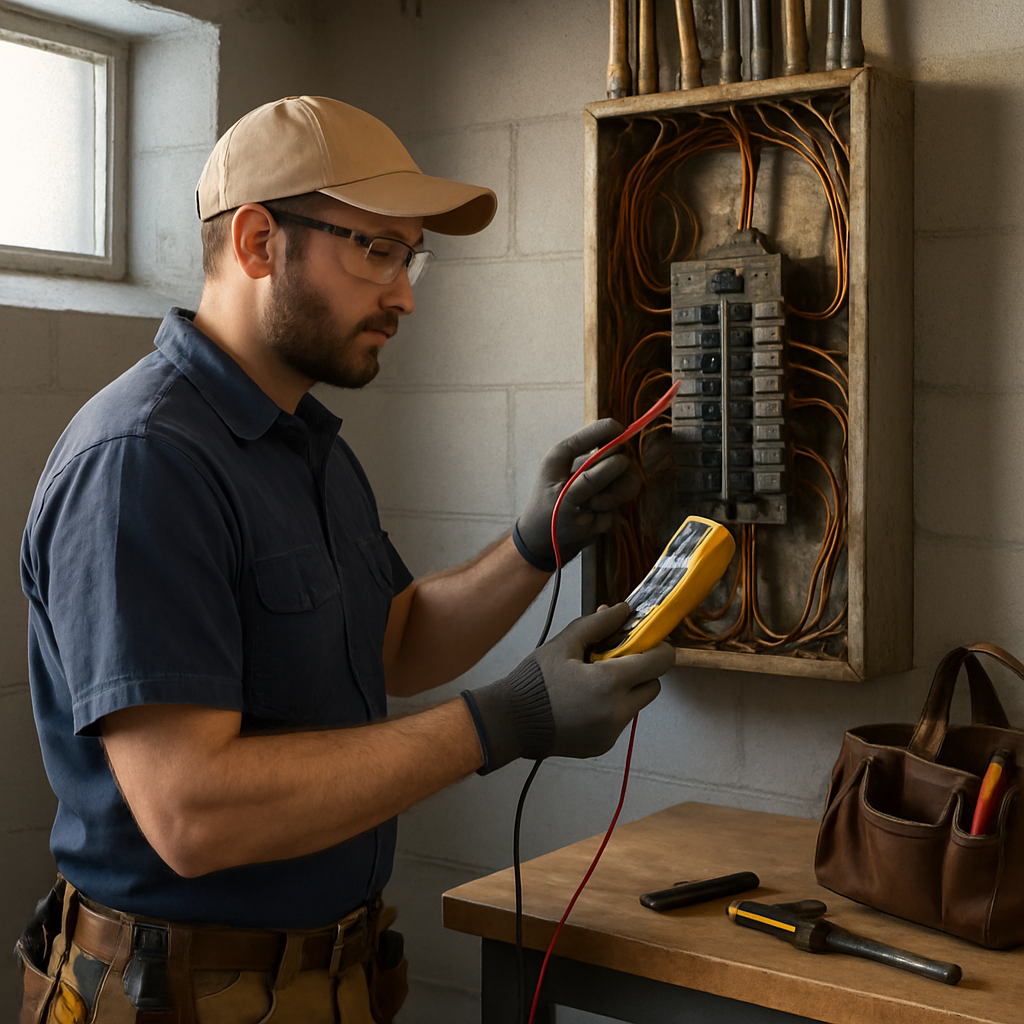
Homes built before 1970 may have knob-and-tube wiring, which runs without a ground wire and can be a problem anywhere insulation has been packed around it. Some homes from the late 1960s and into the 1970s were wired with aluminum instead of copper. Aluminum wiring is not automatically dangerous, but it requires specific outlets, switches, and connections rated for aluminum use. If those parts have been swapped out over the years with standard copper-rated components, it creates a connection that can overheat.
DIY Electrical Work Without Permits
It is common in older homes to find electrical work that was done without a permit. This might look fine on the surface, but unpermitted work does not go through inspection, so there is no way to know if it was done correctly until something goes wrong. In Lowell, electrical work that requires a permit is subject to local inspection through the town's building department. If you are buying a home or planning renovations, having a licensed electrician look at existing unpermitted work is a practical step before moving forward.
When Lowell Homeowners Need a Panel Upgrade
Panel upgrades come up often in this area because so many homes were built before modern electrical loads were even a consideration. A 100-amp panel was once considered more than enough for a household. Today, homes with electric ranges, EV chargers, heat pumps, and home offices routinely need 200-amp service or more.
Signs that a panel upgrade may be needed include running out of breaker slots, lights dimming when large appliances start, or a home inspector flagging the panel during a sale. Upgrading the panel is also often a prerequisite before adding circuits for a basement finish, a home addition, or a new HVAC system.
The process often involves coordination with NIPSCO, which serves Lowell, to upgrade the service entrance as well. It requires permits, inspection, and a licensed electrician who can work with the utility's requirements.
Electrical Upgrades Lowell Homeowners Are Requesting
Beyond repairs and panel work, there are a few specific upgrades that come up regularly for homeowners in this area.
EV Charging at Home
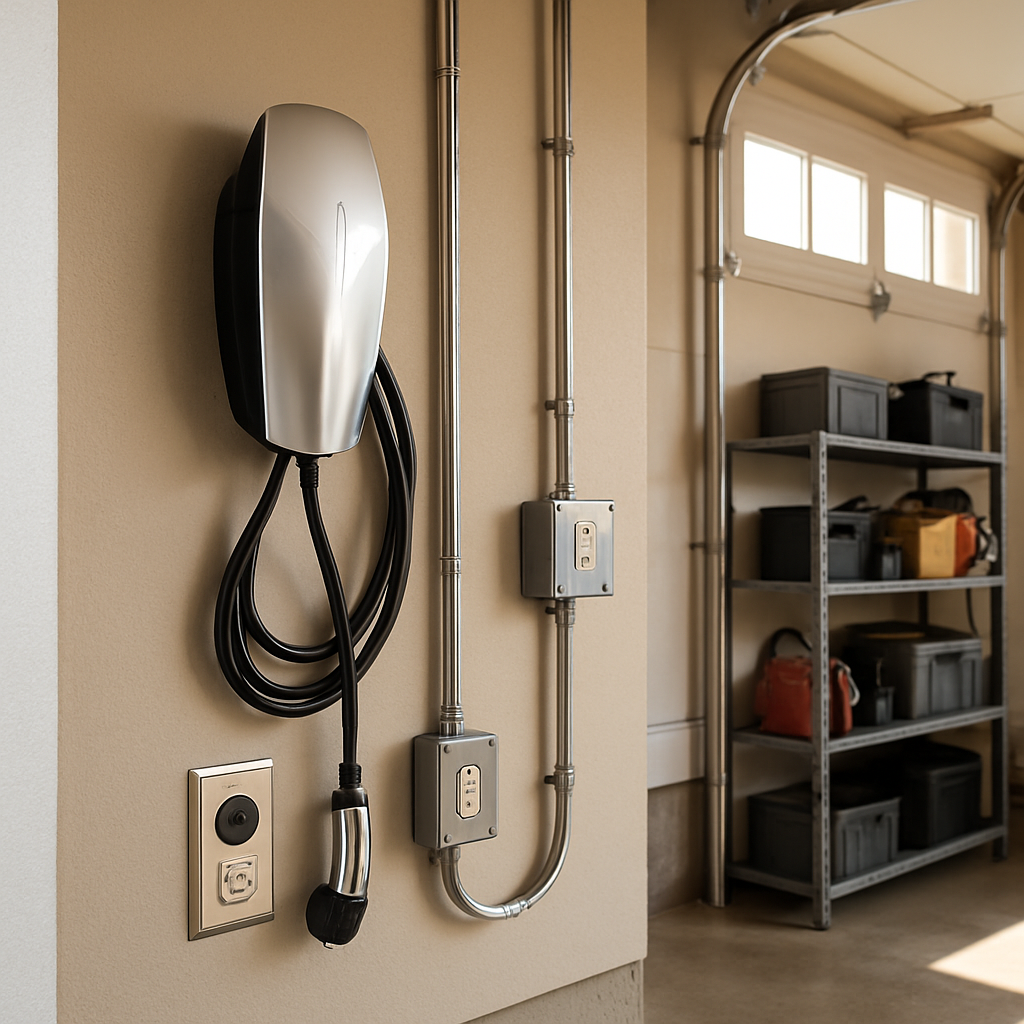
Electric vehicles are becoming more common, and charging at home is more practical than relying on public stations. A Level 2 home charger requires a dedicated 240-volt circuit, which most garages in Lowell do not already have. A licensed electrician can run the circuit, install the outlet or hardwired charger, and make sure it is permitted and inspected.
Whole-Home Surge Protection
Lake County sees its share of summer storms, and power surges from lightning strikes or utility switching can damage electronics, appliances, and HVAC systems. A whole-home surge protector installs at the panel and provides protection beyond what individual power strips can offer. It is a relatively simple add-on for an electrician working on your panel or doing other work in the home.
Generator Connections
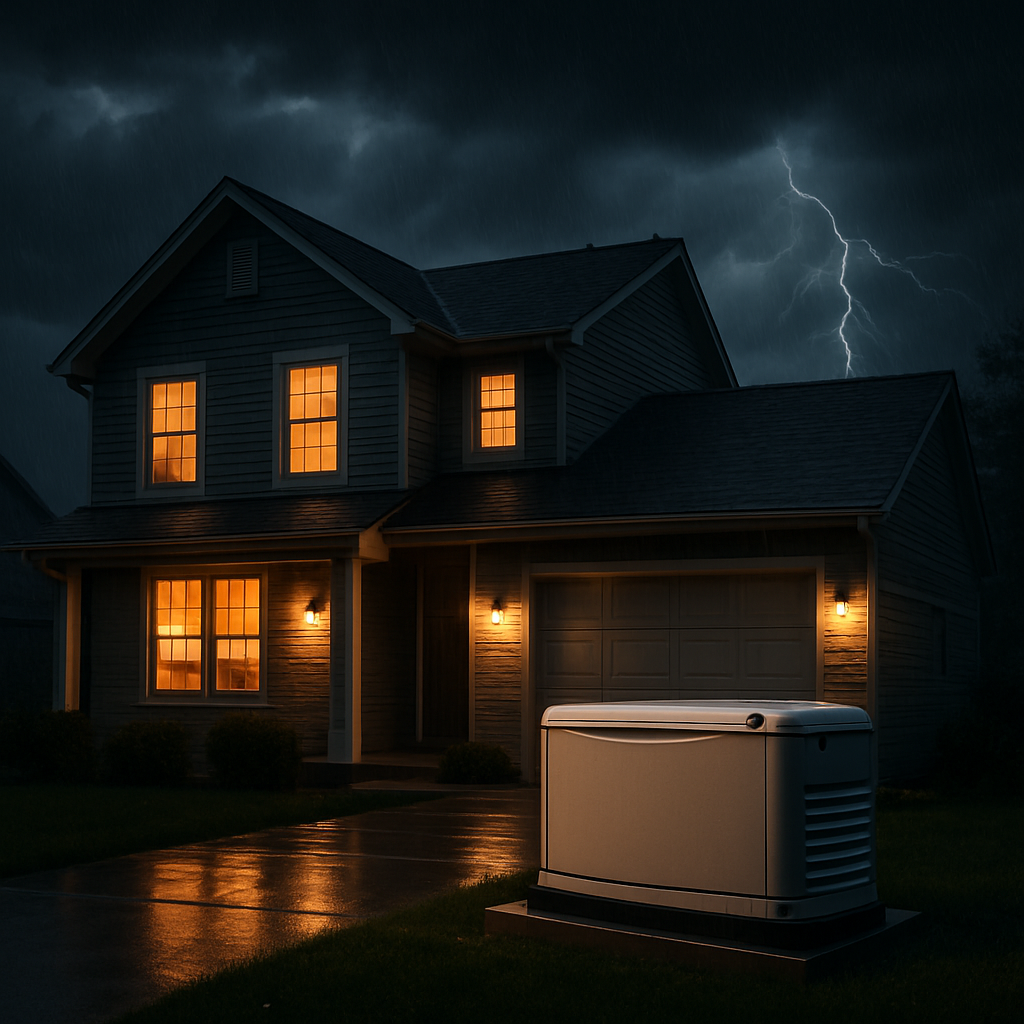
Homeowners who have dealt with outages from ice storms or severe weather sometimes want a more reliable backup power option. Connecting a portable or standby generator to your home requires a transfer switch or interlock kit installed at the panel. This prevents the generator from feeding power back into the utility lines, which is a safety requirement and a code issue.
Basement and Addition Wiring
Lowell homeowners who are finishing a basement or building an addition need electrical circuits run for outlets, lighting, and any dedicated appliances. This work requires permits through the local building department, and the electrical portion needs to be inspected before walls are closed in. Planning the electrical layout before drywall goes up is much simpler than adding circuits after the fact.
Permits, Utility Coordination, and Outages
In Lowell, permits are typically required for panel changes, new circuits, service upgrades, rewiring, and other work that goes beyond simple like-for-like replacements. The electrician usually pulls the permit, but some homeowners prefer to start the process early when they are planning a remodel, trying to line up financing, or want confirmation on what the Town of Lowell will require before work begins.
Some projects also require coordination with NIPSCO, especially when the meter, service entrance, or utility connection is involved. That can include service upgrades, disconnects and reconnects, or work tied to a new generator setup or major panel replacement. A licensed electrician can usually handle the coordination, but it can add lead time, so it helps to ask about it up front.
If you are dealing with a full power outage in Lowell, that is usually a utility issue and should be reported to NIPSCO at 1-800-464-7726. If only part of the home has lost power, the issue is more likely inside the house — such as a tripped breaker, a failed outlet, or a wiring problem — and that is where an electrician comes in.
What to Expect When Hiring an Electrician in Lowell
Electrical work in Indiana requires a licensed electrician for anything beyond basic fixture replacements. For work that involves the panel, new circuits, or changes to the service entrance, permits are required. Your electrician pulls the permit, the work gets inspected, and you have documentation that it was done correctly.
When you get quotes, it helps to be specific about what you need. If you know the panel is 100 amps and you want to upgrade to 200, say that. If you need outlets added in a basement, describe the space. The more detail you provide, the more accurate the estimate will be.
Timeline varies depending on the work involved. A simple circuit addition might be done in a few hours. A panel upgrade with coordination from NIPSCO could take a full day or span multiple visits depending on utility scheduling.
Get Matched With a Licensed Electrician in Lowell, IN
Whether you're planning a repair, a panel upgrade, or a larger remodel, My Licensed Contractor can help you get matched with a vetted and licensed electrician who understands Lowell, Lake County, and Indiana electrical requirements. Enter your project details through My Licensed Contractor to get started.
Frequently Asked Questions
How do I know if my electrical panel needs to be replaced in Lowell?
Common signs include breakers that trip often, a panel with fuses instead of breakers, a 100-amp or smaller service in a home with high electrical demand, or a panel that is more than 30 to 40 years old. A licensed electrician can assess whether a replacement makes sense for your Lowell home.
Do I need a permit to add an outlet in Lowell, IN?
In most cases, adding a new outlet requires a permit because it involves adding or extending a circuit. For Lowell homes, your electrician usually handles the permit process, and the work is inspected before it is considered complete.
What kind of electrical projects usually require a permit in Lowell?
Panel upgrades, service changes, rewiring, basement finishes, additions, new circuits, EV charger installs, and most work that changes the electrical system typically require permits in Lowell and Lake County. Your electrician can help confirm what the town requires for your specific project.
Can I install a Level 2 EV charger myself?
Installing a Level 2 charger requires a 240-volt dedicated circuit, which is permitted electrical work in Indiana. A licensed electrician needs to install and inspect the circuit. Some charger manufacturers also require professional installation to maintain the warranty.
What causes outlets to stop working suddenly?
A nearby GFCI outlet that has tripped is a common cause. Check bathrooms, kitchens, and garage outlets for a tripped GFCI and reset it. If that does not restore power, the issue may be a tripped breaker, a loose connection, or a wiring problem that a licensed electrician should diagnose.
How long does a panel upgrade take in Lowell?
The electrical work itself often takes one day, but the full process involves scheduling an inspection and coordinating with NIPSCO if the service entrance needs to be changed. That coordination can add time depending on utility scheduling, so plan for the project to span more than one day in some cases.
Who should I contact for a full power outage in Lowell?
If your entire home or neighborhood is without power, that is usually a utility outage and should be reported to NIPSCO at 1-800-464-7726. If only part of your home is affected, call a licensed electrician because the issue may be inside the house.
Is aluminum wiring a problem in older Lowell homes?
Aluminum wiring itself is not automatically unsafe, but it does require aluminum-rated devices throughout. If standard copper-rated outlets or switches have been installed over the years, those connections need to be corrected. A licensed electrician can inspect and bring aluminum wiring up to current safety standards in Lowell, Lake County, and across Indiana.
What should I ask before hiring an electrician in Lowell?
Ask whether they are familiar with Lowell's permit process, whether they will pull the permit, how they handle NIPSCO coordination when needed, and whether the estimate includes labor, materials, and inspection-related work. Those answers help you compare electricians more confidently.
Can My Licensed Contractor help with both repairs and bigger projects?
Yes. My Licensed Contractor can help homeowners enter project details and get matched with a vetted and licensed electrician for everything from outlet repairs to panel replacements, safety upgrades, and utility-coordinated work in Lowell, IN. Start by submitting your project through My Licensed Contractor.
Nearby Cities in Indiana
Ready to Find a Licensed Contractor?
Connect with pre-screened, licensed contractors in your area.
Submit Your ProjectGet Matched Instantly
Tell us about your project and we'll connect you with licensed, verified contractors in your area.
Submit Your ProjectFind Contractors Near You
Get Matched Instantly
Tell us about your project and we'll connect you with licensed, verified contractors in your area.
Submit Your ProjectFind Contractors Near You