

Electrician Near Me in Franklin, IN: Schedule Safe and Reliable Repairs and Upgrades
Franklin, IN Electrical Repairs: Fixing and Updating Your Home Safely
Key takeaways:
- Many Franklin homes combine original mid‑century wiring, decades of DIY fixes, and isolated upgrades, so systems that “mostly work” often fall short of current safety and capacity standards.
- Licensed electricians handle permits and inspections through Franklin’s building department and can help document upgrades, correct old work, and coordinate with utilities when service changes are needed.
- Homeowners can enter project details through My Licensed Contractor and get matched with vetted, licensed electricians who understand Franklin’s older housing stock.
If you own a home in Franklin, Indiana, chances are your electrical system has a story. Some of it was written by the original builder, some by a previous owner who was handy with a wire nut, and maybe some by a licensed electrician who updated the panel but didn't touch much else. That layered history is what makes electrical work in Franklin different from new construction, and it's what you need to understand before you call anyone out to your house. This guide explains how those layers affect safety and capacity, how permits and inspections work, and how you can connect with vetted electricians by submitting your project through My Licensed Contractor.
Franklin's Electrical History
Most of the residential housing stock in Franklin was built between the 1950s and 1970s. That original wiring is still inside a lot of these homes, even the ones that look updated from the outside. Ongoing revitalization in some of Franklin’s older neighborhoods means many houses are changing hands and getting attention again after years of deferred maintenance. Over the decades, different people made changes at different times, and those changes rarely added up to a clean, code‑compliant system.
Here's what's common in these homes:
- Original wiring from the 1950s through the 1970s, which may include aluminum branch circuit wiring or cloth‑insulated cables that have become brittle over time.
- DIY additions like extra outlets in a garage or a circuit run to a basement workshop, none of which were permitted or inspected.
- Professional upgrades done in isolation, like a panel replacement or a kitchen remodel, that didn't involve touching the rest of the system.
What you see at the panel or in one room doesn't tell you what's happening inside the walls or behind junction box covers throughout the rest of the house. A newer 200‑amp panel can still be feeding old, undersized wiring. A finished basement can hide splices that were never done correctly. An updated kitchen can share circuits with parts of the house that haven't been touched in fifty years.
How Franklin Households Use Power Today
The circuits in a 1960s house were designed for a fraction of the load that a typical household puts on a system today. The gap between original design and current use is exactly where problems develop.
Think about what your home is running now:
- Central HVAC systems or multiple window air conditioning units pulling significant amperage, sometimes on circuits that were never sized for that load.
- Finished basements, bonus rooms above garages, and outdoor living areas with lighting or powered equipment, all added after the original construction.
- Multiple computer setups, home entertainment systems, and the general increase in plug‑in devices that comes with modern life.
Those original circuits were built for a few lights, a television, and a refrigerator. Whether you're buying a home in Franklin, renovating one, or just noticing things that don't seem right, understanding your system is the first step toward addressing it.
Signs Your Electrical System Needs Attention
Most homeowners don't know there's a problem until something goes wrong. But warning signs show up before a breaker trips or something worse happens. If you're in an older Franklin home, these are worth taking seriously.
Breakers That Trip Regularly
A breaker that trips once in a while after you run too many things at the same time is doing its job. A breaker that trips regularly, especially on the same circuit, is telling you that circuit is overloaded. In older homes, this often happens because someone added outlets or appliances to a circuit without adding capacity to support them.
Outlets That Don't Work or Only Work Sometimes
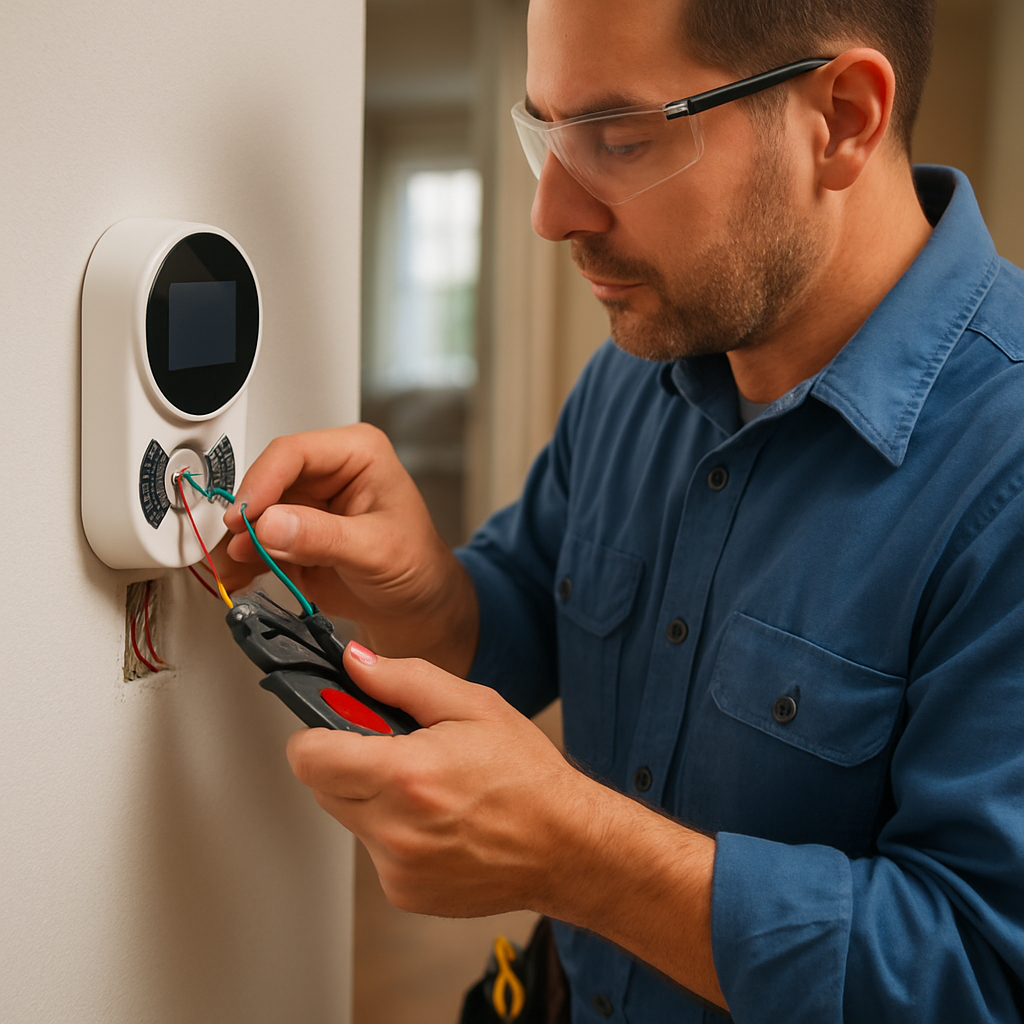
Dead outlets or outlets that feel warm to the touch are signs of wiring problems. In homes where DIY work was done at different times, it's common to find outlets that were wired incorrectly or connected to circuits that have developed faults inside the walls.
Lights That Flicker or Dim
If your lights dim when you turn on a large appliance like a dryer or air conditioner, the circuit is struggling. Flickering lights on their own can mean a loose connection somewhere in the system, which is a fire risk over time.
No GFCI Protection in Wet Areas
Bathrooms, kitchens, garages, and outdoor areas are required to have GFCI (ground fault circuit interrupter) protection. In older homes, it's common to find these areas without it, especially when the wiring hasn't been touched since the house was built. If you push the test button on an outlet near a sink and nothing happens, that outlet isn't providing the protection it should.
A Panel That Looks Crowded or Modified
Double‑tapped breakers, where two wires connect to a single breaker terminal, are a common sign of DIY panel work. So are mismatched breaker brands or breakers that don't fit the panel correctly. These aren't always dangerous on their own, but they're signs that someone made changes without fully understanding what they were doing.
Common Electrical Services for Franklin Homes
Given what's common in Franklin's housing stock, a few services come up more often than others. Here's what a licensed electrician in Franklin, IN is likely to address when working on an older home.
Panel Upgrades and Replacements
Many older homes in Franklin still have 100‑amp panels, which aren't adequate for modern usage. Some have Federal Pacific or Zinsco panels, brands with well‑documented reliability problems where breakers fail to trip under overload conditions. Replacing these with a modern 200‑amp service improves both safety and capacity. A panel upgrade also gives an electrician a clear view of what circuits exist and how they're wired, which often turns up other issues that need to be addressed.
Whole‑Home Wiring Assessment
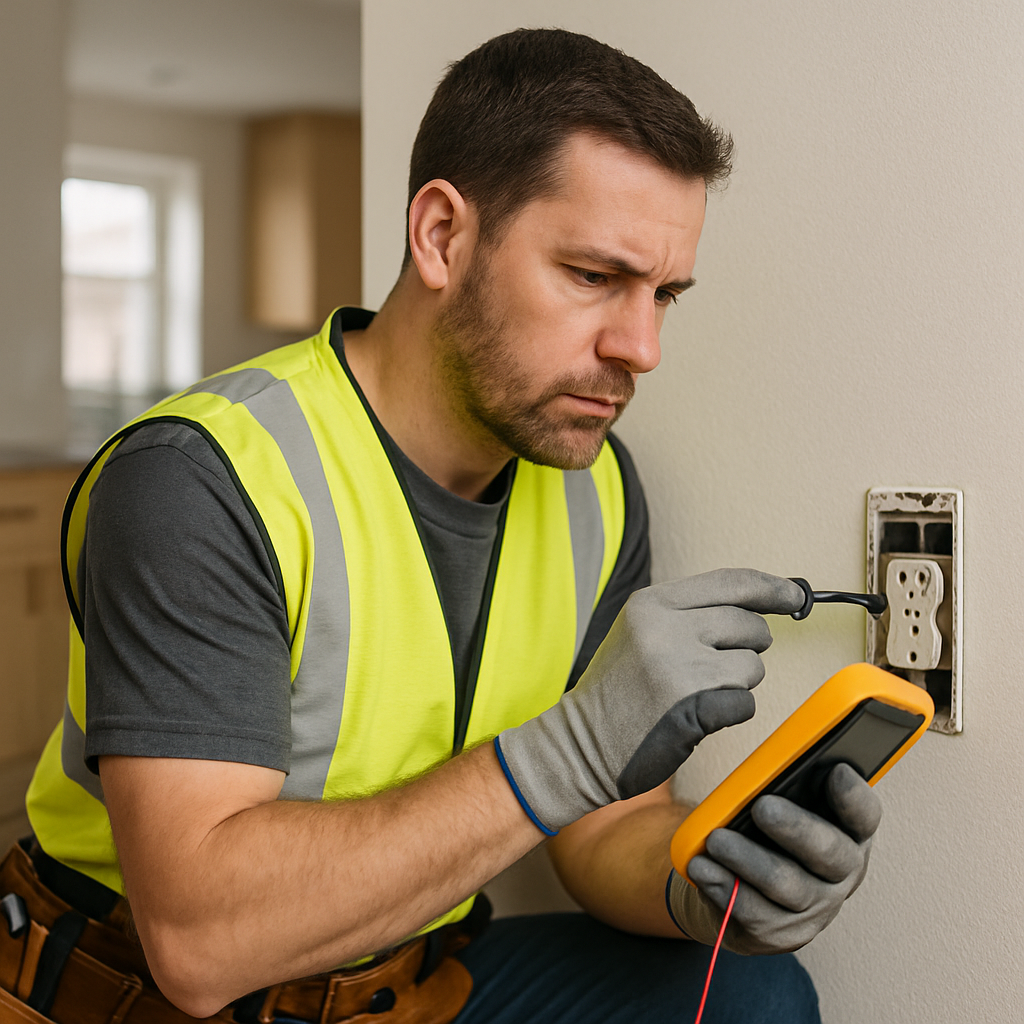
If you've bought an older home in Franklin or you're planning a renovation, a wiring assessment before you start is worth doing. An electrician can trace circuits, test outlets, and identify where the system has been modified over the years. This gives you a clear picture of what you're working with before you start opening walls or pulling permits.
Circuit Additions and Upgrades
Adding a dedicated circuit for a home office or a workshop in the garage is straightforward work when it's done correctly. In older homes, it sometimes means running new wiring through finished walls or updating the panel to accommodate the additional load. Either way, it's work that needs to be permitted and inspected in Franklin.
GFCI and AFCI Upgrades
AFCI (arc fault circuit interrupter) protection is now required in most living areas under current electrical code. Older homes don't have it, and when you renovate or add circuits, bringing those areas up to code is part of the job. GFCI protection in wet areas also often needs to be added when older outlets are replaced or when remodeling work touches those spaces.
Aluminum Wiring Remediation
Homes built in the late 1960s and early 1970s in Franklin may have aluminum branch circuit wiring. Aluminum wiring isn't automatically dangerous, but it requires specific connectors and devices rated for aluminum. Many homes have had standard outlets and switches installed on those circuits over the years, which creates a fire risk at the connection points. An electrician can go through the home and retrofit connections properly or rewire affected circuits.
EV Charger Installation
More Franklin homeowners are adding electric vehicles and looking for home charging solutions. A Level 2 charger requires a dedicated 240‑volt circuit, and in older homes, that often means panel work before the charger can go in. It's a job that needs to be permitted, and the panel has to have capacity to support it. An electrician can evaluate your existing service and plan upgrades if necessary before installing the charger.

Outdoor and Detached Garage Wiring
Detached garages and outbuildings are common in Franklin's older neighborhoods, and many of them have substandard wiring run from the house at some point. Getting a detached structure wired properly means installing a subpanel, running appropriately sized and protected conductors, and making sure the structure has a grounding electrode system of its own. Correcting past DIY runs improves safety and reliability.
Permits, Inspections, and Franklin’s Building Department
Electrical work in Franklin requires permits through the city’s Building Permits and Inspections division for most projects beyond simple like‑for‑like fixture swaps. This includes panel upgrades, new circuits, rewiring in remodels, and running power to outbuildings. Unpermitted electrical work can create problems when you sell the home, may affect insurance coverage for related claims, and leaves you without an inspection that would have caught mistakes.
Homeowners and contractors can learn more about permit requirements and inspection procedures on the city’s website at Franklin Building Permits & Inspections. That page explains how to apply, what information is required, and how inspections are scheduled.
A licensed electrician in Franklin, IN will typically pull the permit, describe the scope of work on the application, coordinate with the building department, and schedule inspections. The permit file creates an official record of what was done and when, and inspections confirm that work meets current electrical code. If someone offers to do electrical work without a permit to save you money, that’s a sign to reconsider hiring them.
Finding a Licensed Electrician in Franklin, IN
When you're hiring for electrical work, the most important thing to verify is that the person is properly licensed to perform electrical work in Indiana. Licensing helps ensure the electrician has the training and credentials to do permitted work that will pass inspection. You can ask for license details and check them before any work begins.
Beyond licensing, you want someone who has experience with older homes. Working in a house that has multiple generations of wiring requires a different approach than new construction. Ask directly whether the electrician has done work on homes from the 1950s through 1970s and what their process is for identifying existing problems before starting the job you're calling about.
Connect with a Licensed Contractor Through My Licensed Contractor
If you're looking for a licensed electrician in Franklin, IN, My Licensed Contractor can connect you with verified, licensed professionals in your area. The platform allows you to enter your project details and get matched with electricians who handle work like panel upgrades, wiring assessments, circuit additions, and EV charger installations.
You can describe your project, get matched with electricians who work in Johnson County and Franklin, and move forward knowing the person showing up at your door has the credentials to do the job legally and correctly. Starting with vetted, licensed contractors helps ensure that permits are pulled, inspections are scheduled, and past DIY history is addressed safely.
If you are planning electrical repairs or upgrades in Franklin, hiring a qualified electrician who understands local permitting and inspection requirements is important. You can submit your project through My Licensed Contractor to get matched with vetted pros and move ahead with confidence.
Frequently Asked Questions
How do I know if my Franklin home has aluminum wiring?
You can sometimes see aluminum wiring at the panel, where the conductors appear silver rather than copper. Homes built between roughly 1965 and 1973 are the most likely candidates. The safest way to confirm is to have an electrician inspect the panel and accessible junctions during an assessment.
Do I need a permit to replace outlets or switches?
Simple one‑for‑one replacements of existing outlets and switches generally do not require a permit. Work that adds new circuits, changes the panel, extends wiring to new locations, or is part of a larger remodel typically does. When in doubt, check with the Franklin Building Permits & Inspections office or ask your electrician before work begins.
Why are GFCI and AFCI devices important in older Franklin homes?
GFCI (ground fault circuit interrupter) protection reduces shock risk in wet and damp locations such as bathrooms, kitchens, garages, and exterior outlets. AFCI (arc fault circuit interrupter) protection reduces fire risk by detecting arcing in wiring, which can occur in aging or damaged circuits. Older homes often lack both, so adding GFCI and AFCI protection during upgrades significantly improves safety.
How long does a panel upgrade usually take?
Most residential panel upgrades take between four and eight hours for the work itself, though the timeline can vary depending on conditions and inspection scheduling. Power is shut off while the old panel is removed and the new one is installed and wired. After the work is complete, an inspection is performed, and power is restored once everything passes.
Can I add a Level 2 EV charger to my existing panel?
A Level 2 EV charger typically needs a dedicated 240‑volt circuit, often 40–50 amps. Whether your existing panel can support it depends on your current service size and load. In some Franklin homes, the charger can be added to an existing 200‑amp service; in others, upgrading from 100‑amp service may be necessary. An electrician can perform a load calculation and recommend the right approach.
What should I do if I buy an older home in Franklin and I'm unsure about the wiring?
Schedule a whole‑home wiring assessment before you begin renovations or move large loads onto the system. An electrician can identify original wiring types, DIY modifications, and areas where circuits are overloaded or lack proper protection. Having that information early helps you plan necessary corrections and avoids unpleasant surprises mid‑project.
How does the permit and inspection process work for electrical projects?
For permitted electrical projects, your electrician submits a permit application to Franklin’s Building Permits & Inspections division, describing the work and providing license information. Once approved, work proceeds, and inspections are scheduled at appropriate points or after completion. Inspectors verify that installations meet code, and when everything passes, the permit is closed. This process creates an official record of the work.
Why is unpermitted electrical work a problem?
Unpermitted electrical work bypasses inspection, which increases the chance that mistakes, unsafe connections, or code violations will go unnoticed. It can complicate real estate transactions, lead to issues during home inspections, and may affect how insurance providers view claims related to electrical incidents. Permitted, inspected work provides documented reassurance that upgrades were done correctly.
Can I do electrical work myself in my Franklin home?
Indiana allows homeowners to perform certain electrical tasks on their own primary residence, but permit and inspection requirements still apply for many types of work. DIY electrical projects can be risky if you are not familiar with code and best practices. For work beyond basic repairs, hiring a licensed electrician is generally safer and more straightforward.
What information should I include when I submit my project through My Licensed Contractor?
When you use My Licensed Contractor, include your home’s age, any known electrical history (panel changes, remodels, DIY work), symptoms you’ve noticed (tripping breakers, flickering lights, warm outlets), and upgrades you’re planning (panel replacement, EV charger, remodel). Clear details help match you with electricians who regularly work on older Franklin homes and understand how to address layered electrical histories.
Nearby Cities in Indiana
Ready to Find a Licensed Contractor?
Connect with pre-screened, licensed contractors in your area.
Submit Your ProjectGet Matched Instantly
Tell us about your project and we'll connect you with licensed, verified contractors in your area.
Submit Your ProjectFind Contractors Near You
Get Matched Instantly
Tell us about your project and we'll connect you with licensed, verified contractors in your area.
Submit Your ProjectFind Contractors Near You