

Find a Licensed Electrician for Lawrence, IN Electrical Work
Find a Licensed Electrician for Lawrence, IN Electrical Work
Key takeaways
- Small issues like flickering lights, warm outlets, or frequent breaker trips can point to bigger electrical problems in Lawrence homes.
- Many electrical repairs and upgrades in Lawrence, IN require permits, inspections, and sometimes coordination with AES Indiana.
- My Licensed Contractor helps homeowners submit project details and get matched with a vetted, licensed electrician through My Licensed Contractor.
Electrical problems can affect more than just the lights. A faulty circuit or outdated panel can become a safety hazard, make your home less comfortable to live in, and reduce its value when it comes time to sell. Whether you are dealing with a tripping breaker or planning a full panel upgrade, it helps to understand what is involved before the work starts.
In Lawrence, larger electrical projects often come with extra steps. You may need to pull permits, schedule inspections through the City of Lawrence or Marion County, and coordinate with AES Indiana depending on the work involved. Knowing this upfront can save you time and help you avoid surprises.
This page is meant to help you plan repairs and upgrades with a clearer picture of what to expect. You can also use it alongside My Licensed Contractor, where homeowners can enter project details and get matched with a vetted and licensed electrician through My Licensed Contractor.
Common Electrical Problems Homeowners Run Into
AES Indiana — Customer Service: 317-261-8111 for outages.
Some electrical problems are obvious right away. Others are easy to overlook until something goes wrong. Below are some of the most common issues Lawrence homeowners deal with, along with what they might actually mean for your system.
Outlets, Lights, and Breakers
Dead outlets are one of the more frequent complaints. Sometimes the cause is a tripped GFCI outlet somewhere else in the home, but other times it points to a wiring issue or a problem at the circuit level. Flickering lights can be caused by a loose connection, but when multiple lights flicker at the same time or lights dim when you run an appliance, that often means the circuit is overloaded or there is a problem with the main panel. Breakers that trip repeatedly are another sign worth paying attention to, since a breaker that keeps tripping is usually telling you that a circuit is drawing more power than it can handle.
Warning Signs You Should Not Ignore
Some symptoms are more urgent than others. A buzzing sound coming from your panel or a switch plate that feels warm to the touch are both signs that something is wrong with the wiring or connections behind the wall. A burning smell near an outlet or panel is a situation where you should stop using that circuit and call an electrician right away. These are not cosmetic issues, and waiting to address them can create a fire risk.
When the Fixture Is Not the Problem
It is easy to assume that a dead outlet or a flickering light just means the fixture itself needs to be replaced. In many cases, though, the fixture is working fine and the problem is somewhere upstream in the wiring, circuit, or panel. This is especially true in older Lawrence homes where the wiring may be aging or where the electrical system was never updated to match the power demands of modern appliances and electronics.
Outdated Systems and Unsafe DIY Work
Lawrence has a mix of housing stock, with many neighborhoods containing homes built in the 1950s, 1960s, and 1970s. Electrical systems from that era were not designed for the way people use electricity today, and they come with specific issues worth knowing about.
Older Panels and Fuse Boxes
Some older homes in Lawrence still have fuse boxes rather than modern breaker panels. Fuse boxes are not inherently dangerous, but they are often undersized for current electrical loads and can be difficult to work with. Breaker panels from the 1970s and 1980s, including some brands that have been flagged for reliability issues, may also be reaching the end of their usable life. If your panel is more than 30 to 40 years old, it is worth having a licensed electrician evaluate it.
Missing Grounding and Aluminum Wiring
Homes built before the mid-1960s often have two-prong outlets with no grounding. This is a safety concern and also a practical issue if you need to plug in three-prong devices. Aluminum wiring, which was common in homes built between the mid-1960s and early 1970s, is another issue to be aware of. Aluminum wiring is not automatically a problem, but it requires the right connectors and devices to work safely, and not all homes with aluminum wiring have been updated properly.
The Risk of DIY Electrical Work
DIY electrical work is legal for homeowners in many situations, but it carries real risks without the right knowledge. Unsafe wire splices, connections that are not properly secured inside junction boxes, and overloaded circuits can all result from repairs done without electrical training. These problems are not always visible from the outside, which makes them harder to catch later. If a home inspection or insurance review uncovers unpermitted or improperly done electrical work, it can create problems when you go to sell the home.
Permits and Inspections in Lawrence
Official City Website: https://www.cityoflawrence.org
Building Department / Permitting Office: 317-545-8787
Lawrence also offers an online electrical permit portal: electrical permit portal.
One of the questions homeowners ask most often is whether a given electrical project requires a permit. The answer depends on the type of work, but for most projects beyond simple repairs, the answer is yes. Here is what the process looks like in Lawrence.
What Requires a Permit
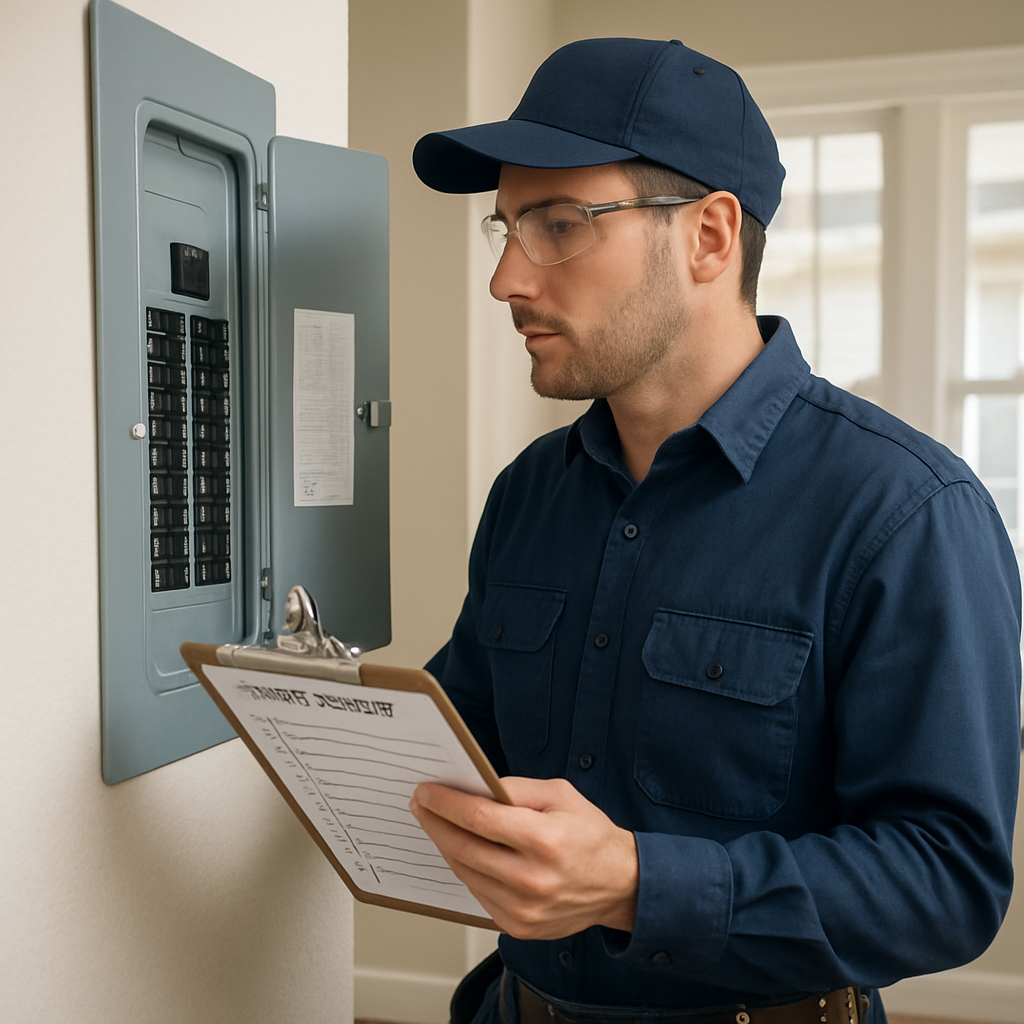
In Lawrence and throughout Marion County, projects like panel replacements, service upgrades, new circuit installations, and rewiring generally require a permit. EV charger installation and electrical work done during a room addition or renovation also typically require permits. Pulling a permit is not just a formality. It means the work will be inspected, which is a layer of protection for you as a homeowner.
When the Homeowner Might Pull It First
Some homeowners prefer to get the permit first when they want to understand the scope of the project before hiring, or when they are planning a larger renovation and want to line up the paperwork early. That can also make sense if you are coordinating multiple trades and want to make sure the electrical work fits the overall project timeline. In Lawrence, IN, this can be especially helpful for remodels, additions, and projects that may affect the home’s service capacity.
When the Contractor Usually Pulls It
For contractor-led projects, the electrician usually pulls the permit because they know the code requirements, the inspection process, and the technical details of the work. This is often the smoother route for panel upgrades, rewiring, and EV charger installs in Lawrence, Marion County, and across Indiana. Before the job starts, ask the contractor directly who is responsible for the permit so there are no delays once the work begins.
How the Process Works
Permits for electrical work in Lawrence are usually handled through the appropriate local or county building department. Your electrician will typically pull the permit on your behalf. After the work is done, an inspection is scheduled to verify that everything meets code. Ask your contractor to confirm which permits are needed before the project starts so there are no delays once work is underway.
Utility Coordination
Some projects, particularly service upgrades, require coordination with AES Indiana. The utility company is responsible for the service line running to your home, and any work that involves changing the service entrance or meter may need their involvement. Your electrician should be able to handle this coordination, but it is good to know that this step exists and can add some lead time to the project.
Panel Upgrades and Service Upgrades
A panel upgrade is one of the more common larger electrical projects in Lawrence, particularly in older neighborhoods where the original panel was sized for a much smaller electrical load than most households use today.
Why Panels Get Upgraded
The most common reasons to upgrade a panel are adding capacity for new appliances, an EV charger, or a home addition. Panels are also upgraded when the existing panel is damaged, full with no room for new circuits, or flagged during a home inspection. A standard upgrade moves from a 100-amp panel to a 200-amp panel, though some homes with high electrical demand may go higher.
What to Expect During the Project
A panel upgrade usually takes a full day. The power to the home will be turned off while the old panel is removed and the new one is installed. If a service upgrade is included, AES Indiana will need to disconnect and reconnect the service, which means coordinating the scheduling. After installation, the work needs to pass an inspection before the panel can be put back into service.
Cost Factors
Panel upgrade costs in Indiana typically fall in the range of $1,500 to $4,000, though the total depends on the size of the new panel, whether a service upgrade is needed, and the condition of the existing wiring. Getting quotes from more than one licensed electrician in Lawrence is a practical way to understand what the project will cost for your specific situation.
Whole-Home Rewiring
Full rewiring is a bigger undertaking, but it is sometimes the right answer for homes where the wiring is aging, damaged, or not suited to the demands of modern use.
When Rewiring Makes Sense
Homes in Lawrence that were built in the 1950s and 1960s may still have original wiring, which is now 60 to 70 years old. If that wiring is showing signs of wear, if the insulation is brittle, or if the home has experienced repeated electrical problems, rewiring can address all of those issues at once. It is also sometimes done alongside a renovation when walls are already open, since that reduces the labor involved.
What the Process Involves
Rewiring a home means replacing the existing wiring throughout the house with new wire that meets current code. Depending on the method used, it may or may not require opening walls. Some electricians use techniques that allow wiring to be run with minimal wall damage, which is useful in finished spaces. The project will require a permit and inspection, and the timeline can range from a few days to a couple of weeks depending on the size of the home.
EV Charging Installation
Electric vehicle ownership in Indiana has been growing, and more Lawrence homeowners are looking to add home charging capability. A dedicated home charger is faster and more convenient than using a standard outlet.
Level 1 vs. Level 2 Charging
Level 1 charging uses a standard 120-volt outlet and does not require any new electrical work, but it is slow, typically adding only 3 to 5 miles of range per hour. Level 2 charging uses a 240-volt circuit and can add 20 to 30 miles of range per hour, which is enough for most daily driving needs. Most homeowners who plan to charge at home regularly choose Level 2.
What the Installation Requires
Installing a Level 2 charger means running a dedicated 240-volt circuit from your panel to the garage or wherever you plan to park. If your panel does not have room for an additional circuit, you may need a panel upgrade at the same time. The installation requires a permit in Lawrence, and the charger itself needs to be a listed device installed according to manufacturer specifications.
Indiana Incentives
Indiana residents may be eligible for federal tax credits related to EV charging equipment through the Alternative Fuel Vehicle Refueling Property Credit. The credit can apply to the cost of the equipment and installation. AES Indiana may also offer programs or rebates, so it is worth checking current offerings before you schedule the work.
Generator Installation
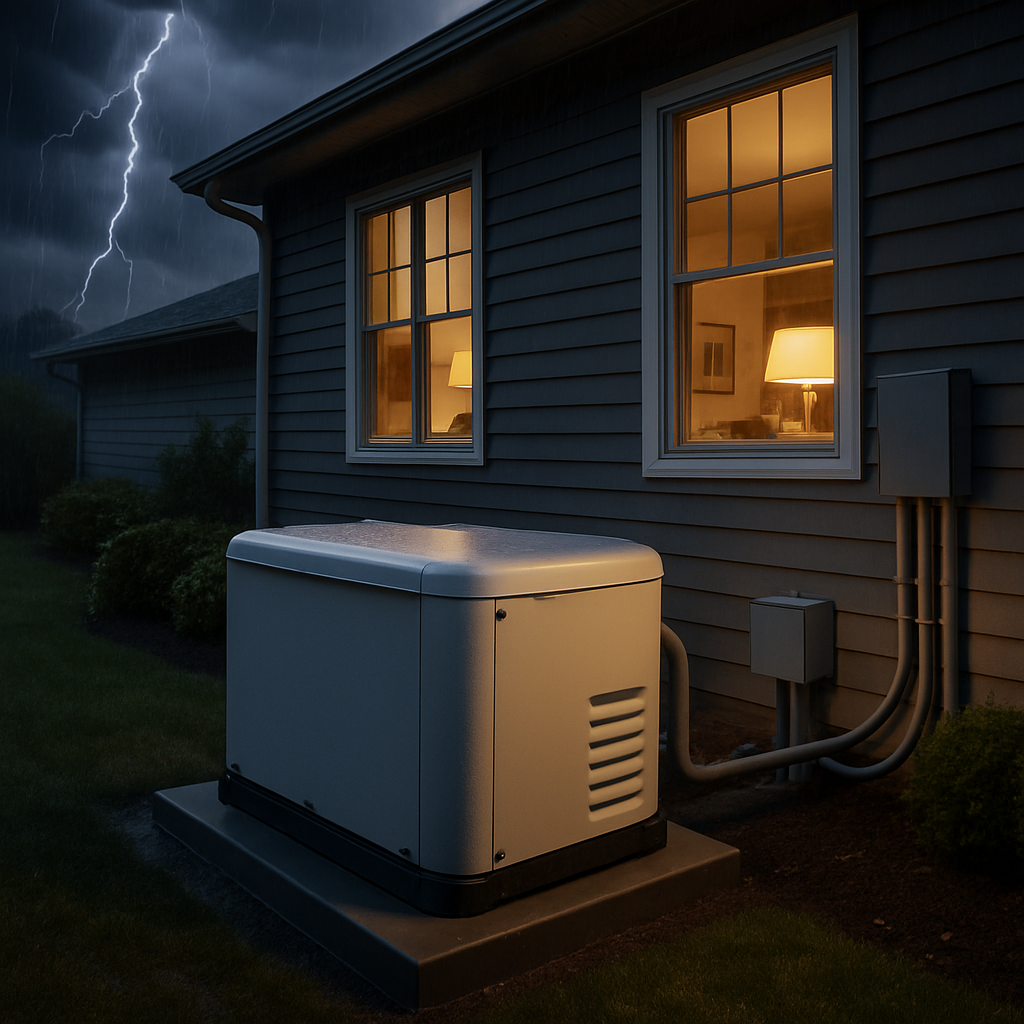
Power outages in Indiana can happen during summer storms and winter weather events. A backup generator is one way to keep your home functional when the grid goes down.
Portable vs. Standby Generators
Portable generators are less expensive and can power a few circuits or appliances, but they require manual setup and need to be run outside to avoid carbon monoxide risk. Standby generators are permanently installed, connected to a natural gas or propane supply, and turn on automatically when the power goes out. They can power the whole home or at least the essential circuits, depending on the size.
What the Installation Involves
A standby generator installation involves placing the unit outside the home, connecting it to the fuel supply, and installing a transfer switch at the panel. The transfer switch allows the generator to power your home circuits without backfeeding into the utility lines, which is a safety requirement. This is a project that requires a permit and should be done by a licensed electrician.
Outdoor and Specialty Electrical Work
Electrical work is not limited to what is inside the walls. Many Lawrence homeowners also need electrical work done outside the home or in specific areas like garages and workshops. The sections below cover the most common requests.
Outdoor Outlets and Lighting
Adding outdoor outlets or upgrading outdoor lighting requires weatherproof fixtures and covers rated for exterior use. Outdoor circuits also need GFCI protection. If you are adding a new outdoor circuit rather than replacing an existing one, a permit will likely be required.
Garage and Workshop Circuits
Garages that were wired decades ago often have minimal electrical capacity. If you run power tools or plan to add an EV charger in the garage, you may need additional circuits. A subpanel in the garage is sometimes the most practical solution if you need multiple new circuits in that space.
Smoke and Carbon Monoxide Detectors
Indiana law requires smoke detectors in residential buildings, and carbon monoxide detectors are also required in homes with fuel-burning appliances or attached garages. Hardwired detectors that are interconnected so that all alarms sound when one detects smoke or CO are a more reliable setup than battery-only units. An electrician can install hardwired detectors and interconnect them during a larger electrical project.
Hiring a Licensed Electrician in Lawrence
Choosing the right electrician for your project takes a little more than picking the first name that comes up in a search. Here is what to look for when you are evaluating your options.
Licensing and Insurance
In Indiana, electricians are licensed at the state level. A licensed electrician in Lawrence should be able to provide proof of their license and carry general liability insurance as well as workers' compensation coverage. Asking for these documents before work starts is reasonable, and any reputable contractor will be comfortable providing them.
Getting Multiple Quotes
For projects that involve significant work, getting quotes from two or three contractors gives you a better sense of what the project should cost and lets you compare what each contractor is including. Be specific about what you want done so that the quotes are based on the same scope of work and are easy to compare.
Asking the Right Questions
When you talk to a prospective electrician, ask whether the project requires a permit and whether they will pull it. Ask how long the project is expected to take and whether there will be any power outages during the work. Ask whether they are familiar with the type of wiring or panel in your home. The answers will tell you a lot about how organized and experienced the contractor is.
Find a Licensed Electrician Through My Licensed Contractor
If you are ready to move forward with electrical work in Lawrence and want to connect with a licensed professional, My Licensed Contractor is a contractor matching service that can help you find a qualified electrician in your area.
Rather than searching through listings and trying to verify credentials on your own, you can use the service to get matched with licensed electricians in Lawrence who are vetted and available for your type of project. Whether you need a panel upgrade, EV charger installation, or a full rewiring, My Licensed Contractor can point you toward someone with the right qualifications for the job through My Licensed Contractor.
Frequently Asked Questions
Do I need a permit for electrical work in Lawrence, IN?
Most electrical projects beyond simple repairs or fixture replacements require a permit in Lawrence, Marion County, or both depending on the scope. This includes panel upgrades, new circuit installation, rewiring, and EV charger installation. Your electrician should be able to confirm which permits apply to your project and pull them on your behalf.
How do I know if my electrical panel needs to be replaced?
Signs that a panel may need replacement include breakers that trip frequently, a panel that is full with no space for new circuits, a panel that is more than 30 to 40 years old, or a panel brand that has known reliability issues. If you are not sure, a licensed electrician in Lawrence can evaluate your panel and give you a straightforward answer.
Is aluminum wiring a problem in older Lawrence homes?
Aluminum wiring is not automatically a disqualifying issue, but it does require specific devices and connectors rated for use with aluminum. Homes in Lawrence, IN that still have aluminum wiring and have not been updated with the proper connections may have a safety concern. A licensed electrician can inspect the connections and make any needed corrections.
What is the difference between a panel upgrade and a service upgrade?
A panel upgrade replaces the breaker panel inside your home with a new, higher-capacity panel. A service upgrade increases the total amperage coming into your home from the utility line and usually involves changing the meter base and service entrance as well as the panel. Service upgrades in Lawrence, Indiana require coordination with AES Indiana in addition to the permit and inspection process.
Can I install my own EV charger in Indiana?
Homeowners in Indiana can technically do their own electrical work, but EV charger installation involves a 240-volt circuit and usually requires a permit in Lawrence. If the work is not done correctly, it can create a safety issue and may not pass inspection. Most homeowners choose to hire a licensed electrician for this project to make sure it is done right and passes inspection the first time.
How long does a panel upgrade take?
A panel upgrade typically takes one full day. If a service upgrade is also needed and requires AES Indiana to disconnect and reconnect the service, there may be some additional coordination time that affects the schedule. Your electrician should give you a timeline estimate when they provide the quote.
What should I do if I smell burning near an outlet or panel?
Stop using that outlet or circuit immediately and avoid resetting any tripped breaker in that area. If the smell is coming from the panel or is strong, leave the home and call an electrician as soon as possible. A burning smell near electrical components is a sign of a problem that should not wait.
What electrical upgrades help improve home value in Lawrence?
Panel upgrades, safer wiring, added kitchen or garage circuits, modern lighting, and permitted EV charger installs can all make a Lawrence home more attractive to buyers. Documentation matters too, because permitted work is easier to explain during resale.
How can I compare quotes from electricians?
Compare the scope of work, materials, permit handling, inspection coordination, warranty terms, and timeline. In Lawrence and throughout Indiana, the lowest quote is not always the best one if it leaves out code-related work or utility coordination.
Why should I hire a licensed electrician instead of doing it myself?
A licensed electrician understands code requirements, safety risks, and the permit process in Lawrence, Marion County, and Indiana. DIY work can create hidden hazards, and mistakes may show up later during an inspection, insurance claim, or home sale.
Nearby Cities in Indiana
Ready to Find a Licensed Contractor?
Connect with pre-screened, licensed contractors in your area.
Submit Your ProjectGet Matched Instantly
Tell us about your project and we'll connect you with licensed, verified contractors in your area.
Submit Your ProjectFind Contractors Near You
Get Matched Instantly
Tell us about your project and we'll connect you with licensed, verified contractors in your area.
Submit Your ProjectFind Contractors Near You