

How to Plan Electrical Work in Lake Station, IN
How to Plan Electrical Work in Lake Station, IN
Key takeaways
- Small electrical issues can be signs of larger problems, especially in older homes with outdated panels or wiring.
- Many electrical upgrades in Lake Station may require a permit, and the contractor or homeowner may handle it depending on the project.
- My Licensed Contractor helps homeowners submit project details and get matched with a vetted, licensed electrician.
Electrical problems in your home can affect more than just the lights. They can create safety risks, make daily routines harder, and reduce your home's value when it comes time to sell. Whether you're dealing with a tripping breaker or thinking about a bigger upgrade, having a clear plan before you call anyone saves time and money.
This page is a guide to understanding what common electrical repairs look like, when a small fix might point to a larger problem, and what upgrades make sense for homes in Lake Station. If you're ready to move forward, My Licensed Contractor lets you enter your project details and get matched with a vetted and licensed electrician through My Licensed Contractor.
Common Electrical Problems Homeowners Run Into
Most homeowners in Lake Station deal with at least a few recurring electrical issues, especially in older homes. Knowing what these problems look like helps you decide how quickly to act.
Northern Indiana Public Service Company (NIPSCO) — Customer Service: 1-800-464-7726. For electric emergencies or outages, call 1-800-464-7726, available 24/7.
Common Repairs
These are the issues that come up most often in residential electrical work:
- Outlets that don't work or have stopped delivering power.
- Circuit breakers that trip repeatedly under normal use.
- Flickering lights, especially when other appliances are running.
- Switches that feel loose, don't click properly, or don't respond.
- GFCI outlets that won't reset or trip too frequently.
Each of these can have a straightforward fix, but they can also be symptoms of something deeper in the wiring or panel.
Signs of Hidden Problems
Some electrical issues don't show up as obvious failures. They show up as small, easy-to-ignore warning signs. Pay attention to these:
- Outlets or switch plates that feel warm to the touch.
- A burning smell near outlets, panels, or fixtures.
- Buzzing or humming sounds coming from walls or the breaker box.
- Breakers that need to be reset more than once.
- Lights that dim when the refrigerator, air conditioner, or another large appliance starts.
These signs often point to an overloaded circuit, wiring that's deteriorating, or a panel that can't handle the electrical demand of the home. If you notice any of them, get an inspection scheduled rather than waiting to see if the problem goes away on its own.
When Repairs Turn Into Upgrades
Sometimes what starts as a simple repair reveals a bigger issue. Understanding the difference between a minor fix and a system-level problem helps you budget and plan properly.
When a Small Fix Isn't Enough
If a breaker trips once after you plug in too many things, that's a minor inconvenience. But if the same breaker trips regularly under normal loads, that's a sign the circuit is overloaded or the breaker itself is failing. Replacing the breaker might solve it, but if the circuit is already pulling too much demand, adding a dedicated circuit is the right move.
The same logic applies to outlets. Replacing a dead outlet is straightforward, but if multiple outlets on the same wall have gone dead, the problem likely goes back to the wiring or the panel.
Outdated Systems and Unsafe DIY Work
Lake Station has a significant number of homes built in the 1950s, 1960s, and 1970s. Homes from that era often have electrical systems that weren't designed for modern usage. A few things to know about older systems:
- Old panels: Fuse boxes and older breaker panels from that period often can't support today's electrical loads. Some brands of panels from the 1960s and 1970s have known reliability issues.
- Aluminum wiring was used in many homes built between roughly 1965 and 1973. It requires specific outlets and connection methods to be safe, and improper connections can become fire hazards over time.
- Improper wire splices, which are connections made inside walls without a junction box, are a common problem in homes where previous owners did their own electrical work.
If you bought an older home in Lake Station and you're not sure about its electrical history, a full inspection is worth doing before you invest in any upgrades.
Common Upgrade Projects
Once you know what you're working with, these are the upgrades that come up most often for homeowners here:
- Panel upgrades to 200-amp service, which is standard for most modern homes.
- Dedicated circuits for high-draw appliances like dryers, refrigerators, and window AC units.
- Lighting improvements, including replacing older fixture wiring and adding recessed lights.
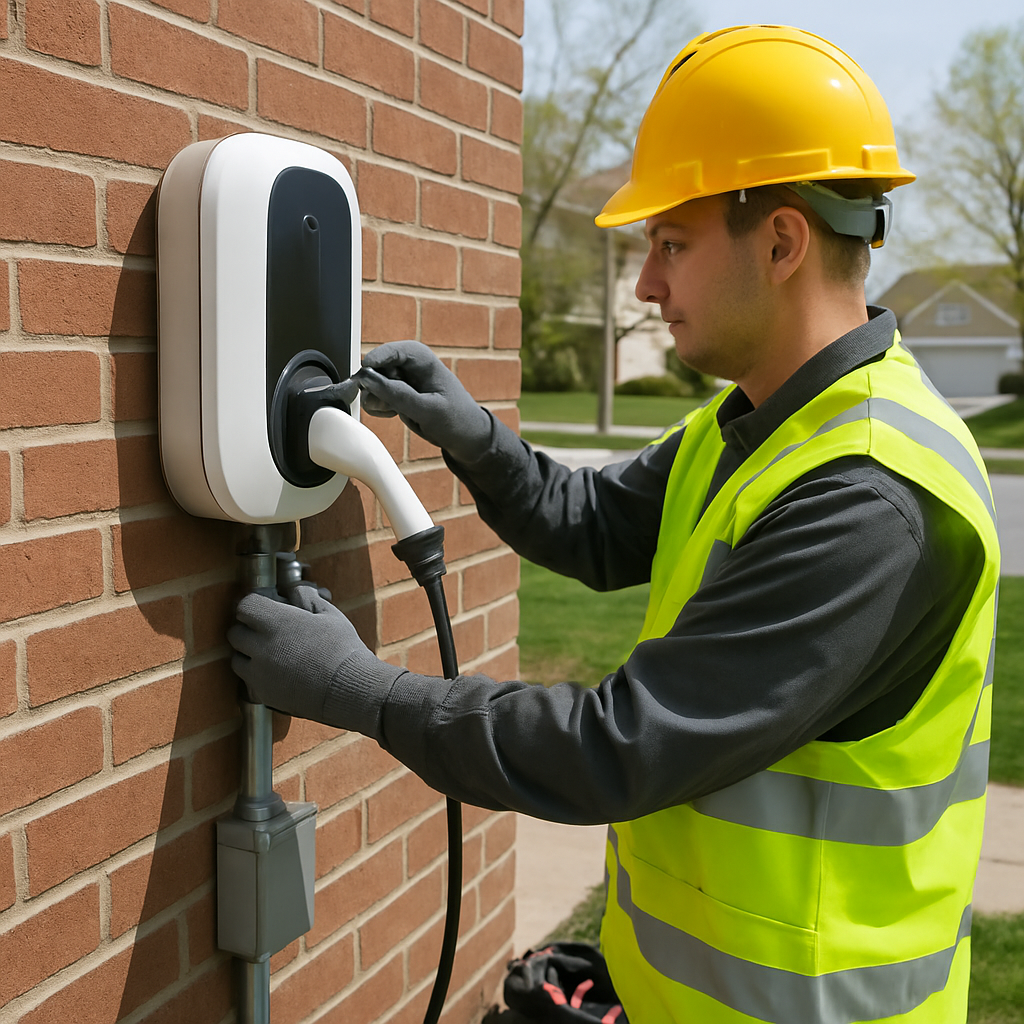
- EV charging station installation in the garage.
- Smart home wiring for thermostats, switches, and whole-home automation systems.
Electrical Upgrades That Improve Comfort and Efficiency
Beyond fixing what's broken, electrical upgrades can make your home more comfortable and better suited to how you actually live. Here's a closer look at some of the upgrades that homeowners in Lake Station are doing.
Panel Upgrades
A panel upgrade is one of the most common projects for homes in this area. Many homes built before 1980 are still running on 100-amp service, which made sense decades ago but falls short when you add central air conditioning, a home office, and modern appliances. Moving to 200-amp service gives you the capacity to run your home without tripping breakers or stressing the system.
If you're also adding an EV charger or planning any major renovations, a panel upgrade is almost always part of the conversation.
EV Charging at Home
Indiana offers a tax deduction for alternative fuel vehicle infrastructure under state law, which can apply to the cost of installing a home EV charger. A Level 2 charger requires a dedicated 240-volt circuit, and in most older Lake Station homes, that circuit doesn't already exist. An electrician can run the circuit from your panel to your garage and install the outlet or hardwired charger in one visit.
If your panel is already near capacity, the EV charger installation and a panel upgrade are often done together.
Dedicated Circuits for Appliances
Modern appliances draw more power than the circuits in older homes were built for. Adding dedicated circuits for your refrigerator, microwave, or home office equipment reduces strain on shared circuits and stops the nuisance tripping that comes with overloaded lines. It's a straightforward upgrade that makes a noticeable difference in day-to-day use.
Lighting Upgrades
Replacing outdated fixtures is partly aesthetic, but the wiring behind those fixtures matters too. Older homes sometimes have fixture wiring that's brittle, incorrectly rated, or not grounded. When you're updating a bathroom or kitchen, it's a good time to have an electrician check the fixture wiring as part of the job.
Recessed lighting is one of the most requested upgrades in living rooms and kitchens. It requires running new wiring through the ceiling, which is manageable in most homes but does involve opening up the ceiling or attic access.
Smart Home Wiring
Smart thermostats, switches, and lighting controls are common upgrades now, but not all of them work with older wiring configurations. Some smart switches require a neutral wire, which wasn't always included in older wiring setups. An electrician can assess what's in your walls and either adapt the existing wiring or run new wire where needed.
Getting an Electric Permit in Lake Station
Lake Station has a city building department that handles permits and related questions for electrical work. You can reach the department through the Lake Station Building Department, call 219-850-1331, or email Lsbuildingdept@gmail.com.
For many projects, a permit is part of the process. Panel upgrades, new circuits, service changes, EV charger installations, and larger remodel-related electrical work are the types of jobs that commonly involve permits and inspections.
In some cases, homeowners may want to get the permit first, especially if they are managing an owner-led project, coordinating with multiple trades, or need to confirm exactly what the city will require before work begins. In other situations, the contractor will get the permit, which is often the easiest path when the electrician is handling the full job from start to finish.
The best approach is to clarify permit responsibility before the work starts. Ask who pulls the permit, who schedules the inspection, and what documentation the city may require. Permit rules can affect timing, so it helps to build that step into the project plan early.
What to Expect During an Electrical Project
Knowing what the process looks like helps you prepare and avoid surprises.
Permits and Inspections in Lake Station
Most electrical work beyond basic repairs requires a permit in Indiana. Panel upgrades, new circuit installations, and EV charger wiring all typically require a permit and a final inspection. Your electrician should handle the permit application and coordinate the inspection. If someone offers to skip the permit to save money, that's a red flag. Unpermitted work can create problems when you sell the home or file an insurance claim.
What the Electrician Will Check
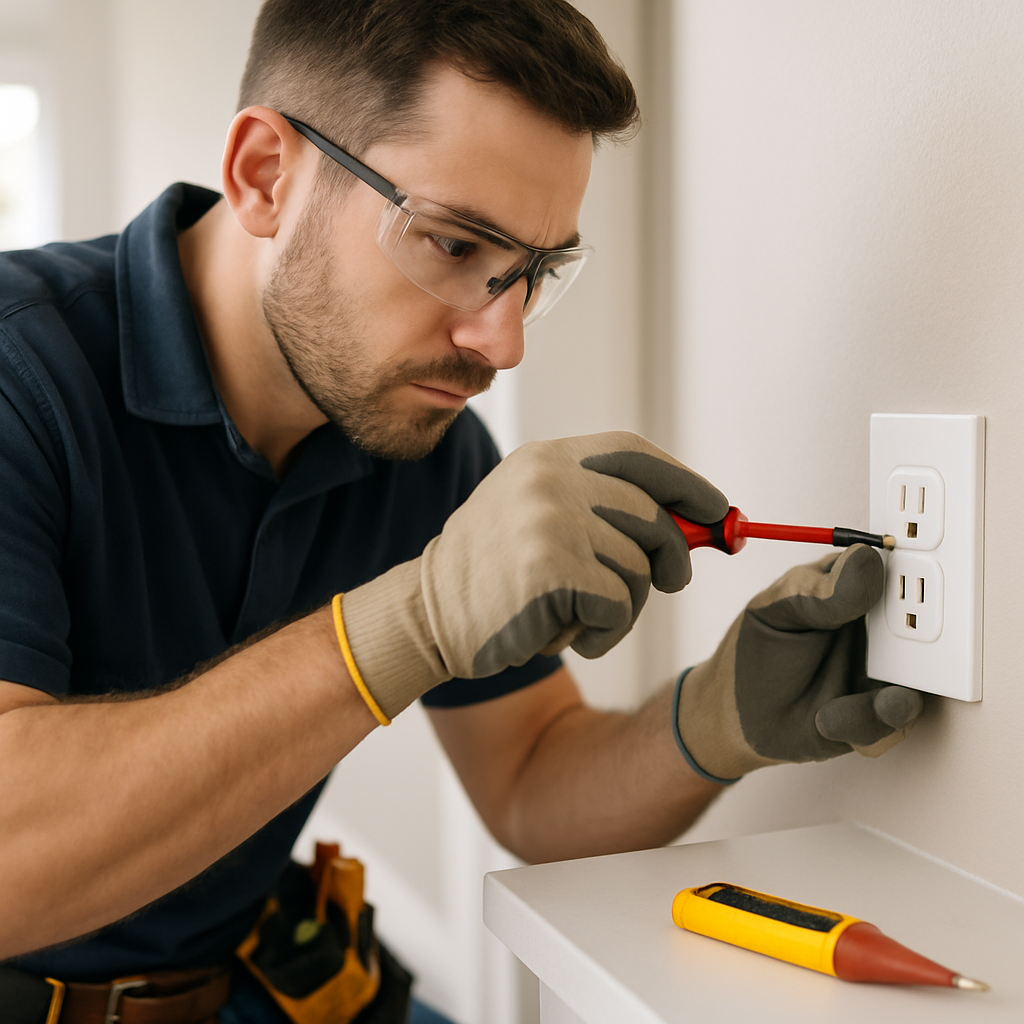
Before starting any project, a licensed electrician will look at your current panel, assess the existing wiring condition, and identify any code violations that need to be corrected. This walkthrough is how you find out whether a simple repair is actually straightforward or whether there's more going on.
For older homes in Lake Station, this initial assessment often uncovers aluminum wiring, outdated grounding, or undersized panels that need attention before other work can be done safely.
Timeline and Disruption
A basic repair like replacing an outlet or adding a circuit can be done in a few hours. A full panel upgrade usually takes most of a day. During a panel upgrade, the power to your home will be off for several hours, so it's worth planning for that ahead of time.
Larger projects involving multiple circuits or whole-home rewiring can span two or more days. A good electrician will give you a realistic timeline before work begins.
Electrical Repairs in Lake Station, IN: What It Costs
Pricing for electrical repairs in Lake Station, IN varies depending on the work involved and the condition of the existing system. Here are some general ranges to give you a starting point:
- Outlet or switch replacement: $100 to $250 per outlet depending on type and access.
- GFCI outlet installation: $130 to $300.
- Circuit breaker replacement: $150 to $300.
- New circuit installation: $200 to $500 depending on length and access.
- Panel upgrade to 200-amp service: $1,500 to $4,000 depending on panel location and local utility requirements.
- EV charger circuit and outlet: $300 to $800, not including the charger unit itself.
These ranges are starting points. The actual cost depends on what the electrician finds once work begins, especially in older homes where the wiring may need to be brought up to code.
Working With the Local Utility
For service changes, meter coordination, or utility-side questions, homeowners in Lake Station often need to work with NIPSCO, the local electric utility. NIPSCO customer service can be reached at 1-800-464-7726, and the same number is used for electric emergencies or outages 24/7.
Utility coordination can matter for panel upgrades, service replacements, and some EV charger installs. In those cases, the electrician may need to coordinate disconnects, reconnections, or utility approvals before the job can be completed.
If your project involves a meter move, service upgrade, or new load that may affect the utility side of the system, ask upfront whether the electrician handles NIPSCO coordination or if you need to contact the utility separately.
Questions Homeowners Ask
Do I need a permit for electrical work in Lake Station, IN?
Yes, most work beyond simple repairs requires a permit. This includes panel upgrades, new circuit installations, and EV charger wiring. Your electrician should pull the permit and schedule the required inspection.
Can I get the permit myself instead of having the contractor do it?
Sometimes, yes. Homeowners may want to get the permit first when they are acting as the project coordinator, want to confirm city requirements before hiring, or are managing a project where they need direct control over permitting. For smaller jobs or simple repairs, the contractor may be the one to handle it instead.
How do I know if my panel needs to be replaced?
If your home is more than 40 years old, runs on 100-amp service, or you're frequently tripping breakers, a panel inspection is a good idea. Panels that use fuses instead of breakers are also candidates for replacement.
Is aluminum wiring dangerous?
Aluminum wiring itself is not automatically dangerous, but it requires compatible outlets, switches, and connection methods. Homes in Lake Station with aluminum wiring should have an electrician verify that all connections are properly made with approved materials.
How long does a panel upgrade take?
Most panel upgrades take one full day. Power to the home will be off for several hours during the work. If the utility needs to be involved in disconnecting the service, scheduling that in advance adds some lead time.
Can I add an EV charger to my existing panel?
It depends on how much capacity your panel has. A Level 2 EV charger requires a dedicated 240-volt, 50-amp circuit. If your panel is close to full, you may need a panel upgrade at the same time. An electrician can assess your current capacity during a walkthrough.
What should I do if I smell burning near an outlet?
Stop using that outlet immediately and avoid plugging anything else into nearby outlets. If the smell is coming from the panel, don't open it yourself. Call a licensed electrician the same day. A burning smell from electrical components can indicate overheating or arcing, which can lead to a fire.
How do I compare quotes from electricians?
Compare more than the price. Look at what is included, whether permits are handled, whether inspection coordination is included, what materials are being used, and whether the electrician offers a warranty.
What electrical upgrades help with home value?
Panel upgrades, rewiring, modern lighting, added kitchen and bath circuits, EV charging readiness, and safer code-compliant work can all help a home show better and feel more updated to buyers.
What does a whole-home electrical inspection cover?
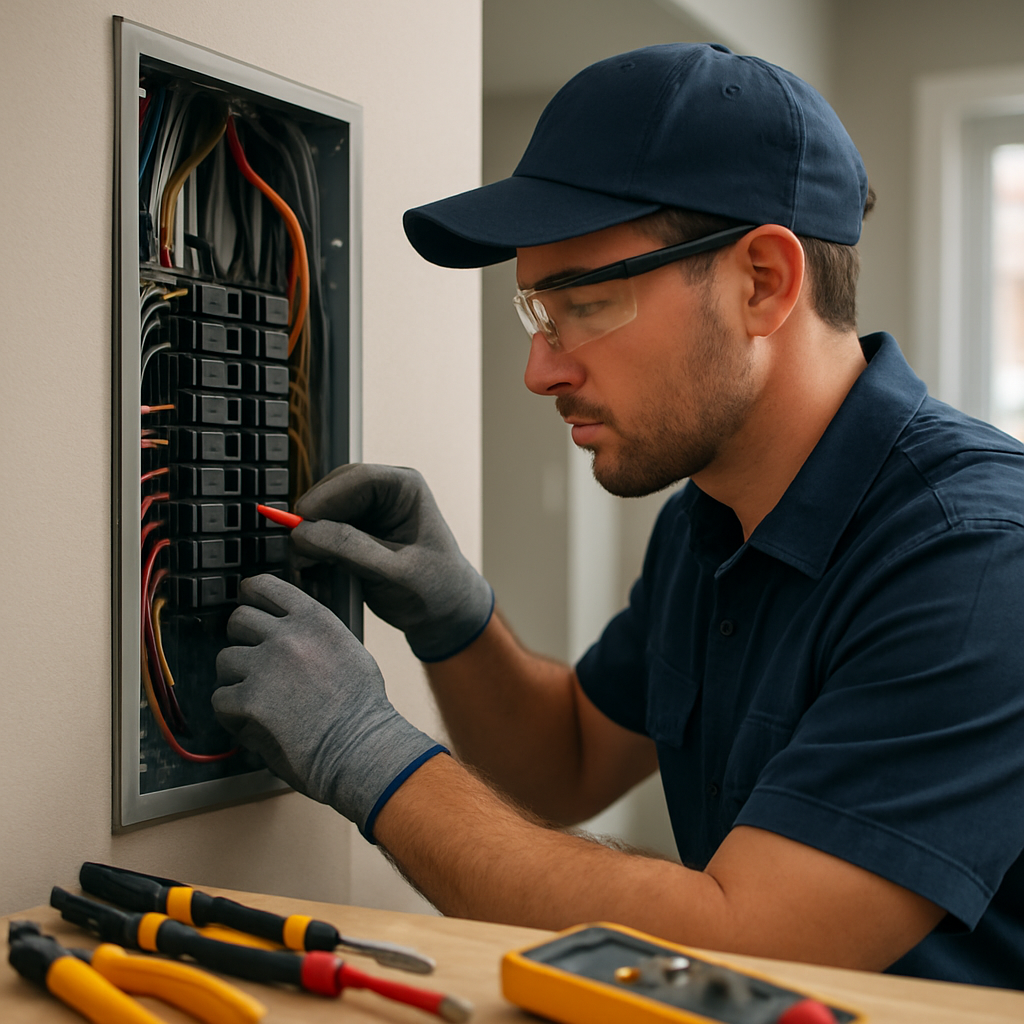
A whole-home electrical health check usually includes the panel, breakers, outlets, switches, grounding, visible wiring condition, and signs of overload or unsafe DIY work. It is especially helpful in older homes or before a remodel.
Find a Licensed Electrician Through My Licensed Contractor
If you're dealing with electrical repairs in Lake Station, IN, the fastest way to get moving is to connect with a licensed electrician who works in your area. My Licensed Contractor matches homeowners with contractors who are licensed, verified, and familiar with local code requirements.
You can submit your project details through My Licensed Contractor and get matched quickly, whether you need a minor repair or a full panel upgrade. There's no obligation to hire, and it takes only a few minutes to get started.
My Licensed Contractor is built to help homeowners move from questions to action without having to sort through contractors on their own.
Frequently Asked Questions
What are the most common electrical repairs in Lake Station homes?
The most common repairs include dead outlets, tripping breakers, flickering lights, faulty switches, and GFCI outlets that won't reset. These issues are often simple on the surface, but they can also point to larger wiring or panel problems.
When should I call for emergency electrical help?
Call right away if you smell burning, see smoke or sparks, lose power to a major part of the home, or have repeated breaker trips that won't stop. These can be signs of overheating or a serious fault.
What is the difference between a repair and an upgrade?
A repair fixes a specific failure, like replacing an outlet or breaker. An upgrade improves the system itself, such as adding a dedicated circuit, replacing a panel, or increasing service capacity.
How long do electrical components usually last?
Many outlets, switches, and breakers can last for years, but age, wear, and load all matter. If components are outdated, damaged, or no longer able to support your home’s usage, replacement is a better option than repeated repair.
Do older homes in Lake Station need rewiring?
Not every older home needs full rewiring, but homes with aluminum wiring, unsafe DIY work, frequent breaker issues, or outdated panels should be inspected carefully. Sometimes targeted repairs are enough; other times rewiring is the safer long-term fix.
What electrical upgrades matter most for a modern home?
Panel upgrades, dedicated appliance circuits, kitchen and bath updates, better lighting, smart switches, and EV charging support are among the most useful upgrades. These projects improve safety and make the home easier to use every day.
How do permits and inspections work for electrical projects?
Permit requirements depend on the scope of work, but larger jobs usually need both a permit and a final inspection. Some homeowners want to secure the permit themselves, while other projects are easier when the contractor handles it.
Why hire a licensed electrician instead of doing it myself?
Electrical work can create fire and shock hazards if it is done incorrectly. A licensed electrician is more likely to understand local code, pull the correct permits, and complete the work safely.
How should I evaluate contractor quotes?
Look at the full scope of work, not just the bottom-line price. A stronger quote usually explains the materials, labor, permit handling, timeline, and warranty in clear terms.
What should I ask before hiring an electrician?
Ask whether they are licensed for the work, whether they handle permits, how they coordinate inspections, what the timeline looks like, and what kind of warranty is included.
Nearby Cities in Indiana
Ready to Find a Licensed Contractor?
Connect with pre-screened, licensed contractors in your area.
Submit Your ProjectGet Matched Instantly
Tell us about your project and we'll connect you with licensed, verified contractors in your area.
Submit Your ProjectFind Contractors Near You
Get Matched Instantly
Tell us about your project and we'll connect you with licensed, verified contractors in your area.
Submit Your ProjectFind Contractors Near You