

What Linton Homeowners Should Know About Electrical Repairs and Permits
What Linton Homeowners Should Know About Electrical Repairs and Permits
Key Takeaways
- Small electrical issues like flickering lights, warm outlets, and tripping breakers can signal bigger safety problems in Linton homes.
- Many electrical projects in Linton, Greene County, and across Indiana require permits, and some utility-connected work may involve coordination with Linton Power & Light.
- My Licensed Contractor can help homeowners enter project details and get matched with a vetted and licensed electrician through My Licensed Contractor.
Electrical problems in a home rarely announce themselves loudly. A light that flickers now and then, a breaker that trips when you run the microwave, an outlet that stopped working a few months ago. These things are easy to ignore. In Linton, where many homes are several decades old, these small signs often point to something that needs proper attention before it becomes a real hazard.
Homes in smaller Indiana communities like Linton frequently have wiring systems installed in the 1960s and 1970s, and some go back further than that. Periodic electrical evaluations make sense for homes in that age range, especially if the panel hasn't been updated, outlets are limited, or the wiring hasn't been inspected in years.
If you're dealing with any of these issues or just want to know where your home stands, My Licensed Contractor can match you with a licensed electrician in Linton, IN who can evaluate the work and get it done safely. You can enter your project details through My Licensed Contractor and get matched with a vetted and licensed electrician.
Common Electrical Problems in Linton Homes
Most calls to electricians in residential areas like Linton start with one of a handful of recurring problems. Some are minor fixes. Others are signs of something more serious going on inside the walls or the panel.
Flickering Lights and Dead Outlets
Flickering lights are sometimes a loose bulb, but when multiple lights flicker or the problem keeps coming back, it usually points to a loose connection somewhere in the circuit. Dead outlets are often caused by a tripped GFCI outlet elsewhere in the circuit, but sometimes the result of damaged wiring or a failed connection at the outlet box itself.
Warm Switches and Frequently Tripping Breakers
A switch or outlet cover that feels warm to the touch is a warning sign. Heat at the switch plate usually means the wiring behind it is handling more load than it should, or there's a loose connection generating resistance. Breakers that trip regularly when you run appliances indicate the circuit doesn't have enough capacity for the demand, which is common in older homes that weren't wired with today's appliance loads in mind.
When an Outlet Has No Power at All
If you plug something in and nothing happens, check whether a GFCI outlet in the bathroom or kitchen has tripped, as these can cut power to outlets in other rooms. If resetting GFCI outlets doesn't fix it, the problem is likely a bad connection or a failed outlet that needs replacement.
Older Homes and Panel Concerns
A large portion of homes in Linton were built between the 1940s and 1980s. The electrical systems installed during those decades often don't meet current safety standards and weren't designed for the electrical load a household uses today.
Outdated Wiring Types
Homes built before the mid-1970s may still have aluminum branch circuit wiring or knob-and-tube wiring. Both can create fire hazards if they haven't been properly maintained or updated. An electrician can inspect what type of wiring you have and whether it needs to be addressed.
Panels That Need Replacement
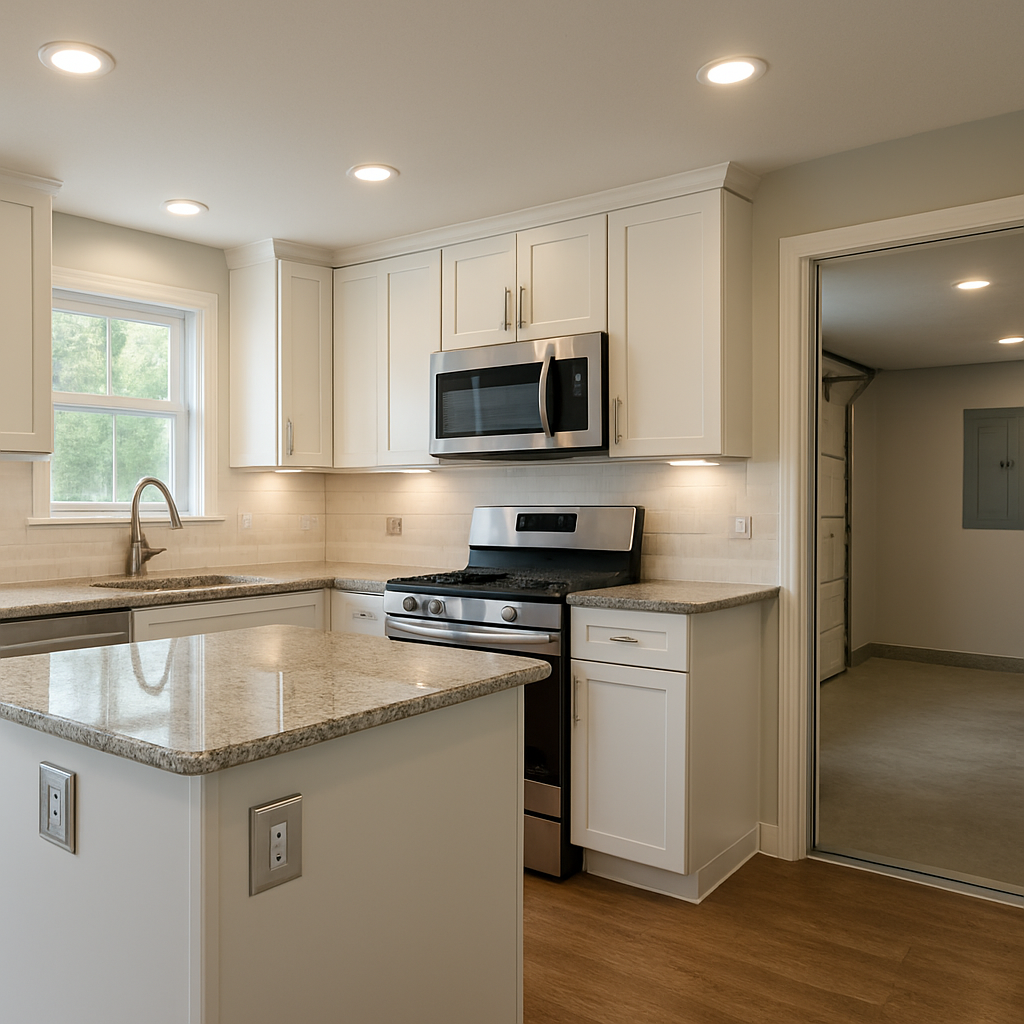
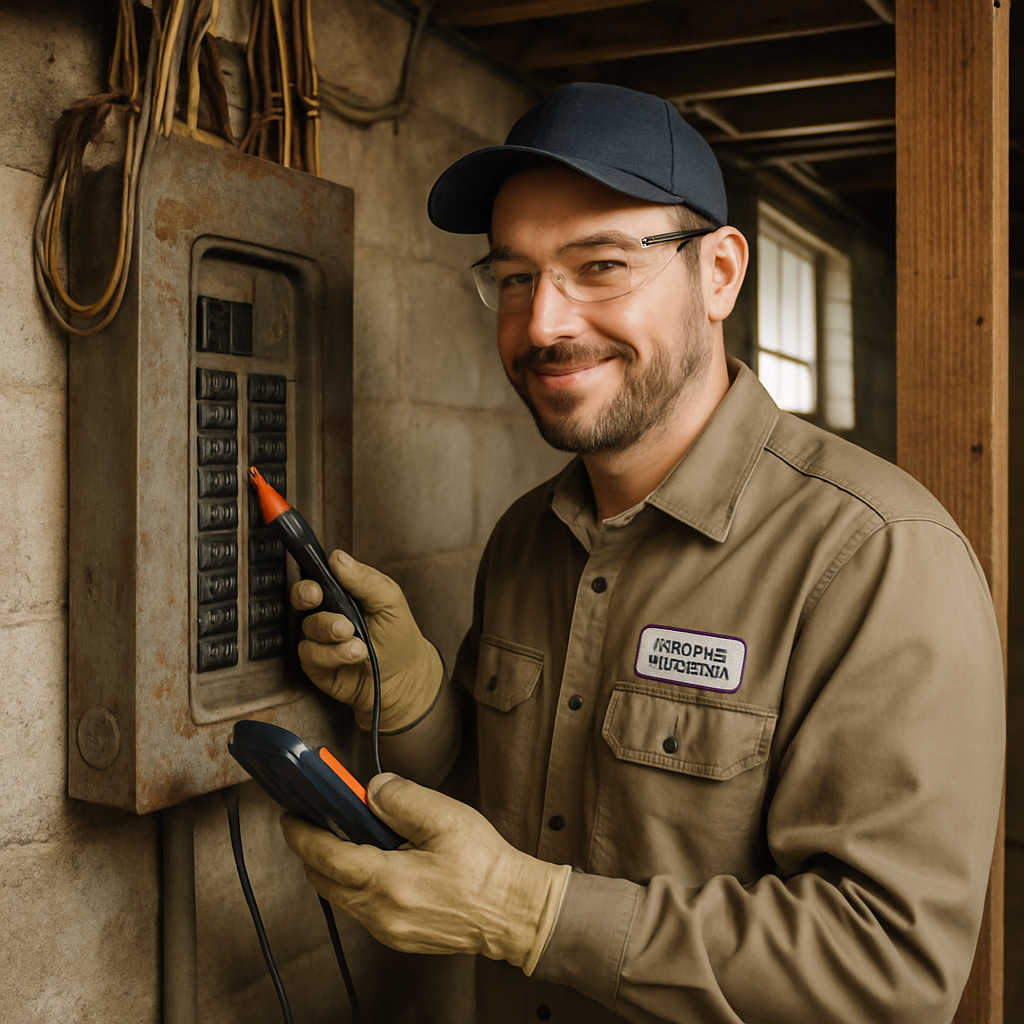
Some older panels, particularly Zinsco and Federal Pacific Electric (FPE) panels, have a documented history of breaker failure. These panels were widely installed in Indiana homes during the 1960s and 1970s. If your home still has one of these, a licensed electrician should evaluate it. Replacement is often the right call for safety and for meeting current code requirements.
Limited Capacity for Modern Loads
A 60-amp or 100-amp service panel may have been enough for a household in 1970, but it's often insufficient now. If you've added appliances, a home office setup, or you're thinking about an EV charger or heat pump, your panel may need an upgrade to handle the load safely.
Storm Damage and Surge Protection
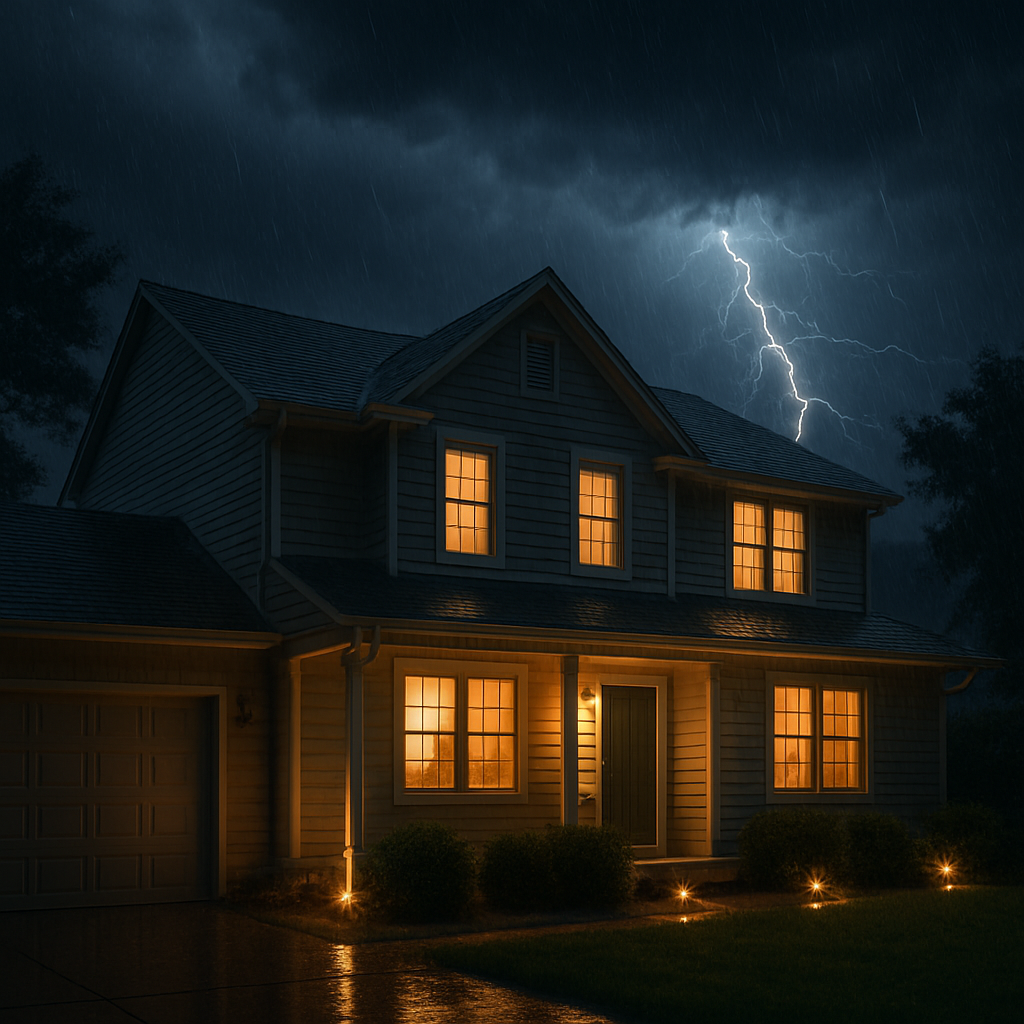
Indiana weather brings a fair amount of severe storms, and Linton is no exception. Thunderstorms and winter ice storms can cause power surges, direct lightning strikes nearby, or physical damage to the electrical service entrance where power comes into the home.
After a Storm
If your home lost power during a storm, had a surge, or you noticed anything unusual with your electrical system afterward, it's worth having an electrician check the service entrance, meter base, and main panel before assuming everything is fine. Surge damage can affect appliances and electronics immediately, but it can also leave wiring in a degraded state that shows up as problems later.
Whole-Home Surge Protection
Point-of-use surge protectors at individual outlets help, but they don't protect hardwired appliances like your HVAC system or water heater. A whole-home surge protector is installed at the panel and provides a first line of defense against voltage spikes from outside the home. For a home in a storm-prone area, this is a reasonable upgrade to discuss with your electrician.
Safety Upgrades Worth Considering
Beyond repairs, there are several upgrades that make older homes in Linton significantly safer without requiring a full electrical overhaul.
AFCI and GFCI Protection
Arc-fault circuit interrupters (AFCIs) protect against electrical fires caused by arcing in damaged or deteriorating wiring. This is exactly the kind of wiring you might find in a 40- or 50-year-old home. Ground-fault circuit interrupters (GFCIs) protect against shock in areas where water is present, like bathrooms and kitchens. Current electrical codes require both in new construction and renovations, but many older homes in Linton don't have them throughout the house. Adding them is one of the more straightforward upgrades an electrician can do.
Smoke and CO Detector Wiring
Battery-operated detectors are common, but hardwired detectors with battery backup are more reliable because they don't depend on someone remembering to replace batteries. If your home doesn't have hardwired smoke and carbon monoxide detectors, an electrician can add them as part of a broader safety inspection.
Grounded Outlets
Two-prong ungrounded outlets are still present in many older Linton homes. Replacing them with properly grounded three-prong outlets is important for safely running modern electronics and appliances. This isn't always as simple as swapping the outlet. It may require running a ground wire or evaluating whether the circuit itself needs to be updated.
Linton Power & Light Coordination
Some electrical projects in Linton require coordination with the local utility, especially if the work affects the meter, service entrance, or power connection. You can review the utility information here: Linton Power & Light. When that kind of work is needed, a licensed electrician can usually handle the coordination as part of the project.
For utility-related questions, the city lists the following contact information:
City Hall (more)
86 S Main St
Linton, IN 47441
Get Directions
Phone: (812) 847-4971
A licensed electrician working in Linton, Greene County, can help determine whether your project needs utility coordination before the work starts. That is especially important for service upgrades, meter-related work, and any project that requires power to be disconnected and reconnected.
Permits and Code Compliance in Greene County
Electrical work in Indiana is subject to state and local permitting requirements. In Greene County, where Linton is located, permits are required for most electrical work beyond simple fixture replacements. This includes panel upgrades, new circuit additions, and rewiring projects.
A permit means the work gets inspected by a local building official, which is in your interest as a homeowner. It creates a record that the work was done correctly, and it matters when you sell the home. Unpermitted electrical work can complicate a sale and may require corrections at your expense.
A licensed electrician will handle the permit process for you. If someone offers to do electrical work without pulling a permit, that's a reason to look for a different contractor.
EV Charging and Home Additions
If you're considering an electric vehicle, Indiana offers utility rebate programs through providers like Duke Energy Indiana for EV charger installation. A Level 2 charger requires a dedicated 240-volt circuit, which is work for a licensed electrician. Depending on your current panel capacity, this may be straightforward or may require a panel upgrade first.
Home additions and remodels are another area where electrical planning matters early. If you're finishing a basement or adding a room, the electrical needs to be planned and permitted from the start. Running wiring before walls are closed up is far less disruptive than doing it after.
What to Look for in a Licensed Electrician in Linton, IN
In Indiana, electricians are licensed at the local level rather than through a single statewide electrician license, so it helps to work with a professional who understands the requirements that apply in Greene County and Linton. A licensed electrician in Linton, IN should be able to show you the proper credentials for the work they perform and carry both general liability insurance and workers' compensation coverage. These protect you if something goes wrong during the job.
Beyond credentials, look for someone who gives you a written estimate before starting work, explains what they're doing and why, and is willing to pull the appropriate permits. Good communication throughout the job matters just as much as the technical work itself.
If you want help getting started, My Licensed Contractor can connect homeowners with a vetted and licensed electrician. Enter your project details through My Licensed Contractor to get matched with someone who can review the job, handle the details, and complete the work properly.
Frequently Asked Questions
How do I know if my electrical panel needs to be replaced?
Signs that a panel may need replacement include breakers that trip frequently and won't reset, visible rust or scorch marks inside the panel, a panel that feels warm to the touch, or having a Zinsco or Federal Pacific Electric panel, both of which have known reliability issues. In Linton and throughout Greene County, an electrician can inspect the panel and tell you whether repair or replacement makes more sense.
Do I need a permit for outlet replacement in Linton?
Replacing a like-for-like outlet typically doesn't require a permit, but upgrading to GFCI outlets, adding new outlets, or any work that involves modifying a circuit usually does. If you're planning electrical work in Linton, Greene County, ask your electrician what the permit requirements are before the job starts.
How long does a panel upgrade take?
Most residential panel upgrades take one day. The power to your home will be off for several hours while the work is done. In Linton, IN, the timeline can vary depending on whether additional work is needed, such as upgrading the service entrance or coordinating with Linton Power & Light.
What's the difference between a circuit breaker and a fuse box?
Both protect circuits from overloads, but breakers can be reset after they trip while fuses must be replaced. Fuse boxes are older technology and are common in homes built before the 1960s. If your Linton home still has a fuse box, an electrician can assess whether it's adequate for your current electrical needs or whether upgrading to a breaker panel makes sense.
Can I add an EV charger to my existing panel?
It depends on how much capacity your panel currently has. A Level 2 EV charger needs a dedicated 240-volt, 50-amp circuit. If your panel has available space and sufficient amperage, adding the circuit is relatively straightforward. If the panel is already at capacity, a panel upgrade would need to happen first. An electrician can check your panel in Linton and tell you what's needed before any work begins.
What electrical issues should I treat as urgent?
Burning smells, sparking outlets, repeated breaker trips, scorch marks, or a panel that feels hot should be treated as urgent. If you notice any of those issues in a Linton home, turn off power to the affected circuit if it is safe to do so and call a licensed electrician right away.
Are GFCI outlets required in older homes in Greene County?
Older homes in Greene County may not have GFCI protection in all the places current code requires it. Bathrooms, kitchens, garages, basements, laundry areas, and outdoor receptacles are common places where GFCI protection should be added during upgrades.
What should I ask before hiring an electrician in Linton?
Ask whether they are familiar with Greene County permit requirements, whether they will pull the permit, how they handle utility coordination with Linton Power & Light when needed, and whether the estimate includes labor, materials, and inspection-related work. Those answers help you compare electricians in Linton more confidently.
Does electrical work help with home value?
Yes. In Linton and across Indiana, updates like panel upgrades, grounded outlets, safer wiring, modern lighting, and documented permitted work can make a home more attractive to buyers. The biggest value often comes from improvements that make the home safer and easier to inspect during a sale.
Can My Licensed Contractor help with both repairs and bigger projects?
Yes. My Licensed Contractor can help homeowners enter project details and get matched with a vetted and licensed electrician for everything from outlet repairs to panel replacements, safety upgrades, and utility-connected work in Linton, IN. Start by submitting your project through My Licensed Contractor.
Nearby Cities in Indiana
Ready to Find a Licensed Contractor?
Connect with pre-screened, licensed contractors in your area.
Submit Your ProjectGet Matched Instantly
Tell us about your project and we'll connect you with licensed, verified contractors in your area.
Submit Your ProjectFind Contractors Near You
Get Matched Instantly
Tell us about your project and we'll connect you with licensed, verified contractors in your area.
Submit Your ProjectFind Contractors Near You