Finding a Contractor Shouldn’t Feel Like a Guessing Game
Key takeaways:
- Choosing a contractor can feel overwhelming because there are so many options on Google.
- You can narrow down your options with a few simple checks.
- We walk you through what to look for and ask before hiring a home service pro.
You need a contractor for a home project. A quick Google search brings up dozens of companies, each with reviews, photos, and promises of great service, but deciding which one to call can feel overwhelming.
A few practical checks can help you narrow your options and find someone qualified for the work you need. Reviewing licenses, insurance, experience, and customer feedback gives you a clearer picture of who you’re inviting into your home.
Here’s how to approach the search with more confidence.
Reviews: How Much Should You Trust Them?
Reviews can tell you how previous customers felt about a contractor’s work, communication, and reliability. Read several and look for recurring themes. You should pay attention to whether customers describe similar experiences.
Reviews also have limitations:
- Authenticity can be difficult to judge. Fake reviews and undisclosed paid reviews can affect what you see online.
- Some reviews provide very little detail. A short comment such as “Great service!” leaves questions about the work performed, its scope, and the customer’s experience.
- The project may differ from yours. Feedback about a small repair offers limited insight into a major renovation.
- A rating cannot verify credentials. Licensing and insurance require separate checks.
- Website testimonials offer a selected view. Checking independent sources and speaking with references can give you additional context.
Use reviews to build your shortlist. Then investigate the details that matter for your project, including relevant experience and current qualifications. Our guide to the limitations of contractor reviews explains common concerns and additional ways to evaluate a contractor.
Contractor Licenses: Why You Should Check Them
A contractor license is an authorization issued by a government agency to perform certain types of work. Requirements vary by state, locality, trade, and project. Depending on the jurisdiction, the process may involve registration or a more detailed review of qualifications. Your local building department or consumer protection agency can explain what is required where you live.
Ask the contractor for their license number and the name under which the license is registered. Search the appropriate government database to confirm the license is current and applies to the work you need.
A “licensed and insured” statement on a website gives you a reason to request documentation. Review that documentation before work begins. Learn more about what licensed, bonded, and insured means for your home project, including what each credential covers and how to verify it.
Resources for Checking Contractor Licenses
These official resources can help you begin:
- Michigan Department of Licensing and Regulatory Affairs: Find the appropriate lookup for a licensed professional or business.
- Indiana Professional Licensing Agency License Verification: Search for state-issued licenses, including plumbing contractor licenses, by name, license number, or license type.
- Ohio Construction Industry Licensing Board License Lookup: Verify state-issued electrical, HVAC, plumbing, hydronics, and refrigeration contractor licenses.
- Illinois Department of Financial and Professional Regulation License Lookup: Verify licenses regulated by IDFPR, including roofing contractor licenses.
If you’re unsure which license applies, contact your local building department before moving forward. Some requirements are set locally, and the rules can differ across project types.
Contractor Websites: Look for These Signs of Trust
A contractor’s website can help you learn about the business, its credentials, and its previous work. Take time to examine the details behind the claims.
BBB Accreditation
BBB accreditation indicates that a business has met the Better Business Bureau’s accreditation standards and committed to maintaining them. Those standards address areas such as honest advertising, transparency, honoring promises, and responding to customer disputes.
If a contractor displays a BBB accreditation badge, look up the company’s BBB profile to confirm its status. Treat accreditation as one piece of your evaluation, alongside licensing, insurance, and project experience.
Trade Certifications
Certifications can provide useful information about a contractor’s or technician’s knowledge and qualifications. Ask what each credential covers and who on the team holds it.
Examples include:
- HVAC: North American Technician Excellence, or NATE, certification demonstrates that a technician has passed testing covering HVAC knowledge. Ask whether a NATE-certified technician will handle your project.
- Roofing: GAF contractor certification considers factors including experience, customer reviews, and licensing and insurance where required. Certain certification levels also provide access to enhanced manufacturer warranties.
Check claimed credentials with the issuing organization when possible, and ask how they relate to the equipment or materials planned for your home.
Before-and-After Photos
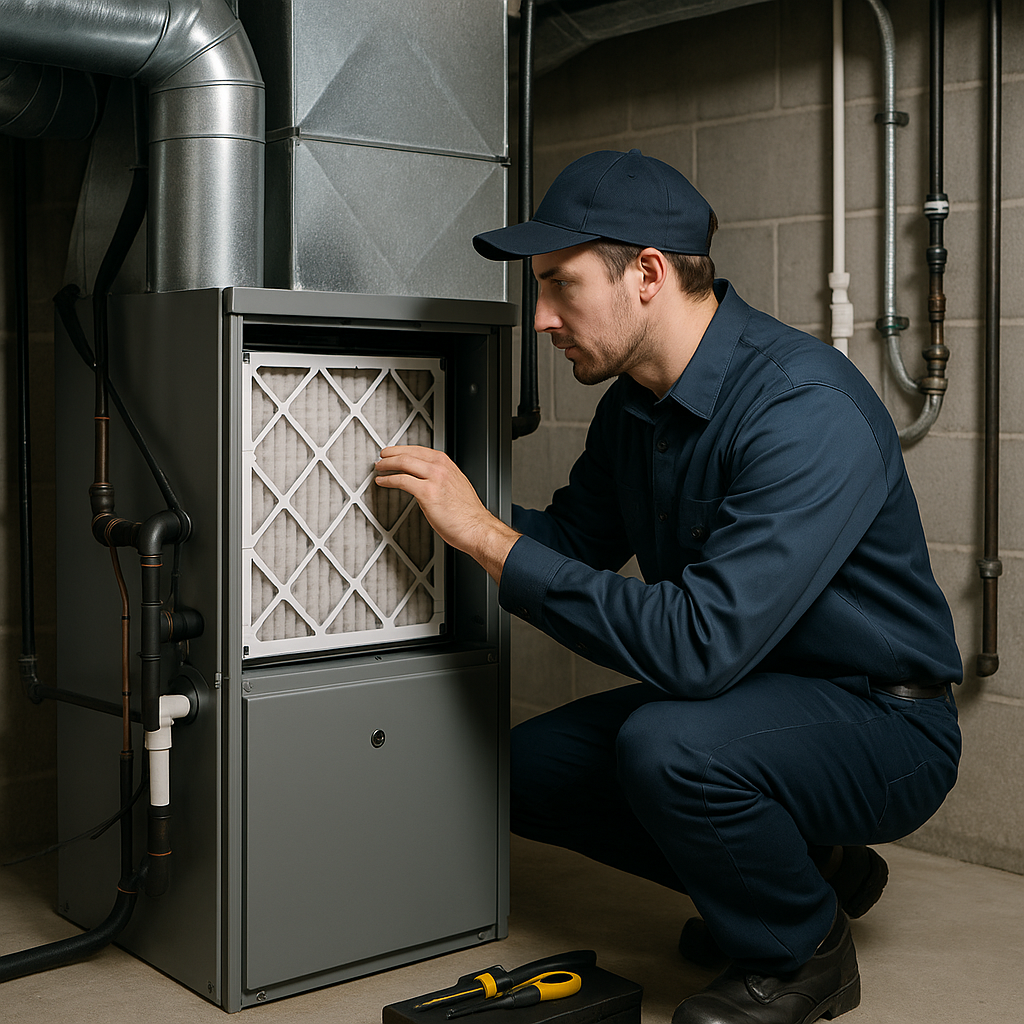
Project photos help you see the kinds of work a contractor has completed. Look for examples that resemble your project, then ask the contractor to explain the scope and their role in the work.
For a remodeling project, for example, you might ask whether the company handled the full renovation, coordinated subcontractors, or completed a specific portion.
Insurance: Ask for Current Proof of Coverage
Insurance deserves its own check during your contractor search. Ask for current insurance certificates and clarify what coverage applies to your project. The FTC recommends checking liability, property damage, and workers’ compensation coverage.
Questions to ask include:
- Do you carry liability insurance covering the work you’ll perform?
- What workers’ compensation coverage applies to your team?
- Will you use subcontractors?
- How will you confirm that subcontractors have the required coverage?
If subcontractors are involved, the FTC recommends checking that they have current insurance and any required licenses.
A “licensed and insured” statement on a website gives you a reason to request documentation. Review that documentation before work begins.
Relevant Experience: Have They Done Projects Like Yours?
Ask contractors about projects with a similar scope to yours. Relevant examples can help you understand how familiar they are with the work and what questions still need answers.
The FTC recommends asking how many similar projects a contractor has completed recently and requesting examples.
Start with these questions:
- Have you completed projects with a similar scope?
- Can you show me examples and explain your role in the work?
- What issues did you encounter, and how did you address them?
- Can I speak with a recent customer who hired you for similar work?
Use the answers to assess whether the contractor understands your goals and can clearly explain their approach.
References: Speak With Previous Customers
References give you an opportunity to ask follow-up questions about a homeowner’s experience. Request customers whose projects resemble yours, then contact them directly.
The FTC recommends asking whether the work was completed on time, whether the customer was satisfied, and whether unexpected costs arose.
A short conversation can cover:
- Was the work completed as agreed?
- Did the contractor communicate clearly?
- How were questions or unexpected issues handled?
- Were there additional costs, and how were they explained?
- Did the crew keep the work area reasonably clean?
- Would you hire the company again?
These conversations can help you understand what it might be like to work with the contractor throughout your project.
How Does My Licensed Contractor Help You Find the Right Pro?
My Licensed Contractor helps simplify the search by connecting homeowners with vetted local contractors. Its vetting process checks licenses, insurance, complaint history, ratings, and reviews before contractors can receive project requests.
MLC also uses a proprietary trust-score system to help evaluate contractors, as part of its approach to selecting professionals for the platform.
To get started, enter your ZIP code, choose the trade you need, and share your project details. You can add photos and timing information, review an initial price range, and connect with a local contractor who can discuss the work and provide a quote. The service is free for homeowners.
Use your conversations with the contractor to clarify the scope, ask project-specific questions, and review the written terms before booking.
Submit your project to My Licensed Contractor.
FAQ
How do I know whether a contractor is licensed?
Ask for the contractor’s license number and verify it through the relevant government licensing agency. Confirm that the license is current and appropriate for the work. Your local building department can help you identify the applicable requirements.
How much weight should I give online reviews?
Use reviews to identify patterns in customer experiences and develop questions for the contractor. Continue your research by checking qualifications, insurance, similar projects, and references.
What insurance should I ask a contractor about?
Ask about liability, property damage, and workers’ compensation coverage, where applicable. Request current certificates and clarify how subcontractor insurance will be handled. Requirements can depend on the location and business arrangement.
Should I ask for references for a small project?
References can help you evaluate a contractor even when the project is relatively small. Ask for customers who hired the company for comparable work, then discuss communication, completion, and satisfaction.
Is My Licensed Contractor free for homeowners?
Yes, homeowners can submit project requests and receive contractor quotes through My Licensed Contractor at no cost. There is no obligation to accept a quote.
```Find a Licensed Contractor
Connect with pre-screened, licensed contractors in your area.
Submit Your Project
Find Local Contractors
Connect with licensed, verified contractors in your area for your next project.
Submit Your Project