
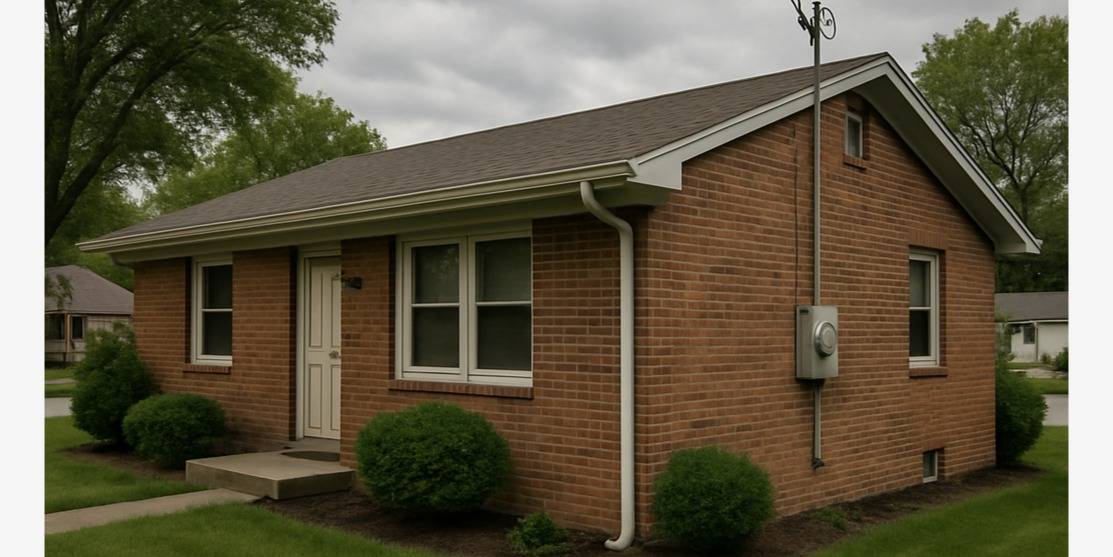
The Guide to Winter-Proofing Your Roof: 8 Repairs That Prevent Ice Dams and Water Damage
Key Takeaways
- Ice dams form when attic heat melts snow that refreezes at the cold roof edge, so insulation and ventilation matter as much as shingles.
- Schedule a roof inspection in early fall and fix damaged shingles, flashing, and gutters before the first freeze.
- Preventive upgrades such as ice and water shield membrane and heated cables can protect homes with chronic ice dam problems.
- Find a licensed, insured roofer with My Licensed Contractor for sagging rooflines, widespread damage, or active leaks to stay safe and protect your warranty.
Winter storms cost homeowners thousands of dollars in preventable roof damage every year. When snow piles up and temperatures swing between freezing and thawing, small roof problems can turn into leaks, damaged ceilings, and costly repairs. The good news is that a few smart repairs in the fall can stop ice dams and water damage before they start.
This guide walks you through eight practical steps to winter-proof your roof. You will learn how ice dams form, which repairs matter most, and when to call a licensed roofer.
Understand Ice Dams and Why They Form
An ice dam is a ridge of ice that builds up along the edge of your roof. It blocks melting snow from draining off. The trapped water then backs up under your shingles and seeps into your home.
Here is how the cycle works. Heat escapes from your living space into the attic. That heat warms the roof deck and melts snow on the upper part of the roof. The water runs down to the colder eaves, where it refreezes. Over time, the ice grows into a dam, and each melt-and-refreeze cycle makes the problem worse.
Ice dams damage more than shingles. Backed-up water can rot the roof deck, damage gutters, and drip into walls and ceilings. You may end up with stained drywall, peeling paint, damp insulation, or mold.
Watch for these warning signs:
- Large icicles hanging from gutters or the roof edge
- Ice buildup along the eaves
- Water stains on ceilings or in the attic
- Peeling paint or damp drywall
- Sagging gutters pulling away from the house
Homes in cold parts of the United States face the highest risk, especially older homes with thin attic insulation, air leaks, or uneven heating. The National Weather Service recommends keeping gutters and downspouts clear, improving attic insulation and ventilation, and safely removing excess snow from the roof edge to reduce ice dam risk.
Inspect Your Roof Before the First Freeze
Timing matters. Schedule a roof inspection in early fall, well before snow and ice arrive. This gives you enough time to complete repairs while the weather is still mild and roofers have more availability.
Start from the ground with a pair of binoculars. Look for shingles that curl, crack, buckle, or go missing. Scan the roof for bare spots where protective granules have worn away. Check the metal flashing around your chimney, vents, and skylights for gaps, rust, or lifted edges.
Not sure whether a problem needs urgent attention? Our guide to 5 signs you need a new roof can help you recognize warning signs before they become costly damage.
A ground-level check catches obvious problems, but it will not reveal everything. A professional roofer can safely inspect the roof surface and identify issues you cannot see from below, such as soft decking, lifted fasteners, or early signs of moisture damage. If your roof is steep or more than one story high, leave the climbing to a professional.
Take clear photos of any damage you find. Photos help you explain the problem when you request quotes, and they give you a record to compare against after the work is complete.
Fix Damaged Shingles and Flashing
Once you know what needs attention, make repairs quickly. Damaged shingles are a top priority. Replace cracked, curled, loose, or missing shingles before the first heavy storm. A single gap can allow water to reach the roof deck.
Roof flashing deserves just as much attention. Flashing is the thin metal that seals the joints where your roof meets a chimney, skylight, vent, or valley. Over time, sealant cracks and metal panels loosen. Reseal or replace flashing that has pulled away, rusted, or shows gaps.
Address small details too. Nail pops and exposed fasteners leave tiny openings where moisture can enter. Drive loose nails back down or replace them, then seal the area properly.
If replacement is on the table, review a guide to roofing materials for Indiana homes to compare durability, appearance, and performance in winter weather.
Small repairs completed in October can prevent major water damage by February. A minor shingle or flashing fix now is far less expensive than repairing a soaked roof deck, insulation, ceiling, or wall later.
Clean and Repair Gutters and Downspouts
Clogged gutters make ice dams worse. When leaves and debris block the flow, water sits in the gutter and freezes in place. Clean every section so melting snow and rain can drain properly.
While you clean, check the condition of the gutters. Look for sections that sag, pull loose, leak at the seams, or hold standing water. Tighten loose brackets and reseal leaking joints. Ice-filled gutters become heavy, and weak sections can tear away from the house.
Follow the water all the way down. Make sure your downspouts carry water at least a few feet away from the foundation. Water that pools near the base of your home can freeze, damage landscaping, and contribute to basement moisture problems.
If you clean your gutters several times each fall, consider gutter guards. They reduce debris buildup and make seasonal maintenance easier, though they still need occasional cleaning and inspection.
Improve Attic Insulation and Ventilation
Stopping ice dams starts inside your attic. The goal is simple: keep the roof deck cold so snow does not melt unevenly and refreeze at the edges.
Good insulation keeps heat in your living space instead of letting it rise into the attic. When the attic floor is properly insulated, less warm air reaches the underside of the roof. That helps maintain a more even roof temperature and reduces the melt-refreeze cycle at its source.
Ventilation works hand in hand with insulation. Soffit vents bring cooler outside air in at the eaves, while ridge vents allow warm, moist air to escape at the peak. This steady airflow helps keep the roof deck cold across its entire surface. Without balanced ventilation, warm pockets can form and feed ice dams.
Seal the air leaks that let heat sneak into the attic. Common culprits include gaps around recessed lights, ductwork, plumbing stacks, wiring penetrations, attic hatches, and the chimney. Caulk, foam sealant, and proper insulation baffles can make a significant difference.
Insulation needs vary by climate. Many cold-climate homes benefit from attic insulation in the R-49 to R-60 range, though the right target depends on your location, existing insulation, and local building code. An energy auditor or qualified insulation contractor can assess your attic and recommend the best approach.
Seal Leaks and Vulnerable Entry Points
Every place where something penetrates your roof is a possible entry point for water. Inspect and reseal around plumbing vents, exhaust pipes, satellite mounts, and other roof penetrations. Seals dry out, crack, and shrink over time, so a fresh bead of roofing sealant can prevent a small gap from becoming a major leak.
Move inside and inspect your ceilings and attic for water stains. A faint brown ring on the ceiling often means water entered during a past storm. In the attic, look for dark spots, damp insulation, stained wood, or moisture on the underside of the roof deck.
Watch for condensation and moisture buildup as well. If the attic feels damp or you see frost on nails during winter, you may have an air-sealing or ventilation problem. Fixing it protects the wood, insulation, and indoor air quality while reducing the chance of mold.
Small gaps become major leaks once snow and ice pile up. Sealing them before winter is one of the least expensive ways to avoid a major repair later. For a broader seasonal maintenance plan, use our room-by-room and system-by-system home maintenance checklist.
Consider Preventive Roof Upgrades Before the Winter
If your home deals with ice dams every winter, basic repairs may not be enough. A few upgrades can provide longer-lasting protection.
Ice and water shield membrane is one of the most effective investments. Roofers install this waterproof layer beneath the shingles along the eaves, valleys, and other vulnerable areas. Even if an ice dam forms, the membrane adds a secondary barrier that helps keep water away from the roof deck.
For roofs with chronic trouble spots, heated cables can help. They run along the eaves and in valleys to create channels for melting snow and water to drain. Heat cables do not solve the underlying cause of ice dams, but they can reduce buildup in areas that repeatedly freeze.
If you plan to replace your roof anyway, ask about impact-resistant and weather-resistant shingles. These materials can hold up better against hail, wind, and heavy snow. Some insurance companies also offer discounts for certain impact-resistant roofing products.
Weigh the upfront cost against the long-term payoff. An upgrade that costs a few hundred to a few thousand dollars can help you avoid repeated water damage, interior repairs, and emergency calls during winter storms.
Know When to Call a Licensed Roofer
Some roof maintenance is safe to handle yourself, such as cleaning gutters from the ground or using a roof rake to remove light snow near the edge. Other work calls for a professional. Climbing an icy or steep roof is dangerous, and one slip can cause a serious injury. DIY repairs can also void your roof warranty if they do not follow manufacturer requirements.
Call a licensed roofer when you notice any of these signs:
- A sagging roofline or soft, spongy decking
- Widespread shingle damage across large areas
- Active leaks dripping into your home
- Repeated ice dams in the same locations
- Damaged flashing around a chimney, skylight, or vent
- Water stains that return after a repair
A licensed, insured contractor brings the right tools, training, and materials. They understand local codes for flashing, ventilation, insulation, and ice barriers. Hiring local also means faster service when a winter storm hits. To understand what those credentials mean, read our guide to licensed, bonded, and insured contractors.
Finding the right roofer does not have to be difficult. My Licensed Contractor lets you submit a project request and get matched with vetted local roofers who handle winter roof repairs.
Connect With Trusted Local Roofers on My Licensed Contractor
At My Licensed Contractor, we make it easy to protect your home before winter arrives. We connect you with licensed, insured roofers in your area who can inspect your roof, repair damaged shingles and flashing, clean and repair gutters, and address the weak spots that lead to ice dams and leaks.
Submit your project request through My Licensed Contractor today, and we will help you get matched with trusted local professionals who can handle your roof repairs right.
FAQ
When should I winter-proof my roof?
Plan to winter-proof your roof in early fall, before the first freeze. This gives you time to finish inspections and repairs before snow and ice arrive. Starting early also means roofers have more open appointment slots, so you avoid the rush that comes once cold weather hits.
Can I remove ice dams myself?
You can remove light snow from the lower edge of the roof from the ground using a roof rake. Avoid climbing onto an icy roof or using sharp tools that can damage shingles. For thick ice, active leaks, or hard-to-reach areas, hire a professional with the proper equipment.
How much do winter roof repairs cost?
Costs depend on the type of damage, roof height and pitch, materials, and where you live. Minor shingle patches and small flashing repairs usually cost less than attic insulation upgrades, ventilation improvements, or ice and water shield installation. Bigger preventive projects cost more upfront but can prevent far more expensive water damage.
Why do older homes get more ice dams?
Older homes often have thinner attic insulation, more air leaks, and weaker ventilation than newer builds. That allows heat to escape into the attic and warm the roof deck, which feeds the melt-refreeze cycle. Upgrading insulation, sealing air leaks, and improving ventilation usually makes a major difference.
Do gutters cause ice dams?
Clogged or damaged gutters can make ice dams worse by preventing proper drainage, but they are usually not the root cause. Ice dams most often form because warm air escapes into the attic, melts snow on the roof, and allows water to refreeze at the colder eaves.
Will more attic insulation stop ice dams?
More insulation can help, but insulation alone may not solve the problem. The most effective approach combines air sealing, adequate insulation, and balanced soffit-and-ridge ventilation to keep the roof deck cold and reduce heat loss.
Are heat cables a permanent fix for ice dams?
Heat cables can reduce ice buildup in stubborn areas, but they work best as a targeted solution rather than a complete fix. Addressing attic air leaks, insulation gaps, and ventilation problems provides more lasting protection.
How do I know if I need a roof repair or a roof replacement?
A repair may be enough when damage is limited to a few shingles, a flashing section, or an isolated leak. A replacement may make more sense when shingles are broadly worn, leaks recur in multiple areas, the roof is near the end of its lifespan, or the decking shows widespread moisture damage.
Does homeowners insurance cover ice dam damage?
Coverage depends on your policy and the cause of the damage. Sudden water damage from an ice dam may be covered, while damage caused by deferred maintenance or gradual wear may not be. Review your policy, document damage with photos, and contact your insurance company before making permanent repairs.
Find a Licensed Contractor
Connect with pre-screened, licensed contractors in your area.
Submit Your Project
Find Local Contractors
Connect with licensed, verified contractors in your area for your next project.
Submit Your Project