

Electricians in Portage, IN for Repairs, Upgrades & Storm-Ready Homes
Key Takeaways
- My Licensed Contractor connects Portage homeowners and businesses with licensed electricians for repairs, inspections, upgrades, emergency calls, and permitted installations.
- Northwest Indiana storms, lightning, high winds, wet basements, and power outages can create electrical risks that are worth planning for before severe weather arrives.
- Whole-home surge protection, sump-pump backup power, weather-rated outdoor wiring, and generator connections are practical priorities for many Portage households.
- Older homes may have panels, outlets, wiring, or circuit capacity that no longer match modern power demands.
- The City of Portage Building Department provides electrical permit applications, service-reconnection inspection information, permits, and inspections.
My Licensed Contractor connects Portage homeowners, landlords, and business owners with licensed electricians for electrical repairs, panel upgrades, surge protection, generator connections, lighting, EV chargers, inspections, and more. Whether you are dealing with storm damage, a panel that cannot keep up with modern appliances, a wet basement, or an electrical concern that needs immediate attention, you can find qualified help for the job.
Portage has established neighborhoods, newer subdivisions, rental properties, retail areas, and industrial-commercial corridors. That mix creates a broad range of electrical needs, from routine outlet repairs and lighting upgrades to major service upgrades, commercial panel work, backup-power planning, and electrical safety improvements after severe weather.
Book a contractor online to begin planning your project, or seek urgent electrical help when the problem cannot safely wait.
Electrical Services for Portage Homes and Businesses
Electrical needs are not one-size-fits-all. A newer home may need more capacity for an EV charger, smart devices, electric appliances, or a home office. An established property may need safer outlets, improved grounding, a panel replacement, or a review of wiring that has been modified over time. Businesses may need dependable lighting, equipment circuits, service upgrades, and surge protection that reduces avoidable downtime.
- Electrical troubleshooting and emergency repairs
- Panel replacement and service upgrades
- Whole-home surge protection
- Generator transfer switches and backup-power planning
- Sump-pump circuits and basement electrical upgrades
- Outlet, switch, lighting, and ceiling fan installation
- Kitchen, bathroom, basement, garage, and outdoor wiring
- EV charger installation
- Smart-home, security, networking, and low-voltage wiring
- Electrical inspections for buyers, sellers, landlords, and businesses
- Commercial electrical upgrades and maintenance
For more ideas on projects that can improve safety, capacity, and everyday comfort, explore electrical upgrades for homeowners and small businesses.
Storm, Flooding, and Electrical Safety in Portage
Portage weather can put added strain on homes and electrical systems. Thunderstorms, lightning, high winds, heavy rain, power interruptions, and wet basements can all create risks around panels, appliances, exterior outlets, sump pumps, wiring, and connected electronics.
The City of Portage advises residents during severe weather to stay indoors, avoid electrical appliances, and stay away from flooded areas. That guidance is especially important when water is near plugged-in equipment, basement outlets, extension cords, appliances, or electrical panels.
Electrical Risks After a Storm
- Standing water near outlets, appliances, extension cords, or wiring
- Flooded basements with dehumidifiers, freezers, laundry appliances, or sump-pump equipment
- Damaged exterior outlets, light fixtures, landscape wiring, and detached-garage circuits
- Tree damage to service lines, meter equipment, or exterior electrical components
- Power fluctuations, outages, and utility restoration surges
- Water intrusion around a meter base, disconnect, panel, or service equipment
- Lightning-related damage to electronics, HVAC systems, appliances, and smart-home devices
What to Do After Electrical Storm Damage
- Stay away from downed lines, damaged service equipment, and standing water near electrical devices.
- Do not enter a flooded basement if wiring, outlets, appliances, or electrical equipment may be energized.
- Only turn off affected breakers if the panel is dry, accessible, and safe to reach.
- Call 911 for an active fire, sparks, a downed power line, or immediate danger.
- Report a utility-side outage, damaged line, or electrical emergency to NIPSCO at 800-464-7726. NIPSCO identifies this number as its 24-hour contact for electric emergencies and outages.
- Have a licensed electrician evaluate water-exposed or damaged electrical equipment before restoring power or returning the equipment to service.
Storm-Readiness Electrical Upgrades
- Whole-home surge protection
- Generator transfer switches and inlet boxes
- Dedicated circuits for sump pumps
- Battery backup systems for selected loads
- Weatherproof outdoor outlets and covers
- Grounding and bonding improvements
- Panel inspections and circuit labeling
- Critical-load planning for refrigeration, medical equipment, heat, and home-office equipment
For help deciding whether a repair needs immediate attention, read 7 signs you need same-day home repair help.
Surge Protection and Power Quality
Lightning does not need to hit a house directly to damage electrical equipment. A nearby strike, utility switching event, power interruption, or restoration after an outage can send a voltage surge through the electrical system. These events can damage appliances, HVAC controls, televisions, computers, gaming systems, routers, smart-home equipment, and EV chargers.
Why Whole-Home Surge Protection Matters
A whole-home surge protective device is installed at or near the electrical panel. It is designed to reduce the impact of incoming voltage surges before they reach circuits throughout the home. Plug-in surge strips can add a layer of protection for specific electronics, but they are not a replacement for panel-level protection and proper grounding.
Whole-Home Surge Protection May Include
- Panel-mounted surge protective devices
- Electrical panel condition review
- Grounding and bonding inspection
- Recommendations for protecting sensitive electronics
- Protection planning for HVAC, appliances, home-office equipment, networking devices, and entertainment systems
- Replacement of damaged or outdated surge equipment after a major surge event
Smart Panels and Energy Monitoring
Smart panels and energy-monitoring systems can give homeowners a clearer view of how electricity is being used. Depending on the system, they may help track circuit-level consumption, identify unusual load patterns, monitor EV charging, plan for high-demand appliances, and provide useful information for homes with solar, battery backup, or generator systems.
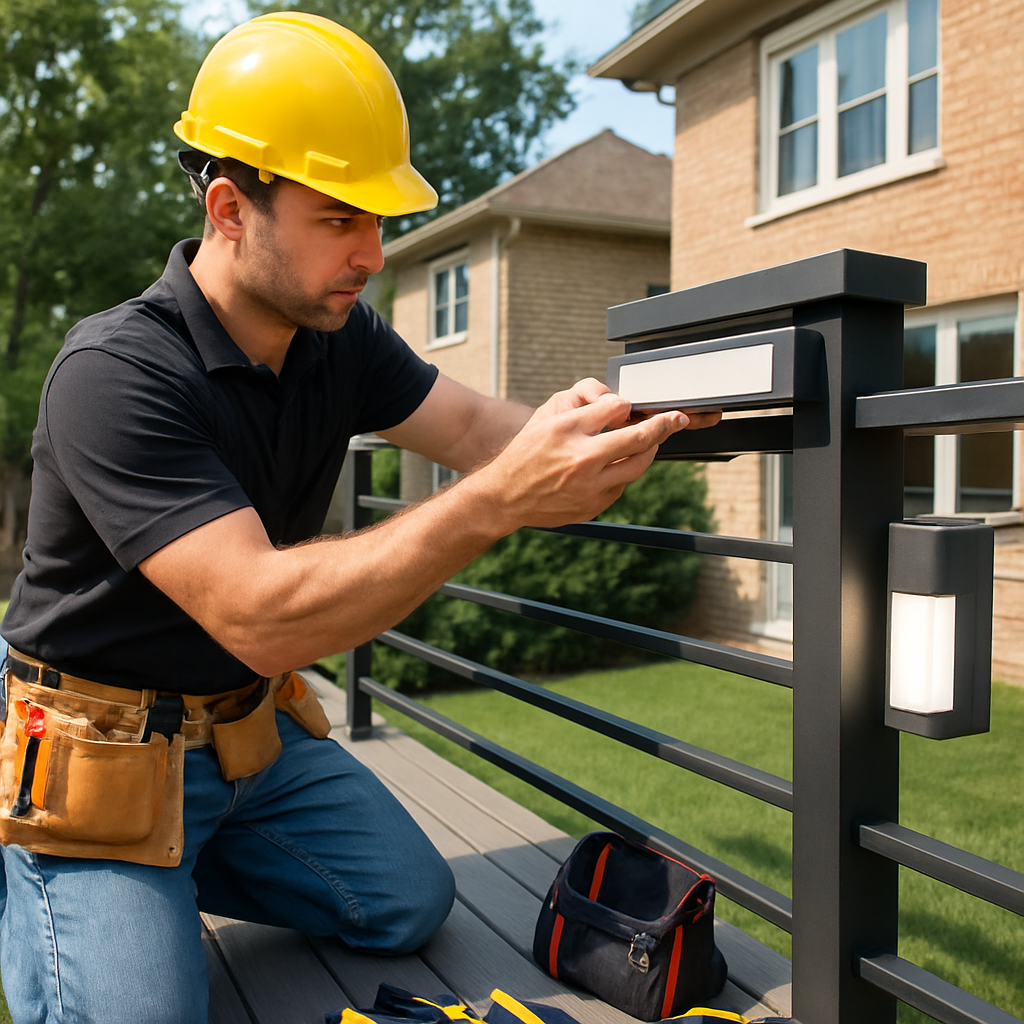
Electrical Repairs and Emergency Diagnostics
A breaker that trips, a light that flickers, or an outlet that stops working may be a warning sign rather than an isolated inconvenience. An electrician can diagnose the underlying cause and determine whether the problem involves a loose connection, overloaded circuit, damaged wiring, defective breaker, failing device, or another issue.
Signs You Need an Electrician
- Breakers that trip repeatedly
- Lights that flicker, dim, or brighten when appliances start
- Outlets that do not work, feel loose, or will not hold plugs securely
- GFCI outlets that will not reset
- Warm, cracked, loose, or discolored outlets and switches
- Buzzing, humming, or crackling from a panel, outlet, or switch
- Burning odors or scorch marks
- Breakers or panels that feel hot
- Partial power loss in part of the home
- Repeated damage to electronics or chargers after outages or storms
Emergency Electrical Repairs
Contact an electrician promptly if you notice a burning smell, smoke, visible sparking, a hot electrical panel, water intrusion near electrical equipment, damaged service equipment, or power loss affecting a sump pump, medical device, refrigerator, furnace, or other critical equipment. If there is active fire, smoke, or immediate danger, leave the area and call 911.
Basement, Sump Pump, and Moisture-Area Electrical Upgrades
Wet basements and utility areas can create a combination of water, appliances, extension cords, dehumidifiers, freezers, laundry equipment, sump pumps, and older wiring. Electrical improvements in these spaces can help protect against shock hazards, nuisance trips, and preventable water damage during an outage.
Dedicated Power for Sump Pumps
A sump pump should have reliable electrical service. When it shares a circuit with other high-demand equipment, it may be more vulnerable to nuisance trips or accidental shutoffs. A licensed electrician can evaluate the existing circuit, outlet, breaker, grounding, and backup options.
- Dedicated sump-pump circuit installation
- Outlet and plug-condition inspection
- Battery-backup sump-pump charging circuits
- Generator circuits for sump-pump operation during outages
- Electrical planning for sump-pump alarms and backup systems
Basement Electrical Safety Checklist
- Use appropriate GFCI protection in wet or damp areas
- Replace damaged, loose, or corroded outlets and covers
- Keep extension cords and power strips off basement floors
- Avoid overloading circuits with dehumidifiers, freezers, laundry equipment, and tools
- Inspect visible wiring for moisture damage or corrosion
- Install adequate lighting for safer access during an outage
- Consider battery backup or generator planning for critical basement equipment
Electrical Work After Water Exposure
Electrical components that have been submerged, substantially wet, corroded, or exposed to contaminated floodwater should be inspected by a qualified electrician. Equipment should not be assumed safe simply because the area has dried or because power appears to be functioning again.
Panel Upgrades and Modern Electrical Demand
Homes in Portage may need more electrical capacity as households add larger appliances, home-office equipment, HVAC upgrades, entertainment systems, EV chargers, hot tubs, basement finishes, workshops, or backup-power systems. An evaluation can determine whether the right solution is a circuit addition, subpanel, panel replacement, or service upgrade.
Signs Your Panel May Need Attention
- Breakers trip when several appliances are running
- Lights dim when the furnace, air conditioner, microwave, or other equipment starts
- Your home still has a fuse box
- The panel feels warm, makes unusual sounds, or shows signs of damage or corrosion
- There is little or no room for new circuits
- The panel is poorly labeled or contains questionable past modifications
- You are adding an EV charger, hot tub, electric range, heat pump, mini-split, or garage workshop
- You are finishing a basement, remodeling a kitchen, or adding onto the home
100-Amp vs. 200-Amp Service
A larger service is not automatically necessary for every property. A licensed electrician should perform a load calculation, inspect the existing service equipment, and review planned additions before recommending an upgrade. A 200-amp service may be appropriate when current or future demand exceeds the safe capacity of the existing system.
Panel Upgrade Features
- New breaker panel with improved circuit capacity
- Clear circuit labeling and organization
- Whole-home surge protection
- Grounding and bonding improvements
- Generator-ready options
- Smart-panel or energy-monitoring features
- Utility coordination for service upgrades
- Permit and inspection coordination
Learn more about the planning process in panel replacements: when to upgrade, what it costs, and what to expect.
Lighting, Outlets, and Everyday Electrical Improvements
Electrical upgrades can improve safety, convenience, efficiency, and comfort. Whether you are remodeling, updating an older home, or simply tired of not having power where you need it, an electrician can plan improvements around current code requirements and the capacity of your system.
Lighting Upgrades
- Recessed lighting
- Under-cabinet kitchen lighting
- Exterior security and entry lighting
- Landscape lighting
- Motion-activated lighting
- Smart switches, dimmers, and timers
- Bathroom vanity lighting
- Garage and workshop lighting
- Ceiling fan installation
Outlets and Dedicated Circuits
- GFCI outlets for kitchens, bathrooms, garages, basements, laundry areas, and exterior locations
- Tamper-resistant outlets for homes with children
- USB and USB-C charging outlets
- Home-office circuits
- Dedicated circuits for refrigerators, freezers, microwaves, dishwashers, and laundry equipment
- Garage and workshop power
- Outdoor kitchens, patios, and entertainment spaces
Kitchen and Bathroom Electrical Planning
- Countertop, island, and peninsula outlets
- Dedicated appliance circuits
- Electric range, oven, and cooktop wiring
- Bathroom GFCI outlets
- Exhaust-fan wiring
- Lighting and vanity upgrades
- Electrical planning before walls are closed during a remodel
EV Chargers and Connected-Home Electrical Systems
Level 2 EV chargers can make home charging faster and more convenient, but they require a dedicated 240-volt circuit and an assessment of electrical capacity. An electrician can review your panel, calculate the load, plan the charger location, and complete the installation in accordance with applicable local requirements.
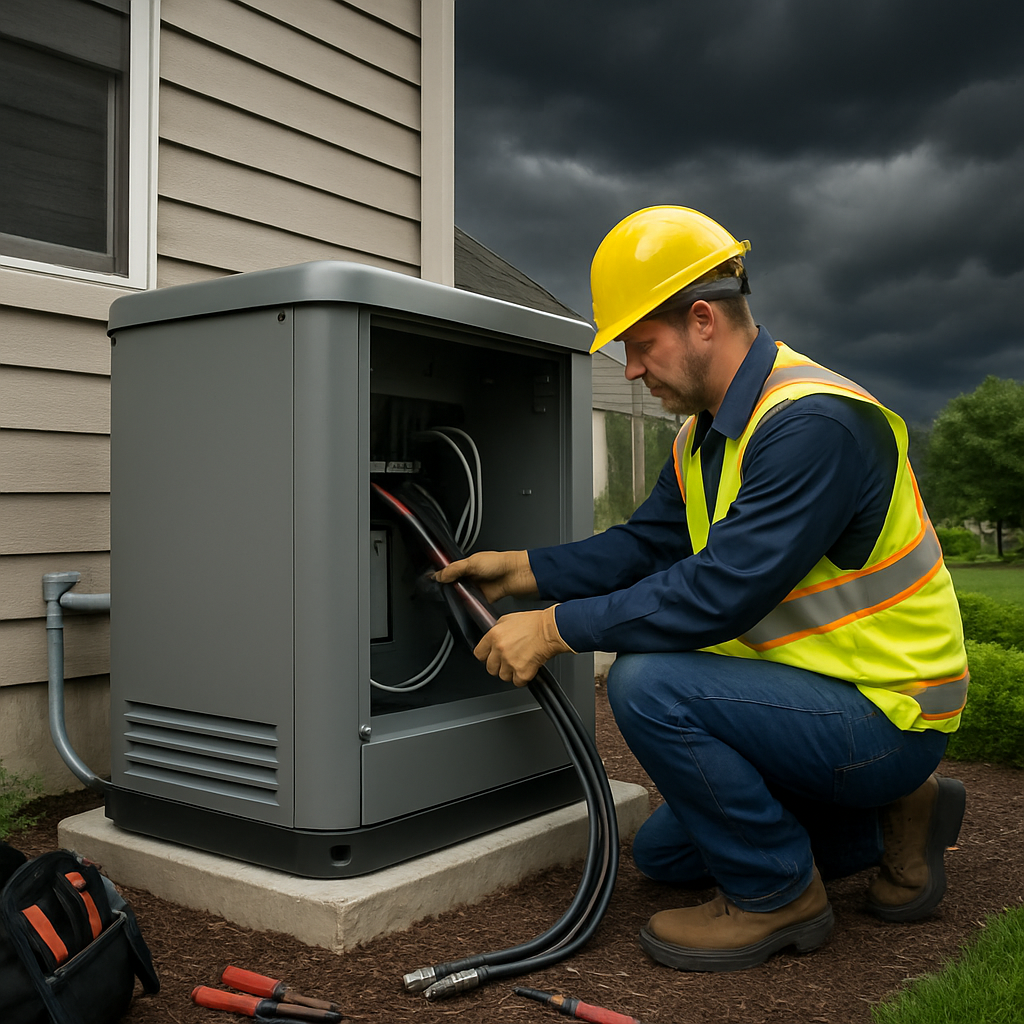
EV Charger Installation Can Include
- Electrical panel and service-capacity inspection
- Load calculation
- Dedicated 240-volt circuit installation
- Appropriately sized breaker and wiring
- Garage, driveway, carport, and detached-garage charger planning
- Subpanel, panel, or service-upgrade recommendations if needed
- Permit and inspection coordination
Smart-Home and Low-Voltage Wiring
- Smart switches and lighting controls
- Video doorbells and security cameras
- Ethernet wiring and Wi-Fi access-point planning
- Home-office networking and backup-power planning
- Smart thermostats and HVAC controls
- Surge protection for routers, networking gear, and entertainment equipment
- Smart-panel integration
For rental-property owners, read how solar and EV chargers can support rental-property NOI.
Generator Connections and Backup Power
A power outage can affect more than lights. It can stop a sump pump, furnace blower, refrigerator, well pump, medical device, internet connection, security system, and garage-door opener. Generator and battery-backup planning can help you keep essential equipment operating when utility power is unavailable.
Backup Power Options
- Portable generators with manual transfer switches
- Portable generators with approved interlock kits when appropriate
- Generator inlet boxes and critical-load circuits
- Standby generators with automatic transfer switches
- Battery backup systems for selected loads
- Generator-ready panel upgrades
Never Back-Feed a Generator
Never plug a portable generator into a household outlet to power a home. This can back-feed electricity into utility lines, creating an electrocution risk for utility workers and others nearby. It can also damage equipment and create a serious fire hazard. A licensed electrician can install an approved transfer switch, interlock, inlet box, and circuit setup for safe generator use.
Critical Loads to Consider
- Sump pump
- Refrigerator and freezer
- Furnace blower or boiler controls
- Medical equipment
- Internet, router, and home-office equipment
- Security systems
- Garage-door opener
- Well pump, where applicable
For seasonal HVAC planning, see when to call for emergency AC service and these monthly HVAC maintenance tips for Indiana homeowners.
Electrical Inspections for Homeowners, Buyers, and Landlords
An electrical inspection can identify concerns before they become more expensive or dangerous. It is especially valuable before buying an older home, beginning a renovation, preparing a rental unit, recovering from storm damage, or adding large electrical loads.
Whole-Home Electrical Health Check
- Panel condition, breaker operation, and available capacity
- Circuit labeling and organization
- Outlet, switch, and fixture condition
- GFCI and AFCI protection review
- Grounding and bonding assessment
- Visible wiring concerns and signs of unsafe DIY work
- Water exposure, corrosion, and moisture-related damage
- Surge-protection recommendations
- Electrical demand from EVs, HVAC, appliances, and home-office equipment
Buying, Selling, and Renting in Portage
- Verify electrical panel condition and service capacity
- Identify ungrounded outlets, outdated equipment, and visible wiring issues
- Check for GFCI protection in wet locations
- Review basements, garages, additions, and exterior wiring for water damage or nonstandard work
- Document major permitted electrical upgrades when possible
- Respond quickly to tenant reports of sparking, heat, shock, flickering lights, or breaker problems
Add electrical checks to routine upkeep with this room-by-room and system-by-system home maintenance checklist.
Commercial Electrical Services in Portage
Portage businesses may need dependable electrical capacity for lighting, equipment, refrigeration, point-of-sale systems, data networks, security equipment, and production or service operations. Commercial electrical work requires planning around applicable code requirements, business hours, tenant responsibilities, and the need to minimize downtime.
Common Commercial Electrical Projects
- Commercial panels and load assessments
- Tenant-improvement electrical work
- LED lighting retrofits and lighting controls
- Exterior, parking-lot, and security lighting
- Circuits for kitchen equipment, refrigeration, POS systems, data equipment, and machinery
- Outlet and switch additions or relocations
- EV charger infrastructure
- Surge protection for computers, networking, and sensitive equipment
- Backup-power planning for critical operations
NIPSCO reports that it offers energy-efficiency programs and incentives for residential and business customers, including equipment rebates and other efficiency resources. Business owners should confirm current program eligibility, requirements, and available incentives directly with NIPSCO before making project decisions.
Portage Permit and Utility Resources
The City of Portage Building Department handles permits and inspections and publishes electrical permit application and service-reconnection inspection resources. The department states that permits authorize construction and inspections as part of its building-safety role.
| Organization | What It Helps With | Link | Phone Number |
|---|---|---|---|
| City of Portage Building Department | Electrical permits, electrical permit applications, inspections, code questions, service-reconnection inspections, and construction compliance | Portage Building Department | 219-762-4204 |
| City of Portage Contractor Registration | Contractor registration information for trades working within Portage | Contractor Registration Application | 219-762-4204 |
| NIPSCO | Electric-service questions, electric emergencies, outage reporting, downed-line reporting, and utility coordination for service-related work | NIPSCO Power Outages | 800-464-7726 |
| City of Portage Emergency Weather Operations | Local severe-weather information, public-safety guidance, emergency updates, and storm-related resources | Emergency Weather Operations | 219-762-5425 |
If you are unsure whether a project requires a permit, the City of Portage directs residents to contact the Building Department at 219-762-4204. The department’s published permit guidance also lists its office at 6070 Central Avenue in Portage.
Learn why permit coordination matters in permits and contractors: how to make sure your home project is done right.
Why Hire a Licensed Electrician Through My Licensed Contractor?
Electrical work can affect fire safety, shock protection, appliance reliability, insurance documentation, future home inspections, and resale value. A qualified electrician can diagnose the real issue, explain the recommended scope, use appropriate materials, and coordinate permits and inspections when required.
What to Ask Before Hiring an Electrician
- Can you provide proof of licensing and insurance?
- Are you registered to perform work in Portage when the project requires it?
- Does this project need a permit or inspection?
- Who will apply for permits and schedule inspections?
- What materials, fees, labor, cleanup, and warranty terms are included in the estimate?
- Will utility coordination be needed for a service upgrade or meter-related work?
- What could change the price or project timeline?
Be cautious of contractors who discourage permits, provide only vague estimates, cannot verify insurance or credentials, or suggest an unusually cheap shortcut for panel, wiring, or generator work. Learn more in how unlicensed electricians can affect insurance claims.
For a larger project, compare written scopes rather than choosing only by price. This guide to requesting contractor quotes online can help you compare estimates fairly.
Find a Portage Electrician Through My Licensed Contractor
My Licensed Contractor makes it easier to connect with licensed electricians for repairs, inspections, electrical upgrades, surge protection, generator connections, EV charger installations, and other projects in Portage. Whether you are responding to storm damage, upgrading an outdated panel, planning backup power, or adding circuits for a remodel, you can request estimates and compare qualified professionals.
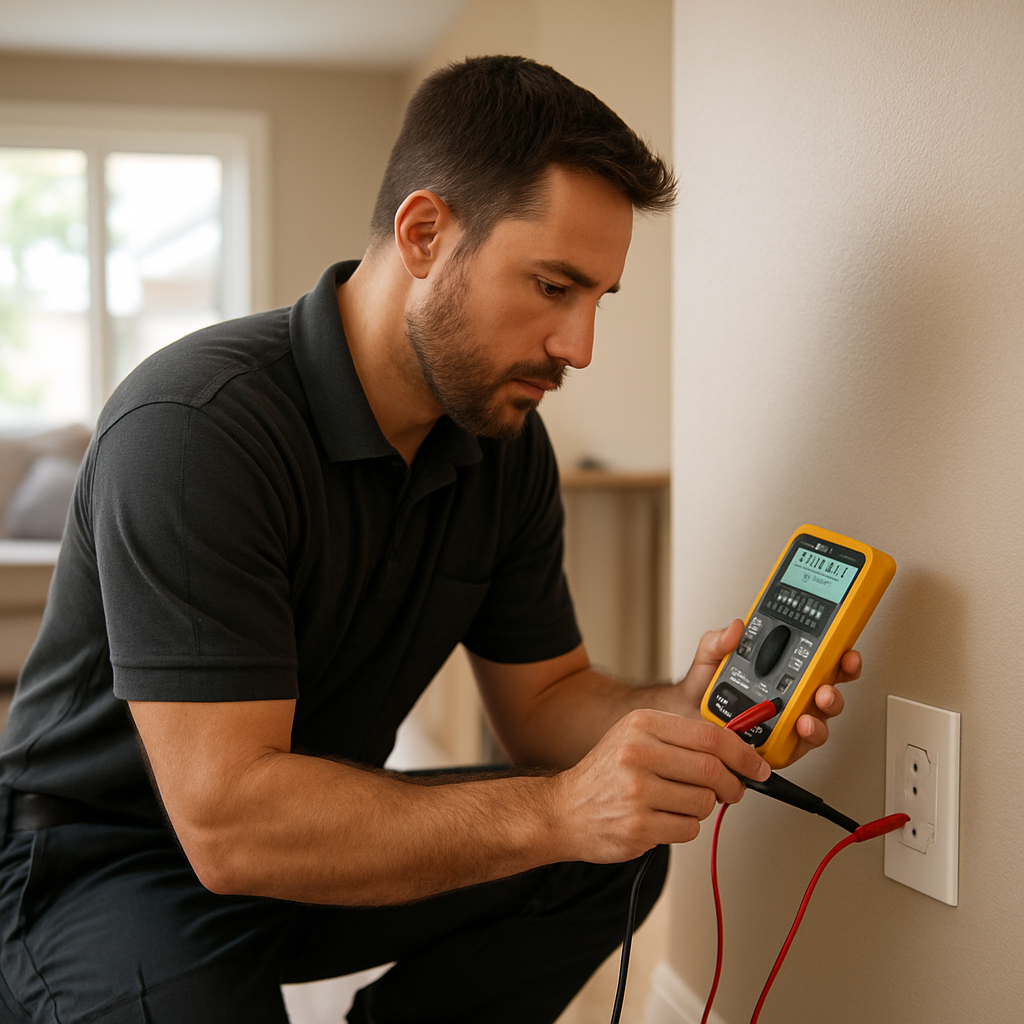
Start with what to prepare before booking a contractor online, then request a clear scope, permit expectations, timeline, and price before authorizing work.
Request electrical service in Portage, IN today. My Licensed Contractor can help you find qualified support for electrical repairs, inspections, upgrades, and emergency needs.
Frequently Asked Questions
Do I need a permit for electrical work in Portage, IN?
Permit requirements depend on the scope of work. The City of Portage Building Department provides electrical permit applications and inspection resources. Panel replacements, new circuits, service upgrades, generator connections, EV charger installations, and major remodeling work may require permits and inspections. Contact the Building Department at 219-762-4204 to confirm the current requirement for your project.
How do I know if my electrical panel needs to be replaced?
Common signs include recurring breaker trips, lights that dim when appliances start, a warm or damaged panel, corrosion, a fuse box, no capacity for new circuits, or plans to add major loads such as an EV charger, heat pump, hot tub, workshop equipment, or a finished basement. An electrician can inspect the panel and perform a load calculation.
What is whole-home surge protection, and is it worth it in Portage?
Whole-home surge protection is a panel-level device designed to reduce the impact of voltage spikes before they reach circuits throughout the home. It can be a practical consideration for Portage homes with sensitive electronics, HVAC equipment, smart devices, appliances, EV chargers, and exposure to storm-related outages or power fluctuations.
Can I run my sump pump on a generator?
Yes, but the generator should be connected through a properly installed transfer switch, interlock, or other approved method. Never plug a generator into a household outlet to power your home. A licensed electrician can identify the sump pump and other critical circuits to include in a safe backup-power plan.
What is the difference between GFCI and AFCI protection?
GFCI protection helps reduce shock risk by quickly shutting off power when it detects a ground fault. It is especially important around water, including bathrooms, kitchens, garages, basements, laundry areas, and exterior locations. AFCI protection is designed to detect certain hazardous arcing conditions that can lead to fires inside walls or wiring. Both play different roles in electrical safety.
How long does a panel upgrade take?
The installation work for a straightforward panel replacement may be completed in a day, but the overall timeline can depend on permit processing, inspection availability, service capacity, utility coordination, equipment availability, and whether additional wiring or service upgrades are required.
Are energy-efficiency incentives available for electrical upgrades?
NIPSCO states that it offers energy-efficiency programs and incentives, which may include equipment rebates and other resources for eligible residential and business customers. Program availability and requirements can change, so check directly with NIPSCO before making a purchase or scheduling work.
What should I do if I smell burning or see sparks from an outlet?
Stop using the outlet immediately. If it is safe to do so, turn off the affected circuit at the electrical panel. Do not continue using the outlet or repeatedly reset the breaker. Contact an electrician promptly. If you see active sparks, smoke, or fire, evacuate the area and call 911.
Nearby Cities in Indiana
Ready to Find a Licensed Contractor?
Connect with pre-screened, licensed contractors in your area.
Submit Your ProjectGet Matched Instantly
Tell us about your project and we'll connect you with licensed, verified contractors in your area.
Submit Your ProjectFind Contractors Near You
Get Matched Instantly
Tell us about your project and we'll connect you with licensed, verified contractors in your area.
Submit Your ProjectFind Contractors Near You