

How to Plan Electrical Repairs in Notre Dame IN With a Licensed Pro
Hire a Licensed Electrician in Notre Dame, IN
Key Takeaways
- Breaker trips, warm outlets, buzzing sounds, flickering lights, and burn marks near outlets are signs that you need a licensed electrician, not a DIY fix.
- Older homes near Notre Dame may have original wiring, outdated panels, ungrounded outlets, or other electrical components that do not meet modern household demand.
- Rental properties and student rentals benefit from electrical safety checks before tenant turnover, renovations, or high-demand appliance additions.
- Panel upgrades, new circuits, EV chargers, generator connections, and major rewiring projects may require permits and inspections.
- EV charger installation and backup generator hookups require proper circuit sizing, safe installation, and coordination with the applicable local permit authority and utility when needed.
Whether you are troubleshooting flickering lights in an older home near Notre Dame, preparing a rental property for new tenants, installing an EV charger, or planning a remodel, electrical work requires a qualified professional. A licensed electrician can diagnose the issue, complete repairs safely, and determine which permits and inspections apply to your project.
This page is for homeowners, landlords, student-rental owners, property managers, local businesses, and people buying older homes in the Notre Dame, IN area. Common needs in this area include electrical troubleshooting, pre-purchase inspections, panel upgrades, dedicated circuits, lighting, EV charging, backup power, and low-voltage or networking improvements.
Need electrical help in Notre Dame, IN? Submit your project through My Licensed Contractor to connect with licensed local professionals.
Notre Dame Permit and Utility Resources
| Resource | What It Can Help With | Link |
|---|---|---|
| St. Joseph County Permits and Forms | Find county building department, planning and zoning, public works, address, and permit-form resources for applicable projects. | St. Joseph County Permits and Forms |
| St. Joseph County Permit Information | Review county permit information, application resources, and fee information where applicable. | St. Joseph County Permits |
| South Bend Building Permits | For qualifying properties in South Bend jurisdiction, review electrical permit applications, EV charger permits, contractor registration details, and inspection contacts. | South Bend Building Permits |
| Indiana Michigan Power | Access electric-service, outage, account, and customer-support information. Service upgrades may require coordination between your electrician and the utility. | Indiana Michigan Power |
| My Licensed Contractor | Submit an electrical project and connect with licensed local contractors for repairs, inspections, upgrades, EV chargers, and backup-power projects. | Submit Your Project |
Notre Dame is an unincorporated community in St. Joseph County, so the permit authority can depend on the exact property address and project scope. Start with St. Joseph County’s permit and form directory and confirm the responsible authority before work begins. For qualifying properties within South Bend jurisdiction, the city publishes electrical permit applications, EV charger permits, contractor-registration requirements, and Building Department contact information through its Building Permits and Contractor Registrations page.
Common Electrical Problems in Notre Dame Homes
Electrical issues in Notre Dame, IN often reflect the age and type of housing in the area. Older homes may have been updated in stages over decades, sometimes leaving behind outdated wiring, overloaded circuits, ungrounded outlets, or work completed without a clear permit history. Knowing what to look for can help you decide when to call a professional.
Flickering or Dimming Lights
Flickering lights can point to a loose bulb, an incompatible dimmer, a failing fixture, a loose connection in the circuit, an overloaded panel, or a failing breaker. If lights dim when you run the microwave, air conditioner, vacuum, or another large appliance, the circuit may not have enough capacity for the load.
A single flickering fixture is not always an emergency, but lights that flicker in several rooms, dim severely when equipment starts, or occur with buzzing, heat, burning smells, or breaker trips need professional attention. An electrician can determine whether the issue is in the fixture, circuit, panel, service equipment, or utility connection.
Tripping Breakers
A breaker that trips occasionally may be doing its job by protecting the circuit from a temporary overload. A breaker that trips repeatedly on the same circuit is signaling that something is wrong. Possible causes include too many devices on one circuit, a faulty appliance, damaged wiring, moisture exposure, a short circuit, or a worn breaker.
Do not keep resetting a breaker that continues to trip. A licensed electrician can diagnose the cause, test the load, and determine whether you need a repair, a new circuit, a breaker replacement, or an appliance evaluation.
Warm Outlets or Switches
Outlets and switches should not feel warm to the touch during normal use. Heat can mean the wiring behind the device is undersized for the load, a connection has become loose, or the outlet itself is damaged and creating resistance. This can become a fire hazard and should be addressed quickly.
Stop using an outlet or switch that feels hot. Do not assume that a new cover plate or replacement outlet will solve the underlying problem. A qualified electrician should inspect the device, connections, wiring, and circuit before restoring use.
Buzzing or Crackling Sounds
Electrical sounds from outlets, panels, switches, or fixtures are not normal. Buzzing from a breaker panel can indicate a failing breaker, damaged component, loose connection, or arcing issue. Crackling from an outlet can be caused by a loose wire, a damaged device, or electrical arcing.
Do not remove a panel cover or attempt to tighten electrical connections yourself. If buzzing or crackling occurs with heat, sparks, intermittent power, smoke, or a burning odor, treat it as urgent and contact an electrician promptly.
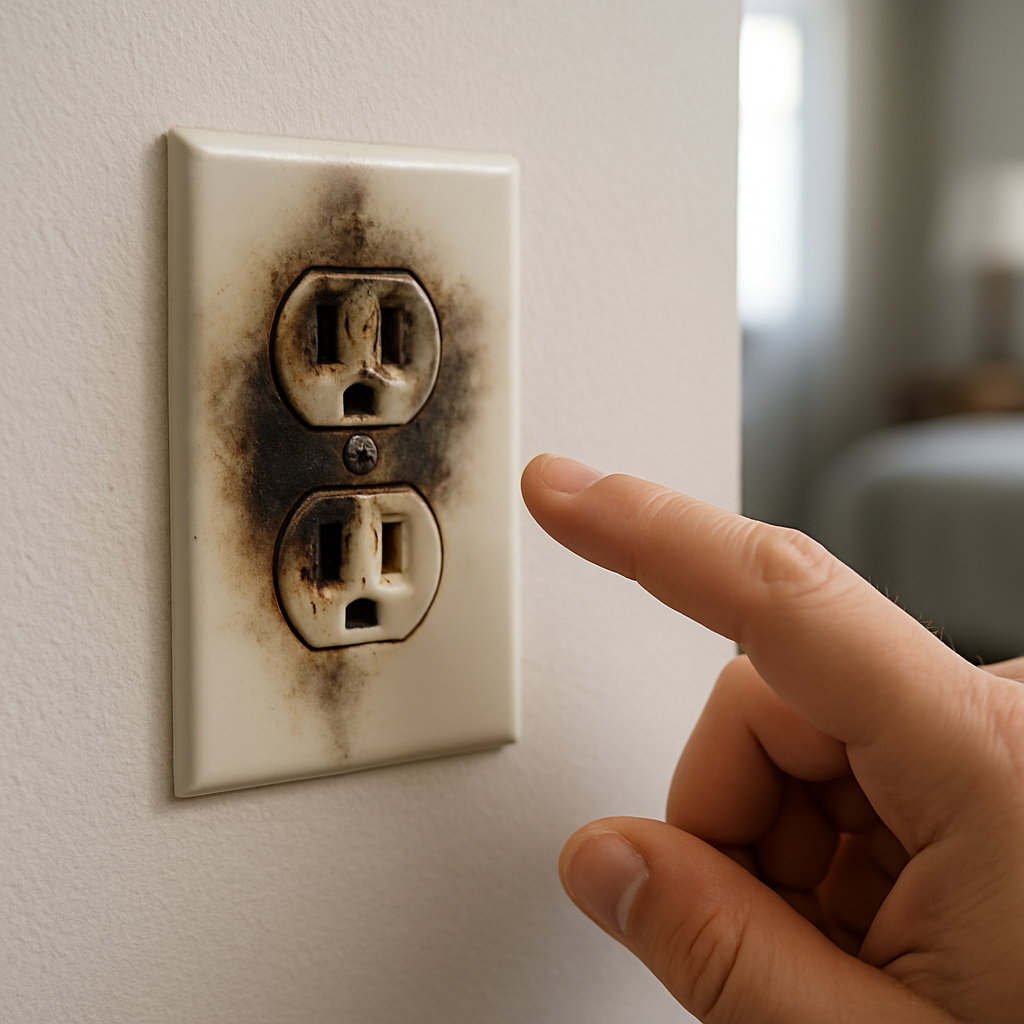
Burn Marks or Scorching
If you see discoloration or burn marks near an outlet or switch, or smell a burning odor, stop using that outlet and call an electrician. Scorch marks can indicate overheating or arcing has already occurred.
If it is safe to do so, turn off the affected circuit at the electrical panel without touching damaged equipment. If there is smoke, fire, or immediate danger, leave the area and call 911.
Electrical Inspections for Older Homes Near Notre Dame
Many homes near Notre Dame were built between the 1940s and 1970s. If you are buying one of these homes, own one that has not had an electrical inspection in years, or are preparing a property for new tenants, an inspection is a smart first step.
An electrical inspection can help identify immediate safety concerns, explain recurring symptoms, and provide a practical plan for improvements. It can also help you distinguish between issues that require urgent repair and upgrades that can be planned over time.
Common Issues in Older Homes
- Knob-and-tube wiring: This older wiring style was commonly used before the 1950s and generally lacks a grounding conductor. It was not designed for modern electrical loads and may require professional evaluation.
- Aluminum branch-circuit wiring: Some homes built in the 1960s and 1970s may have aluminum wiring. Aluminum wiring is not automatically unsafe, but connections need appropriate devices, installation methods, and professional evaluation because aluminum expands and contracts differently than copper.
- Undersized electrical panels: A 60-amp or 100-amp service may have been sufficient decades ago but may not support central air conditioning, modern kitchen appliances, home-office equipment, EV charging, and other higher-demand loads.
- Two-prong outlets: These can indicate older ungrounded circuits, which limit safe use of modern electronics and reduce the effectiveness of surge-protection equipment.
- Improvised DIY work: Open junction boxes, mismatched outlets, poorly labeled circuits, extension cords used as permanent wiring, and unusual panel modifications should be evaluated by a professional.
What an Electrical Inspection Can Cover
A licensed electrician can inspect the main panel for condition, capacity, visible wear, labeling, available circuit space, and signs of overheating. They can also review accessible wiring, outlets, switches, grounding, GFCI protection, smoke and carbon monoxide detector wiring, exterior electrical components, detached-garage circuits, and signs of previous unpermitted work.
Inspections are useful before a home purchase, sale, tenant turnover, major remodel, basement finish, EV charger installation, generator project, hot tub installation, or HVAC upgrade. For a broader preventive-maintenance plan, see The Ultimate Home Maintenance Checklist: Room-by-Room and System-by-System Guide.
Panel Upgrades and Service Upgrades
If your home has a 60-amp or 100-amp panel, frequent breaker trips, limited space for additional circuits, or plans for high-demand equipment, a panel assessment is worth discussing with a licensed electrician. A modern panel can improve safety, organization, capacity, and flexibility for future electrical needs.
Panel upgrades are not one-size-fits-all. While 200-amp service is common in newer homes and can support greater electrical demand, an electrician should perform a load calculation before recommending a specific service size. That calculation considers your existing appliances, heating and cooling equipment, future plans, panel condition, service equipment, and available electrical capacity.
When a Panel Upgrade May Make Sense
- Your panel is full and there is no room for new circuits.
- Breakers trip frequently or will not reset.
- You have a fuse box or an aging panel that has not been evaluated.
- The panel is corroded, damaged, poorly labeled, unusually warm, or shows signs of wear.
- You are adding a Level 2 EV charger, heat pump, hot tub, electric range, generator, workshop equipment, or home addition.
- You need additional circuits for a remodel, finished basement, rental-property upgrade, or detached garage.
Some panel brands and models have received significant industry scrutiny over breaker performance. Instead of relying on a brand name alone, ask an electrician to inspect the exact panel, breakers, service equipment, and condition of the installation before determining whether replacement is necessary.
What a Service Upgrade Can Involve
A service upgrade may include a new panel, breakers, grounding and bonding improvements, new circuits, service-entrance work, meter-related equipment, permits, inspections, and utility coordination. If a service disconnect or meter work is needed, your electrician may coordinate with Indiana Michigan Power or the applicable electric utility. Confirm exactly what the contractor includes in the written scope of work.
For more guidance on deciding when to replace a panel, read Panel Replacements in Indianapolis, IN: When to Upgrade, What It Costs, and What to Expect.
Whole-Home Surge Protection and Energy Monitoring
Whole-home surge protection is typically installed at or near the main electrical panel. It can help reduce the risk that electrical surges damage appliances, computers, televisions, routers, smart-home equipment, and other connected electronics. It should complement—not replace—proper grounding and point-of-use surge protection.
Energy-monitoring systems and smart-panel technologies can also help homeowners understand circuit usage, identify high-demand appliances, and plan for future improvements such as EV charging, battery storage, solar integration, or a home addition.
Electrical Needs for Rental Properties Near Notre Dame
If you own rental housing near Notre Dame, including student rentals, you are responsible for keeping the electrical system in safe condition. This goes beyond replacing light bulbs. It includes making sure panels, circuits, outlets, smoke alarms, and appliance connections are in sound working order.
Student rental properties can have higher electrical demand because multiple residents may use computers, gaming systems, mini refrigerators, window air conditioners, chargers, appliances, and other devices at the same time. Older circuits that were not designed for this level of usage may trip frequently or overheat.
Electrical Items to Review Before Tenant Turnover
- Panel labeling and breaker function.
- Loose, damaged, warm, or discolored outlets and switches.
- Grounding and GFCI protection in applicable locations.
- Smoke and carbon monoxide detector placement and function.
- Kitchen appliance circuits and bathroom outlets.
- Extension-cord and power-strip dependence caused by insufficient outlets.
- Window air conditioner, microwave, refrigerator, and laundry equipment loads.
- Visible wiring damage, open junction boxes, and signs of amateur electrical work.
In some cases, adding dedicated circuits for window air conditioners, microwaves, laundry equipment, home-office setups, or other high-demand appliances can reduce breaker trips and improve safety during the lease term.
Rental-property owners considering electrical improvements that support EV charging can read Solar & EV Chargers: Boost Rental Property NOI Today.
Dedicated Circuits for Appliances and Home Offices
A dedicated circuit runs directly from the panel to a single outlet or appliance, with no other devices sharing it. Many large appliances and systems need dedicated circuits because of their electrical demand.
Electric ranges, dryers, dishwashers, microwaves, refrigerators, freezers, sump pumps, central air conditioning systems, heat pumps, water heaters, and workshop equipment may require dedicated circuits depending on the equipment and installation. An electrician can determine the correct circuit size and wiring requirements.
Home Office and Media-Room Electrical Planning
If you have converted a bedroom, basement, or other space into a home office, dedicated circuits can help keep computers, monitors, printers, routers, and other equipment from sharing power with high-demand appliances. Proper outlet placement and surge protection can also improve convenience and help protect sensitive electronics.
If walls are open during a remodel, it can be a good time to plan for Ethernet runs, Wi-Fi access points, media-room wiring, security cameras, doorbells, and structured cabling. Some electricians provide low-voltage work directly, while others work with a low-voltage specialist.
Kitchen, Bathroom, Basement, and Garage Wiring
Electrical planning is especially important in kitchens, bathrooms, finished basements, garages, workshops, and outdoor spaces. Kitchens may need dedicated circuits for appliances and countertop receptacles. Bathrooms need properly protected outlets, lighting, and ventilation wiring. Finished basements often need additional outlets, lighting, smoke alarms, and dedicated sump-pump circuits.
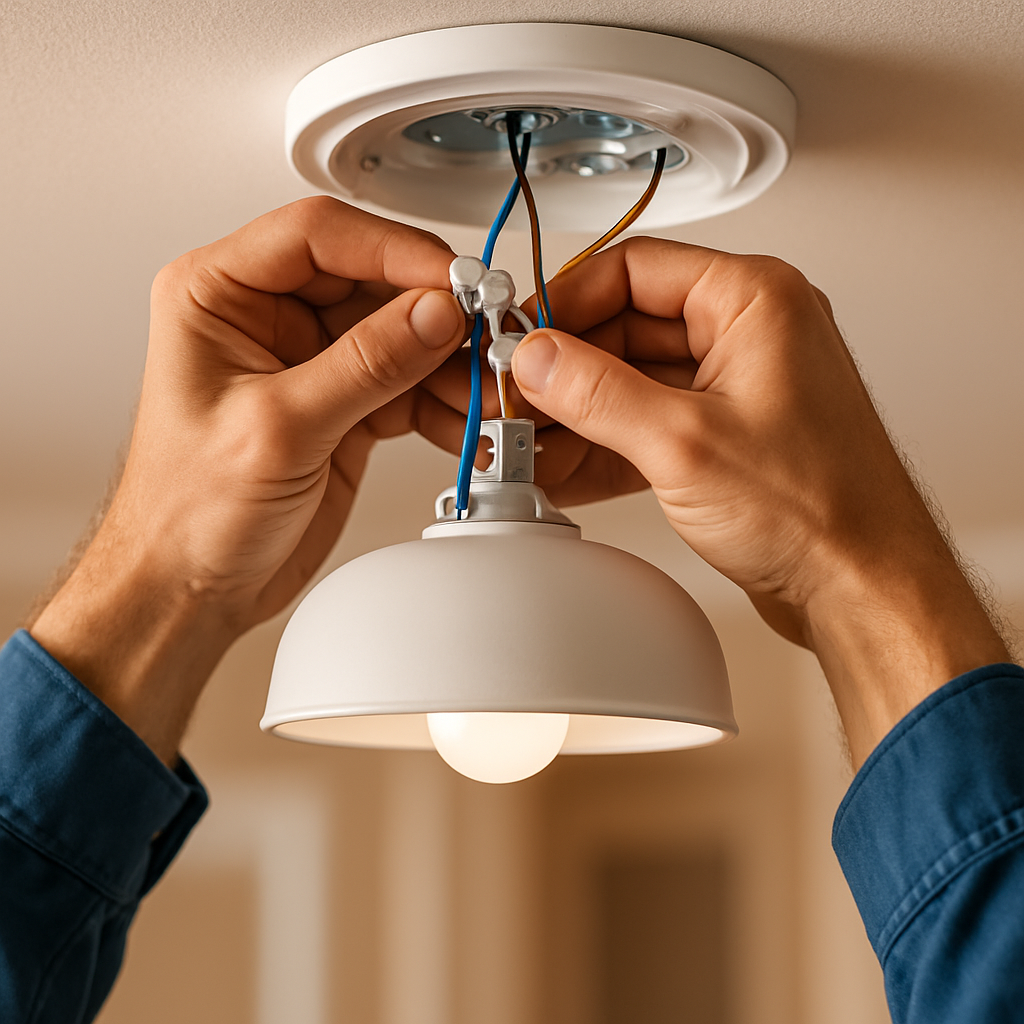
Garages and workshops may need brighter lighting, more outlets, 240-volt circuits for equipment, and safe wiring for power tools or compressors. An electrician can plan these improvements before drywall, cabinetry, flooring, and other finishes are installed.
EV Charger Installation in Notre Dame, IN
Electric vehicle ownership is increasing across Indiana, and Notre Dame-area residents may want the speed and convenience of charging at home. A Level 2 charger generally runs on a dedicated 240-volt circuit and can charge a vehicle much faster than a standard Level 1 outlet.
What the Installation Involves
A Level 2 charger requires the correct breaker, appropriately sized wiring, a suitable charging location, and a panel-capacity review. The exact circuit size depends on the charger and the installation. If your panel does not have available capacity, a panel upgrade, load-management solution, or other electrical improvement may be needed first.
Where you park affects the project. An attached garage close to the panel may allow for a relatively simple installation. A detached garage, driveway, or parking area farther from the home may require exterior conduit, underground wiring, a subpanel, or a longer cable route.
Permits and Utility Considerations
EV charger projects may require a permit and inspection, depending on the address and local jurisdiction. For projects within South Bend jurisdiction, the city publishes a specific EV Charger Permit Application among its building-permit resources. Confirm permit responsibility, inspection scheduling, and utility coordination in your electrician’s written estimate.
Before assuming a tax credit, rebate, or special utility rate is available, check current program requirements directly with the utility, your tax professional, and the charger or vehicle manufacturer. Incentives and rate programs can change.
Backup Power: Generators and Battery Systems
Severe weather, ice, wind, and other events can cause outages in northern Indiana. A backup-power plan can help keep important systems operating, including refrigerators, sump pumps, lighting, internet equipment, medical devices, security equipment, and selected heating or cooling equipment.
Standby Generators
A standby generator connects to your home’s electrical system through a transfer switch and can start automatically when utility power is lost. Natural-gas and propane systems are common options for whole-home or larger-load backup. A licensed electrician installs the transfer equipment and electrical connection between the generator and panel.
Portable Generator Safety
Portable generators must never be connected directly to your home’s wiring without a properly installed interlock or transfer switch. Backfeeding can energize utility lines and endanger lineworkers restoring power.
Operate portable generators outdoors, away from windows, doors, and vents to reduce carbon monoxide risk. A licensed electrician can install a manual transfer switch or approved interlock system to make portable-generator use safer and more practical.
Battery Backup Systems
Home battery systems can store electricity and power selected circuits during an outage. They may be paired with solar panels or charged from the grid, depending on the system design. Battery storage projects are more complex than standard generator hookups and should be planned by an electrician experienced with battery equipment, critical-load panels, and applicable electrical requirements.
Lighting, Safety, and Low-Voltage Improvements
Lighting upgrades are among the most common electrical requests during interior renovations. Recessed lighting, under-cabinet lighting, dimmer switches, updated fixtures, ceiling fans, exterior security lights, and landscape lighting all require safe wiring and proper junction-box connections.
If you are replacing a ceiling fan or adding one where only a light fixture exists, the electrical box may need to be upgraded to a fan-rated box. A licensed electrician can verify the support and wiring before mounting the fan.
Exterior circuits need weather-rated equipment and proper protection. Outdoor outlets, patio circuits, detached-garage wiring, security lighting, doorbells, cameras, and landscape lighting all benefit from a correctly designed installation that accounts for moisture exposure and physical damage.
For a practical overview of what homeowners should and should not attempt themselves, read Don’t Get Zapped: What Electrical Jobs You Can Actually DIY.
Permits and Inspections for Electrical Work in Notre Dame, IN
Notre Dame is an unincorporated community in St. Joseph County. Electrical permit requirements can vary by property address, project type, and the authority having jurisdiction. Major projects such as panel replacements, service upgrades, rewiring, new circuits, generator transfer equipment, EV charger installation, detached-building wiring, and remodel electrical work may require permits and inspections.
For county-related resources, start with St. Joseph County’s permits and forms directory. It includes Building Department and planning-related resources. For properties under South Bend’s jurisdiction, the city states that permit applications, required documentation, and applicable fees must be submitted before a permit is issued; its page also lists electrical, solar, and EV charger permit applications.
When a permit is required, your electrician may identify the correct authority, prepare the necessary materials, submit the application when included in the scope, schedule inspections, coordinate any utility-related service work, and address inspection corrections. Confirm these responsibilities in writing before the project begins.
Skipping permits can create problems later. Unpermitted electrical work may surface during a buyer’s inspection, create costly correction work, delay a sale, or complicate an insurance claim after a fire or electrical incident. For more guidance, see Permits and Contractors: How to Make Sure Your Home Project Is Done Right.
How to Choose a Licensed Electrician in Notre Dame, IN
Choosing an electrician is about more than accepting the lowest quote. You want a professional who can diagnose the issue correctly, has relevant experience, communicates clearly, provides written terms, carries appropriate insurance, and follows the permit and inspection process when it applies.
- Ask for the contractor’s license number and confirm that the credentials are appropriate for the work.
- Ask for proof of general liability insurance and applicable workers’ compensation coverage.
- Confirm whether the contractor will pull permits and schedule inspections.
- Request a written estimate that describes the scope, labor, materials, permit costs, payment schedule, and expected timeline.
- Ask whether the quote includes panel work, utility coordination, inspection fees, wall repairs, restoration work, equipment, and cleanup.
- Ask about workmanship warranties and manufacturer warranties.
- Review experience with projects similar to yours, such as older-home rewiring, student rentals, panel upgrades, generator equipment, EV chargers, or commercial work.
- Compare multiple quotes by scope, materials, schedule, warranty, qualifications, and communication—not price alone.
Questions Worth Asking Before You Hire
- Will you pull the permit and schedule the required inspections?
- Does the estimate include permit fees and inspection coordination?
- Will this project require a utility disconnect, meter work, or reconnection scheduling?
- What conditions could change the quoted price, and how are change orders handled?
- How long will the project take once permits, materials, and scheduling are in place?
- What workmanship warranty do you provide?
- Will wall, ceiling, exterior, or landscaping repairs be required after the electrical work is completed?
For help evaluating bids, read Request Contractor Quotes Online: A Homeowner’s Guide to Better Bids. You can also review Unlicensed Electricians Can Void Insurance Claims and Can Hiring an Unlicensed Electrician Affect Your Insurance Claim in Indianapolis? before deciding whom to hire.
Electrical Emergencies: When to Call Immediately
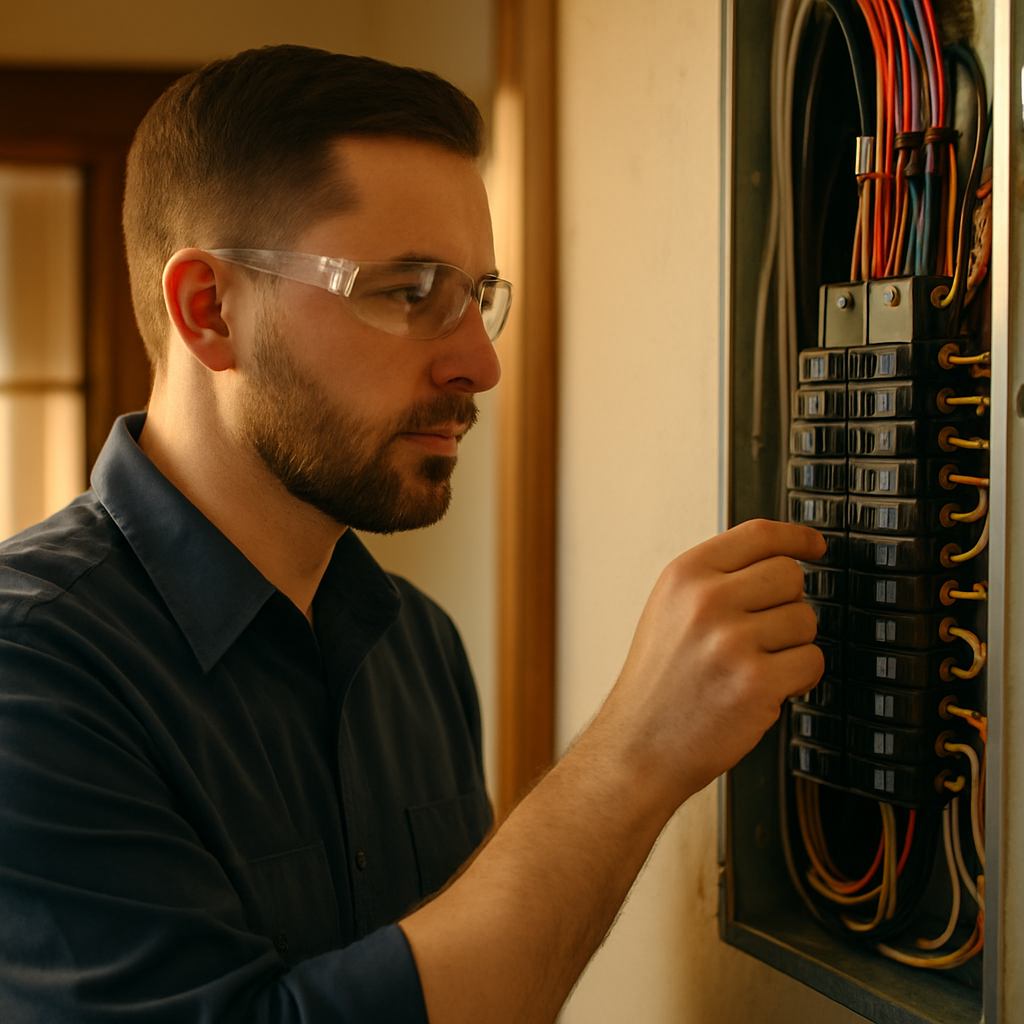
Some electrical problems should be treated as urgent. Contact a licensed electrician promptly if you notice a burning odor, hot outlet, hot switch, sparking, smoke, scorch marks, a repeated electrical shock, water near an electrical panel or outlet, or buzzing that occurs with heat or intermittent power loss.
Call 911 or the appropriate utility first when there is a fire, active smoke, a downed power line, significant flooding around electrical equipment, or another immediate threat to people or property. Never touch a downed line, attempt to open your electrical panel, repeatedly reset a breaker, or use electrical equipment that may have been exposed to water.
Connect With a Licensed Electrician Through My Licensed Contractor
Whether you need a panel inspection, an EV charger installed, wiring repairs in an older home, electrical upgrades for a student rental, a new dedicated circuit, generator connection equipment, or help planning a renovation, start by sharing the project details.
Submit your electrical project through My Licensed Contractor to connect with licensed electricians serving Notre Dame, IN and the surrounding area.
Frequently Asked Questions
Do I need a permit for electrical repairs for a home in Notre Dame, IN?
It depends on the project, property address, and local jurisdiction. Minor repairs, such as replacing an existing outlet or switch, may not require a permit. Larger work, including panel upgrades, new circuits, rewiring, generator transfer equipment, and EV charger installation, may require permits and inspections. Start with St. Joseph County permit resources and confirm requirements before work starts.
Who handles electrical permits near Notre Dame?
Notre Dame is an unincorporated community in St. Joseph County, so the responsible authority can vary by address. County resources may apply to unincorporated-area projects, while qualifying properties within South Bend jurisdiction can use the city’s Building Permits and Contractor Registrations page. Your electrician should confirm the proper authority for your specific property.
How do I know if my older home needs a panel upgrade?
If your panel is 60 or 100 amps, breakers trip frequently, the panel is full, you have a fuse box, or you are planning to add an EV charger, heat pump, generator, hot tub, workshop, or addition, schedule a panel assessment. An electrician can perform a load calculation and inspect the equipment before recommending an upgrade.
Is aluminum wiring dangerous?
Aluminum branch-circuit wiring is not automatically dangerous, but it requires specific handling. Connections at outlets, switches, and fixtures need compatible devices and appropriate installation methods. A licensed electrician can inspect aluminum wiring, identify potential concerns, and recommend corrections or replacement options when needed.
What does a whole-home electrical inspection include?
An electrical inspection may include the panel, breakers, visible wiring, outlets, switches, grounding, accessible junction boxes, GFCI protection, smoke and carbon monoxide detector wiring, visible signs of water damage, exterior electrical equipment, and capacity for future loads.
What should I do if a rental property has frequent breaker trips?
Schedule an inspection from a licensed electrician. Frequent breaker trips in a rental property can indicate overloaded circuits, faulty appliances, wiring concerns, or insufficient capacity for the number of devices tenants use. Adding dedicated circuits or upgrading the panel may be appropriate depending on the findings.
Can a licensed electrician also handle low-voltage work like Ethernet wiring?
Some electricians provide low-voltage services, including Ethernet, security-camera, doorbell, speaker, and structured-cabling work. Others partner with a low-voltage specialist. Ask before hiring, especially if you are renovating and walls will already be open.
Can I install a Level 2 EV charger in my garage myself?
A Level 2 charger requires a dedicated 240-volt circuit, correctly sized wiring, proper breaker selection, grounding, and potentially permits and inspections. Because this work involves the electrical panel and high-voltage equipment, hiring a licensed electrician is the safer approach.
Do I need a panel upgrade for an EV charger?
Not always. An electrician should review panel condition, available capacity, charger size, current household demand, HVAC equipment, appliances, and future plans. A load calculation helps determine whether your existing system can support the charger or needs an upgrade.
How long does a panel upgrade take?
A straightforward panel replacement may take about one working day, but the full timeline can be longer if permits, inspections, meter work, service entrance upgrades, utility disconnects, or repairs to existing wiring are required. Your electrician can provide a project-specific timeline after inspecting the property.
What is the safest way to use a portable generator?
Operate portable generators outdoors, well away from doors, windows, and vents. Never plug one directly into a wall outlet or panel. Have a licensed electrician install a transfer switch or approved interlock system so generator power can be used without backfeeding utility lines.
What should I do if an outlet smells like it is burning?
Stop using the outlet immediately. If it is safe, turn off the circuit at the panel without touching damaged equipment. If you see smoke or fire, leave the area and call 911. Have a licensed electrician inspect the outlet and circuit before restoring power.
How can I find a licensed electrician in Notre Dame, IN?
Use My Licensed Contractor to submit your project details and connect with licensed local professionals for electrical repairs, upgrades, inspections, EV chargers, generators, and other electrical work.
Nearby Cities in Indiana
Ready to Find a Licensed Contractor?
Connect with pre-screened, licensed contractors in your area.
Submit Your ProjectGet Matched Instantly
Tell us about your project and we'll connect you with licensed, verified contractors in your area.
Submit Your ProjectFind Contractors Near You
Get Matched Instantly
Tell us about your project and we'll connect you with licensed, verified contractors in your area.
Submit Your ProjectFind Contractors Near You