

Princeton, IN: Electrical Repairs, Upgrades and Commercial Electrical Planning
Princeton, IN: Electrical Repairs, Upgrades & Commercial Electrical Planning
14 min read | Electrical
Key Takeaways
- My Licensed Contractor connects Princeton homeowners and businesses with qualified electricians for repairs, inspections, upgrades, and installations.
- Breaker trips, flickering lights, dead outlets, buzzing panels, burning odors, hot switches, and partial power loss need professional attention.
- From older-home wiring and panel upgrades to generators, EV chargers, equipment circuits, and commercial build-outs, electricians can plan solutions around your property’s actual needs.
- Confirm permit, inspection, and utility requirements before electrical work begins.
Local Permit & Utility Resources
| Organization | What It Helps With | Contact |
|---|---|---|
| City of Princeton Planning Department | Construction permits, commercial-building permit requirements, site-plan questions, local planning information, and project coordination |
City of Princeton Planning Department 220 S. Richland Creek Dr., Princeton, IN 47670 812-386-1333 |
| City of Princeton Utilities Department | City water, wastewater, sanitation, street, and utility-service questions |
City of Princeton Utilities Department 220 S. Richland Creek Dr., Princeton, IN 47670 812-385-3343 or 812-385-3345 |
| Duke Energy Indiana | Electric-service questions, outage reporting, meter and service coordination, and account-specific utility information for properties in its service territory |
Duke Energy Customer Service 800-521-2232 |
| WIN Energy REMC | Electric-service, outage, meter, and service-upgrade questions for customers in the cooperative’s territory |
WIN Energy REMC 1314 County Rd. 100 N., Princeton, IN 47670 812-882-5140 |
Permit rules, inspection procedures, utility service territories, fees, and service-entrance requirements can vary by property address and project scope. Confirm current requirements with the City of Princeton and the serving electric utility before work begins.
Electrical Repairs, Upgrades & Commercial Work in Princeton
Princeton is a southwest Indiana community with established homes, rental properties, small businesses, manufacturers, retail spaces, healthcare services, agricultural operations, and supplier facilities. Electrical needs can vary considerably from one property to the next. A homeowner may need a dedicated circuit for a heat pump or workshop, while a commercial property may need capacity planning, equipment wiring, lighting upgrades, surge protection, or tenant-build-out work.
Many established homes may have electrical systems designed for a much lighter household load than today’s appliances, electronics, HVAC equipment, charging devices, and home-office setups require. Older wiring, limited circuit capacity, ungrounded outlets, aging panels, and previous DIY modifications can all affect electrical safety and reliability.
My Licensed Contractor connects Princeton homeowners, landlords, and business owners with qualified electricians for electrical repairs, inspections, panel evaluations, rewiring, dedicated circuits, generators, EV chargers, lighting, and commercial electrical planning.
Book a contractor online when you are ready to begin. If you have an active electrical fire, smoke, or immediate danger, call 911 first. For burning odors, hot outlets, repeated breaker trips, sparking, buzzing equipment, or other urgent concerns, seek professional electrical help promptly.
Residential Electrical Repairs in Princeton
Electrical problems often begin with symptoms that seem minor. A breaker may trip occasionally, an outlet may stop working, or lights may flicker when an appliance starts. These issues can have several causes, and replacing the visible device does not always solve the underlying problem. A qualified electrician can trace the issue to the fixture, device, circuit, wiring connection, electrical panel, service equipment, or appliance.
Repeated Breaker Trips
A breaker that trips once after an unusual load may be doing its job. A breaker that trips frequently under normal use can indicate an overloaded circuit, failing appliance, damaged wiring, loose connection, short circuit, ground fault, or worn breaker.
Older homes may have limited circuits in kitchens, laundry areas, garages, basements, and bedrooms. When modern appliances, chargers, entertainment equipment, and office devices share those circuits, overloads can become more likely. An electrician can determine whether the right solution is a repair, new breaker, dedicated circuit, subpanel, panel replacement, or service-capacity upgrade.
Flickering or Dimming Lights
A loose bulb, failing fixture, dimmer incompatibility, damaged switch, loose connection, overloaded circuit, or service-related concern can cause lights to flicker. If lights dim when HVAC equipment starts, the microwave runs, the refrigerator cycles, or workshop equipment turns on, the property may need a circuit or load-capacity evaluation.
Flickering that affects multiple rooms, happens without a clear trigger, or occurs along with buzzing, warm outlets, breaker trips, or partial power loss should be professionally inspected.
Dead Outlets and Non-Working Switches
A dead outlet may be connected to a tripped GFCI device elsewhere on the circuit. It can also indicate a damaged receptacle, loose wire connection, failed switch, broken conductor, or circuit problem farther from the visible outlet.
Switches that feel warm, make unusual noises, work inconsistently, or show discoloration should also be inspected. Do not assume that replacing a cover plate or moving a plug to another outlet solves the problem.
Buzzing Panels, Hot Outlets, and Burning Odors
Electrical panels should not buzz, crackle, or hum loudly. Likewise, outlets and switch plates should not feel warm during normal use. A burning odor, scorched outlet, melted plastic, smoke, active sparking, or a hot panel can indicate overheating, damaged wiring, or a loose connection.
Stop using the affected circuit, outlet, switch, or appliance. If it is safe to do so, turn off the affected breaker without touching hot, damaged, or sparking equipment. Call 911 for smoke, active fire, or immediate danger. Otherwise, arrange emergency electrical service promptly.
For related household repair guidance, read 7 signs you need same-day home repair help.
Partial Power Loss
If power is lost in one part of a home while other areas remain energized, the cause may be a failed breaker, loose panel connection, damaged circuit, appliance issue, or service-related problem. When the issue affects multiple rooms or major equipment, such as a sump pump, refrigerator, HVAC system, or well pump, schedule an electrical evaluation promptly.
If the issue appears related to a neighborhood outage, downed line, damaged service connection, or utility equipment, contact the serving electric utility. For a problem isolated to your home, an electrician can inspect the panel, accessible wiring, and affected circuits.
Older Home Wiring and Safety Upgrades
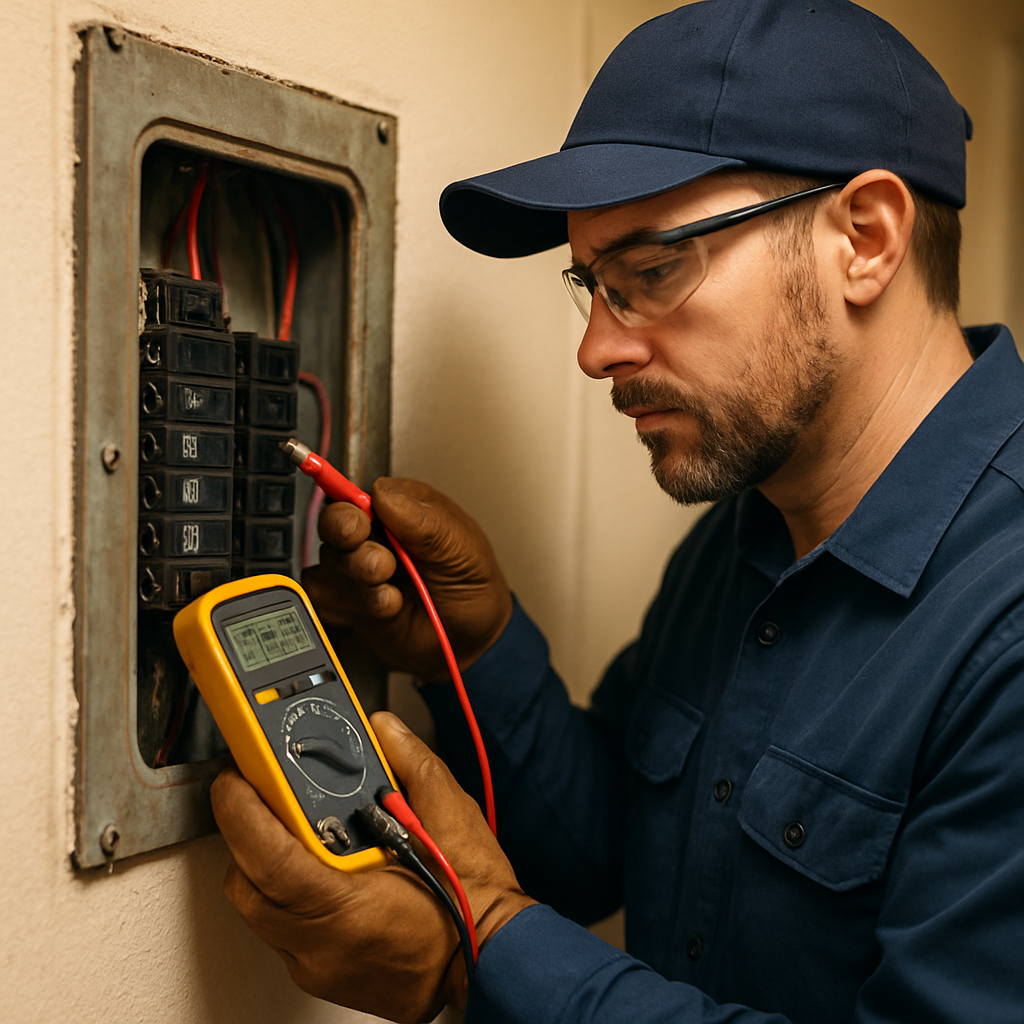
Older homes can be comfortable and valuable, but their electrical systems may not fully support modern loads or current safety expectations. An electrician can determine whether a home needs a targeted repair, new circuits, updated safety protection, a partial rewire, a panel replacement, or a broader service upgrade.
Aluminum Branch-Circuit Wiring
Some homes built during the late 1960s and 1970s may have aluminum branch-circuit wiring. Aluminum wiring is not automatically unsafe, but it requires compatible devices, connectors, and installation methods. Improperly modified or loose connections can overheat over time.
An electrician can identify accessible aluminum conductors, inspect connections, and recommend appropriate remediation. The right approach may involve repairs at connection points, compatible devices, specialized connectors, or targeted circuit replacement based on the condition of the system.
Knob-and-Tube Wiring
Knob-and-tube wiring is an older, ungrounded wiring method that may remain in some historic homes. It was not designed for grounded appliances, current household electrical loads, modern insulation practices, or today’s safety protections. A qualified electrician can inspect accessible areas and explain whether selective upgrades, a phased rewiring plan, or full replacement is appropriate.
Two-Prong Outlets and Grounding
Two-prong outlets may be present in older homes without grounding conductors. They are not automatically unsafe simply because they exist, but they limit the use of grounded equipment and may point to a need for electrical modernization. An electrician can evaluate the wiring, explain grounding options, and recommend suitable GFCI protection or receptacle upgrades where appropriate.
Whole-Home and Partial Rewiring
A full rewire may make sense when wiring is damaged, deteriorated, ungrounded, improperly modified, or unable to safely support modern appliances and electrical demand. In other cases, partial rewiring, dedicated circuits, grounded outlet upgrades, GFCI/AFCI protection, and targeted repairs may provide a more practical path.
Rewiring can often be coordinated with a kitchen remodel, basement finish, addition, or other open-wall project to reduce disruption. Before attempting electrical work yourself, review what electrical jobs homeowners can actually DIY.
Panel Replacements and Electrical Capacity Upgrades
Your electrical panel distributes electricity throughout the property and helps protect circuits from overloads and faults. Panel condition, available breaker space, service size, circuit organization, grounding, and planned electrical loads all matter when an electrician evaluates the system.
Panel replacement can be an important safety or modernization project, but it is not automatically the right answer to every electrical issue. A qualified electrician may instead recommend a new dedicated circuit, subpanel, targeted repair, load-management equipment, partial rewiring, or service upgrade.
When to Schedule a Panel Evaluation
- Breakers trip repeatedly or fail to stay reset
- The electrical panel feels warm, makes unusual sounds, shows corrosion, or appears damaged
- Your home has a fuse box or limited space for new circuits
- The panel is poorly labeled, overcrowded, or contains signs of improper past work
- You are adding an EV charger, heat pump, mini-split, hot tub, electric range, workshop, or electric water heater
- You are remodeling a kitchen, finishing a basement, building an addition, or converting a garage
- Your current service may not support planned electrical demand
Some homes may be well served by 100-amp service, while others need more capacity. The right answer depends on a load calculation that accounts for HVAC equipment, appliances, existing circuits, detached structures, planned improvements, and future demand.
For additional planning guidance, read panel replacements: when to upgrade, what it costs, and what to expect and electrical upgrades for homeowners and small businesses.
Dedicated Circuits for Modern Equipment
Dedicated circuits provide power to a single appliance or electrical load. They help prevent nuisance breaker trips, reduce overload concerns, and support equipment that should not share a circuit with other major loads.
- HVAC systems, heat pumps, and mini-splits
- Electric ranges, ovens, and cooktops
- Dryers and electric water heaters
- Dishwashers, disposals, microwaves, and refrigerators
- Sump pumps and well pumps
- Garage tools, welders, compressors, and workshop equipment
- Home-office equipment and networking hardware
- Hot tubs, spas, and pool equipment
- Level 2 EV chargers
Whole-Home Surge Protection
Whole-home surge protection can be installed at or near an electrical panel to provide an additional layer of protection against voltage spikes. It can be particularly useful for homes and businesses with sensitive electronics, smart appliances, networking equipment, HVAC controls, or expensive appliances.
Surge protection does not guarantee that equipment will never be damaged, but it can be a practical addition during a panel replacement, service upgrade, or broader electrical modernization project.
Generator Connections and Storm-Readiness Planning
Thunderstorms, wind events, ice, and other weather conditions can interrupt power in southwest Indiana. A carefully planned generator connection can help homeowners and businesses support selected loads during an outage, including refrigeration, sump pumps, selected lighting, internet equipment, phone chargers, medical devices, security systems, and compatible heating or cooling equipment.
Transfer Switches and Interlock Kits
Never connect a portable generator directly to household wiring through an outlet. This can back-feed power into utility lines, create a severe hazard for utility workers and neighbors, damage electrical equipment, and harm the generator when utility service returns.
A qualified electrician can install an appropriate transfer switch or approved interlock arrangement where suitable for the electrical panel and project. The setup should be designed around the loads the property owner needs to support during an outage.
Portable and Standby Generators
- Manual transfer switches for portable generators
- Approved interlock kits for compatible electrical panels
- Automatic transfer switches for standby generators
- Critical-circuit planning for refrigerators, freezers, sump pumps, lighting, and internet equipment
- Backup-power planning for medical equipment, security equipment, and business systems
- Whole-home surge protection and grounding improvements
Never operate a generator indoors, in a garage, or near windows, doors, or ventilation openings. For related HVAC preparedness guidance, read when to call for emergency AC service and these monthly HVAC maintenance tips for Indiana homeowners.
EV Chargers, Heat Pumps, and High-Demand Equipment
Electrification projects can increase a property’s electrical demand. EV chargers, heat pumps, mini-splits, electric water heaters, induction ranges, electric dryers, hot tubs, and workshop equipment may all require dedicated circuits and a review of the existing panel and service capacity.
Level 2 EV Charger Installation
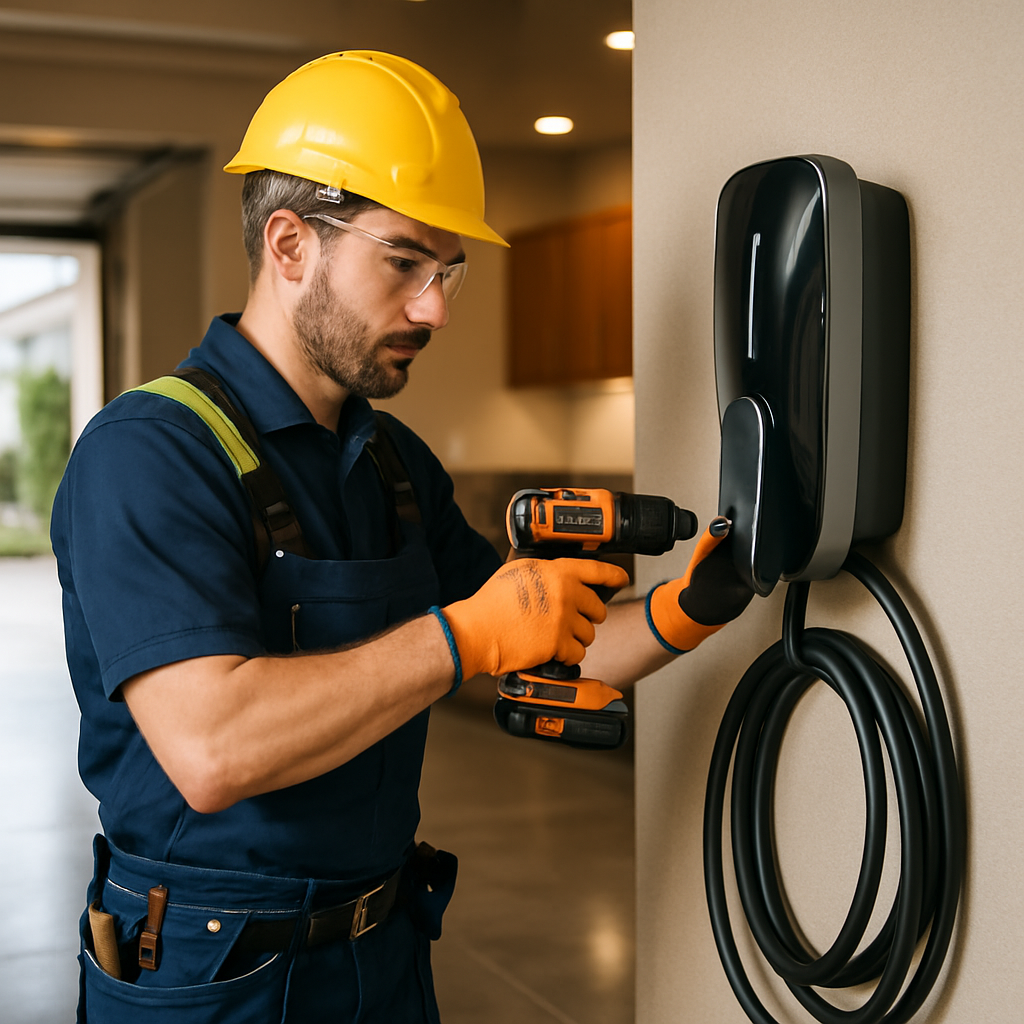
A Level 2 EV charger generally uses a dedicated 240-volt circuit. Before installation, an electrician should assess the home’s existing service size, available breaker space, panel condition, charger location, wiring route, parking layout, and expected future electrical demand.
Not every EV charger installation requires a panel or service upgrade. In some homes, a new dedicated circuit is enough. In others, an electrician may recommend a subpanel, panel replacement, load-management equipment, or service upgrade after completing a load calculation.
Planning for HVAC and Appliance Upgrades
Electrical planning should be part of any major HVAC or appliance change. Replacing a gas appliance with an electric alternative, adding a heat pump, installing a mini-split, or upgrading a kitchen may require new circuits and additional capacity.
Planning the electrical work alongside the HVAC or remodeling project can reduce disruption, prevent rework, and help ensure the new equipment is properly supported.
Whole-Home Electrical Inspections
A whole-home electrical inspection provides a clearer view of an electrical system’s condition. It is useful for older homes, recently purchased properties, rental homes, renovations, equipment upgrades, and properties with recurring electrical symptoms.
When to Schedule an Electrical Inspection
- Before buying an older home
- After purchasing a property with an unknown electrical history
- Before a kitchen remodel, basement finish, addition, garage conversion, or major renovation
- Before adding an EV charger, hot tub, generator connection, heat pump, or other major load
- After water intrusion, storm damage, lightning activity, or suspected electrical damage
- When breakers trip frequently, lights flicker, outlets feel warm, or GFCIs fail to reset
- Before placing a rental property back on the market after a long vacancy or major turnover
What an Electrical Inspection Can Cover
- Electrical panel condition, breaker operation, and circuit labeling
- Visible wiring, accessible connections, and signs of amateur modifications
- Outlets, switches, fixtures, and exterior electrical components
- Grounding and bonding systems
- GFCI and AFCI protection where applicable
- Signs of overheating, water damage, corrosion, loose connections, or overload
- Panel-capacity concerns related to future projects
- Surge-protection and dedicated-circuit recommendations
Not every inspection finding requires immediate replacement or rewiring. A qualified electrician can help prioritize immediate safety concerns, recommended improvements, and items that can be planned over time. For broader property upkeep, use this room-by-room and system-by-system home maintenance checklist.
Commercial Electrical Services in Princeton
Princeton and Gibson County have a diverse economy that includes automotive manufacturing, suppliers, healthcare, retail, agriculture-related businesses, logistics, offices, restaurants, workshops, and light industrial operations. Major employers in Gibson County include Toyota Motor Manufacturing Indiana, Toyota Boshoku, Vuteq, Deaconess Gibson Hospital, and other manufacturing and service organizations. Electrical needs at these types of properties can extend beyond typical residential work.
My Licensed Contractor can help businesses connect with qualified electricians for small-business, commercial, tenant-improvement, and light-industrial electrical projects. This does not imply that a contractor works directly for any specific named employer or facility.
Equipment Circuits and Electrical Capacity
Commercial and light-industrial properties may need dedicated circuits for manufacturing tools, refrigeration, computer equipment, point-of-sale systems, server rooms, commercial kitchen equipment, pumps, HVAC systems, lighting, and specialty equipment.
Before installing high-demand equipment, an electrician can evaluate the existing panel, service capacity, available breaker space, wiring, disconnects, and planned load. Running equipment on circuits that are not designed for the demand can create safety hazards, nuisance trips, equipment damage, and operational disruptions.
Lighting Upgrades and Controls
Commercial lighting projects can include LED retrofits, warehouse lighting, exterior lighting, parking-lot lighting, security lighting, office lighting, emergency lighting, exit signs, timers, occupancy controls, and lighting-control upgrades.
Better lighting can improve visibility, safety, employee comfort, customer experience, and long-term maintenance planning. An electrician can help identify fixture, control, and circuit changes needed for a renovation, tenant build-out, or general lighting modernization project.
Tenant Build-Outs and Business Renovations
When a tenant moves into a commercial space, the electrical layout may need to change to fit the new use. A restaurant, office, retail store, clinic, workshop, or warehouse can have very different equipment and circuit needs.
Tenant-improvement work may involve new circuits, outlet relocations, lighting, equipment disconnects, data/POS coordination, breakroom circuits, commercial kitchen wiring, emergency lighting, and panel capacity upgrades. Planning electrical work before drywall, flooring, equipment installation, and final finishes can help avoid costly rework.
Surge Protection and Backup Power
Businesses that rely on computers, servers, networking equipment, refrigeration, point-of-sale systems, security equipment, or sensitive electronic devices may benefit from whole-building surge protection and backup-power planning. Depending on the operation, this may include standby generators, portable-generator transfer equipment, UPS systems for critical electronics, or a combination of solutions.
Commercial Project Coordination
Commercial electrical work can require coordination among the contractor, property owner, tenant, general contractor, utility, architect, engineer, and local permitting authorities. The City of Princeton states that commercial projects require a City commercial building permit, State Construction Design Release, and site plan. Confirm the exact scope and submission requirements before construction begins.
Permitting Requirements for Electrical Work in Princeton
The City of Princeton states that permits are required for construction, demolition, and signs within City limits and within a two-mile radius of City limits. Electrical projects may involve permits and inspections depending on the project type, location, and scope.
Projects that may require permit or inspection coordination include panel replacements, service upgrades, new circuits, rewiring, generator connections, EV chargers, additions, detached structures, commercial build-outs, lighting upgrades, and equipment installations. Confirm current requirements with the City before work begins.
Residential Project Planning
For residential projects, a contractor should explain whether permits are required, who will apply, who will schedule inspections, whether utility coordination is necessary, and what is included in the scope. The estimate should identify whether the work involves a repair, dedicated circuit, subpanel, panel replacement, service upgrade, or rewiring project.
Commercial Project Planning
Commercial work can involve plan review, building permits, inspection stages, site-plan requirements, State Construction Design Release requirements, utility coordination, and documentation from multiple project professionals. A commercial electrician should coordinate with the project’s general contractor, architect, engineer, or property manager as appropriate.

For a homeowner-friendly explanation of why permits matter, read permits and contractors: how to make sure your home project is done right.
How to Find an Electrician in Princeton, IN
Choosing an electrician should involve more than comparing the lowest quote. Electrical work affects fire safety, shock protection, equipment reliability, permit compliance, future renovations, property documentation, and possible insurance questions.
Questions to Ask Before Hiring
- Will you diagnose the cause before recommending a major repair or replacement?
- Do you have the credentials, registration, and insurance appropriate for this project?
- Will you coordinate required permits and inspections?
- Does the estimate clearly identify equipment, materials, labor, exclusions, and expected timing?
- Will you perform a load calculation before recommending a panel or service upgrade?
- What warranty applies to labor and materials?
- How are hidden conditions, change orders, and unexpected repairs documented and priced?
- Will the project require coordination with the serving electric utility?
Red Flags to Watch For
- Pressure to begin work without a written estimate or scope
- A recommendation to skip permits when permits are required
- An unusually low quote with no detail about materials, equipment, labor, or exclusions
- Vague answers about circuit capacity, wire sizing, grounding, safety protection, or inspections
- Refusal to provide proof of insurance or appropriate credentials
- Requests for full payment before work begins
- Temporary workarounds offered for recurring electrical hazards without identifying the cause
Before comparing contractors, review this guide to requesting contractor quotes and comparing bids. You may also want to read how unlicensed electricians can affect insurance claims and whether hiring an unlicensed electrician can affect an insurance claim.
Find an Electrician Through My Licensed Contractor
My Licensed Contractor helps Princeton homeowners, landlords, and business owners connect with qualified electricians for repairs, inspections, panel work, dedicated circuits, rewiring, lighting, generator connections, EV chargers, commercial upgrades, equipment circuits, and tenant-improvement projects.
Whether you need a damaged outlet repaired, a panel evaluated, a new circuit for equipment, backup-power planning, wiring for an addition, or electrical help for a commercial space, start by describing the project and comparing clear scopes of work from qualified contractors.
Book a contractor online to get started, or visit My Licensed Contractor to find a qualified electrical contractor for your Princeton project.
Frequently Asked Questions
Do I need a permit to replace my electrical panel in Princeton?
Permit requirements depend on the project scope, property address, and jurisdiction. Because panel replacement can involve electrical-service equipment, inspection requirements, and utility coordination, confirm the current process with the City of Princeton before work begins. A qualified electrician should explain permit and inspection responsibilities in the written scope.
How do I know if my home has aluminum wiring?
An electrician can identify aluminum branch-circuit wiring during an inspection. Homes built during the late 1960s and 1970s may be more likely to contain it, but age alone does not confirm what wiring is present. An electrician can inspect accessible conductors, outlets, switches, and connections to determine whether remediation or replacement is needed.
Can I install an EV charger myself in Indiana?
EV charger installation involves a high-voltage dedicated circuit, electrical-load planning, equipment compatibility, and potential permit or inspection requirements. Homeowner rules can vary by jurisdiction and project type, so confirm requirements before beginning work. A qualified electrician can evaluate the panel, complete a load calculation, install the circuit, and coordinate permits when required.
What is the difference between a transfer switch and an interlock kit?
Both are designed to prevent generator power from back-feeding into utility lines. A transfer switch usually supplies power to selected circuits through a separate panel. An interlock kit is installed at a compatible main panel and physically prevents the utility main breaker and generator breaker from being switched on at the same time. An electrician can determine which option fits the panel, generator, and critical-load plan.
What does the State Construction Design Release mean for commercial projects?
The City of Princeton states that commercial projects require a City commercial building permit, State Construction Design Release, and site plan. The exact documentation and review requirements depend on the project. For commercial electrical work, the electrician may coordinate with the property owner, general contractor, architect, engineer, and permitting authorities as needed.
How long does a whole-home electrical inspection take?
The timeline depends on the home’s size, electrical-system accessibility, number of panels, detached structures, age, and visible conditions. A smaller, accessible property may take less time than a large older home with multiple panels, an outbuilding, or complex wiring history. The electrician should explain the scope and provide findings after the evaluation.
What should I do if I smell burning near an outlet or switch?
Stop using the outlet or switch immediately. If it is safe, turn off the related breaker without touching hot, damaged, or sparking equipment. Call 911 for smoke, active fire, or immediate danger. Otherwise, contact an emergency electrician promptly. A burning odor can indicate overheating, a loose connection, damaged wiring, or another fire-risk condition.
Nearby Cities in Indiana
Ready to Find a Licensed Contractor?
Connect with pre-screened, licensed contractors in your area.
Submit Your ProjectGet Matched Instantly
Tell us about your project and we'll connect you with licensed, verified contractors in your area.
Submit Your ProjectFind Contractors Near You
Get Matched Instantly
Tell us about your project and we'll connect you with licensed, verified contractors in your area.
Submit Your ProjectFind Contractors Near You