

Electric Repairs, Upgrades & Backup Power: Your Peru IN Electrical Guide
Key Takeaways
- Repeated breaker trips, warm outlets, flickering lights, burning odors, and buzzing equipment are warning signs that need professional evaluation.
- A professional electrician can help determine whether your home needs a repair, a panel-capacity upgrade, new dedicated circuits, or a complete safety inspection.
- Peru’s Building Department handles permit review for electrical upgrades, renovations, new construction, and other major property improvements.
- Peru Utilities provides municipal electric service in the city and surrounding service territory, so coordination may be necessary for certain upgrades, meter work, and new service connections.
- Working with a licensed electrical contractor in Peru, IN helps ensure the work is inspected and documented, which can matter for future upgrades, insurance claims, and home sales.
Whether you need to diagnose a breaker that keeps tripping, add power to a garage workshop, replace an outdated panel, or prepare your Peru home for an outage, a licensed electrician can help you make the right next move. The goal is not always a complete upgrade. Sometimes it is a targeted repair, a new dedicated circuit, or a safety inspection that catches a bigger problem before it develops.
Need electrical help in Peru, IN? Submit your project through My Licensed Contractor to connect with licensed local professionals.
Peru Permit and Utility Resources
| Resource | What It Can Help With | Link |
|---|---|---|
| City of Peru Building Department | Permit review, construction and renovation projects, electrical upgrades, inspections, contractor registration, occupancy concerns, and new construction. | Peru Building Department |
| City of Peru Building Permits and Procedures | Review permit procedures and application guidance for electrical work and other remodeling projects. | Peru Building Permits and Procedures |
| Peru Utilities | Access municipal electric, water, and wastewater service information for Peru and surrounding service areas. | Peru Utilities |
| Peru Utilities Electric Division | Find Electric Division contact details, service information, and customer-service hours. | Peru Utilities Electric Division |
| Miami County Building Commission | Find county inspection contact information for projects outside Peru city jurisdiction or where county authority applies. | Miami County Building Commission |
| My Licensed Contractor | Submit an electrical project and connect with licensed professionals for repairs, upgrades, generators, EV chargers, and inspections. | Submit Your Project |
The City of Peru Building Department states that it handles permits and reviews for construction, demolition, occupancy, electrical upgrades, pools, renovations, and new construction. Its permit-procedure guidance also directs applicants to obtain approval before beginning electrical work associated with eligible remodeling projects. Review Peru’s building permit procedures before scheduling major work.
Peru Utilities is a municipally owned provider of electric, water, and wastewater service. For electrical customer-service information, service upgrades, meter-related questions, or utility coordination, visit the Peru Utilities Electric Division.
Should You Repair, Upgrade, or Prepare?
Not every electrical concern requires the same solution. A licensed electrician can help you determine whether you need a focused repair, a capacity upgrade, or a backup-power and protection project that prepares your home for future needs.
Choose a Repair When the Problem Is Isolated
A targeted repair may be appropriate for a dead outlet, damaged switch, failed GFCI outlet, malfunctioning ceiling fan, single flickering fixture, loose exterior outlet, or one breaker that trips because of a known appliance issue. Even when the problem seems small, the electrician should identify the root cause before simply replacing a device.
For issues that create an immediate safety, security, water, or electrical concern, see Same-Day Home Repair Services: 7 Signs You Need Help Today.
Choose an Upgrade When Your Home Has Outgrown Its Electrical System
An upgrade may make sense if your panel is crowded, breakers trip often, your home still has a fuse box, or you need additional power for central air conditioning, a heat pump, EV charger, hot tub, electric range, electric water heater, workshop equipment, home addition, or finished basement.
Electrical upgrades can also improve day-to-day convenience by adding properly placed outlets, dedicated circuits, better lighting, panel capacity, whole-home surge protection, and power for a garage or detached building. For more examples, read Electrical Upgrades for Homeowners & Small Businesses.
Choose a Resilience Project When You Want Better Protection During Outages
Resilience projects focus on keeping essential systems available during an outage and protecting equipment from electrical events. Common options include generator transfer switches, approved interlock systems, standby-generator connections, critical-load subpanels, battery backup, whole-home surge protection, and dedicated circuits for sump pumps, refrigerators, medical devices, internet equipment, and furnace blowers.
Common Electrical Problems in Peru Homes
Many homes in Miami County were built decades ago, and their electrical systems were designed for lower power demand than modern households require. If your home was built before the 1980s, it may be worth evaluating the wiring, panel, outlets, grounding, and circuit capacity—especially if you have added appliances, electronics, HVAC equipment, or a workshop.
Breakers That Keep Tripping
A breaker that trips once after you plug in too many appliances may simply be protecting the circuit from a temporary overload. A breaker that trips repeatedly under normal use is signaling that something is wrong. The circuit may be overloaded, the breaker may be failing, an appliance may be damaged, or there may be a wiring problem.
Do not repeatedly reset a breaker that continues to trip. A licensed electrician can test the circuit and determine whether you need a new breaker, appliance repair, a dedicated circuit, wiring repair, or a panel-capacity assessment.
Flickering or Dimming Lights
Lights that flicker when a large appliance starts can point to a shared or overloaded circuit, a loose connection, a fixture problem, or a panel-related issue. A single flickering bulb or fixture is not always serious, but flickering in multiple rooms or severe dimming when appliances start deserves professional evaluation.
Loose electrical connections can create heat over time, so do not ignore recurring flickering, especially if it appears with buzzing, warm outlets, burning odors, or breaker trips.
Warm or Discolored Outlets
An outlet that feels warm to the touch, has a loose plug, shows discoloration, or has scorch marks around it can be a fire risk. This is not a problem to monitor and wait on. Stop using the outlet, turn off the circuit only if it is safe to do so, and call a licensed electrician to inspect the outlet and wiring behind it.
Buzzing, Humming, or Crackling Sounds
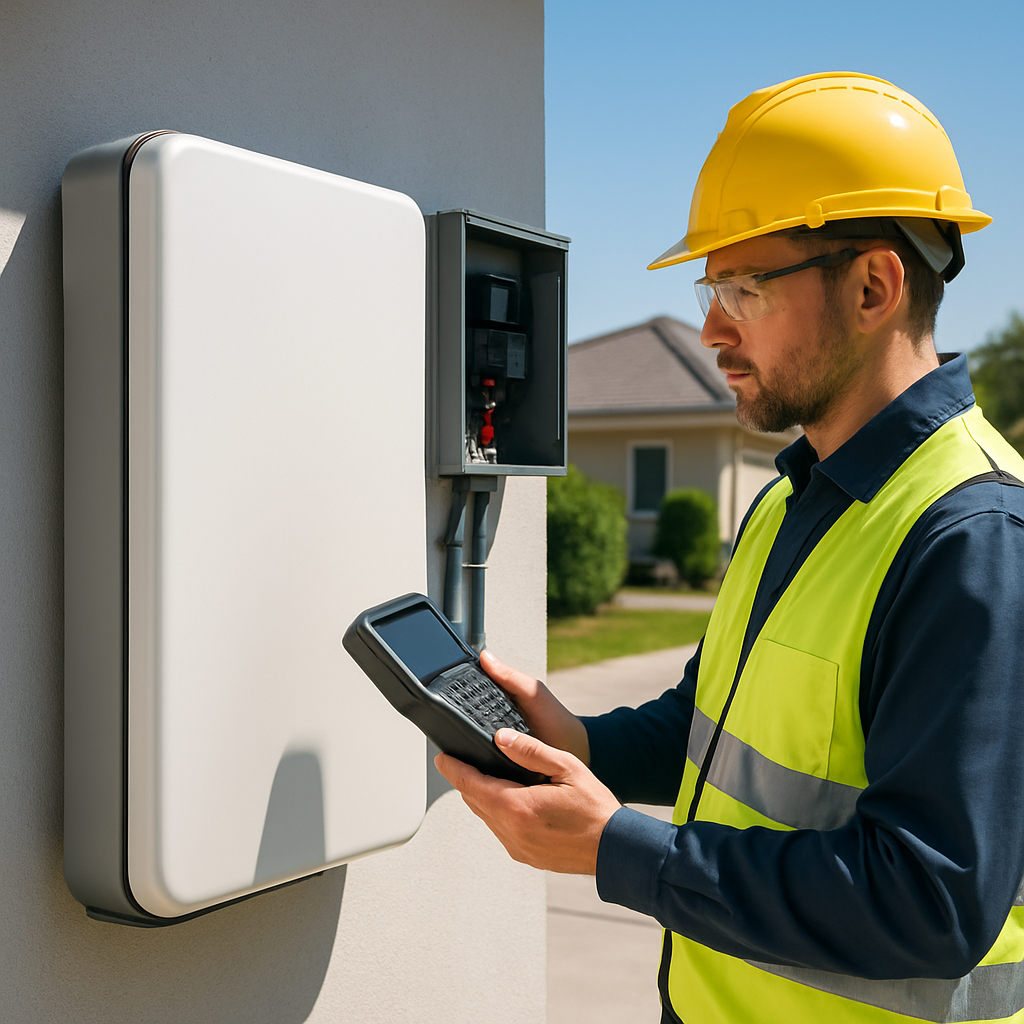
Electrical systems should not make persistent buzzing, humming, or crackling sounds. Noise from a panel can indicate a failing breaker, loose connection, damaged component, or electrical arcing. Buzzing at an outlet or switch can point to a loose wire, damaged device, or other circuit fault.
Do not open the electrical panel or attempt to tighten internal connections yourself. If electrical noise occurs with heat, sparking, smoke, burning odors, or intermittent power loss, treat it as urgent and contact an electrician promptly.
Older Wiring Types
Some older Peru homes may still have aluminum branch-circuit wiring or knob-and-tube wiring. Both can present safety concerns depending on their condition, prior modifications, insulation exposure, and connection methods.
Aluminum wiring is not automatically unsafe, but it needs compatible devices and properly completed connections. Knob-and-tube wiring generally lacks a grounding conductor and was not designed for modern household loads. A licensed electrician can inspect the system and recommend whether targeted repairs, remediation, partial rewiring, or complete replacement is appropriate.
Electrical Panel Services
The electrical panel is the central point through which power enters your home and is distributed to individual circuits. When a panel cannot handle the load, has no space for new circuits, or is too old to operate reliably, electrical problems can appear throughout the house.
Panel Replacement
If your home still has a fuse box or a panel rated at 60 or 100 amps, upgrading to a larger panel may be appropriate for a modern household. A properly sized service can provide more room for EV chargers, workshop equipment, updated HVAC systems, home additions, electric appliances, or future backup-power equipment.
However, not every property automatically needs a 200-amp panel. A licensed electrician should perform a load calculation that considers your existing electrical demand, future plans, appliance loads, heating and cooling equipment, panel condition, and available capacity before recommending a specific service size.
For more information about the panel-replacement process, read Panel Replacements in Indianapolis, IN: When to Upgrade, What It Costs, and What to Expect.
Panel Inspection
Even if you are not ready to replace your panel, having it inspected can provide useful information. An electrician can check for signs of overheating, corrosion, improper modifications, double-tapped breakers, damaged conductors, missing labels, and limited circuit capacity.
If you are buying or selling a home in Peru, a panel inspection can help identify concerns before closing, renovation planning, or negotiations over electrical repairs.
Subpanel Installation
If you are adding a workshop in your garage, finishing a basement, expanding a home, or building an accessory structure, a subpanel may make more sense than running several individual circuits back to the main panel. An electrician can size the subpanel, feeder, breakers, grounding, and wiring method for the specific load and location.
Whole-Home Surge Protection and Energy Monitoring
Whole-home surge protection is typically installed at or near the main electrical panel. It can help reduce the risk that electrical surges damage appliances, TVs, computers, routers, smart-home devices, and other connected electronics. It should supplement—not replace—proper grounding and point-of-use surge protection.
Energy-monitoring systems and smart-panel technologies can also help identify high-demand circuits, monitor power use, and support future planning for an EV charger, solar equipment, battery backup, or additional electrical capacity.
Dedicated Circuits and Circuit Additions
Adding circuits is one of the most common electrical projects homeowners request, and it can make a real difference in how your home functions day to day. A dedicated circuit supplies one appliance, piece of equipment, or defined load without sharing power with unrelated devices.
Kitchen and Appliance Circuits
Modern kitchens often need more dedicated circuits than older homes were originally wired to provide. Refrigerators, dishwashers, disposals, microwaves, ranges, range hoods, countertop appliances, and other equipment may need appropriately sized circuits based on the equipment and installation.
If you are remodeling, electrical planning should happen before cabinets, countertops, drywall, and finish materials are installed. An electrician can help ensure that outlet placement, appliance circuits, lighting, and protection requirements are included in the project plan.
Garage and Workshop Power
A garage workshop that runs on a single 15-amp circuit can become frustrating and unsafe once you start running multiple tools. Adding 20-amp circuits, 240-volt circuits, task lighting, outlet locations, or a subpanel can provide usable power for tools, compressors, welders, EV charging equipment, and other shop needs.
An electrician can evaluate the load, panel capacity, equipment voltage, wiring route, and whether the garage or detached building needs a feeder or subpanel.
Basements, Sump Pumps, and Home Offices
Finished basements often need additional outlets, lighting, smoke alarms, and dedicated circuits for sump pumps, appliances, or entertainment equipment. A dedicated sump-pump circuit can help reduce the risk of an overloaded shared circuit interrupting a critical system.
Home offices may benefit from dedicated circuits, better outlet placement, surge protection, Ethernet wiring, Wi-Fi access points, and backup-power planning for routers, computers, and communication equipment.
EV Charging
A Level 2 EV charger can be a major convenience improvement over charging from a standard 120-volt outlet. A licensed electrician can install a dedicated 240-volt circuit and determine whether a hardwired charger, receptacle, garage installation, driveway setup, carport installation, or detached-garage solution is best for your property.
The project may involve a panel-capacity review, wiring route, conduit, trenching, exterior equipment, permit requirements, inspection scheduling, and possible service upgrades. For rental-property owners considering EV charging, see Solar & EV Chargers: Boost Rental Property NOI Today.
Whole-Home Generator Installation
Power outages can happen during severe weather, utility disruptions, and other events. A properly designed generator or battery-backup system can help keep important equipment operating, including heating systems, refrigerators, sump pumps, lighting, internet equipment, garage doors, medical devices, and selected appliances.
Transfer Switch Installation
A transfer switch safely disconnects your home from the utility grid before generator power comes online. Without proper transfer equipment, backfeeding power into utility lines is a serious hazard that can endanger lineworkers and damage electrical equipment.
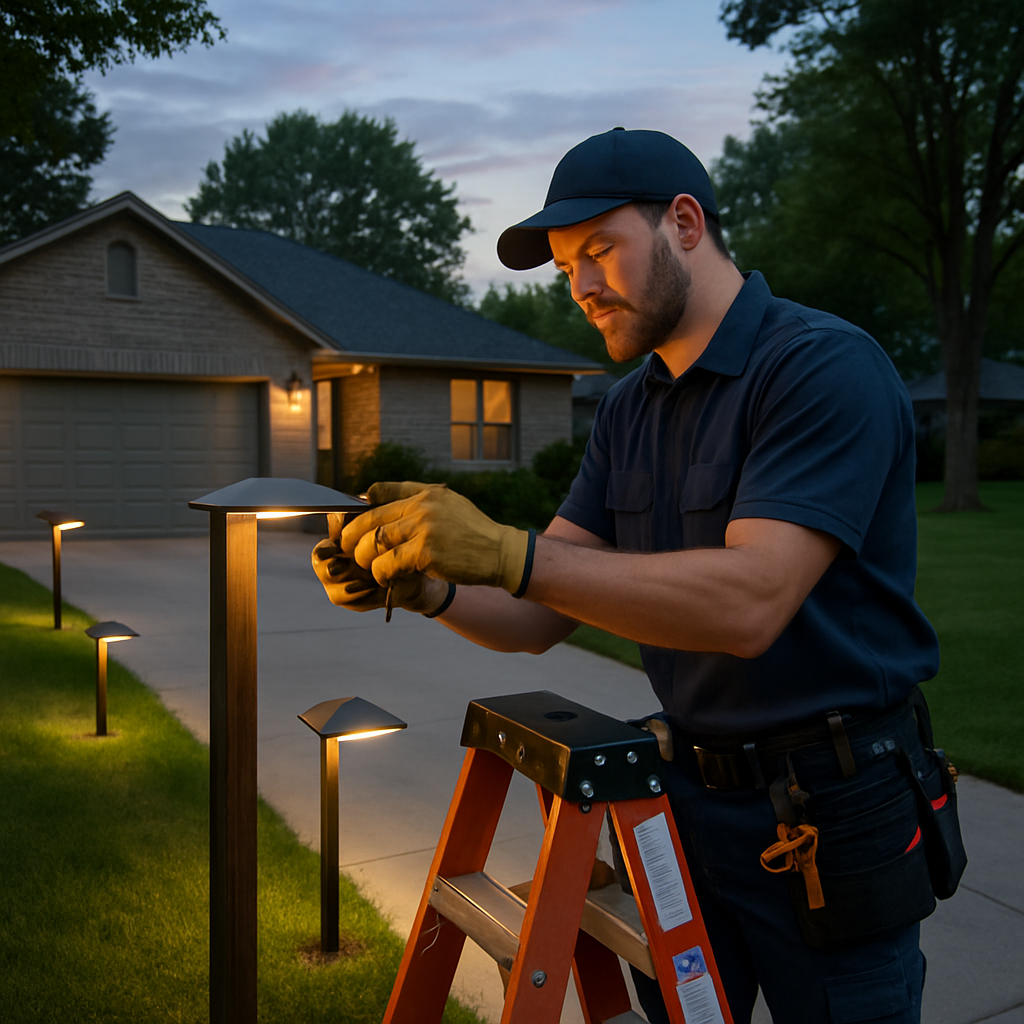
Any generator connection to your home’s wiring system should use properly designed transfer equipment installed by a licensed electrician. The correct solution may be a manual transfer switch, an approved interlock system, a critical-load panel, or a standby-generator transfer switch.
Portable Generator Hookups
If you already own a portable generator, a licensed electrician can install a manual transfer switch or generator inlet box that lets you connect the generator to selected home circuits safely. This avoids running extension cords through windows, doors, and walkways.
Portable generators must be operated outdoors, well away from windows, doors, and vents because they produce carbon monoxide. Never connect a portable generator directly to a wall outlet or electrical panel.
Battery Backup Systems
Battery backup systems can store electricity and power selected circuits during an outage. Depending on the design, a battery system may be paired with solar panels or charged directly from the grid. These systems require careful planning around critical loads, panel capacity, transfer equipment, and applicable code requirements.
Safety Inspections and Code Compliance
An electrical safety inspection is a focused review of your home’s panel, wiring, outlets, switches, fixtures, grounding, and protective devices. It goes beyond a general home inspection by looking more closely at the condition and safety of the electrical system.
When to Get an Inspection
- Before buying or selling an older home in Peru.
- Before a remodel, addition, basement finish, or garage conversion.
- Before adding an EV charger, generator, hot tub, heat pump, or workshop equipment.
- After water damage, basement flooding, a plumbing leak, roof leak, or storm event.
- When a home has a fuse box, two-prong outlets, frequent breaker trips, or unexplained electrical symptoms.
- When you suspect prior DIY or unpermitted electrical work.
For a broader home-maintenance plan, see The Ultimate Home Maintenance Checklist: Room-by-Room and System-by-System Guide.
GFCI and AFCI Protection
Ground-fault circuit interrupter, or GFCI, protection is commonly used in wet or damp locations such as kitchens, bathrooms, garages, basements, laundry areas, and exterior locations. GFCI devices are designed to disconnect power quickly when they detect a ground fault.
Arc-fault circuit interrupter, or AFCI, protection is intended to help address certain arcing-fault risks in applicable circuits. Current code requirements vary by project scope and location, and older homes may not have the same protection that is expected in new construction or qualifying renovations. An electrician can explain which upgrades make sense for your project.
Permits and Local Requirements in Peru, IN
Many significant electrical projects in Peru may require permits and inspections. This can include panel replacements, service upgrades, new circuits, generator connections, EV charger installations, outdoor wiring, detached-building power, major renovations, and larger wiring projects.
Minor repairs, such as replacing an existing outlet or switch, may not require a permit. However, projects involving new wiring, panel modifications, service equipment, larger appliances, or major electrical changes often do. Confirm current requirements with the Peru Building Department or your licensed electrician before work begins.
Working With Peru Utilities
Peru Utilities is the municipal electric provider for the city and surrounding service territory. For projects involving a service entrance, meter equipment, service upgrade, or new service connection, your electrician may need to coordinate with Peru Utilities’ Electric Division.
Before signing a contract, ask what is included in the scope: permit application, inspection scheduling, meter work, service disconnect, utility coordination, reconnection scheduling, trenching, restoration, and any fees. Clear documentation can prevent delays and misunderstandings.
Permitted work creates a record that the project was reviewed and inspected when required. That documentation can help with future renovations, financing, home sales, and insurance questions. For more homeowner guidance, read Permits and Contractors: How to Make Sure Your Home Project Is Done Right.
Outdoor Electrical Work
Outdoor electrical work has specific safety and installation requirements. Exterior wiring needs equipment and wiring methods rated for moisture, temperature changes, physical damage, and burial conditions when applicable. Outdoor outlets generally need appropriate ground-fault protection and weatherproof covers.
Exterior Outlets and Lighting
Adding exterior outlets for holiday lighting, power tools, landscaping, outdoor entertainment, or patio use is a common project. A licensed electrician can install weather-resistant devices, appropriate covers, correctly sized circuits, motion-sensor lighting, security lighting, and landscape-lighting connections.
Outbuildings and Detached Garages
Running power to a detached garage, barn, shed, or workshop can involve an underground feeder, correctly sized conductors, conduit or other approved wiring methods, grounding, disconnect equipment, and a subpanel. The right setup depends on the distance from the home, intended use, electrical load, and local requirements.
This work should be planned, permitted when required, and inspected rather than handled as an improvised extension-cord solution.
Smoke Detectors and Carbon Monoxide Detectors
Working smoke and carbon monoxide alarms are important parts of home safety. Electrical projects involving renovations, additions, or affected living areas may trigger requirements for alarm upgrades depending on project scope and local code enforcement.
Hardwired smoke alarms with battery backup can provide more reliable protection than standalone battery-only devices, and interconnected alarms can help ensure that when one alarm detects smoke, alarms throughout the home sound together.
Homes with attached garages or fuel-burning appliances may need carbon monoxide alarms in appropriate locations. If your detectors are outdated, unreliable, not interconnected, or you are unsure whether they are properly located, ask an electrician to assess them during an inspection or electrical project.
Choosing a Licensed Electrical Contractor in Peru, IN
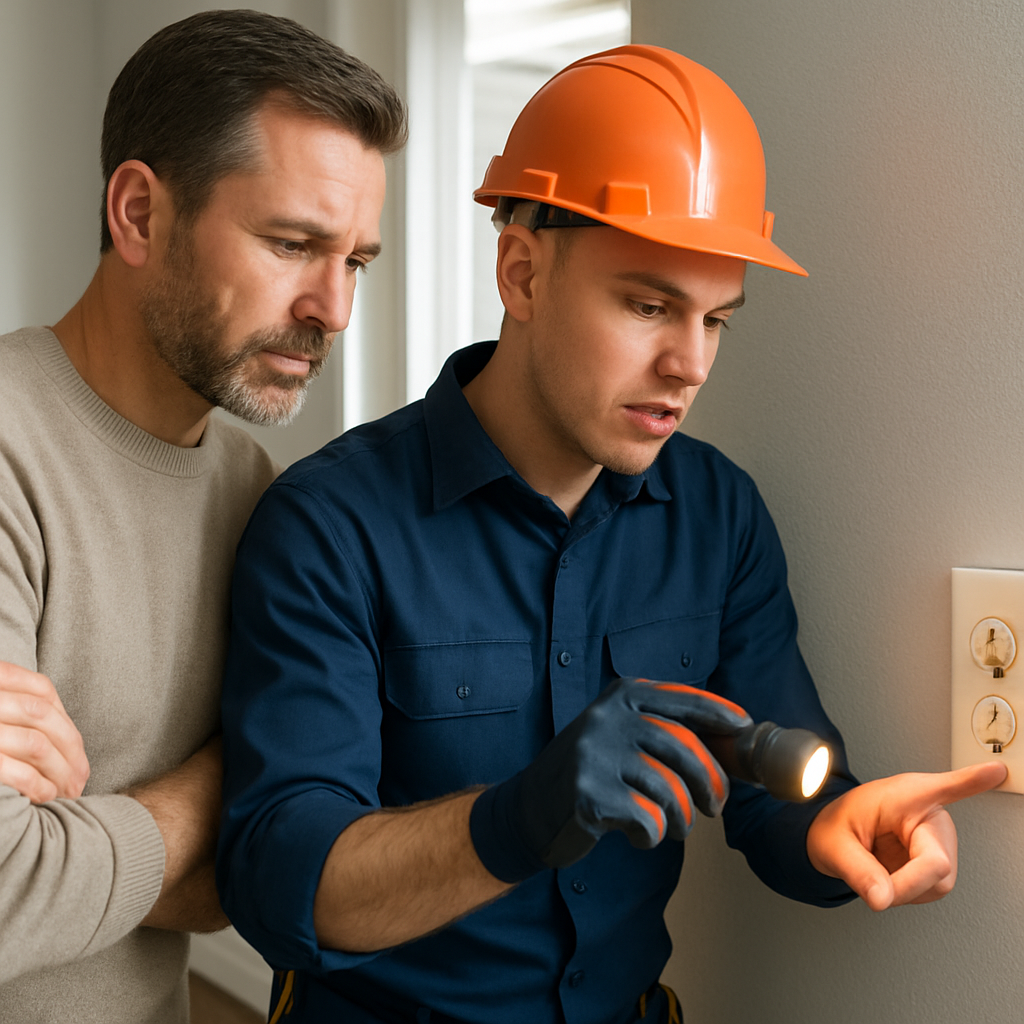
Choosing an electrician is about more than selecting the lowest bid. You want a contractor who can diagnose the issue, explain the scope of work, provide written documentation, carry appropriate insurance, handle permits when required, and coordinate with Peru Utilities for service-related work when needed.
Why Licensing and Documentation Matter
Unlicensed or unpermitted electrical work can create safety concerns, correction costs, failed inspections, delays during a sale, and potential insurance complications after an electrical incident. Before hiring, ask for credentials, insurance information, a written estimate, and a clear explanation of permit responsibility.
For more information about the potential risks, read Unlicensed Electricians Can Void Insurance Claims and Can Hiring an Unlicensed Electrician Affect Your Insurance Claim in Indianapolis?.
What to Ask Before Hiring
- Will you pull the permit and schedule required inspections?
- Does the estimate include permit fees and utility coordination?
- Will Peru Utilities need to disconnect or reconnect service?
- What labor, materials, equipment, and restoration work are included?
- What could change the price, and how will change orders be handled?
- How long will the project take after permits and materials are ready?
- What workmanship and manufacturer warranties apply?
- Will drywall, exterior surfaces, concrete, trenching, or landscaping need repair after the electrical work?
Red Flags to Watch For
- Pressure to begin work immediately without a written agreement.
- Cash-only payment demands or requests for the full project cost upfront.
- Refusal to discuss permits, inspections, credentials, or insurance.
- Vague estimates that do not define the work, materials, or timeline.
- Advice to use extension cords as a permanent wiring solution.
- A recommendation to skip required permit or inspection steps.
For help comparing contractor estimates, read Request Contractor Quotes Online: A Homeowner’s Guide to Better Bids. If you want to prepare before requesting estimates, see Book a Contractor Online in 5 Minutes: What You Need Before You Start.
Connect With a Licensed Electrician Through My Licensed Contractor
Whether you need a targeted repair, a whole-home electrical checkup, a panel assessment, new workshop circuits, generator transfer equipment, an EV charger circuit, or electrical planning for a remodel, start by sharing the details of your project.
Submit your electrical project through My Licensed Contractor to connect with licensed electrical contractors serving Peru and Miami County.
Frequently Asked Questions
Do I need a permit to replace an electrical panel in Peru, IN?
Panel replacements and service upgrades may require permits and inspections through the City of Peru. Confirm current requirements with the Peru Building Department, and ask your electrician whether permit handling and inspection scheduling are included in the project scope.
How do I know if my home needs a panel upgrade?
If your breakers trip frequently, your panel has no room for additional circuits, you have a fuse box, the panel is damaged or poorly labeled, or you are adding major electrical loads, a panel assessment may be appropriate. An electrician can inspect the system and perform a load calculation before recommending an upgrade.
Can I add a circuit to my garage for a welder or compressor?
Yes. A licensed electrician can install a dedicated circuit for a welder, compressor, power tools, EV charger, or other garage equipment. Depending on the equipment load and your existing panel capacity, the project may also require a subpanel, service assessment, or panel upgrade.
What is the difference between a GFCI outlet and an AFCI breaker?
A GFCI device is designed to protect against ground faults, which are especially important near water. AFCI protection is intended to help address certain arcing-fault risks that can occur with damaged wiring or loose connections. Both types of protection may be required in specific locations depending on the project and applicable code requirements.
Who provides electricity in Peru, IN?
Peru Utilities is the municipal electric provider for Peru and its service territory. For service upgrades, meter installations, or service-entrance work, your electrician may coordinate with the utility as part of the project.
Is aluminum wiring a problem in older Peru homes?
Aluminum branch-circuit wiring can present safety concerns if connections have loosened, incorrect devices were used, or the wiring has been improperly modified. A licensed electrician can inspect the wiring and recommend whether targeted repairs, remediation, pigtailing, or replacement is appropriate.
How long does a whole-home generator installation take?
Generator-installation timelines vary based on generator type, site preparation, fuel connection, permit requirements, utility coordination, transfer equipment, and panel modifications. The electrical work may take a day or more, while permitting, equipment delivery, and utility scheduling can extend the overall project timeline.
Can an electrician install power for a detached garage or outbuilding?
Yes. An electrician can install a feeder, subpanel, lighting, outlets, 240-volt circuits, and weather-rated equipment for detached garages, barns, sheds, workshops, and other structures. The design depends on the building’s intended use, distance from the main panel, and electrical demand.
Should I install whole-home surge protection?
Whole-home surge protection can help protect electronics and appliances from many electrical surges. Ask an electrician whether it is compatible with your panel, grounding system, and broader electrical-safety plan.
Can I use a portable generator without a transfer switch?
No. Never connect a portable generator directly to a wall outlet or electrical panel. A properly installed transfer switch or approved interlock system helps prevent dangerous backfeeding into utility lines.
What should I do if an outlet is hot or smells like it is burning?
Stop using the outlet. Turn off the circuit only if it is safe to do so. If there is smoke or fire, leave the area and call 911. Have a licensed electrician inspect the outlet and circuit before using it again.
How can I find a licensed electrician in Peru, IN?
Use My Licensed Contractor to submit project details and connect with licensed local professionals for electrical repairs, panel upgrades, dedicated circuits, generators, EV chargers, inspections, and other electrical work.
Nearby Cities in Indiana
Ready to Find a Licensed Contractor?
Connect with pre-screened, licensed contractors in your area.
Submit Your ProjectGet Matched Instantly
Tell us about your project and we'll connect you with licensed, verified contractors in your area.
Submit Your ProjectFind Contractors Near You
Get Matched Instantly
Tell us about your project and we'll connect you with licensed, verified contractors in your area.
Submit Your ProjectFind Contractors Near You