

Electricians in Plymouth, IN for Repairs, Upgrades & Safer Homes
Key Takeaways
- My Licensed Contractor connects Plymouth homeowners, landlords, and small-business owners with licensed electricians for repairs, inspections, upgrades, and urgent electrical needs.
- Older homes may have fuse boxes, undersized panels, ungrounded outlets, aluminum wiring, knob-and-tube wiring, or circuits added over time without a complete system upgrade.
- Warm outlets, burning odors, repeated breaker trips, buzzing panels, flickering lights, and partial power loss should be inspected promptly by a qualified electrician.
- Homes with basements, sump pumps, wells, detached garages, workshops, barns, and other outbuildings often need dedicated circuits, weather-rated wiring, subpanels, or backup-power planning.
- The City of Plymouth lists electrical work among permit-related categories and requires contractors working in the city to register through its online portal.
My Licensed Contractor connects Plymouth homeowners, landlords, and small-business owners with licensed electricians for repairs, inspections, electrical upgrades, and emergency service. Whether you are dealing with a breaker that keeps tripping, an older fuse box, a damp basement with questionable wiring, or a detached garage that needs its own panel, a licensed electrician can assess the system and recommend the right next step.
Plymouth has a mix of established in-town homes, rental properties, small commercial buildings, and properties on the outskirts with workshops, barns, detached garages, and other outbuildings. That variety creates electrical needs that go beyond a standard repair call. In many cases, the problem is not one failed outlet or breaker—it is an older electrical system that has been added onto over several decades without a full update.
Book a contractor online when you are ready to start a project, or request urgent help when an electrical issue cannot safely wait.
Electrical Work for Plymouth’s Older and Expanding Homes
Many homes in Plymouth have changed significantly since they were built. A home that originally had a modest electrical load may now power central air conditioning, kitchen appliances, a finished basement, computers, entertainment equipment, a freezer, power tools, security devices, and chargers. Homes outside town may also need reliable power for a well pump, sump pump, detached garage, barn, workshop, or other equipment.
Each past addition may have made sense at the time, but the original panel, service entrance, grounding system, or wiring may not have been designed for today’s demand. A licensed electrician looks at the electrical system as a whole, including the panel, circuits, service capacity, wiring condition, safety devices, and intended future use.
Common Electrical Needs in Plymouth
- Electrical troubleshooting and repairs
- Fuse-box replacement and breaker-panel upgrades
- 100-amp to 200-amp service upgrades
- Whole-home rewiring and partial wiring upgrades
- Aluminum wiring and knob-and-tube wiring evaluation
- Outlet, switch, lighting, and ceiling fan installation
- GFCI, AFCI, grounding, and surge-protection upgrades
- Dedicated circuits for appliances, home offices, workshops, and equipment
- Basement, garage, workshop, barn, and outbuilding wiring
- Generator transfer switches and backup-power planning
- EV charger installation
- Electrical inspections for homebuyers, sellers, landlords, and businesses
Explore electrical upgrades for homeowners and small businesses for additional project ideas and planning considerations.
Electrical Repairs and Warning Signs
A flickering light, tripping breaker, dead outlet, or buzzing switch may be a symptom of a larger problem. Resetting a breaker or replacing a device without identifying the cause can leave unsafe wiring, loose connections, overloads, or damaged components in place.
Licensed electricians use testing and inspection to identify where the issue starts and determine whether the appropriate solution is a repair, a new circuit, an outlet replacement, a panel upgrade, or wiring replacement.
Common Electrical Problems
- Breakers that trip repeatedly
- Lights that flicker, dim, or brighten when appliances start
- Outlets or switches that stop working
- GFCI outlets that will not reset
- Warm, loose, cracked, damaged, or discolored outlets and switches
- Buzzing, crackling, or humming from a panel, outlet, or switch
- Burning smells near electrical equipment
- Blown fuses in older electrical systems
- Overloaded circuits caused by appliances, space heaters, dehumidifiers, or tools
- Extension cords and power strips used as permanent wiring solutions
When to Call for Emergency Electrical Repairs
Stop using the affected outlet, appliance, or circuit and contact an electrician promptly if you notice smoke, sparks, scorch marks, a burning smell, a hot outlet, a hot breaker panel, or sudden partial power loss. These signs can indicate overheating, a loose connection, damaged wiring, or another problem that creates a shock or fire risk.
Do not touch exposed wires, wet electrical equipment, or a damaged electrical service connection. If there is active fire, smoke, or immediate danger, call 911.
For help recognizing situations that may require immediate service, read 7 signs you need same-day home repair help.
Panel Upgrades, Fuse Boxes, and Service Capacity
Your electrical panel distributes power to every circuit in the home. If it is outdated, damaged, overloaded, poorly labeled, or too small for your household’s needs, an electrician may recommend a panel replacement, service upgrade, or new subpanel.
Signs Your Electrical Panel Needs Attention
- Your home has a fuse box instead of a modern breaker panel
- Breakers trip often, will not reset, or feel warm
- The panel shows rust, corrosion, water damage, scorching, or physical damage
- The panel has no available space for additional circuits
- Circuits are poorly labeled or difficult to identify
- You are adding central air, a heat pump, an EV charger, a hot tub, an electric range, or workshop equipment
- You are planning a kitchen remodel, basement finish, addition, or garage conversion
- Your home has an older 60-amp or 100-amp service that may not support current demand
- Your property has a panel with a known history of reliability concerns, such as certain Federal Pacific or Zinsco equipment
Panel Upgrade vs. Service Upgrade
A panel upgrade replaces the breaker panel inside the home. A service upgrade increases the electrical capacity delivered from the utility, which can involve the service entrance, meter base, panel, and utility coordination. A licensed electrician can perform a load calculation to determine whether your home needs additional capacity or whether a targeted circuit upgrade is enough.
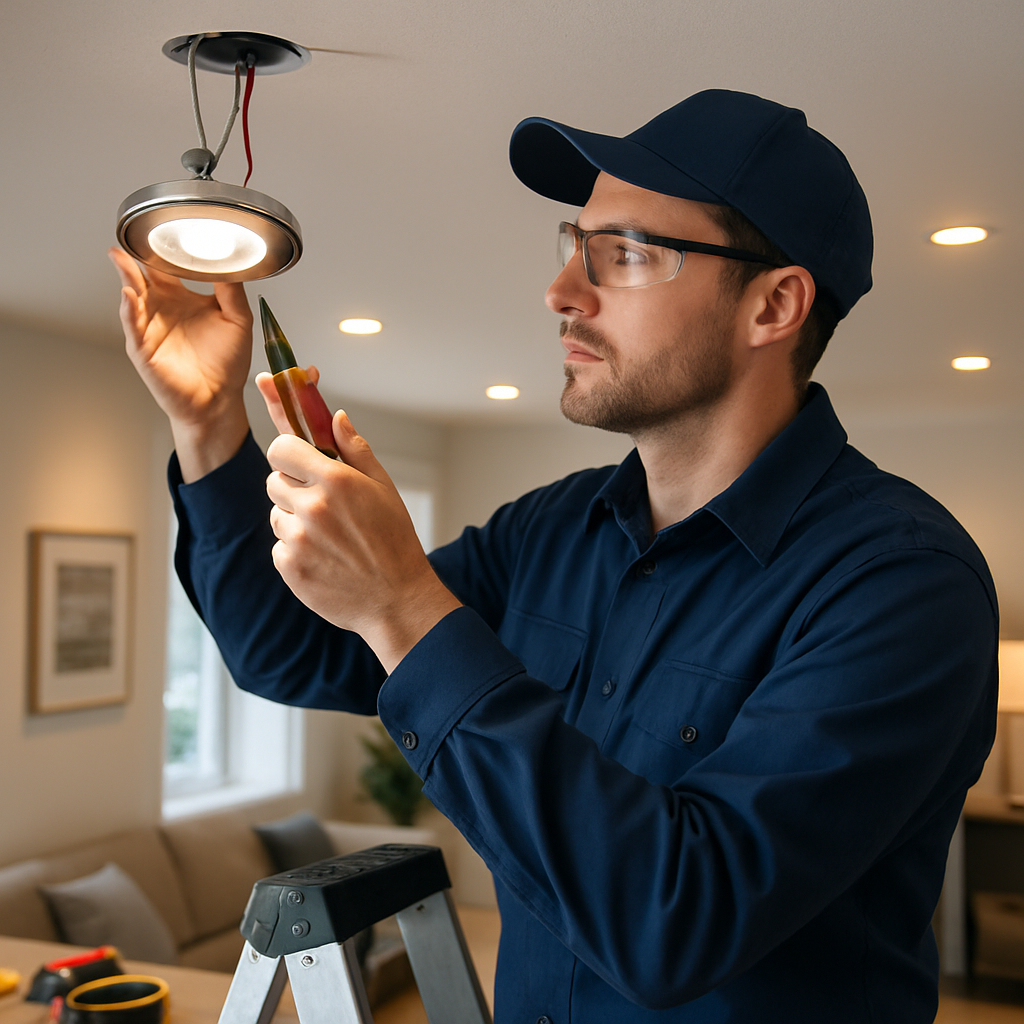
Read when to upgrade an electrical panel, what it costs, and what to expect for a more detailed overview of the process.
Older Wiring and Electrical Safety Improvements
Plymouth’s older homes may contain wiring systems and electrical components that require closer attention during repairs, remodeling, or a home purchase. Not every older system requires immediate replacement, but an inspection can reveal whether the wiring is in good condition and whether it is compatible with modern electrical demand and safety practices.
Knob-and-Tube Wiring
Some homes built before the mid-20th century may still have knob-and-tube wiring in accessible areas. It is not automatically unsafe solely because of its age, but it can become a concern when insulation covers it, splices have been added improperly, cloth insulation has deteriorated, or the system is being asked to support loads it was not designed to handle. An electrician can assess its condition and recommend phased or full replacement if appropriate.
Aluminum Branch Wiring
Some homes built or updated during the 1960s and 1970s may have aluminum branch-circuit wiring. Aluminum wiring is not automatically dangerous, but connections must use properly rated devices and connectors. Loose or incompatible connections can overheat. A qualified electrician can inspect accessible connections, identify the wiring material, and recommend appropriate remediation.
Modern Safety Upgrades
- GFCI protection in wet and damp locations
- AFCI protection where required or recommended
- Grounding and bonding improvements
- Tamper-resistant outlets
- Whole-home surge protection
- Panel labeling and circuit organization
- Replacement of damaged switches, outlets, breakers, and wiring
- Corrections for unsafe DIY or unpermitted electrical work
Before attempting an electrical repair yourself, review what electrical jobs homeowners can actually DIY.
Basement, Sump Pump, and Moisture-Area Electrical Work
Basements and utility rooms need special electrical attention because they often combine moisture, mechanical equipment, laundry appliances, water heaters, dehumidifiers, and sump pumps. In older or partially finished basements, wiring may have been added in phases or without adequate protection.
Sump Pump Circuit Planning
A sump pump benefits from reliable power and should not share an overloaded circuit with high-demand appliances, tools, or basement equipment. An electrician can assess the circuit, outlet condition, breaker, grounding, and whether backup options would be useful for your home.
- Dedicated sump pump circuits
- Appropriate receptacle and protection evaluation
- Battery-backup sump pump charging circuits
- Generator planning for sump-pump operation during outages
- Alarm and backup-power considerations
Basement Electrical Improvements
- Safe outlet and lighting placement
- Wiring for finished-basement projects
- Dehumidifier, freezer, laundry, and water-heater circuits
- Bathroom electrical planning for basement remodels
- Replacement of damaged, exposed, or improperly routed wiring
- GFCI protection and moisture-area safety upgrades
Garage, Workshop, Barn, and Outbuilding Wiring
Homes on the edge of Plymouth and throughout Marshall County may have detached garages, workshops, sheds, barns, or other accessory structures. These buildings often need more than a single extension cord from the house. Proper permanent wiring can provide safer, more useful power for lighting, tools, garage-door openers, chargers, HVAC equipment, and other loads.
Common Outbuilding Electrical Projects
- New electrical service to a detached structure
- Subpanel installation
- Dedicated circuits for welders, compressors, lifts, refrigerators, and power tools
- Workbench outlets and task lighting
- Exterior and security lighting
- Weatherproof outlets and switches
- Garage-door opener circuits
- EV charger wiring in a detached garage
- Wiring for barn equipment, pumps, freezers, or ventilation systems
Why Extension Cords Are Not Permanent Wiring
Extension cords are designed for temporary use. Running cords through walls, under rugs, across driveways, or as a permanent source of power can create overheating, damage, shock, and trip hazards. A licensed electrician can install properly located outlets and circuits where power is needed.
Generator Transfer Switches and Storm Readiness
Severe thunderstorms, high winds, ice, and winter weather can lead to power interruptions. A professionally installed generator connection can help keep critical loads running, including a sump pump, refrigerator, furnace blower, well pump, medical equipment, router, and selected lighting.
Portable Generator Connections
- Manual transfer switches
- Generator interlock kits when appropriate for the panel and system
- Outdoor generator inlet boxes
- Critical-load circuit planning
- Generator-ready panel upgrades
Standby Generator and Battery Backup Options
- Automatic transfer switches
- Standby generator electrical connections
- Battery backup for selected circuits
- Whole-home versus critical-load planning
- Service-capacity and load evaluations
Never connect a portable generator directly to household wiring through an outlet. This dangerous practice can back-feed electricity into utility lines, endanger utility workers, and damage electrical equipment.
For HVAC-related outage planning, see when to call for emergency AC service and these monthly HVAC maintenance tips for Indiana homeowners.
Kitchen, Bathroom, and Remodel Electrical Projects
Electrical planning should happen early in any remodel. Adding new appliances, outlets, lighting, ventilation, or equipment can affect circuit capacity, panel space, permitting, and inspection requirements.
Kitchen Electrical Upgrades
- Dedicated circuits for refrigerators, dishwashers, disposals, microwaves, and countertop appliances
- Electric range, oven, and cooktop wiring
- GFCI outlet upgrades
- Island and peninsula outlets
- Under-cabinet lighting
- Panel-capacity assessments before a major remodel
Bathroom Electrical Improvements
- GFCI outlet installation and placement
- Vanity, shower-area, and general lighting
- Exhaust-fan wiring
- Dedicated bathroom circuits where appropriate
- Electrical planning for heated floors, bidets, and other added equipment
Home Additions and Finished Spaces
- Outlet and lighting layout
- Dedicated appliance circuits
- Smoke and carbon-monoxide alarm coordination where applicable
- HVAC circuit planning
- Electrical inspections before walls and ceilings are closed
EV Chargers and Modern Electrical Demand
A Level 2 EV charger provides faster at-home charging than a standard household outlet, but it requires professional evaluation and installation. Most Level 2 chargers use a dedicated 240-volt circuit, so the electrician must determine whether your electrical panel and service have enough capacity.
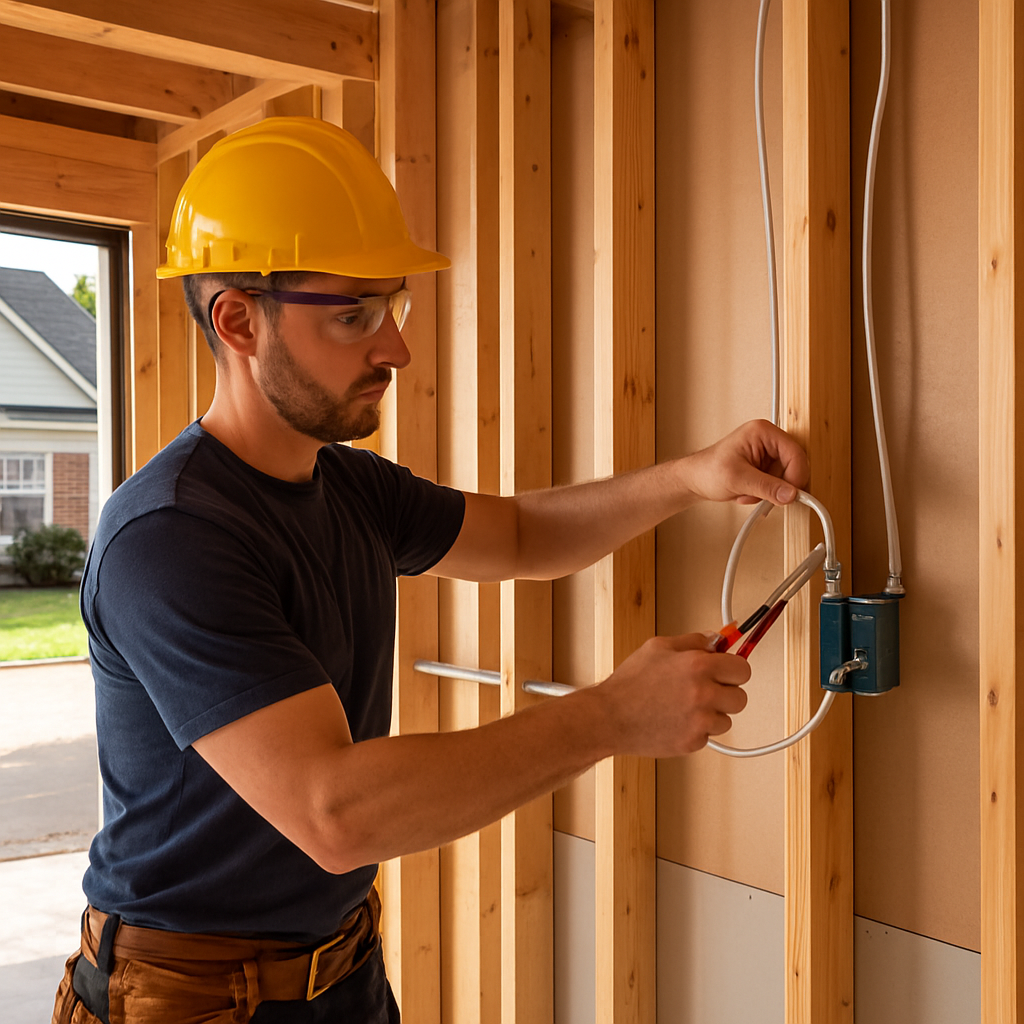
Level 2 EV Charger Installation Can Include
- Panel-capacity inspection
- Electrical load calculation
- Dedicated 240-volt circuit installation
- Correctly sized wiring and breaker selection
- Garage, driveway, carport, or detached-garage charger placement
- Subpanel, panel, or service-upgrade recommendations if needed
- Permit and inspection coordination where required
Utility incentives and EV programs can change over time. Contact your electric provider before scheduling an installation to ask about current programs, rates, or charger-related offerings. Marshall County REMC serves more than 6,000 residential and commercial members in rural areas of Marshall and neighboring counties.
Landlords and property owners can also learn how solar and EV chargers can support rental-property NOI.
Electrical Inspections for Buyers, Sellers, and Landlords
An electrical inspection is useful when buying an older home, preparing a rental unit, planning a renovation, or trying to understand a system with an unclear history. A general home inspection may identify visible concerns, but an electrician can examine accessible wiring, panel condition, grounding, outlets, safety devices, and signs of nonstandard work in greater detail.
Electrical Inspection Checklist
- Panel condition, breaker operation, available capacity, and labeling
- Visible wiring condition and accessible connections
- Outlets, switches, lighting fixtures, and GFCI protection
- Grounding and bonding systems
- Signs of overheating, water exposure, corrosion, or damaged components
- Aluminum, knob-and-tube, or ungrounded wiring concerns
- Potential overloads and circuit-capacity limitations
- Visible evidence of unlicensed, DIY, or unpermitted work
Rental Property Electrical Planning
Landlords should respond promptly to tenant reports of shocks, sparks, warm outlets, repeated breaker trips, flickering lights, and failed outlets. An inspection before a new tenancy can help identify safety issues, document the system’s condition, and reduce avoidable mid-lease repair calls.
Use this room-by-room home maintenance checklist to build electrical checks into your regular property-maintenance planning.
Small Business Electrical Services in Plymouth
Retail spaces, restaurants, offices, service businesses, and light-commercial properties can have electrical needs that differ from a typical home. Upgrades may involve higher-capacity panels, new equipment circuits, lighting improvements, data equipment, tenant build-outs, or backup-power planning.
Commercial Electrical Projects
- Commercial panel and service-capacity upgrades
- LED lighting upgrades and controls
- Circuits for kitchen equipment, point-of-sale systems, servers, and data equipment
- Outlet, switch, and fixture additions or relocations
- Tenant improvement and build-out electrical work
- Commercial EV charger infrastructure
- Backup power for critical equipment and downtime-sensitive operations
- Pre-inspection walkthroughs for a new business or occupancy change
Business owners should confirm permit, inspection, lease, and landlord requirements before beginning modifications to a commercial space.
Permits and Utility Resources in Plymouth
The City of Plymouth Building Commissioner provides online building-permit access and contractor registration. The City states that contractors working in Plymouth’s jurisdiction must register through its MyGov portal, and the Building Commissioner’s office can answer questions about whether a project requires a permit.
| Organization | What It Helps With | Link | Phone Number |
|---|---|---|---|
| City of Plymouth Building Commissioner | Electrical permits, inspections, contractor registration, new construction, additions, renovations, and permit questions | Plymouth Building Commissioner | 574-936-2824 |
| City of Plymouth Online Building Permits & Contractor Registration | Online permit applications and contractor registration through the City’s portal | Plymouth Building Permits | 574-936-2824 |
| City of Plymouth Utilities / Clerk-Treasurer | Water, sewer, garbage-service payments, utility accounts, and municipal utility questions | Plymouth Utilities | 574-936-2124 |
| City of Plymouth Water Department | Water-service questions, water-system concerns, and after-hours municipal water emergencies | Plymouth Water Department | 574-936-2543 |
| Marshall County REMC | Electric service for eligible rural-area members, service questions, outage resources, and utility coordination for electrical-service work | Marshall County REMC | 574-936-3161 |
Municipal utility payments for water, sewer, and garbage service are handled through the City of Plymouth Clerk-Treasurer’s office. The City publishes 574-936-2124 as the utility payment and account contact number.
Permit requirements can vary by project type, property location, and jurisdiction. Confirm requirements before work begins, especially for panel changes, new circuits, EV chargers, generator connections, remodeling, additions, and outbuilding wiring. Learn more in permits and contractors: how to make sure your home project is done right.
Why Hire a Licensed Electrician Through My Licensed Contractor?
Electrical work can affect fire safety, shock protection, code compliance, home value, future inspections, and insurance documentation. Hiring a qualified electrician helps ensure the project is evaluated correctly, completed with appropriate materials, and coordinated with permits and inspections when they apply.
What to Ask Before You Hire
- Can you provide proof of current licensing and insurance?
- Are you registered to work in Plymouth if the project is inside city limits?
- Will the project require a permit or inspection?
- Who will apply for the permit and schedule the inspection?
- What is included in the written estimate?
- Are permit fees, utility coordination, materials, cleanup, and patching included?
- What could change the final project cost?
- What warranty applies to workmanship and installed equipment?
Be cautious of anyone who recommends skipping permits, refuses to provide documentation, gives only a vague scope of work, or cannot explain why a proposed repair is needed. For more information, read how unlicensed electricians can affect insurance claims and whether hiring an unlicensed electrician can affect an insurance claim.
For larger projects, compare clear, itemized scopes instead of simply choosing the lowest number. This guide to requesting contractor quotes online can help you make a more meaningful comparison.
Find an Electrician in Plymouth Through My Licensed Contractor
My Licensed Contractor makes it easier to connect with licensed electricians for the specific needs of your Plymouth property. Whether you need a full electrical assessment for an older home, repairs for recurring breaker trips, a subpanel for a garage or workshop, generator readiness, a panel upgrade, or an EV charger installation, you can request estimates and compare qualified options.
Start by booking a contractor online. Share your project details, ask about permits and scheduling, and request a clear written scope before approving work.
Request electrical service in Plymouth, IN today. My Licensed Contractor can help you find a licensed electrician for repairs, inspections, upgrades, installations, and emergency electrical needs.
Frequently Asked Questions
Do I need a permit for electrical work in Plymouth, IN?
Permit requirements depend on the scope of the project. The City of Plymouth lists electrical work among its permit-related categories, and contractors working in the city must register through the City’s online portal. Panel upgrades, new circuits, rewiring, service changes, generator connections, EV chargers, and additions are examples of projects that may require permits and inspections. Confirm current requirements with the Building Commissioner’s office before work begins.
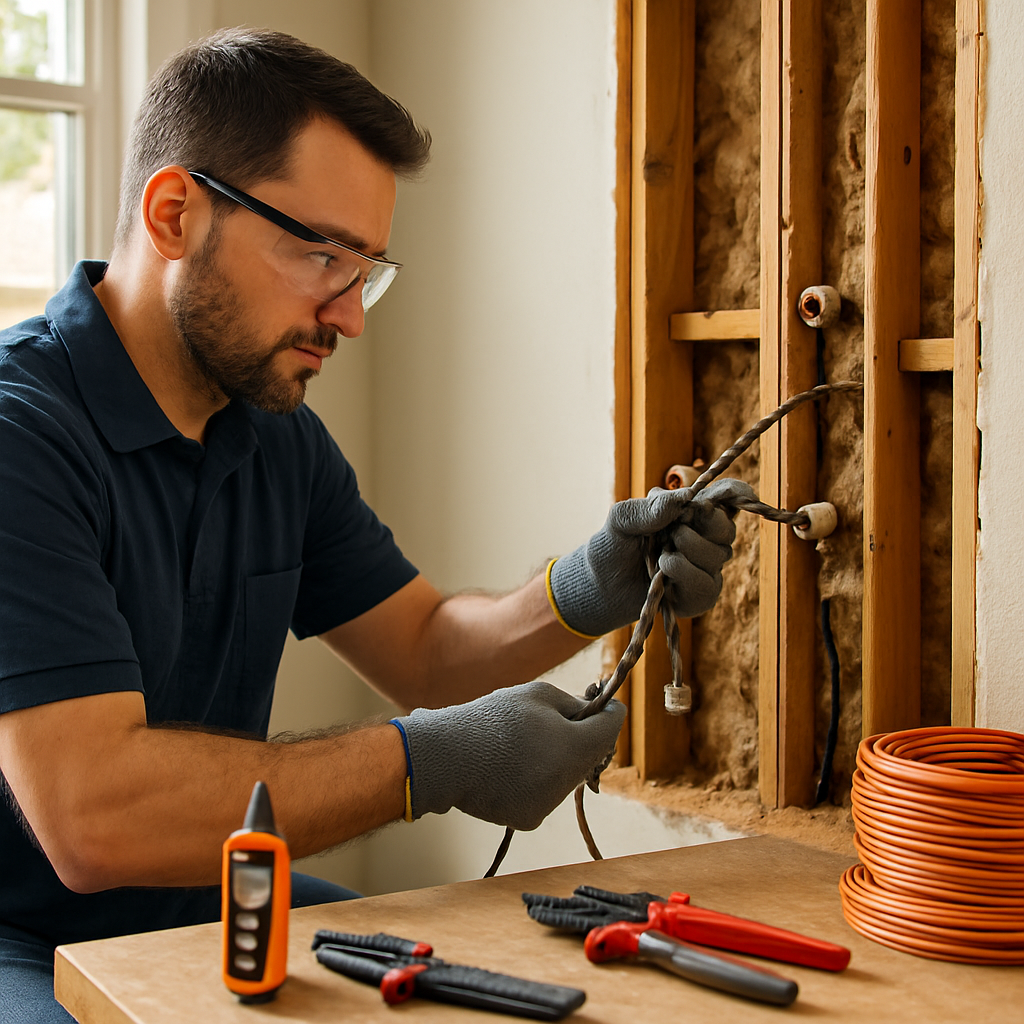
How do I know if my electrical system needs an upgrade?
Repeated breaker trips, lights that dim when appliances start, a fuse box, warm outlets, limited panel space, ungrounded outlets, or a system that has not been evaluated in decades are all reasons to schedule an inspection. An electrician can determine whether a repair, circuit addition, panel replacement, service upgrade, or rewiring project is appropriate.
What is the difference between a panel upgrade and a service upgrade?
A panel upgrade replaces the breaker panel within the property. A service upgrade increases the amount of electrical capacity supplied from the utility, often requiring changes to the service entrance, meter base, and panel. A load calculation helps determine whether additional service capacity is needed.
Is aluminum wiring dangerous?
Aluminum wiring is not automatically dangerous, but it requires appropriately rated connectors and devices. Problems can develop when aluminum conductors are connected to incompatible equipment or when connections become loose. An electrician can inspect accessible wiring and recommend safe remediation options.
Can I run power to a detached garage, workshop, or barn?
Yes. A properly designed installation may include a feeder from the main panel, a subpanel, grounding, weather-rated wiring, appropriate burial or conduit methods, outlets, lighting, and dedicated circuits for equipment. Because requirements vary by property and project, an electrician should plan the work and coordinate applicable permits and inspections.
What should I do if I lose power and have a well pump?
A well pump will not operate during a power outage. A professionally installed transfer switch and generator connection can allow you to power the well pump, furnace equipment, refrigerator, sump pump, and other selected loads. Do not attempt to connect a generator directly to household wiring through an outlet.
How long does an electrical inspection take?
The on-site portion of a straightforward inspection may take less than an hour, while a more extensive assessment of an older home, panel, outbuilding, or remodel can take longer. Permit inspection scheduling depends on the City’s availability and the project scope.
What is a GFCI outlet, and why is it important?
A GFCI device monitors electrical current and shuts off power quickly when it detects a ground fault. It is especially important in areas where water may be present, including bathrooms, kitchens, garages, basements, laundry areas, and exterior locations. An electrician can identify where GFCI protection is needed or missing.
How much does an electrician cost in Plymouth, IN?
Cost depends on the problem, access to wiring, panel condition, materials, permit requirements, project size, and whether utility coordination is needed. Small repairs may be relatively limited in scope, while panel upgrades, rewiring, generator connections, and outbuilding subpanels require more labor and materials. Request a written estimate that clearly explains what is included before work begins.
Nearby Cities in Indiana
Ready to Find a Licensed Contractor?
Connect with pre-screened, licensed contractors in your area.
Submit Your ProjectGet Matched Instantly
Tell us about your project and we'll connect you with licensed, verified contractors in your area.
Submit Your ProjectFind Contractors Near You
Get Matched Instantly
Tell us about your project and we'll connect you with licensed, verified contractors in your area.
Submit Your ProjectFind Contractors Near You