

Plainfield IN: Guide to Electrical Repairs and New Installations
Key Takeaways
- My Licensed Contractor connects Plainfield homeowners and businesses with licensed electricians for repairs, upgrades, installations, inspections, and emergency electrical needs.
- Burning smells, scorch marks, buzzing panels, warm outlets, repeated breaker trips, and partial power loss deserve prompt professional attention.
- Panel upgrades, EV chargers, rewiring, generator connections, and new circuits may require permits and inspections through the Town of Plainfield.
- Electricians can evaluate whether your home has enough capacity for modern demand from HVAC equipment, EV chargers, home offices, kitchens, workshops, hot tubs, and remodels.
- For project planning, collect estimates, verify credentials, confirm permit responsibilities, and request a clear scope of work before the job begins.
Whether you need a quick electrical repair, a panel upgrade for a growing household, or safe wiring for a renovation, My Licensed Contractor connects you with licensed electricians throughout Plainfield, Indiana. Our network helps homeowners and small businesses diagnose electrical problems, complete code-conscious installations, and plan improvements that support modern power needs.
Book a contractor online when you are ready to get started, or call for 24/7 emergency electrical repairs when a potentially dangerous issue cannot wait.
Full-Service Electricians for Plainfield Homes and Businesses
From established neighborhoods near downtown Plainfield to newer subdivisions along US-40, electrical systems and power demands can vary considerably from one property to the next. The licensed electricians in the My Licensed Contractor network handle a wide range of residential and commercial work, helping you pursue the right solution rather than a one-size-fits-all repair.
- Electrical repairs and troubleshooting
- Electrical panel and service upgrades
- Whole-home rewiring and wiring upgrades
- Lighting, outlets, switches, and dedicated circuits
- EV charger installation
- Generator transfer switches and backup-power solutions
- Electrical inspections and safety evaluations
- Commercial electrical services for local businesses
Request contractor quotes online to compare project scopes, timelines, qualifications, and pricing with greater confidence.
Electrical Repair and Troubleshooting
When something goes wrong with your electrical system, the visible issue is not always the full problem. A tripping breaker, dead outlet, flickering light, or buzzing switch can each have multiple possible causes. Addressing only the symptom can leave the underlying issue unresolved.
Licensed electricians use diagnostic tools and hands-on inspection to trace faults to their source. Once they identify the cause, they can recommend an appropriate repair, safety upgrade, or replacement.
Common Electrical Problems in Plainfield Homes
- Frequently tripping circuit breakers
- Flickering or dimming lights
- Dead outlets or outlets that intermittently lose power
- GFCI outlets that will not reset
- Warm, discolored, loose, or damaged outlets and switches
- Buzzing, humming, or crackling sounds from a panel, outlet, or switch
- Overloaded circuits caused by appliances, electronics, or extension-cord use
- Aging wiring, damaged connections, or outdated electrical components
- Insufficient outlets or circuit capacity for current household needs
When to Call for Emergency Electrical Repairs
Some electrical issues should not wait for a standard appointment. Stop using the affected outlet, appliance, or circuit and seek emergency electrical service if you notice a burning odor, smoke, sparks, scorch marks, a hot panel, a hot outlet, or sudden loss of power to part of the home. These symptoms can indicate overheating, a loose connection, damaged wiring, or another condition that may create a shock or fire hazard.
My Licensed Contractor can help connect you with a licensed Plainfield electrician for time-sensitive electrical concerns. For more guidance on urgent household repairs, read 7 signs you need same-day home repair help.
Electrical Panel and Service Upgrades
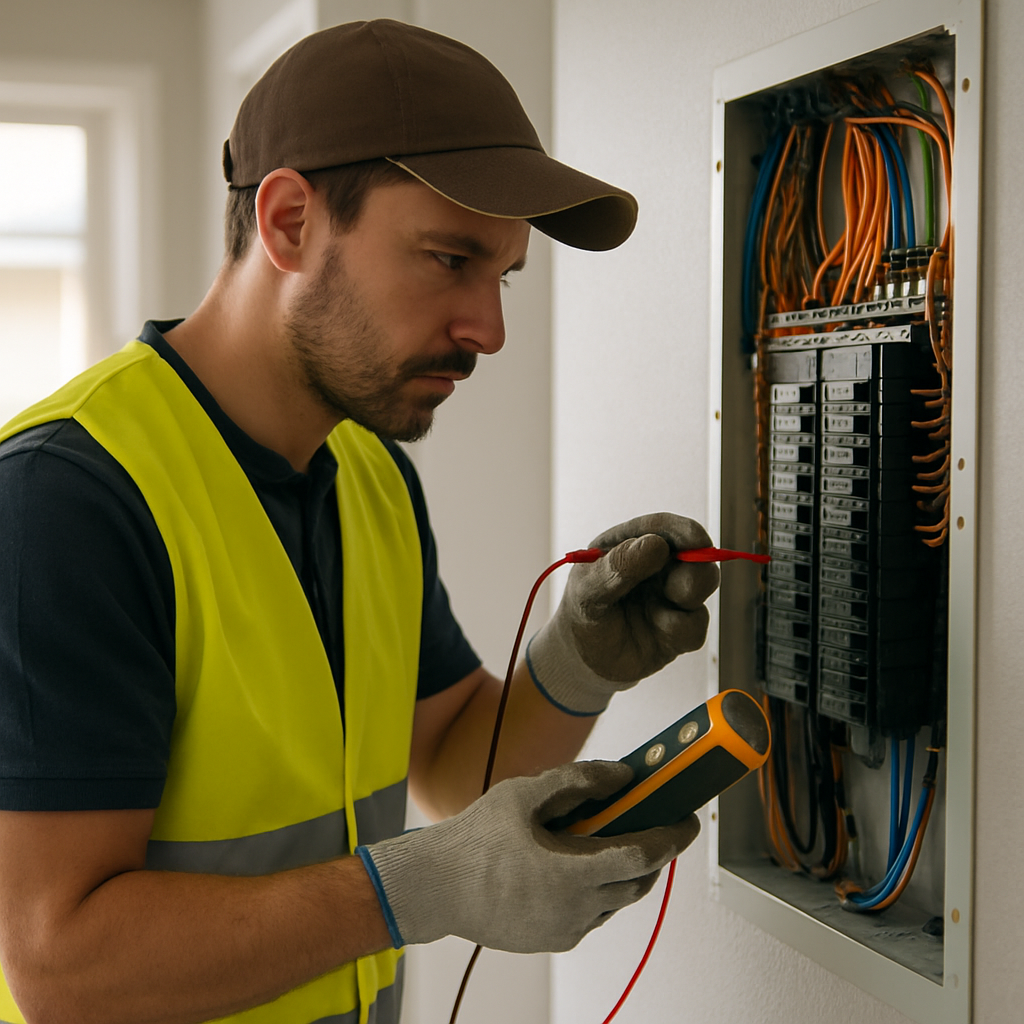
Your electrical panel distributes power throughout your home. If it is damaged, outdated, overloaded, or too small for current demand, an upgrade may be safer and more practical than repeatedly working around breaker trips or limited capacity.
Signs Your Panel May Need an Upgrade
- Breakers trip repeatedly or will not stay reset
- The panel feels warm, makes unusual sounds, shows corrosion, or appears damaged
- Your home has a fuse box instead of a modern breaker panel
- The panel is overcrowded, poorly labeled, or has no room for additional circuits
- You are adding an EV charger, hot tub, electric range, heat pump, mini-split, workshop, or home addition
- You are finishing a basement, remodeling a kitchen, or converting a garage
- Your home has a 100-amp service that may not support planned electrical demand
- You have a panel with a history of reliability concerns, such as certain Federal Pacific or Zinsco models
What a Panel Upgrade Can Include
- Replacement of an outdated or damaged breaker panel
- 100-amp to 200-amp service upgrades when supported by a load calculation
- New breakers and additional circuit capacity
- Panel labeling and circuit organization
- Grounding and bonding improvements
- Whole-home surge protection
- Coordination with the serving electric utility for service-related work
- Permit and inspection coordination when applicable
For a more detailed look at upgrade planning, cost considerations, and the typical process, see panel replacements in Indianapolis: when to upgrade, what it costs, and what to expect. You can also explore electrical upgrades for homeowners and small businesses.
Whole-Home Rewiring and Wiring Upgrades
Rewiring is a significant project, but it may be the right investment when wiring is aging, damaged, improperly modified, or unable to support your household’s electrical needs. In other cases, a partial upgrade, new dedicated circuit, or targeted repair may be sufficient.
When Rewiring Makes Sense
- Your home has knob-and-tube wiring, ungrounded wiring, or aging branch circuits
- An electrician finds damaged insulation, overheated connections, or improper past repairs
- You have aluminum branch-circuit wiring that needs professional evaluation and appropriate remediation
- You are planning a major remodel, addition, basement finish, or full renovation
- Outlets are ungrounded or the home lacks adequate modern safety protection
- Existing circuits cannot support modern appliances, electronics, or equipment
- You discover signs of unlicensed, amateur, or non-permitted electrical work from a prior owner
Partial Wiring Upgrades
Not every home needs complete rewiring. A licensed electrician may recommend a more targeted solution, such as replacing damaged wiring, adding grounded outlets, installing GFCI or AFCI protection, upgrading a kitchen circuit, or running a dedicated circuit for a specific appliance. The right recommendation depends on the home’s condition, renovation plans, electrical demand, and budget.
Electrical work can create serious safety risks when performed without the required skills, tools, and permits. Review what electrical jobs homeowners can actually DIY before attempting any electrical project yourself.
Lighting, Outlets, Switches, and Dedicated Circuits
Electrical improvements can make a home more functional, comfortable, and safe. Licensed electricians can help with projects ranging from a new outlet or light fixture to a carefully planned wiring upgrade for a kitchen, basement, garage, workshop, or home office.
Outlet and Switch Upgrades
- New outlets for bedrooms, offices, garages, and living spaces
- GFCI outlets for bathrooms, kitchens, garages, basements, laundry areas, and exterior locations
- Tamper-resistant outlets for child safety
- Grounded outlet upgrades where appropriate
- USB and USB-C charging outlets
- Smart switches, dimmers, timers, and occupancy controls
- Replacement of damaged, loose, warm, or discolored devices
Lighting and Ceiling Fan Installation
- Recessed lighting
- Under-cabinet kitchen lighting
- Exterior, landscape, and security lighting
- Bathroom vanity and exhaust-fan wiring
- Attic and ventilation fan wiring
- Ceiling fan installation and replacement
- Smart lighting controls
If you are installing a ceiling fan or heavy fixture, the electrical box must be properly rated and securely supported. An electrician can verify the box, wiring, circuit capacity, and control setup before installation.
Dedicated Circuits
Dedicated circuits help prevent nuisance trips and reduce overload risks by supplying power to a single appliance or specific load. They are commonly used for refrigerators, dishwashers, microwaves, garbage disposals, laundry equipment, sump pumps, well pumps, electric ranges, HVAC equipment, workshop tools, and home-office equipment.
EV Charger Installation in Plainfield
A professionally installed Level 2 charger can make at-home EV charging faster and more convenient. A Level 2 charger generally uses a dedicated 240-volt circuit, so the installation should begin with an assessment of your electrical panel, available capacity, charger location, wiring route, and applicable permitting requirements.
What EV Charger Installation Requires
- Evaluation of the home’s electrical service and available panel capacity
- A load calculation to determine whether the existing system can support the charger
- A dedicated 240-volt circuit, appropriately sized breaker, and wiring
- Charger placement planning for a garage, driveway, carport, or parking area
- Possible panel, subpanel, or service upgrade recommendations
- Permit and inspection coordination when required
Duke Energy offers Indiana EV-related programs that may include charger-preparation support or off-peak charging incentives, although program eligibility and terms can change. Review Duke Energy EV initiatives before scheduling your installation.
Property owners and landlords may also find value in learning how solar and EV chargers can support rental-property NOI.
Generator Transfer Switches and Backup Power
Storms and power outages can disrupt heating and cooling equipment, refrigeration, home offices, internet service, sump pumps, and essential medical devices. A properly installed generator connection gives you a safer way to power selected circuits or larger portions of the home during an outage.
Why a Transfer Switch Matters
You should never connect a portable generator directly to your home’s wiring through an outlet. This dangerous practice, known as back-feeding, can energize utility lines and create a severe risk for utility workers, neighbors, and your own electrical equipment. A professionally installed transfer switch or approved interlock arrangement separates your home from the grid before generator power is used.
Portable and Standby Generator Options
- Manual transfer switches for portable generators
- Generator interlock kits when appropriate for the panel and installation
- Automatic transfer switches for standby generators
- Dedicated circuits for critical loads, such as a sump pump, refrigerator, HVAC equipment, or medical equipment
- Surge protection and grounding improvements
- Battery backup planning for selected loads
Because HVAC systems can be a major electrical load, homeowners may also benefit from reading when to call for emergency AC service and these monthly HVAC maintenance tips for Indiana homeowners.
Electrical Inspections and Safety Evaluations
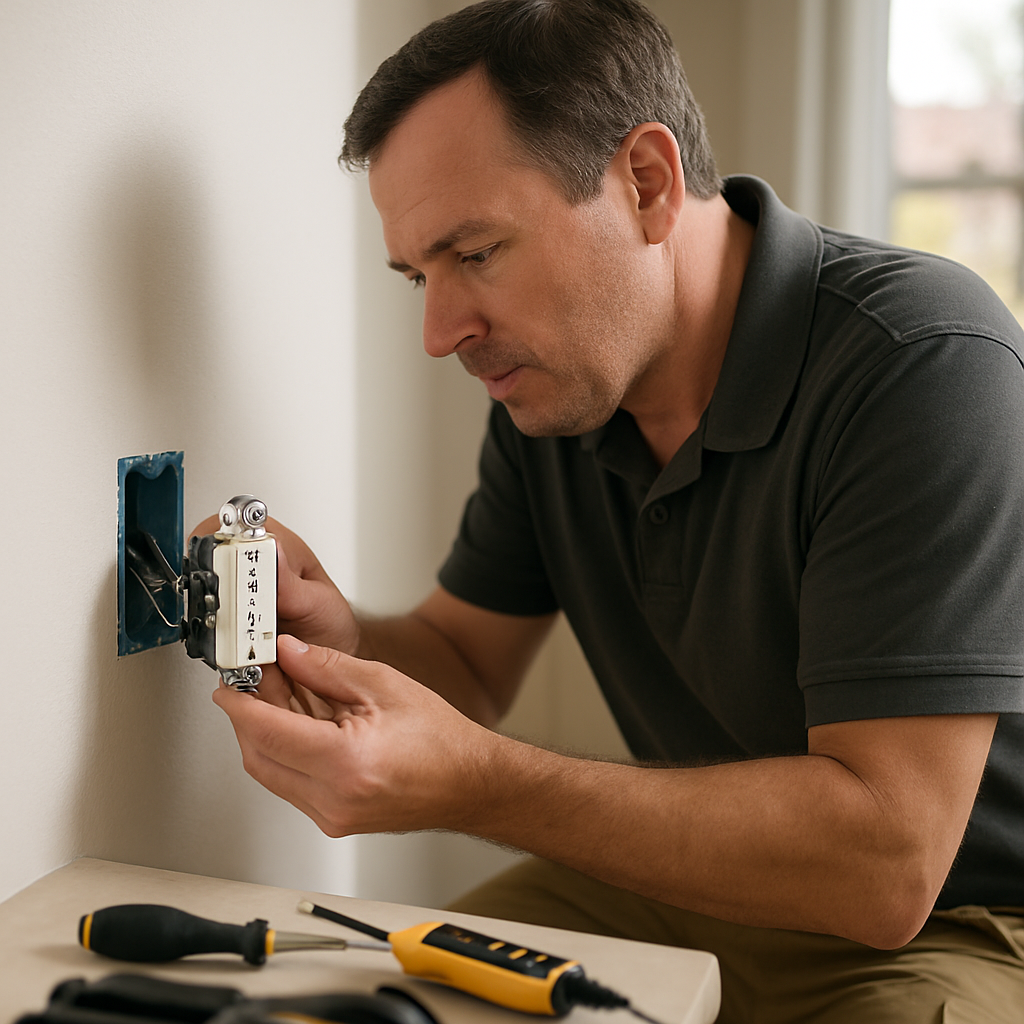
An electrical inspection provides a clearer picture of your system’s condition and can help you prioritize repairs before a small issue becomes a larger problem. It is especially useful for older homes, recently purchased properties, renovations, and homes with unexplained electrical symptoms.
What an Electrical Inspection Can Cover
- Electrical panel condition, breaker operation, and circuit labeling
- Visible wiring condition and signs of damage or amateur modifications
- Outlets, switches, and fixture connections
- Grounding and bonding systems
- GFCI and AFCI protection where applicable
- Signs of overheating, corrosion, loose connections, or overloaded circuits
- Surge-protection recommendations
- Panel-capacity concerns related to planned upgrades
When to Schedule an Inspection
- Before purchasing an older home
- After buying a property with an unknown electrical history
- Before a major renovation, addition, basement finish, or garage conversion
- After storm damage, flooding, or lightning activity
- When breakers trip frequently or lights flicker
- When you notice warm outlets, buzzing, burning smells, or damaged devices
- Before adding an EV charger, hot tub, electric appliance, or new HVAC system
For a broader household upkeep plan, use this room-by-room and system-by-system home maintenance checklist.
Commercial Electrical Services for Plainfield Businesses
Plainfield businesses may need electrical work that extends beyond typical residential service. Retail spaces, restaurants, offices, warehouses, and light-industrial facilities often need higher-capacity panels, new equipment circuits, lighting improvements, tenant build-out work, and dependable backup-power planning.
Common Commercial Electrical Projects
- Commercial panel and service-capacity upgrades
- LED lighting upgrades and lighting controls
- New circuits for equipment, point-of-sale systems, server rooms, and data equipment
- Outlet and switch additions or relocations
- Tenant improvement and build-out electrical work
- Commercial EV charger infrastructure
- Emergency and backup-power planning
- Electrical planning for new layouts, offices, retail areas, and workspaces
Commercial projects may involve plan review, permits, and inspections. A qualified electrician can help identify the project’s electrical requirements and coordinate the work with the relevant local authorities.
Permits and Utility Resources
The Town of Plainfield’s Development Services department oversees building permits within town limits. Its permit page includes electrical submission information for residential, commercial, and industrial work, so contractors and property owners should verify requirements for the specific address and scope before work begins.
| Organization | What It Helps With | Link | Phone Number |
|---|---|---|---|
| Town of Plainfield Development Services / Building Department | Building permits, electrical-project questions, inspections, development processes, and project guidance | Development Services | 317-754-5376 |
| Town of Plainfield Permits | Permit applications, residential and commercial submission procedures, electrical project documents, and online permit access | Plainfield Permit Resources | 317-754-5376 |
| Town of Plainfield Ordinances, Standards & Codes | Town standards and code-reference information, including links to Indiana code resources | Ordinances, Standards & Codes | 317-839-2561 |
| Town of Plainfield Utilities | Utility permits, water and wastewater resources, and utility billing assistance | Plainfield Utilities | 317-837-0000 |
| Duke Energy Indiana | Electric-service questions, outage resources, service coordination, and EV program information | Duke Energy Customer Service | 800-521-2232 |
Town requirements and utility procedures can change, and they may vary based on the property’s location and project scope. My Licensed Contractor recommends confirming current permit, inspection, and service-coordination requirements directly with the Town of Plainfield and your serving utility before work begins. Plainfield Utilities lists utility permits, billing, water, and wastewater resources through its official site.
For help understanding why permits matter and what to expect from a contractor, read permits and contractors: how to make sure your home project is done right.
Why Hire a Licensed Electrician in Plainfield?
Electrical work affects fire safety, shock protection, equipment reliability, resale documentation, and potential insurance considerations. A licensed electrician has the training and credentials needed to work within the applicable scope of licensing and code requirements. They can also explain what permits, inspections, materials, and safety protections may be needed for your project.
Before work begins, ask for proof of appropriate licensing and insurance, a clear written scope, estimated timing, and confirmation of who will handle any required permits and inspections. Be cautious of anyone who recommends skipping permits, cannot clearly explain the work, or offers a price that seems unusually low without documentation.
Learn more about the risks in how unlicensed electricians can affect insurance claims and whether hiring an unlicensed electrician can affect an insurance claim.
Find a Licensed Electrician Through My Licensed Contractor
My Licensed Contractor connects Plainfield homeowners and business owners with licensed, insured electricians familiar with common electrical repairs, modern upgrades, and local project requirements. Whether you need same-day troubleshooting or want to plan a larger project such as rewiring, a panel upgrade, generator connection, or EV charger installation, you can request an estimate and compare qualified professionals.
Start by booking a contractor online, then use the information in this guide to better contractor bids to prepare for project conversations.
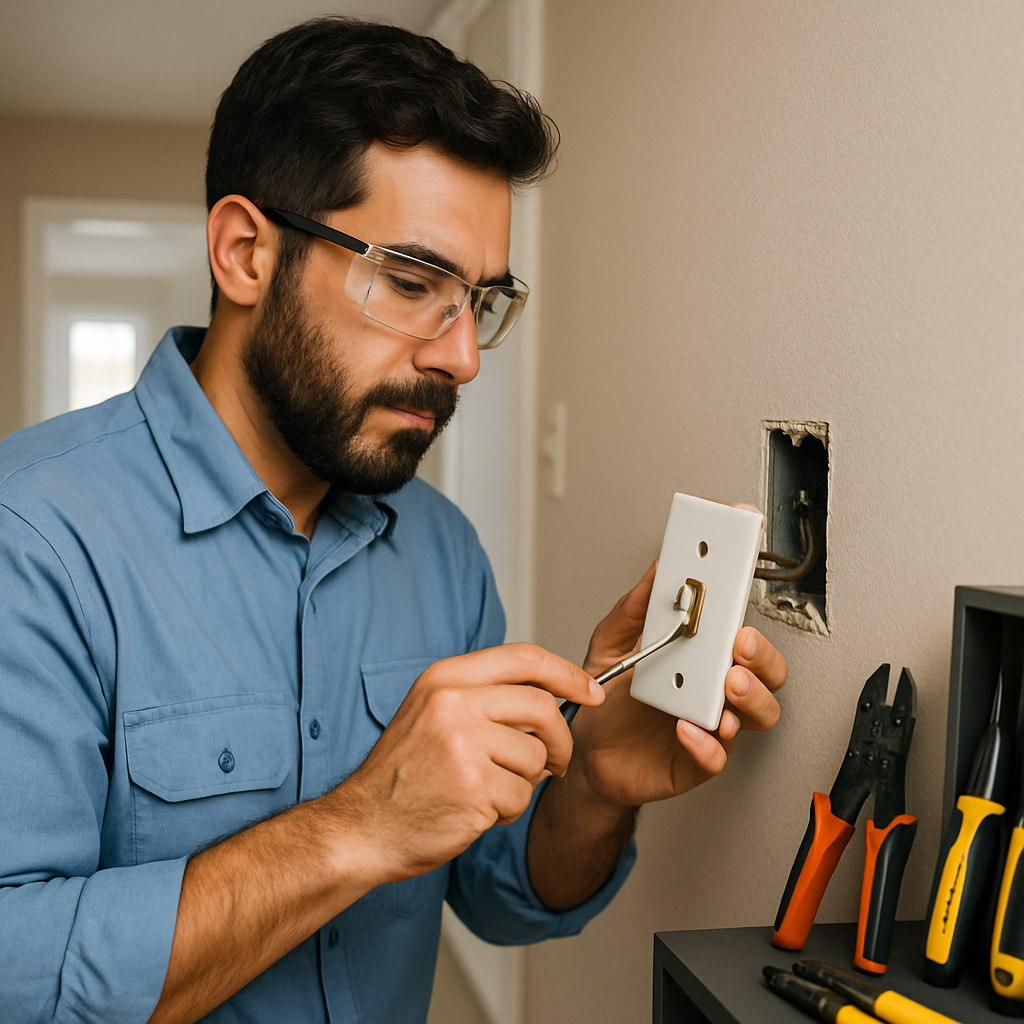
Schedule electrical service in Plainfield today. Call for 24/7 emergency electrical repairs or request an estimate for repairs, upgrades, inspections, and installations.
Frequently Asked Questions About Electrical Services in Plainfield, IN
How do I know if my electrical panel needs to be replaced?
Frequent breaker trips, corrosion, heat, visible damage, a fuse box, inadequate space for new circuits, or plans to add major electrical loads are all reasons to schedule an evaluation. An electrician can inspect the panel and perform a load calculation to determine whether repair, replacement, a subpanel, or a service upgrade is appropriate.
Do I need a permit for electrical work in Plainfield?
Permit requirements depend on the property location and project scope. The Town of Plainfield provides electrical submission resources for residential, commercial, and industrial work, and major projects such as panel upgrades, new circuits, rewiring, EV chargers, and generator connections may require permitting and inspection. Confirm the current requirements with Plainfield Development Services before the project begins.
What is the difference between 100-amp and 200-amp service?
A 100-amp service may be adequate for some homes, but it can become limiting when a household adds high-demand equipment such as central air conditioning, heat pumps, electric cooking appliances, EV chargers, hot tubs, workshops, or major additions. A 200-amp service offers more capacity, but an electrician should determine whether it is needed through an evaluation and load calculation.
How long does whole-home rewiring take?
The timeline depends on the home’s size, accessibility, wall construction, extent of replacement, permit requirements, and whether rewiring occurs alongside a renovation. A licensed electrician can provide a more accurate project schedule after inspecting the home and reviewing the work scope.
Is it safe to use a portable generator without a transfer switch?
It is not safe to connect a portable generator directly to household wiring through an outlet. That can back-feed electricity into utility lines, damage equipment, and create a serious hazard. A licensed electrician can install an appropriate transfer switch or other approved generator connection method.
Can I install an EV charger if my electrical panel is full?
Possibly. An electrician can inspect the panel, perform a load calculation, evaluate whether a subpanel is appropriate, or recommend a panel or service upgrade if the current system cannot safely support the charger.
What should I do if an outlet is warm or smells like it is burning?
Stop using the outlet immediately. Do not continue plugging in devices or repeatedly reset the breaker. If there is smoke, sparking, active fire, or an immediate danger, call 911. Otherwise, contact an emergency electrician promptly to inspect the outlet, wiring, and circuit.
Nearby Cities in Indiana
Ready to Find a Licensed Contractor?
Connect with pre-screened, licensed contractors in your area.
Submit Your ProjectGet Matched Instantly
Tell us about your project and we'll connect you with licensed, verified contractors in your area.
Submit Your ProjectFind Contractors Near You
Get Matched Instantly
Tell us about your project and we'll connect you with licensed, verified contractors in your area.
Submit Your ProjectFind Contractors Near You